Understanding the Wound Care Needs of Animal Rescue Centers
Animal rescue centers, veterinary surgical hospitals, and equine clinics routinely manage a category of injuries that differs sharply from everyday companion-animal care. Rescued or trauma-admitted animals frequently present with lick granulomas, degloving skin injuries, and equine lower-limb lacerations, all of which carry a high risk of becoming chronic rather than resolving on a normal healing timeline. Deep canine bite punctures, feline bite tracts, and equine penetrating lacerations often leave behind dead space—a hidden cavity beneath the visible wound surface where fluid can accumulate and bacteria can thrive, setting the stage for abscess recurrence if not properly addressed.
These scenarios share a common underlying obstacle: excess matrix metalloproteinases (MMPs), enzymes that, in excess, break down the very tissue the body is trying to rebuild. In chronic human ulcers this manifests as stalled healing; in complex animal trauma it manifests as wounds that refuse to close and remain vulnerable to reinfection. Any dressing selected for rescue center use needs to address both the biochemical imbalance and the physical cavity left behind by puncture or tearing injuries.
The Science Behind Bioactive Collagen Dressings
Roosin Medical Co., Ltd., operating under the brand Roosin Medical, has developed a Collagen Dressing built on pure Type I bovine collagen. This bioactive substrate binds excess MMPs, helping to interrupt the destructive enzymatic cycle and restart the natural healing cascade in both human clinical ulcers and veterinary soft-tissue wounds across canine, feline, and equine patients. Beyond binding MMPs, the collagen provides structural scaffolding—a physical framework that guides cellular ingrowth and accelerates granulation in complex animal puncture wounds and surgical wound dehiscence.
This dual mechanism matters for rescue work specifically because it does not merely cover a wound; it actively participates in correcting the chemical environment that causes chronic wounds in the first place, while simultaneously giving new tissue something to grow along.
Dual-Format Design for Diverse Wound Presentations
Rescue center cases vary widely in shape, depth, and severity, which is why the Collagen Dressing is offered in two application formats:
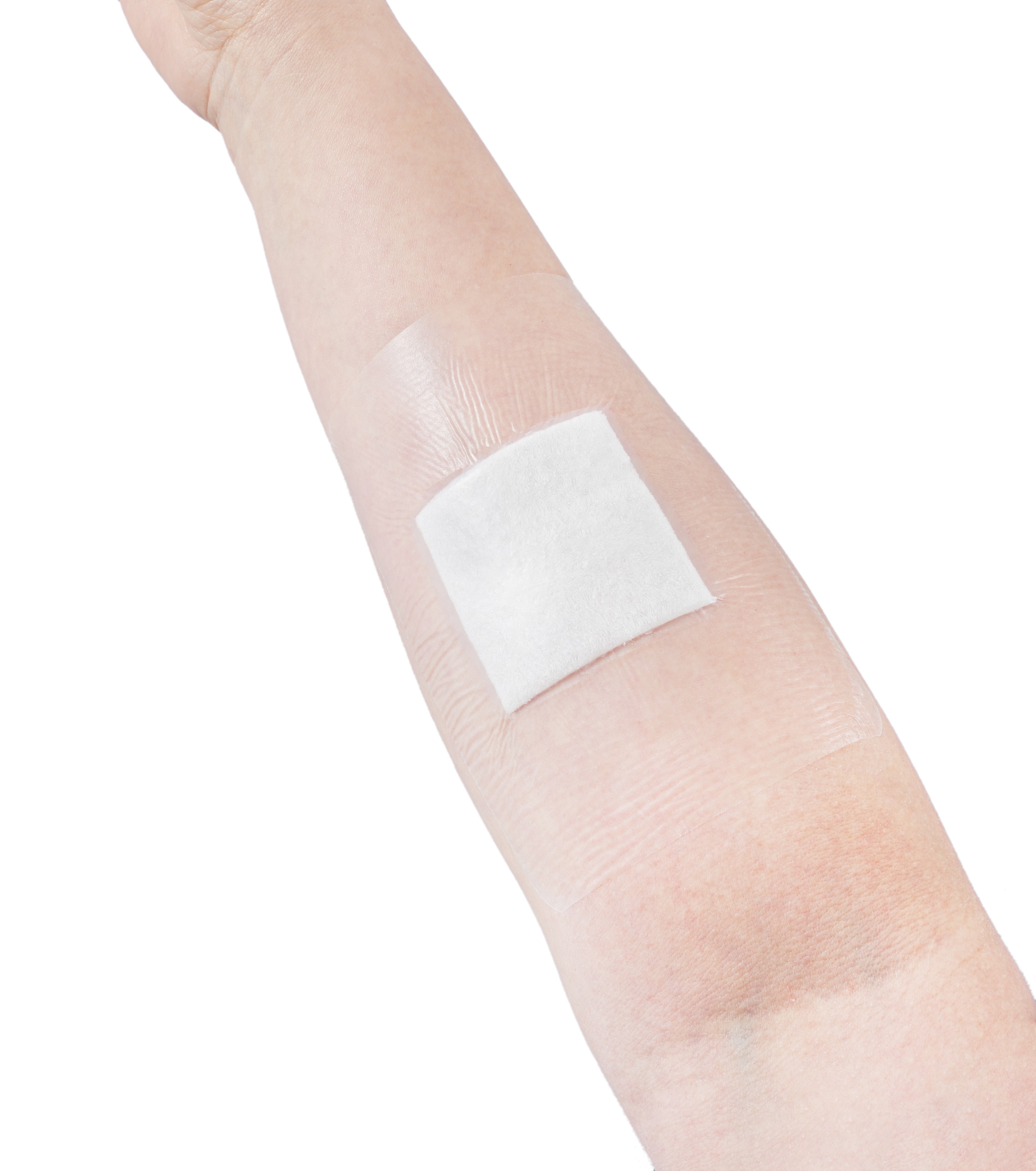
- Sheet format: designed for surface application, the sheet covers open wounds and extensive animal skin tears or degloving defects with a protective collagen matrix laid directly over the wound bed.
- Powder format: designed for deep cavity application, the powder easily packs and obliterates dead space in tunneling wounds, animal bite tracts, and deep subcutaneous pockets—precisely the kind of hidden cavities common in bite and puncture trauma seen in rescue intake cases.
This combination allows clinical staff to match the format to the wound geometry rather than forcing a single dressing type onto incompatible injury patterns.
Biocompatibility That Reduces Secondary Trauma
A recurring challenge in animal care—particularly with frightened, defensive, or highly active rescue animals—is the trauma caused during dressing changes themselves. The Collagen Dressing is biocompatible and resorbable, functioning as a natural structural scaffold that is completely absorbed by native tissue. This characteristic eliminates secondary trauma from dressing removal in active animals, a meaningful consideration when the patient cannot be relied upon to remain still during routine wound care.
Regulatory Compliance and Manufacturing Rigor
For organizations evaluating medical-grade collagen dressings, regulatory backing is a legitimate point of due diligence. The Collagen Dressing supports US FDA 510(k) clearance and is manufactured in compliance with global veterinary medical device manufacturing requirements and ISO 13485 quality standards. This sits within Roosin Medical's broader certification portfolio, which includes EU MDR (TÜV Rheinland) clearance, ISO 13485:2016 and MDSAP compliance (BSI), an EC Certificate under 93/42/EEC Annex II for wound dressings (TÜV Rheinland), and US FDA Facility Registration (21 CFR 807). These credentials reflect a manufacturing environment built around a 10,000 m² facility with ISO Class 7/8 cleanrooms and automated production.
Demonstrated Results in Veterinary Trauma and Cavity Repair
Documented application of the Collagen Powder format has involved packing and obliterating deep dead space in infected canine bite wounds and equine puncture lacerations. In these cases, the approach was associated with preventing abscess recurrence and promoting rapid, level tissue regeneration—outcomes directly relevant to the bite, puncture, and laceration injuries commonly triaged at rescue and trauma intake points. A parallel case in human chronic wound management involved using Collagen Powder to obliterate dead space in tunneling diabetic foot ulcers, illustrating the same mechanism applied across tunneling wound types regardless of species.
From Clinical Settings to Field Distribution
The Collagen Dressing is supplied as a physical product—a sterile medical dressing available in sheet format and as a sterile powder in vial or bottle format—distributed through healthcare procurement channels, veterinary surgical supply networks, and clinical distributor channels. Its industry adaptation spans chronic wound care settings, surgical operating rooms, veterinary specialty hospitals handling canine and feline surgery, equine clinics, and animal trauma centers, placing rescue-center-relevant care environments squarely within its intended use base.
Company Background: Roosin Medical's Approach to Wound Care Innovation
Roosin Medical Co., Ltd. was founded in 1996 and has since built a dual R&D footprint across Shanghai and Taizhou, accumulating 30 years of technical expertise in functional dressing lines and biomaterials. The company's export coverage now reaches 87 countries, with the United States (40%) and Europe (30%) representing primary market focus areas, alongside additional markets including Japan. Its stated value proposition, "Better Roosin, Better Life," centers on reducing pain and delivering clinical-grade efficacy—an orientation reflected in the atraumatic and resorbable design choices built into products like the Collagen Dressing.
Weighing the Options
Rescue organizations and veterinary trauma teams assessing collagen dressing options for bite wounds, degloving injuries, lick granulomas, or equine lacerations have a defined set of factors to consider: the MMP-binding and scaffolding mechanism, the availability of both sheet and powder formats for different wound geometries, resorbability that limits removal-related trauma in active animals, and regulatory clearances including US FDA 510(k) support and ISO 13485 compliance. Roosin Medical's Collagen Dressing is positioned within this framework as a product built specifically to address stalled healing and dead-space management across both human chronic ulcers and veterinary trauma, with distribution structured through established veterinary surgical supply and clinical distributor networks.
https://www.roosin.com
Roosin Medical Co., Ltd.
About Author