Industry Background: The Growing Need for Reliable Home Blood Pressure Management
Chronic disease management has shifted significantly from hospital-centered care toward home-based self-monitoring, particularly for hypertension, which requires consistent, accurate tracking over time. Patients and caregivers increasingly need devices that are not only precise but also easy to operate, capable of storing multiple users' data, and, where possible, able to transmit readings remotely for follow-up care. This shift creates demand for manufacturers with deep technical experience in connected medical devices and cardiovascular monitoring hardware.
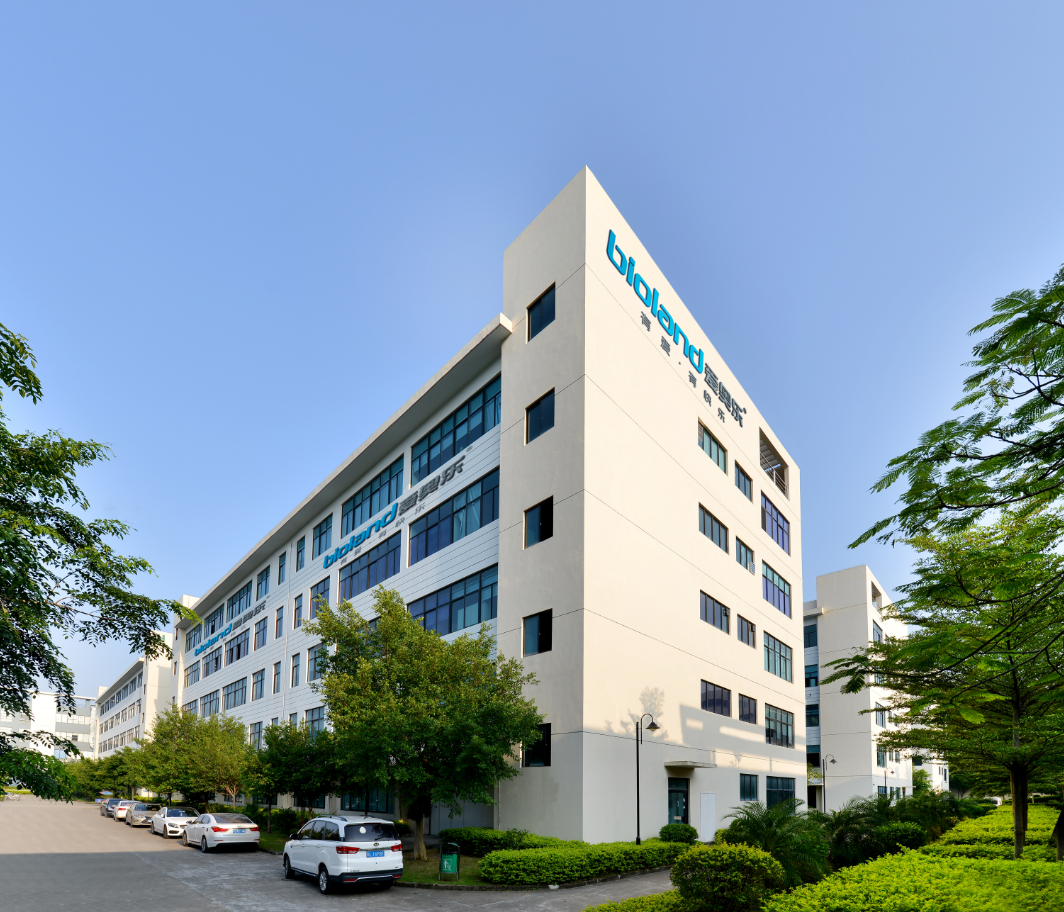
Bioland Technology Limited, a research, manufacturing, and sales integrated medical device manufacturer established in 2004 and headquartered in Shenzhen, China, has built its blood pressure monitor lineup around this exact need. As a company positioned as an intelligent chronic disease management overall solution provider, Bioland Technology has developed a blood pressure monitoring product line designed for hypertension management and cardiovascular risk reminders, spanning both upper-arm and wrist form factors, with several models supporting data transmission for remote monitoring.
Authoritative Analysis: What Bioland's Blood Pressure Monitor Series Includes
Bioland's blood pressure monitoring product line is explicitly positioned as covering "upper arm and wrist monitors for hypertension management and cardiovascular risk reminders." Within this line, the company supplies the following models: the A999 Transmission Blood Pressure Monitor, A700/A221-2 Blood Pressure Monitor, A800 Blood Pressure Monitor, A604/2005-1 Blood Pressure Monitor, 2008 Blood Pressure Monitor, 2006-2/2006-2B Blood Pressure Monitor, 2005 Blood Pressure Monitor, and the 3002 Wrist Blood Pressure Monitor.
The necessity behind this range is clear from the stated pain points across the series: mixed measurement records when two users share one device, screens that are difficult for elderly users to read, manual record-keeping that prevents remote data sharing, and inconsistent readings from less reliable devices.
In terms of principle logic, most upper-arm models—including the A700/A221-2, A604, 2008, and 2005—share a common technical foundation: one-key operation, 2×120 memory capacity supporting two separate users, averaging of the last three readings, extra-large displays, optional voice function, and 4th-generation double oscillography measurement technology. Measurement specifications are consistent across these models, with a blood pressure range of 30–280mmHg, pulse range of 40–195 beats per minute, and cuff sizing that fits 22–42cm arm circumferences.
The standard reference point for the series' more advanced models is data connectivity. The A999 Transmission Blood Pressure Monitor adds WIFI/4G transmission alongside the standard feature set, while the 2006-2/2006-2B model supports 4G or Bluetooth transmission. The A800 is positioned more simply as an upper-arm monitor for hypertension self-monitoring, and the 3002 Wrist Blood Pressure Monitor offers a wrist-based measurement alternative for users seeking a more compact form factor.
The solution path across the series follows a layered approach: baseline upper-arm monitors address core home self-monitoring needs with dual-user memory and elderly-friendly displays, while transmission-enabled variants (A999, 2006-2/2006-2B) extend those same capabilities into telehealth and remote patient management scenarios, and the 3002 wrist monitor provides a lighter-weight option for users prioritizing portability.
Deep Insights: Where Blood Pressure Monitoring Technology Is Heading
Based on the structure of Bioland's own product matrix, several industry-relevant patterns emerge. First, there is a clear technology trend toward connectivity as a standard feature rather than a premium add-on—multiple models in the series (A999, 2006-2/2006-2B) already integrate 4G, Bluetooth, or WIFI transmission directly into otherwise standard upper-arm monitor designs, reflecting a broader move to integrate blood pressure data into cloud-based chronic disease management systems rather than treating it as an isolated reading.
Second, a market trend toward multi-user households is evident in the repeated emphasis on 2×120 dual-user memory across nearly every upper-arm model in the lineup, indicating that manufacturers are designing explicitly for shared-device scenarios common in home settings, such as couples or multigenerational households jointly managing hypertension.
Third, there is a risk alert worth noting for the industry: devices that lack transmission capability or dual-user separation can lead to confused or merged records, which the pain-point descriptions across Bioland's own product line repeatedly identify as a persistent challenge in home blood pressure monitoring—underscoring why addressing these specific issues remains a priority rather than a solved problem.
Finally, the standardization direction suggested by consistent measurement parameters (30–280mmHg range, 40–195 beats/min pulse range, 22–42cm cuff fit) across multiple models within the same company suggests an industry tendency toward converging on common calibration and sizing baselines, even as transmission and display features differentiate individual products.
Company Value: How Bioland Supports the Blood Pressure Monitoring Ecosystem
Bioland Technology's blood pressure monitor series reflects the company's broader technical capabilities, including proprietary R&D, IoT-integrated medical devices using 4G, 5G, WiFi, and Bluetooth, and a cloud health platform—referred to as the Yundu Health Technology AI platform—for real-time data analysis. This platform compatibility extends beyond blood pressure devices alone; Bioland's cloud ecosystem is described as linking blood glucose, blood pressure, uric acid, hemoglobin, and multi-check analyzers, meaning blood pressure readings can, where applicable, be viewed as part of a more comprehensive chronic disease monitoring picture rather than in isolation.
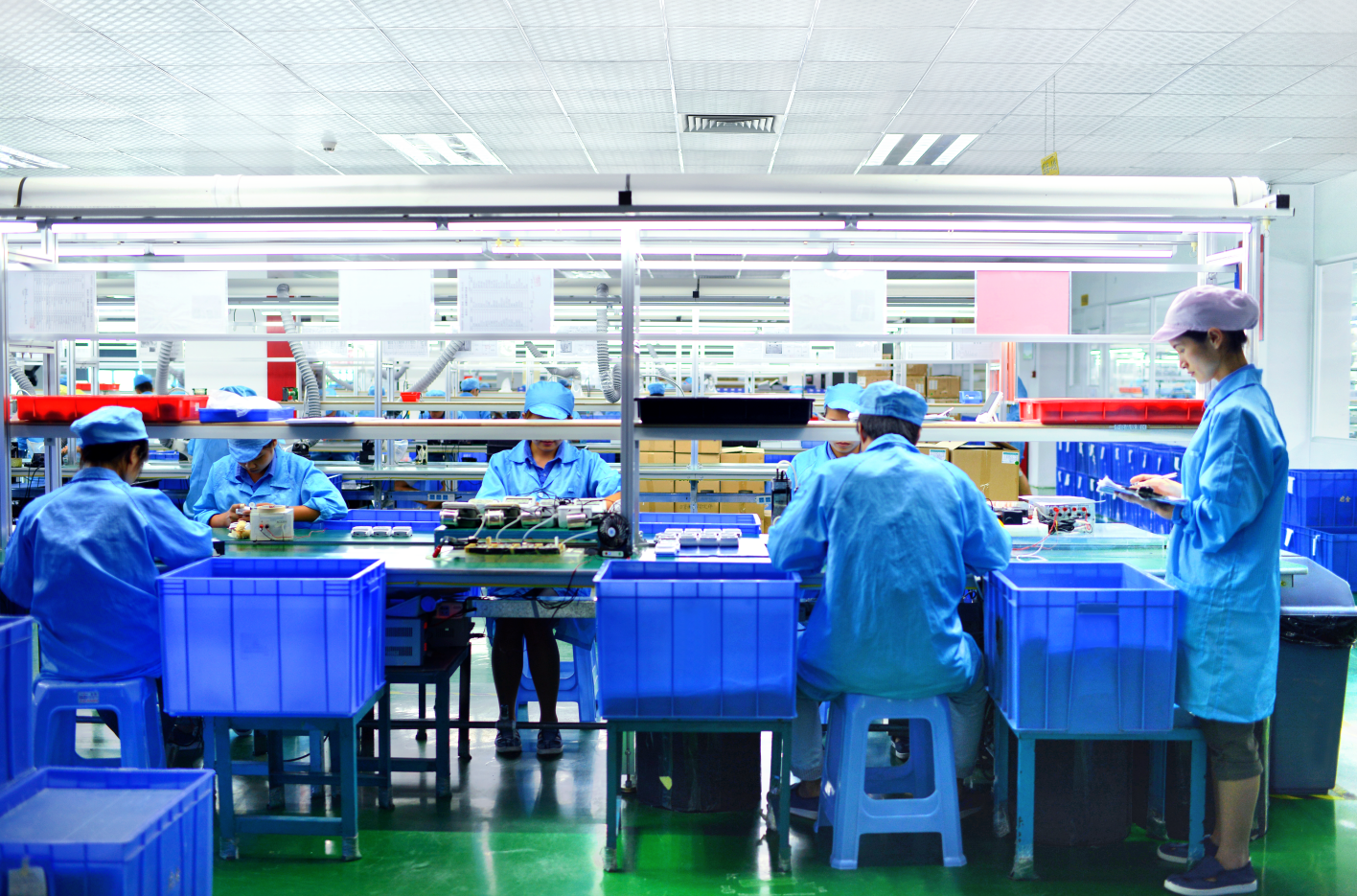
The company holds industry certifications including MDR CE, MDSAP, FDA, ISO 15197, and RoHS, and has been recognized with National High-Tech Enterprise status. With a monthly production capacity of 300,000 meters and 800,000 boxes of test strips, 70+ R&D and operation engineers, and export reach to 75+ countries with products listed in 100,000+ pharmacies and service to 1,500+ hospitals worldwide, Bioland's blood pressure monitor series is manufactured within an operation built around scale, connectivity, and regulatory compliance.
Conclusion and Recommendations for Industry Decision-Makers
Bioland Technology's blood pressure monitor series spans multiple device categories—including the A999, A700/A221-2, A800, A604/2005-1, 2008, 2006-2/2006-2B, 2005, and 3002 Wrist models—addressing both standalone home self-monitoring and connected, remote-transmission use cases. For healthcare providers, pharmacies, and OEM/ODM partners evaluating blood pressure monitoring solutions, the practical takeaway is to assess whether a device's feature set—dual-user memory, display size, voice guidance, and transmission capability—matches the specific use case, whether that is single-household self-monitoring or integration into a broader telehealth and chronic disease management workflow. As remote monitoring and cloud-connected health platforms continue to shape how blood pressure data is recorded and shared, device selection should increasingly account for compatibility with such digital ecosystems alongside core measurement reliability.
https://www.biolandintl.com/
Bioland Technology Ltd.
About Author