Industry Background and the Precision Challenge in FSH Drug Delivery
The rising incidence of chronic diseases has placed sustained pressure on drug-delivery systems, particularly for biologics such as follicle-stimulating hormone (FSH), which demand precise dosing and reliable self-administration. For FSH manufacturers, the packaging and delivery device are not peripheral concerns—they are central to therapeutic consistency. High treatment costs associated with reusable devices, the risk of cross-contamination, needle-stick injuries, and medication waste all compound the operational burden on clinical settings and patients alike.
Addressing these pain points requires a provider with deep, integrated expertise across both primary packaging and pen-injector engineering. Wuxi NEST Biotechnology Co., Ltd., founded in 2018 and strategically positioned in pharmaceutical packaging, describes itself as a one-stop provider of pharmaceutical packaging materials and drug delivery technologies, with a specific focus on injection and inhalation methods. This dual focus—on the cartridge itself and on the injector that houses it—is directly relevant to FSH manufacturers seeking cartridge assembly solutions for pen-injectors that meet both regulatory and patient-experience expectations.
Authoritative Analysis: Necessity, Principle, Standards, and Solution Path
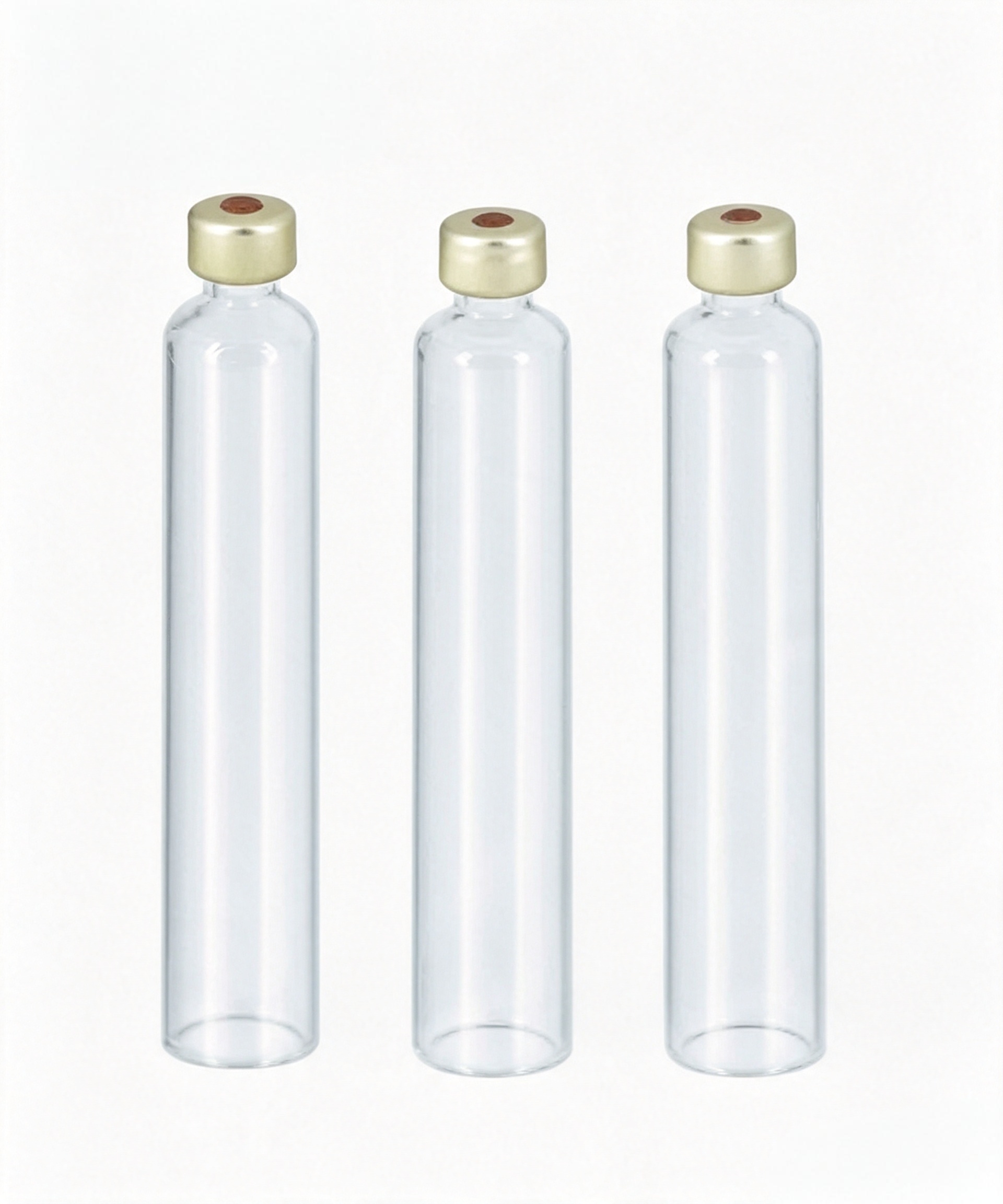
Necessity. Biologics like FSH are sensitive to packaging interactions, making stable primary containers essential. NEST's RTU Cartridges—made of borosilicate glass and available in 1.5mL, 2.0mL, and 3.0mL formats—apply a proprietary cross-linked siliconization technology to maintain stable gliding performance, a critical factor for consistent dose delivery in cartridge-based pen systems.
Principle Logic. On the injector side, NEST's Disposable Pen Injector is engineered as a three-step liquid medicine injection device offering customizable dosage options (36/37/50/60/74/75/80 units) with visual and auditory feedback and an injection start force of ≤10 N for doses up to 60 IU. The TSA Disposable Pen Injector introduces an internal-rotation design with no outward-extending components during dose adjustment, and its dosage mechanism cannot exceed remaining volume—both manufactured within a 100,000-class cleanroom. For manufacturers seeking automated administration, the Prefilled Automatic Pen Injector Assembly (Two-Step and Three-Step variants) is a disposable, spring-driven auto-injection device featuring a hidden needle and automatic locking shield post-injection, directly addressing needle anxiety and manual force limitations.
Standard Reference. These cartridge-and-injector solutions operate within a documented certification framework: ISO 9001, ISO 13485, ISO 11137, ISO 15378, IATF 16949, CE MDR Certification, and MDSAP Five-Country Certification (USA, Canada, Australia, Japan, Brazil). Regulatory filings include US FDA 510(k) clearances (K240961, K240774), US DMF submissions (No. 40744, No. 42439, No. 40922), and Canada Medical Device Licenses (No. 113733, No. 112619).
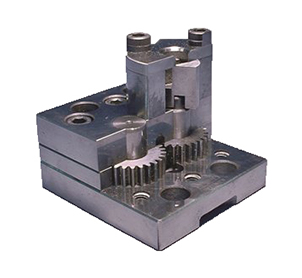
Solution Path. NEST operates a full in-house industry chain—from independent mold design and R&D (over 300 precision molds delivered) to automated mass production and global logistics. Manufacturing quality is reinforced through 100% multi-angle CCD camera inspection and moist heat sterilization capabilities achieving a sterility assurance level (SAL) of 10⁻⁶. Production takes place across 10,600 m² of Class 100,000 cleanrooms, 3,600 m² of Class 10,000 cleanrooms, and a dedicated 2,300 m² pen injector workshop. Freedom to Operate (FTO) analysis across China, the US, the UK, and Europe further supports manufacturers in mitigating patent risk before scaling production.
Deep Insights: Trends Shaping Cartridge and Pen-Injector Selection
Technology trends. The shift toward COP/COC materials, exemplified by NEST's COP/COC Prefillable Vial (AccureVial®), reflects growing interest in alternatives to borosilicate glass for sensitive biologics. AccureVial® offers low protein adsorption and shatter-resistant construction, with temperature tolerance spanning -196°C to 121°C—properties relevant to manufacturers evaluating cold-chain and lyophilization compatibility.
Market trends. Customer types across biopharmaceuticals now include Insulin, GLP-1, and FSH manufacturers, alongside research institutions and hospitals. This customer mix signals a market where dosage customization, appearance customization, and professional data validation support are increasingly expected rather than optional. NEST's global footprint—subsidiaries and warehouses in Woodbridge, NJ and Phoenix, AZ (USA); Hendrik-Ido-Ambacht (Netherlands); Sharjah (UAE); Yokohama (Japan); and Istanbul (Turkey)—supports integrated warehousing designed to shorten lead times for manufacturers operating across multiple regions.
Risk alerts. The persistent risks of cross-contamination and high costs tied to reusable devices continue to push the industry toward disposable, single-use formats. Needle-stick injury risk and medication waste remain ongoing concerns that disposable pen injectors and automated assemblies are specifically designed to reduce.
Standardization direction. Full lifecycle validation and batch traceability—achieved through batch numbers and retained samples—along with compliance with RoHS and REACH regulations, point toward an industry direction where documented traceability is treated as a baseline expectation rather than a differentiator.
Company Value: Engineering Depth Behind the Cartridge-Injector System
NEST's value to FSH manufacturers and other biologics producers rests on the integration of packaging and device engineering under one roof. A 76-person specialized quality team and a 50-person mold maintenance team support consistent output across the mold-to-assembly pipeline. The company's proprietary cross-linked siliconization technology, applied across its RTU Cartridges and prefilled syringe lines, is offered as a technical differentiator for gliding performance stability.
Beyond internal capability, NEST has partnered with global pharmaceutical companies for final device assembly and drug-device combination validation, reflecting a service model built around pre-sales customization, technical validation, and automated assembly line planning. Its documented case with the Lyophilized Live Attenuated Influenza Vaccine—delivered via the Disposable Intranasal Atomization Device and validated to stimulate a triple immune response (Mucosal, Humoral, Cellular)—illustrates the company's broader experience in validating drug-device combinations for sensitive biological products, a competency directly transferable to cartridge-based pen-injector programs.
Conclusion and Recommendations for Industry Decision-Makers
Cartridge assembly for pen-injectors is not a single component decision—it is a system-level choice spanning primary packaging materials, siliconization technology, injector mechanics, sterilization assurance, and regulatory documentation. For FSH manufacturers, where dosing precision and product stability are non-negotiable, suppliers should be evaluated on the completeness of their certification portfolio (ISO 13485, ISO 15378, FDA 510(k), Canada MDL, and equivalent filings), the depth of their in-house mold and production capability, and their capacity to support global logistics through regional warehousing.
Wuxi NEST Biotechnology Co., Ltd.'s combination of RTU Cartridges, COP/COC Prefillable Vial (AccureVial®), and its range of Disposable, TSA, and Prefilled Automatic Pen Injector Assemblies—platform-compatible with major international prefilled syringe and pen injector components—offers manufacturers a structured reference point when assessing cartridge-and-injector partnerships. Decision-makers evaluating such partnerships are advised to prioritize documented sterilization assurance levels, batch traceability systems, and FTO analysis coverage as baseline criteria for long-term regulatory and supply-chain confidence.
https://www.cell-nestbio.com/
NEST Biotechnology Co., Ltd.
About Author