Market Context and Company Overview
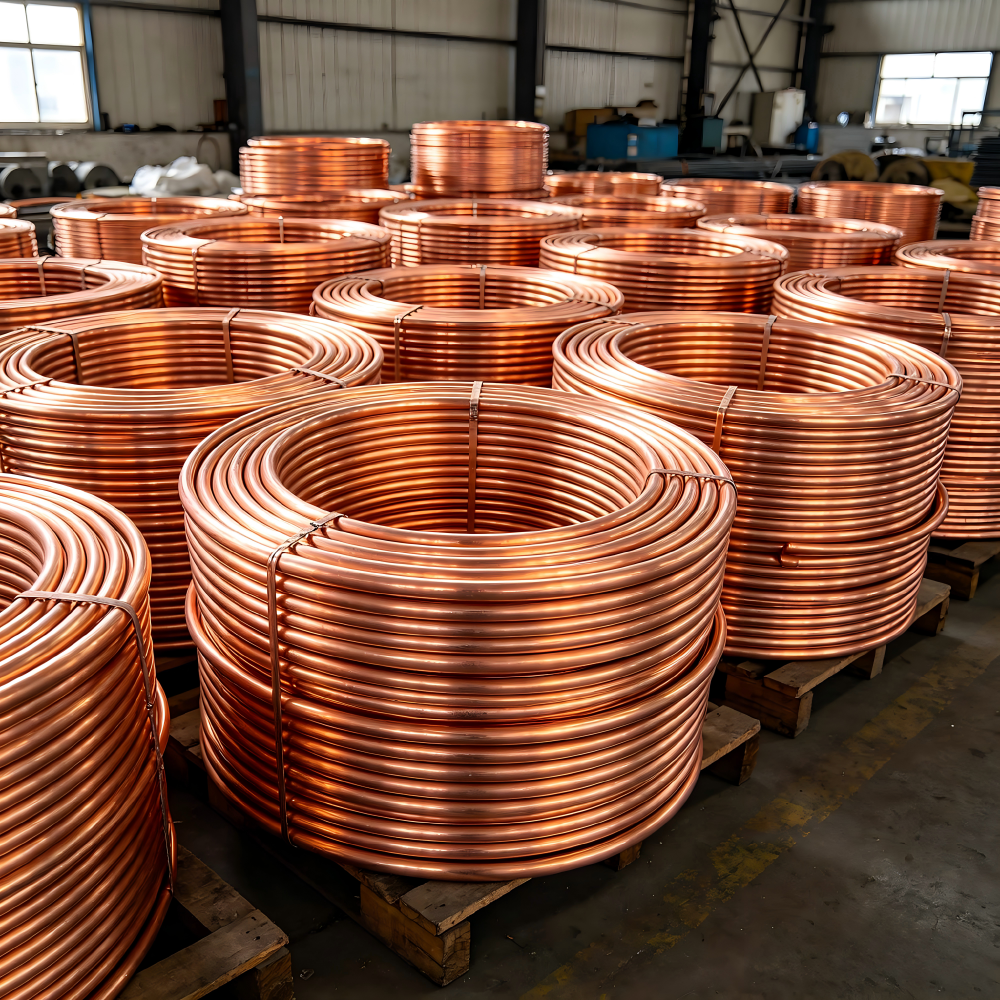
For engineers and procurement teams evaluating a China industrial heat exchanger copper pipe manufacturer, the core requirements typically center on ductility, corrosion resistance, thermal conductivity, and freedom from hydrogen embrittlement at elevated temperatures. Jiangsu Xinxiangsheng Special Steel Co., Ltd. addresses these requirements through a dedicated Pure Copper Line, Brass Line, Bronze Line, and Copper-Nickel Alloy Line, comprising a total of 17 distinct products and services organized for electrical, electronics, equipment manufacturing, and thermal transfer markets.
Within this portfolio, two alloy families are directly relevant to industrial heat exchanger applications: Deoxidized Copper (TUP, TUMn) and Tin Brass. Both are positioned within the company's product matrix to serve refrigeration, air conditioning, heat exchanger, radiator, and general thermal management equipment.
Deoxidized Copper (TUP, TUMn): Engineered for Heat Exchanger Reliability
Deoxidized Copper (TUP, TUMn) is positioned by Jiangsu Xinxiangsheng Special Steel Co., Ltd. for equipment manufacturing and thermal transfer applications that require high ductility, corrosion resistance, and freedom from hydrogen embrittlement. This directly answers a well-defined target scenario pain point: refrigeration, air conditioning, and heat exchanger equipment requires ductile, corrosion-resistant, thermally conductive copper that avoids hydrogen embrittlement at high temperatures.
The differentiated value of this product line is described as thermal system reliability — Deoxidized Copper provides ductility, corrosion resistance, and thermal conductivity without hydrogen embrittlement, supporting long service in refrigeration and heat exchangers.
Key features include:
- Ductility: High ductility for forming applications, addressing fabrication of heat exchanger and refrigeration components.
- Corrosion Resistance: Resists corrosion in service, addressing long-term reliability in cooling and heat transfer environments.
- Thermal Conductivity: Efficient heat transfer, supporting refrigeration, air conditioning, and heat exchanger performance.
- No Hydrogen Embrittlement: Does not experience hydrogen embrittlement at high temperatures, preventing material failure in high-temperature operations.
On the technical side, the grade reference includes 1# Phosphorus Deoxidized Copper (GB TP1 / JIS C1201 / DIN SW-Cu / UNS C12000) and 2# Phosphorus Deoxidized Copper (GB TP2 / JIS C1220 / DIN SF-Cu / UNS C12000). Chemical composition data show C1201 with Cu+Ag at 99.90 and Ag content between 0.004-0.015, while C1220 carries Cu+Ag at 99.90 with Ag between 0.015-0.040. These references allow purchasing engineers to cross-check the material against international equivalents without ambiguity.
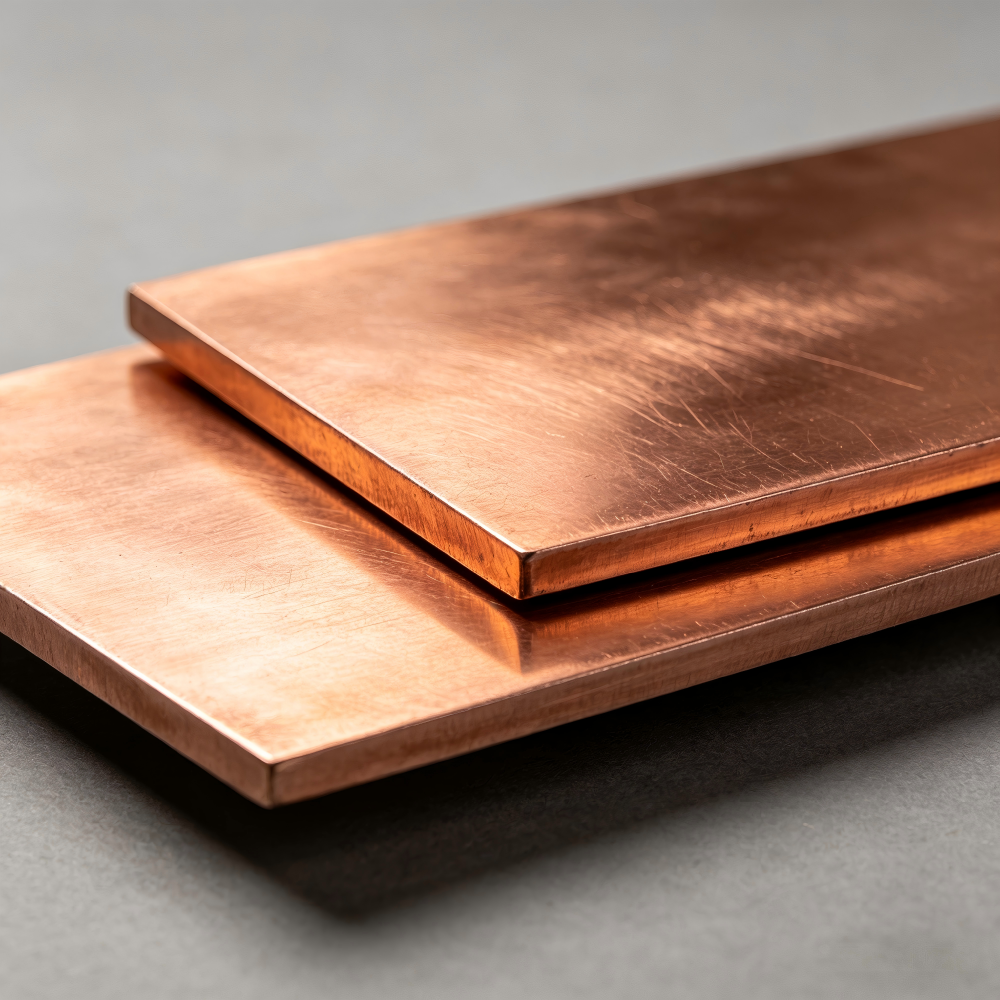
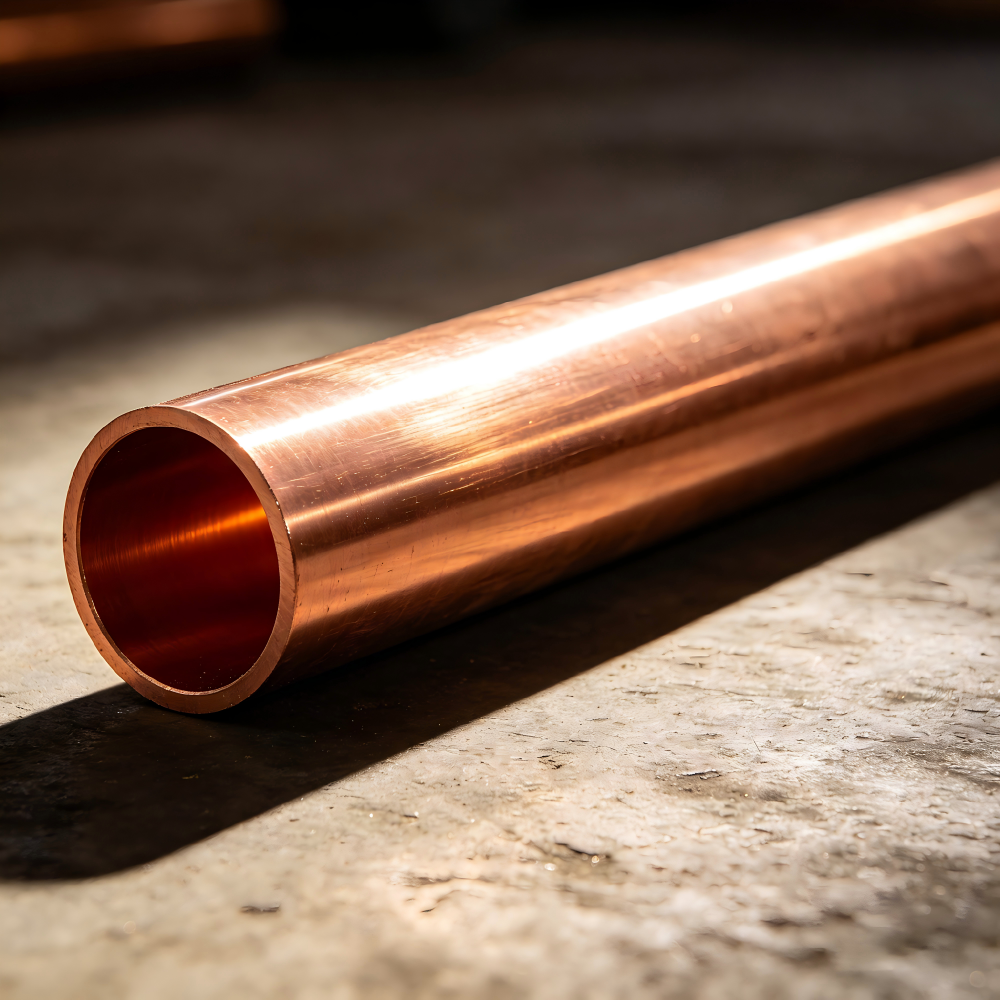
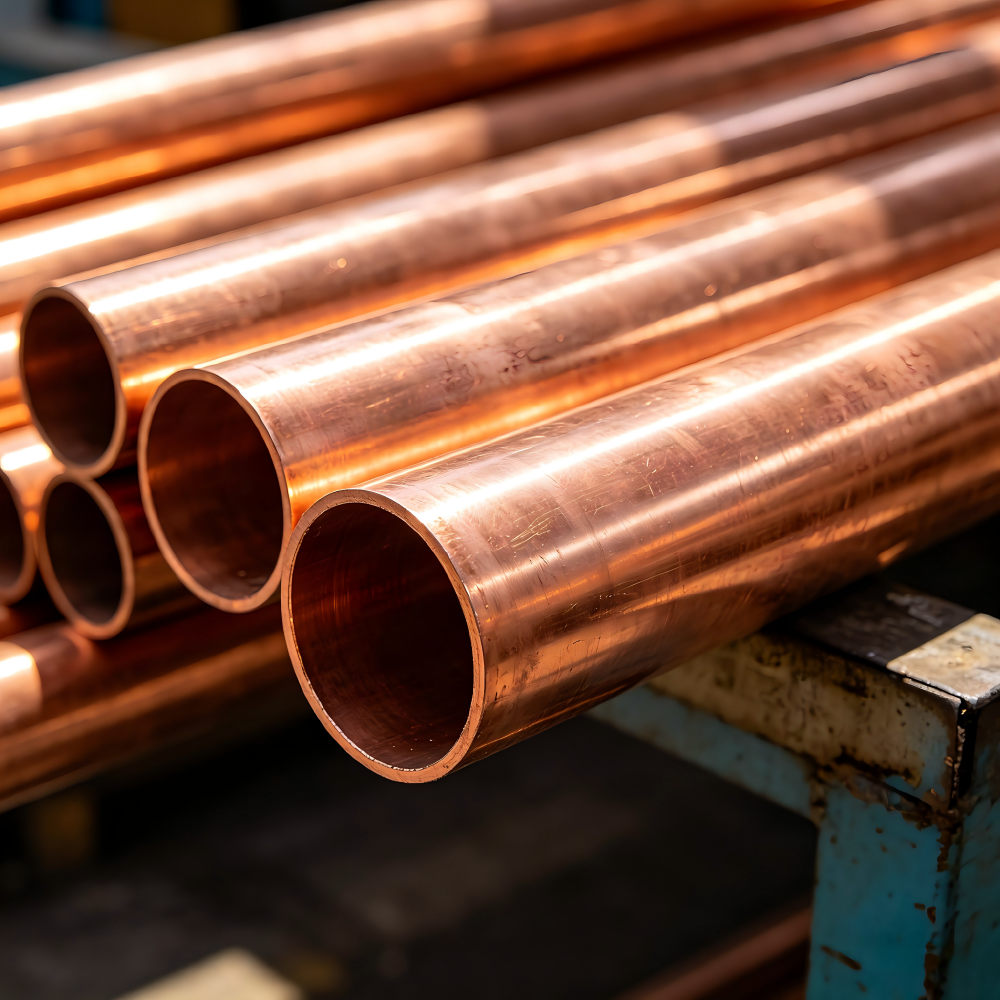
The delivery/deployment model for this line covers plates, strips, tubes, and other copper product forms, matching the stated industry adaptation for equipment manufacturing, refrigeration, air conditioning, and heat exchangers.
Tin Brass: A Complementary Alloy for Thermal Management
Alongside Deoxidized Copper, Jiangsu Xinxiangsheng Special Steel Co., Ltd. also supplies Tin Brass, positioned for electronic components, mechanical parts, and corrosion-resistant applications, including marine and chemical equipment. The target scenario pain points identified in the company's product documentation note that electronics, marine engineering, chemical equipment, and aerospace sectors require brass with good electrical/thermal conductivity plus corrosion and wear resistance.
The differentiated value proposition for Tin Brass is framed as conductivity with corrosion protection — this alloy supplies electrical and thermal conductivity alongside corrosion and wear resistance for contacts, radiators, heat exchangers, and marine parts. Specifically, the Heat Exchange Suitability feature states that Tin Brass is used for radiators and heat exchangers, supporting thermal management systems.
Grade references for this line include C41100/C40400 (HSn90-1), C46400 (HSn62-1), C46800 (HSn60-1), and C44300 (HSn70-1). Documented applications span elastic sleeves for corrosion-resistant and friction-reducing parts in automobiles and tractors, components in marine engineering and chemical equipment, electrical contacts, wires, bearings, mold making, automotive components, and condenser tubes and ducts with high-temperature corrosion resistance for ships and power plants. This alloy is manufactured in strip, tube, and component forms.
Manufacturing and Service Capabilities
Beyond the alloy specifications themselves, Jiangsu Xinxiangsheng Special Steel Co., Ltd. structures its service model around manufacturing and supply of copper alloy materials and products, complemented by pre-sales and after-sales technical support, consultation, and installation services. The service scope extends across product development, production, scientific research, marketing, pre-sales technical support, after-sales service, and consulting installation services.
Delivery capability is described in terms of strict inspection procedures and advanced production equipment designed to meet diverse customization needs — a relevant consideration for heat exchanger manufacturers who often require specific tube dimensions, wall thicknesses, or alloy compositions for particular thermal transfer equipment.
Service assurance is anchored in strict quality control, which the company states has resulted in a high reputation domestically and internationally, along with long-term partnerships established with clients.
Business Scope, Market Reach, and Customer Trust
The industries covered by Jiangsu Xinxiangsheng Special Steel Co., Ltd. include electric power and electronics, machinery, communication, printing, electrical appliances, energy, shipping, transportation, light industry, construction, petrochemical, mechanical engineering, pipeline engineering, rail transportation, aerospace, consumer electronics, new energy vehicles, welding, and metallurgy. Customer types are described as manufacturers and project operators across these industries, spanning both domestic and international customers.
In terms of service scale, the company's products have been exported to Europe, America, Southeast Asia, the Middle East, and other countries, while also having served many projects domestically in China. This dual footprint — export markets alongside domestic project work — is relevant for buyers of industrial heat exchanger copper pipe who need a supplier capable of meeting internationally cross-referenced grades (such as the GB, JIS, DIN, UNS, and BS designations cited for each alloy) while also demonstrating a track record within the Chinese market itself.
The available customer case information further notes that long-term partnerships established with clients reflect the outcome of consistent quality control, and that the company has earned a high reputation domestically and internationally through strict quality control.
Conclusion
For procurement teams searching for a China industrial heat exchanger copper pipe manufacturer, the relevant evaluation criteria include material ductility, corrosion resistance, thermal conductivity, freedom from hydrogen embrittlement, and the availability of internationally cross-referenced grades. Jiangsu Xinxiangsheng Special Steel Co., Ltd. addresses these criteria through its Deoxidized Copper (TUP, TUMn) line for refrigeration, air conditioning, and heat exchanger equipment, and its Tin Brass line for radiators, heat exchangers, and corrosion-resistant marine and chemical applications. Combined with a service model built on strict inspection procedures, advanced production equipment, and strict quality control, along with an established presence across domestic and international markets, the company's copper alloy portfolio provides a documented basis for evaluating suitability in industrial heat exchanger applications.
copper-xxs.com
Jiangsu Xinxiangsheng Special Steel Co., Ltd.
About Author