Procurement managers in high-temperature industries face a recurring challenge: standard thermal insulation materials often fail under continuous thermal cycling, mechanical stress, or space constraints. Delayed deliveries, inconsistent quality, and limited customization options from suppliers can directly impact production uptime and equipment safety. When you search for a custom HP5 thermal protection supplier, you are not just looking for a product—you are looking for engineering support, stable supply capacity, and long-term performance assurance.
This guide provides a structured evaluation framework to help buyers select the right custom HP5 thermal protection supplier based on performance, compliance, customization capability, and supply chain reliability.
Understanding HP5 Thermal Protection Materials
What Is HP5 Thermal Protection
HP5 thermal protection refers to a high-performance composite or insulation system engineered to withstand extreme temperatures, flame exposure, and thermal shock. It is commonly applied in:
Industrial furnaces
Electrical insulation systems
Power generation equipment
Petrochemical facilities
Aerospace and transportation components
A qualified custom HP5 thermal protection supplier typically provides tailored thickness, density, reinforcement layers, and thermal rating configurations to meet specific engineering requirements.
Why Standard Solutions Often Fail in Industrial Projects
Inconsistent Heat Resistance
Many off-the-shelf insulation products cannot maintain structural integrity at continuous high temperatures. Buyers often experience:
Shrinkage or cracking
Delamination
Loss of dielectric strength
Custom HP5 thermal protection systems are engineered with reinforced composites to maintain mechanical and thermal stability.
Limited Dimensional Customization
Industrial equipment rarely fits standardized board sizes or shapes. Without customization:
Installation time increases
Cutting waste raises cost
Sealing integrity decreases
A professional custom HP5 thermal protection supplier provides CNC cutting, lamination, molding, and composite fabrication services to ensure precision fit.
Key Criteria When Evaluating a Custom HP5 Thermal Protection Supplier
1. Thermal Performance Specifications
A reliable supplier should clearly provide:
Continuous operating temperature
Maximum short-term temperature resistance
Thermal conductivity values
Flame resistance rating
Thermal expansion coefficient
Without verified data sheets and testing reports, procurement decisions carry high risk.
2. Material Structure and Reinforcement Options
HP5 systems may include:
Fiber-reinforced layers
Ceramic composite cores
Resin-impregnated insulation sheets
Multi-layer laminated structures
Ask whether the custom HP5 thermal protection supplier can adjust:
Layer thickness
Reinforcement density
Surface coating type
Fire-retardant treatments
Engineering flexibility is a strong indicator of manufacturing capability.
3. Certification and Compliance
For industrial and export markets, certifications matter.
Typical compliance standards may include:
RoHS
REACH
ISO quality management
Electrical insulation grading standards
A dependable custom HP5 thermal protection supplier should provide full documentation to support procurement audits and regulatory checks.
Technical Comparison Table for Supplier Evaluation
Below is a simplified comparison framework buyers can use during RFQ evaluation:
| Evaluation Criteria | Basic Supplier | Advanced Custom HP5 Thermal Protection Supplier |
|---|---|---|
| Continuous Temperature Rating | ≤ 250°C | 300–800°C customizable |
| Custom Thickness Options | Limited | Fully customizable |
| CNC Machining Capability | No | Yes |
| Flame Resistance Certification | Partial | Full documentation available |
| Small Batch Production | Difficult | Flexible MOQ |
| Engineering Support | Sales-only | Technical consultation available |
| Lead Time Stability | Variable | Structured production planning |
| Export Experience | Limited | Established global logistics |
This structured comparison helps procurement teams quickly identify long-term partners rather than short-term vendors.
Manufacturing Capabilities That Matter
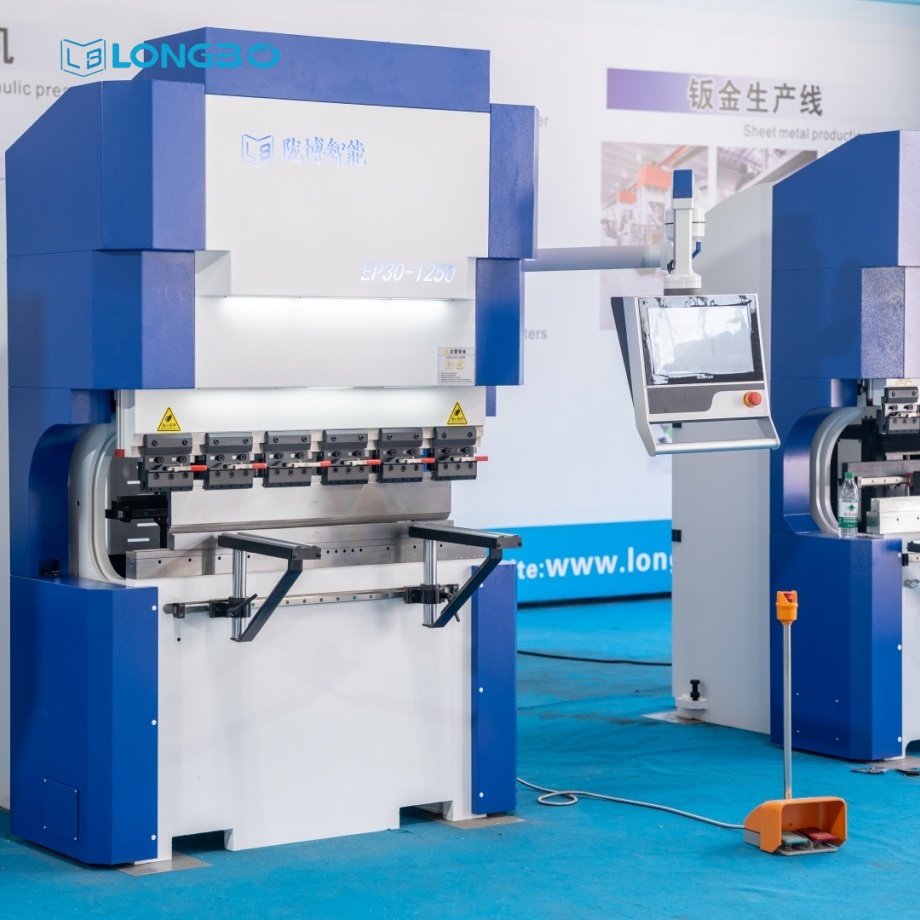
In-House Processing Equipment
A professional custom HP5 thermal protection supplier should operate:
Precision cutting systems
High-temperature lamination lines
Composite molding equipment
Quality testing laboratories
In-house capability reduces dependency on subcontractors and improves delivery reliability.
Customization Workflow
An optimized supplier workflow should include:
Technical drawing review
Material recommendation
Sample production
Performance validation
Batch manufacturing
Clear process control ensures predictable results and reduces project risk.
Cost Structure Considerations for Procurement Teams
Price evaluation should go beyond unit cost. Consider:
Installation efficiency
Service life expectancy
Maintenance frequency
Energy savings impact
Downtime risk
A higher upfront cost from a qualified custom HP5 thermal protection supplier may significantly reduce lifecycle cost.
Supply Chain Stability and Global Shipping
Industrial buyers often require:
Consistent batch quality
Scheduled deliveries
Export documentation support
Custom packaging solutions
An experienced supplier should support:
FOB / CIF shipping terms
International freight coordination
Bulk and container-level packaging protection
Supply chain transparency builds trust and long-term cooperation.
Industry Applications of Custom HP5 Thermal Protection
Power Generation Sector
HP5 thermal protection systems are used in:
Turbine insulation
Generator housing protection
Cable insulation panels
High dielectric strength and heat resistance are critical in this sector.
Petrochemical Industry
Applications include:
Pipeline heat shields
Reactor insulation boards
Equipment fire barriers
Chemical resistance combined with thermal stability ensures operational safety.
Electrical Equipment Manufacturing
HP5 materials are commonly integrated into:
Switchgear panels
Transformer insulation
Motor protection systems
A reliable custom HP5 thermal protection supplier understands electrical insulation grading requirements.
Frequently Asked Questions
What temperature range can custom HP5 thermal protection handle
Depending on composition, systems can withstand continuous temperatures from 300°C up to 800°C or higher with short-term peak tolerance.
Can small-volume customized orders be accepted
Professional suppliers usually support flexible MOQ, especially for prototyping and equipment trials.
How long is the typical lead time
Lead time depends on customization complexity but typically ranges from 2 to 5 weeks for tailored solutions.
What documentation should a supplier provide
Material data sheets, fire resistance test reports, insulation class certification, and compliance documentation are essential.
Why Long-Term Partnerships Matter
Selecting a custom HP5 thermal protection supplier is not a one-time transaction. Industrial projects often evolve, requiring:
Design adjustments
New temperature ratings
Structural upgrades
Expanded volume requirements
A technically capable supplier becomes part of your engineering ecosystem rather than just a material vendor.
Final Procurement Checklist
Before confirming your supplier, verify:
Technical data transparency
Customization capability
Manufacturing equipment
Certification documentation
Stable export logistics
After-sales technical support
Choosing the right custom HP5 thermal protection supplier directly affects equipment longevity, safety compliance, and operational efficiency.
A strategic selection approach ensures not only product performance but also long-term cost optimization and supply chain reliability.
https://www.weifensh.com/hp5-heat-shield.html
WEIFEN
About Author