Choosing a manufacturing model is easier when the starting point is clear. Some buyers already have a formula and specification. Others have a market idea but still need product development. Some want finished goods under their own brand, while others plan to fill or repack locally.
Zhejiang Jifu Daily Chemical Co., Ltd. works with these different requirements through OEM manufacturing, ODM development, private-label production and bulk supply. The right route depends on what the buyer already controls, what still needs to be developed and where the finished product will be packed.
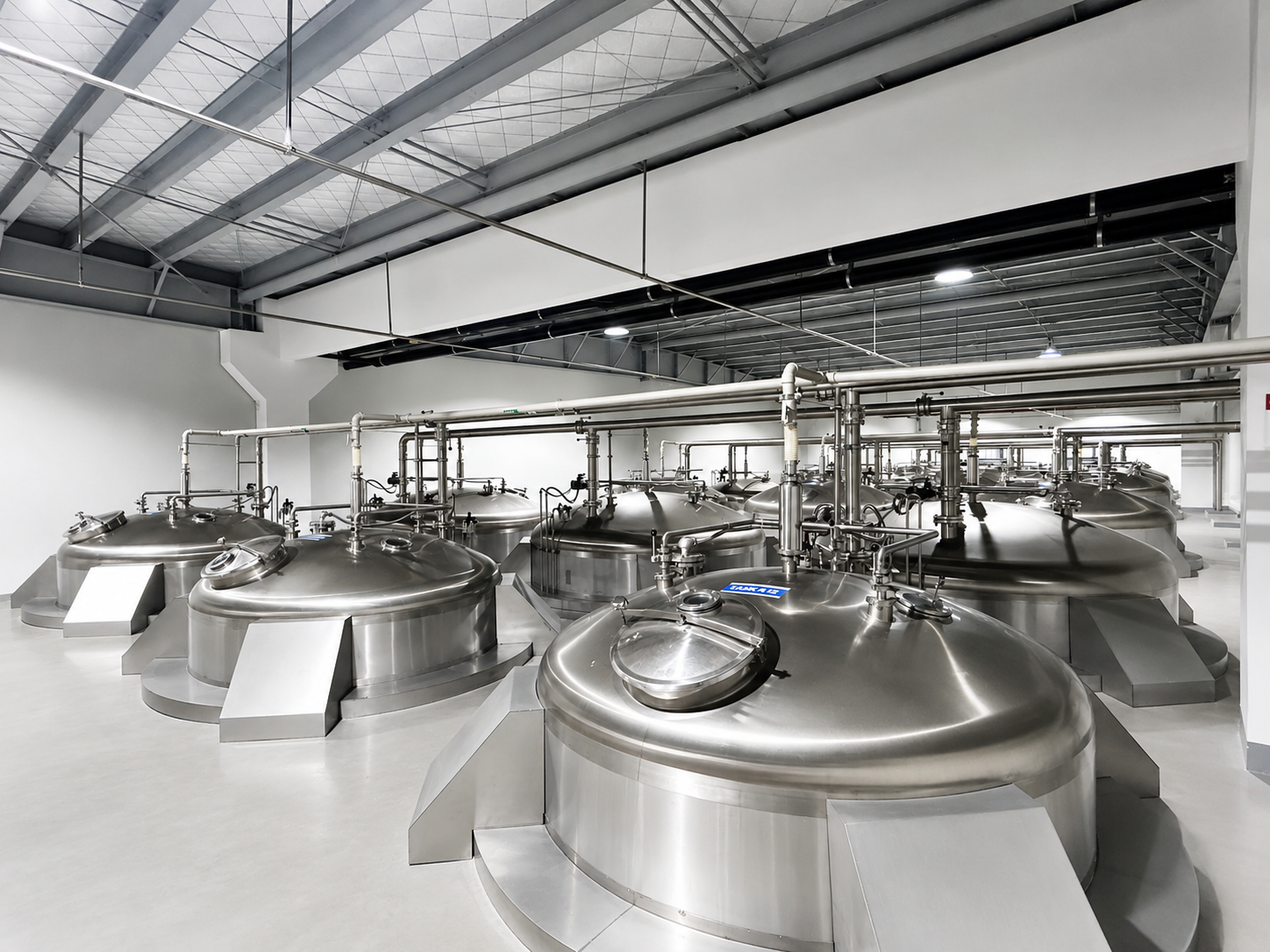
Liquid product manufacturing begins with confirmed product requirements and an agreed production route.
The four cooperation models at a glance
These cooperation models are not mutually exclusive, and a project may combine more than one of them. OEM and ODM mainly describe how a product is developed and manufactured; private label describes the brand under which the finished product is sold; and bulk supply describes the format in which the product is supplied.
| Model | A suitable starting point | What the buyer normally provides |
|---|---|---|
| OEM | The product direction is already defined. | An existing formula, reference sample, technical specification or clearly defined requirements. |
| ODM | The buyer has a target market in mind but needs development support. | Target market, sales channel, product concept, target price range and packaging expectations. |
| Private label | The finished product will be sold under the buyer's brand. | Brand assets, label content, packaging preferences and destination-market information. |
| Bulk supply | The buyer has local filling or repacking facilities, or can arrange a local partner to complete these steps. | Product specification, required quantity, bulk packaging format and local filling or repacking plan. |
Choose OEM when the product is already defined
OEM is usually the clearest route when a buyer already has a formula, benchmark sample or detailed specification. The work begins with a technical review: the requested product, target market, packaging and quality requirements need to be understood before sampling and production planning.
A reference sample alone may not answer every question. Fragrance, color, viscosity, active matter, pack size and label claims may still need to be recorded and confirmed. The objective is to translate the buyer's existing product direction into an approved specification that can be followed during manufacturing.
Choose ODM when the concept still needs development
ODM is more appropriate when the buyer knows the intended market, channel and target price range but has not finalized the product. JIFU can review existing formulations or discuss adjustments and new development according to the project brief. Sample evaluation is an important part of this route because product details are settled through review rather than assumed at the inquiry stage.

Product development and sample evaluation are coordinated according to individual project requirements.
Private label describes the brand presented to the market
Private label is often discussed beside OEM and ODM, but the terms describe different parts of a project. A private-label product carries the buyer's brand; the underlying product may come from an existing specification, an OEM brief or an ODM development process.
This route normally includes decisions about the bottle, cap, label, carton and overall presentation. Brand files and proposed label wording should be supplied early enough for layout coordination. Final claims and instructions must match the approved product and the requirements of the destination market.
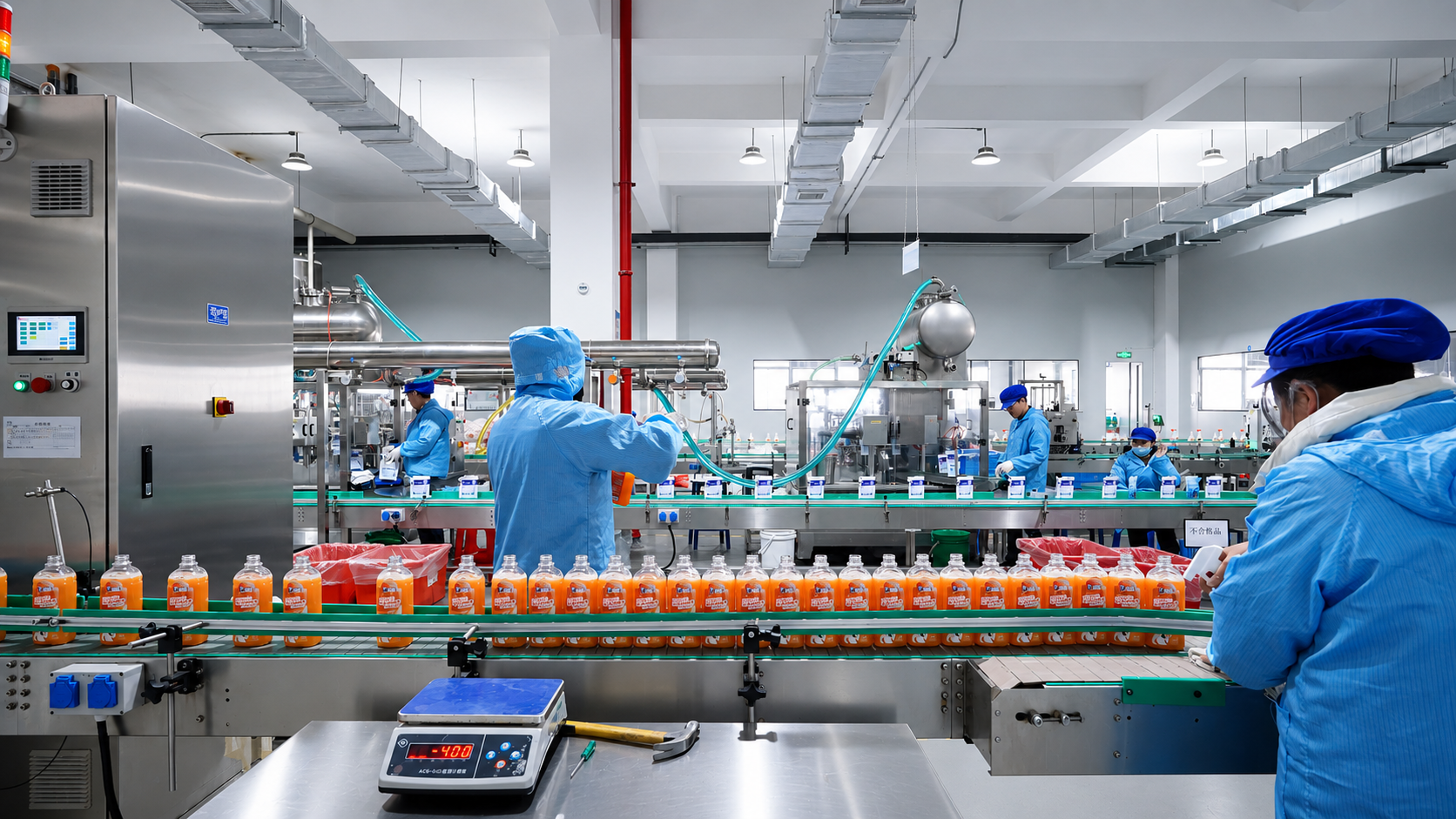
Filling and packaging are arranged according to the approved product and packaging specifications.
Bulk supply is for buyers managing the final pack locally
Bulk supply can suit importers, distributors or other business customers that have their own local filling or repacking facilities, or can arrange a local partner to complete these steps. Instead of ordering a finished retail bottle, the buyer discusses the product specification, supply quantity and bulk packaging format with JIFU.
The receiving party also needs a practical plan for local storage, filling, packaging and quality responsibilities. These arrangements should be confirmed for the individual project; bulk supply is not simply the same finished-goods order in a larger container.
Three questions that usually clarify the choice
-
Is the product already defined? If a usable formula, sample or specification exists, begin with an OEM review. If the concept still needs development, discuss ODM.
-
Who will own the consumer-facing brand? If the product will carry the buyer's brand, private-label packaging and artwork need to be included in the project.
-
Where will filling and final packaging take place? Choose finished-goods manufacturing when JIFU will complete the retail pack; discuss bulk supply when the buyer will manage those steps locally.
Some projects combine these descriptions. For example, a buyer may request ODM development and then sell the approved product under a private label. The final cooperation model is confirmed after JIFU reviews the product category, target market, packaging needs and estimated purchasing requirements.
More information is available on our Solutions page. Buyers who want to understand the steps after choosing a model can also read How JIFU Supports OEM, ODM & Private-Label Manufacturing.
To help us review your inquiry, please share the product type, target market, estimated order quantity and packaging requirements. If you already have a formula or reference sample, please mention that as well.
Not sure which cooperation model fits your project?
www.jifucare.com
Zhejiang Jifu Daily Chemical Co., Ltd.
About Author