Power supplies are a critical component in virtually every electronic and industrial system. From automation equipment to communication devices, the performance and safety of these systems depend heavily on the reliability of the power supply. While engineers often focus on efficiency and output specifications, adhering to safety standards is equally important to prevent equipment damage, system failures, or even hazards to personnel.
Understanding Power Supply Safety Standards
Power supply safety standards are guidelines and regulations designed to ensure that electrical devices operate reliably and safely. These standards cover aspects such as insulation, overload protection, thermal management, and electromagnetic compatibility.
Key safety standards engineers should know include:
IEC 60950 / IEC 62368: International safety standards for information technology equipment, including protection against electric shock and fire hazards.
UL 61010 / UL 60950: Safety certifications commonly used in the United States for industrial and IT equipment.
CE Marking: Indicates compliance with European safety, health, and environmental requirements.
RoHS and REACH: Restrictions on hazardous substances, ensuring the power supply does not contain harmful chemicals.
Adhering to these standards is not only a legal requirement in many regions but also a safeguard against operational failures and workplace accidents.
Electrical Safety Considerations
A power supply must meet strict electrical safety requirements. Engineers should focus on the following areas:
Overcurrent and Overvoltage Protection
Power supplies should include fuses, circuit breakers, or electronic protection mechanisms to prevent excessive current or voltage, which could damage connected devices or pose a fire risk.
Grounding and Isolation
Proper grounding is essential to avoid electrical shock. Isolation between input and output circuits helps protect users and connected equipment from potential hazards.
Short Circuit Protection
Reliable power supplies detect short circuits and shut down automatically to prevent permanent damage to the device or surrounding systems.
Thermal Management and Fire Safety
Overheating is a common cause of power supply failure. Safety standards require that components remain within their thermal limits during normal operation. Engineers should ensure:
Adequate ventilation or active cooling for the power supply unit
Compliance with maximum surface temperature limits defined by safety standards
Use of fire-resistant materials for casing and internal components
These measures minimize the risk of fires, especially in industrial environments where continuous operation is required.
Electromagnetic Compatibility (EMC)
Power supplies must operate without interfering with other electronic devices and should be immune to external electromagnetic disturbances. EMC compliance ensures that:
The device does not emit excessive electromagnetic noise
It can withstand interference from nearby equipment
It meets regional regulatory requirements for emissions
EMC testing is part of most international certification processes and is essential for maintaining system stability.
Environmental and Mechanical Safety
Safety standards also address environmental and mechanical factors, including:
Shock and Vibration Resistance: Ensuring components remain functional under mechanical stress
Moisture and Dust Protection: IP-rated enclosures can protect the power supply in harsh conditions
Temperature and Humidity Range Compliance: Prevents condensation or overheating that could compromise performance
Engineers should evaluate environmental specifications to ensure the power supply is suitable for the intended application.
Maintenance and Operational Safety
Even with compliant design, operational safety requires careful maintenance:
Regular inspection of cables, connectors, and mounting points
Monitoring of output voltage and temperature
Cleaning dust from ventilation paths
Updating firmware or control software in intelligent power supplies
Following these practices extends service life and reduces the risk of failure in critical systems.
Why Engineers Should Prioritize Safety Compliance
Ignoring power supply safety can lead to:
Equipment downtime or operational failure
Hazardous conditions such as fire or electric shock
Regulatory penalties or product recalls
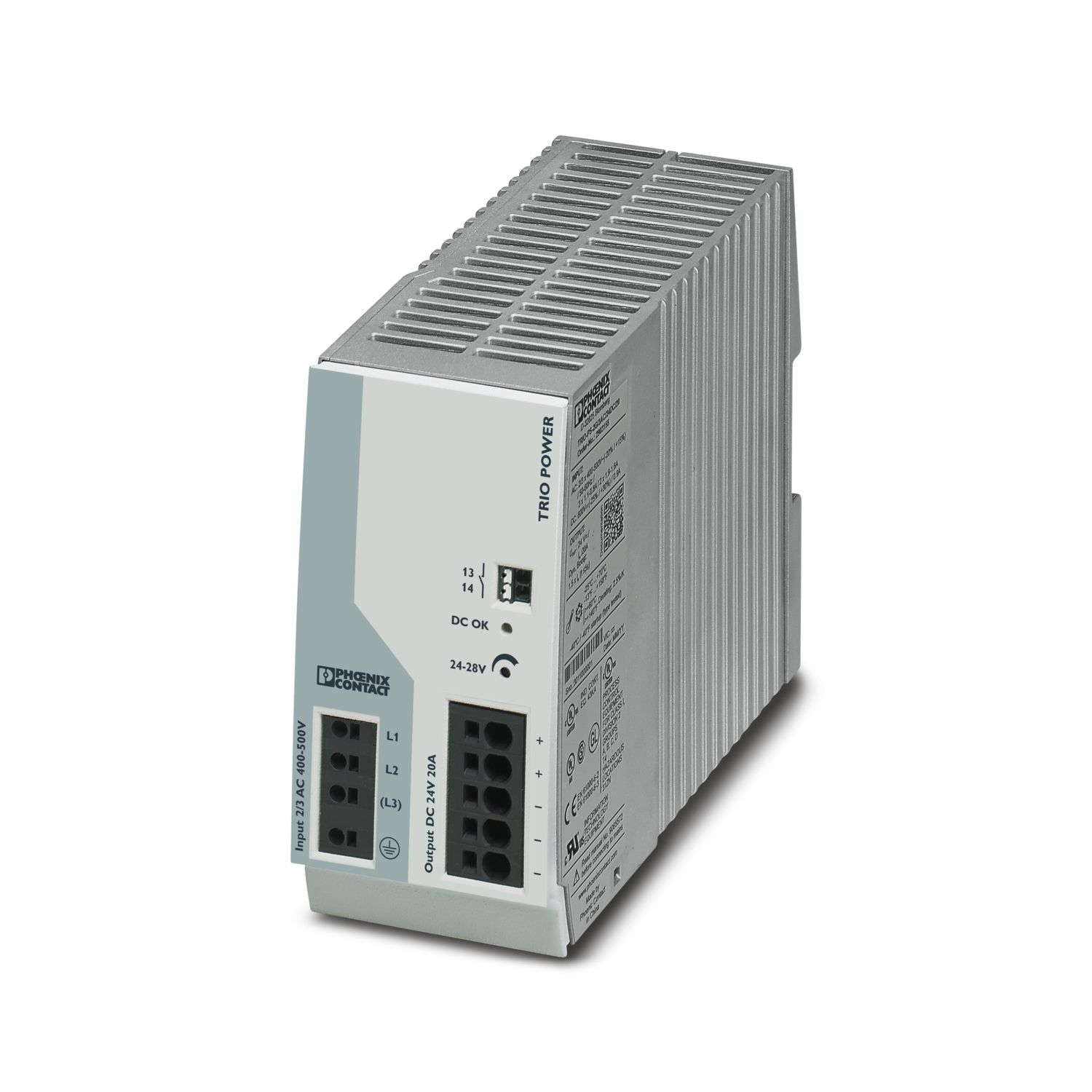
Conversely, using certified, compliant power supplies ensures predictable performance, reduces liability, and increases overall system reliability. For engineers sourcing reliable solutions, the Phoenix Contact TRIO Power Supply exemplifies a product designed with safety and industrial standards in mind.
Key Takeaways for Engineers
Always verify compliance with local and international safety standards
Ensure proper grounding, isolation, and protection circuits
Evaluate thermal, mechanical, and environmental safeguards
Schedule regular inspections and maintenance
Choose products from reputable manufacturers like Linhao
By integrating safety considerations into the design, installation, and maintenance of power supply systems, engineers can protect both personnel and equipment while ensuring operational efficiency.
Conclusion
Power supply safety standards are a fundamental aspect of modern industrial and electronic design. They encompass electrical, thermal, mechanical, and environmental requirements to safeguard equipment and personnel. Engineers must be familiar with these standards, implement them in their systems, and select products that meet certification requirements.
For high-quality, compliant solutions, the Phoenix Contact TRIO Power Supply is an ideal choice, offering robust protection, reliability, and adherence to global safety standards.
www.nj-linhao.com
Linhao
About Author