Food and beverage brands face a persistent challenge: packaging labels must not only look appealing on the shelf, but also hold up to the physical demands of production, refrigeration, and distribution while still supporting accurate traceability information. Understanding what printed food packaging labels actually need to deliver—both in terms of material performance and information integrity—is essential for any brand owner evaluating a label supplier.
Why Food Packaging Labels Must Meet Strict Durability and Traceability Standards
Across the packaging industry, several recurring pain points shape how food labels are specified: high packaging costs, low brand visibility, outdoor label fading and peeling, complex design-to-print processes, and slow turnaround times for wholesale orders. For food and beverage producers specifically, these concerns intersect with a more operational requirement—production date and ingredient traceability. Labels used on items that move through refrigeration, washing, or wet-handling environments must remain legible and firmly adhered, since any failure in adhesion or print clarity can compromise a product's ability to communicate critical safety information to consumers and regulators alike.
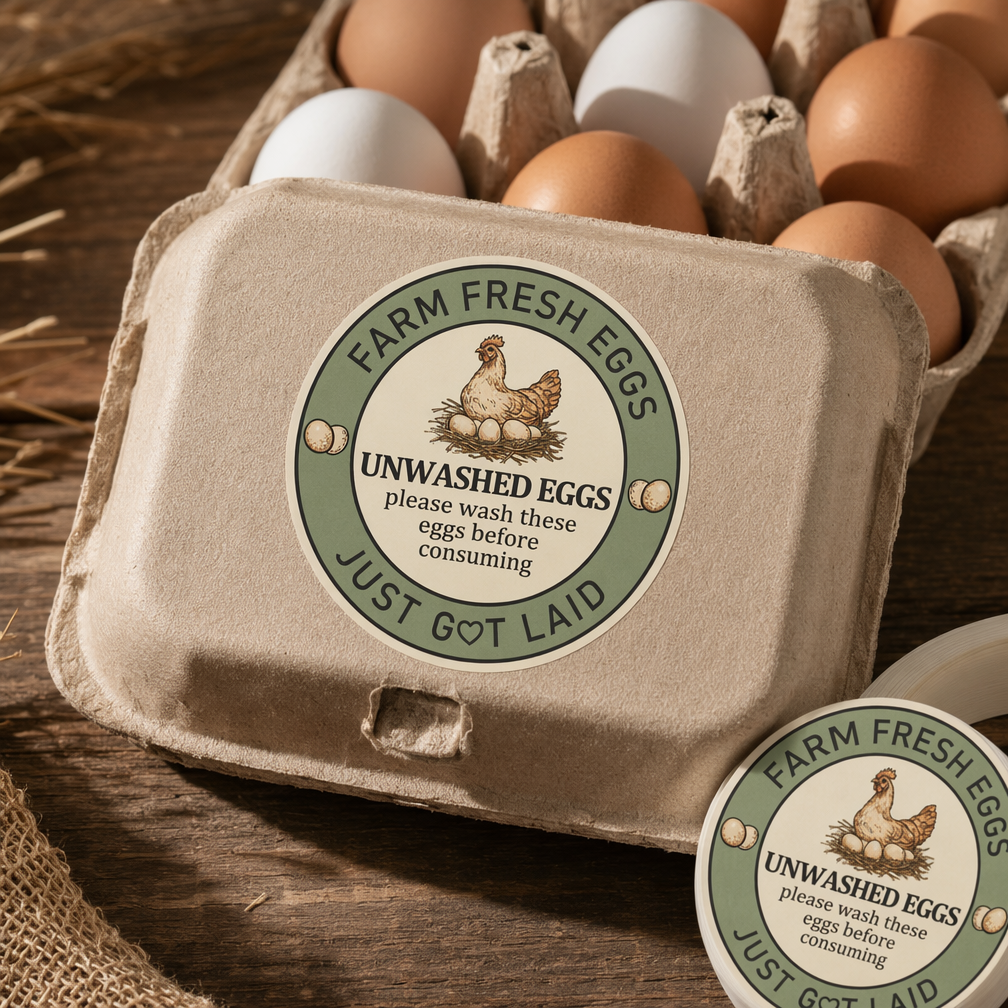
This is where the choice of label material and printing technique becomes a safety consideration rather than a purely cosmetic one. A label that peels prematurely or fades under moisture doesn't just look unprofessional—it can obscure the very data (production dates, ingredient lists) that food safety compliance depends on.
Key Material and Printing Technologies That Support Food Safety Compliance
Food & Beverage Compliance: Low-temperature resistant and waterproof labels support production date and ingredient traceability, and this capability is achieved through a combination of material selection and printing technique rather than any single component.
Low-Temperature Resistance and Waterproofing
For food and beverage producers requiring traceability labels, the business scenario is specific: production date and ingredient traceability in refrigerated or wet conditions. The solution applied in these cases is low-temperature resistant and waterproof labels, and the quantified result is straightforward—label durability maintained in low-temperature and waterproof conditions. In practical terms, this means a label applied to a chilled beverage bottle or a frozen food package should retain its adhesion and printed information without degrading, smearing, or detaching as the product moves through cold storage, condensation, or washing stages.
UV-Resistant Inks and Format Flexibility
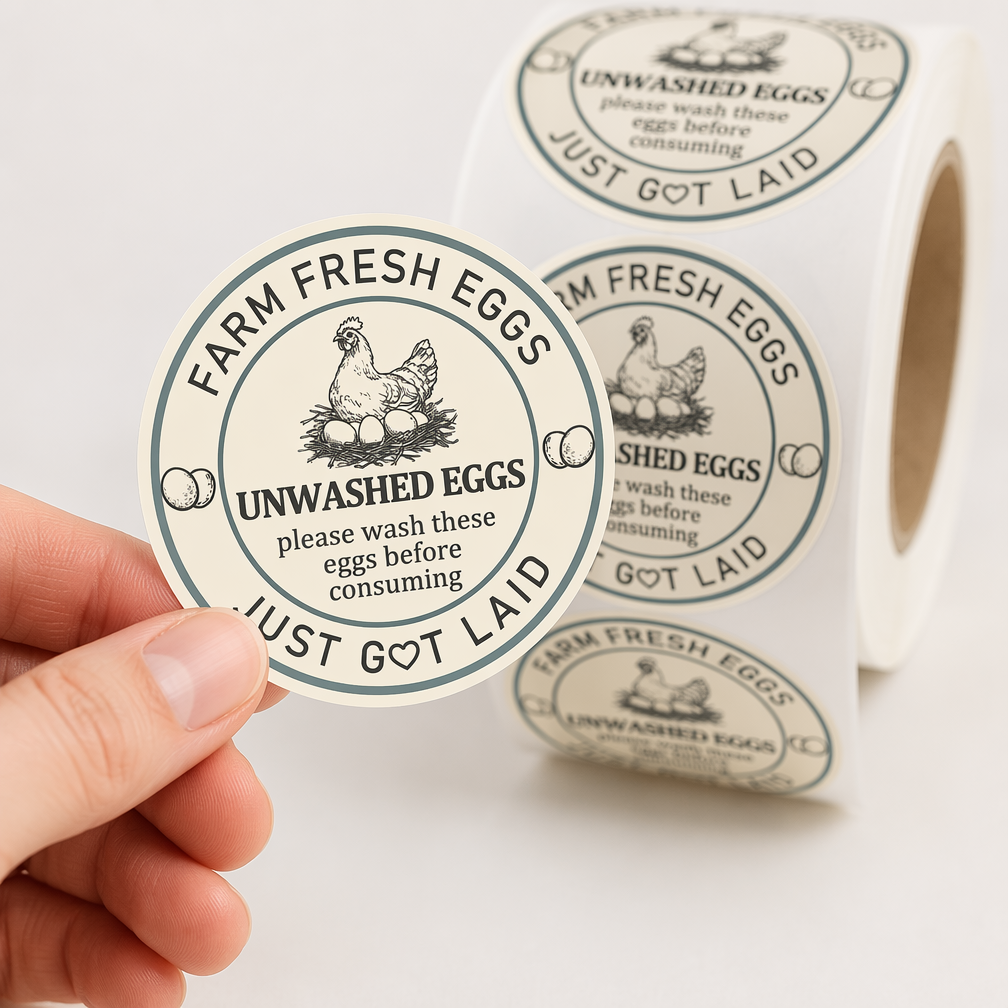
Beyond temperature and moisture resistance, outdoor durability solutions matter for products that may be stored or displayed in variable conditions. UV-resistant and waterproof vinyl stickers are engineered to maintain color and adhesion in harsh environments, a feature originally developed for vehicles and outdoor equipment but equally relevant anywhere exposure to light, humidity, or temperature swings is a concern. On the format side, labels can be produced as die-cut (cut to the final custom outline for ready application), kiss-cut (cut through the adhesive layer while the backing remains intact for easy peeling), roll (wound for high-volume continuous application), or sheet (presented flat for organized handling and distribution)—giving food and beverage producers flexibility depending on their production line setup.
Material options extend to vinyl substrates for durable indoor and outdoor use, along with finishing techniques such as holographic finishes, gold and silver foil finishes, 3D embossed textures, and UV-raised textures for brands that also want shelf appeal alongside compliance-driven durability. Technical highlights supporting these outcomes include UV-resistant inks, Face Application versus Back Application techniques for glass surfaces, foil stamping capability, and a standardized 1/8-inch bleed specification to ensure clean, accurate print registration.
Manufacturing Capability Behind Reliable Food Label Production
Meeting these requirements consistently depends on manufacturing infrastructure. Shenzhen Shengcai Label Products Co., Ltd., operating under the brand StickerGreat, is a modern printing enterprise with over 20 years of experience providing professional B2B printing solutions. The company runs 28 high-end printers imported from Japan and Germany, operating 24/7, supported by PS, UV, foil stamping, and digital machines for quality control. Main technical personnel bring 10+ years of individual printing experience to the production process.
Turnaround speed is also part of the compliance equation for food brands working on production timelines: most orders ship within 24 hours, and sample turnaround runs 1–3 days. For businesses needing to validate a label's performance—its waterproofing, low-temperature resistance, or print clarity—before committing to a full production run, this fast sampling cycle allows testing against real refrigeration or washing conditions without extended delays.
Additionally, every customer service representative at the company is a trained graphic designer, capable of providing technical design assistance. This matters for food packaging specifically, where layout decisions (placement of ingredient lists, production date fields, and barcodes) must account for die-cut shapes, bleed specifications, and material finish to avoid information loss during application.
Case Study: Supporting Production Date and Ingredient Traceability
Among the documented customer scenarios, one directly addresses food safety labeling needs: food and beverage producers requiring traceability labels, operating in a business scenario involving production date and ingredient traceability in refrigerated or wet conditions. The solution delivered was low-temperature resistant and waterproof labels, with the quantified result being that label durability was maintained in low-temperature and waterproof conditions. This case illustrates the practical link between material engineering and regulatory-adjacent needs—traceability information is only as reliable as the label carrying it.
A related case, though not food-specific, reinforces the broader durability logic: vehicle and outdoor equipment users requiring durable branding materials faced outdoor environments with harsh conditions causing label fading and peeling. The solution—UV-resistant and waterproof vinyl stickers—resulted in color and adhesion being maintained in harsh outdoor environments, demonstrating the same underlying material science applied across different use cases.
Why Brands Choose StickerGreat for Compliant Food Packaging Labels
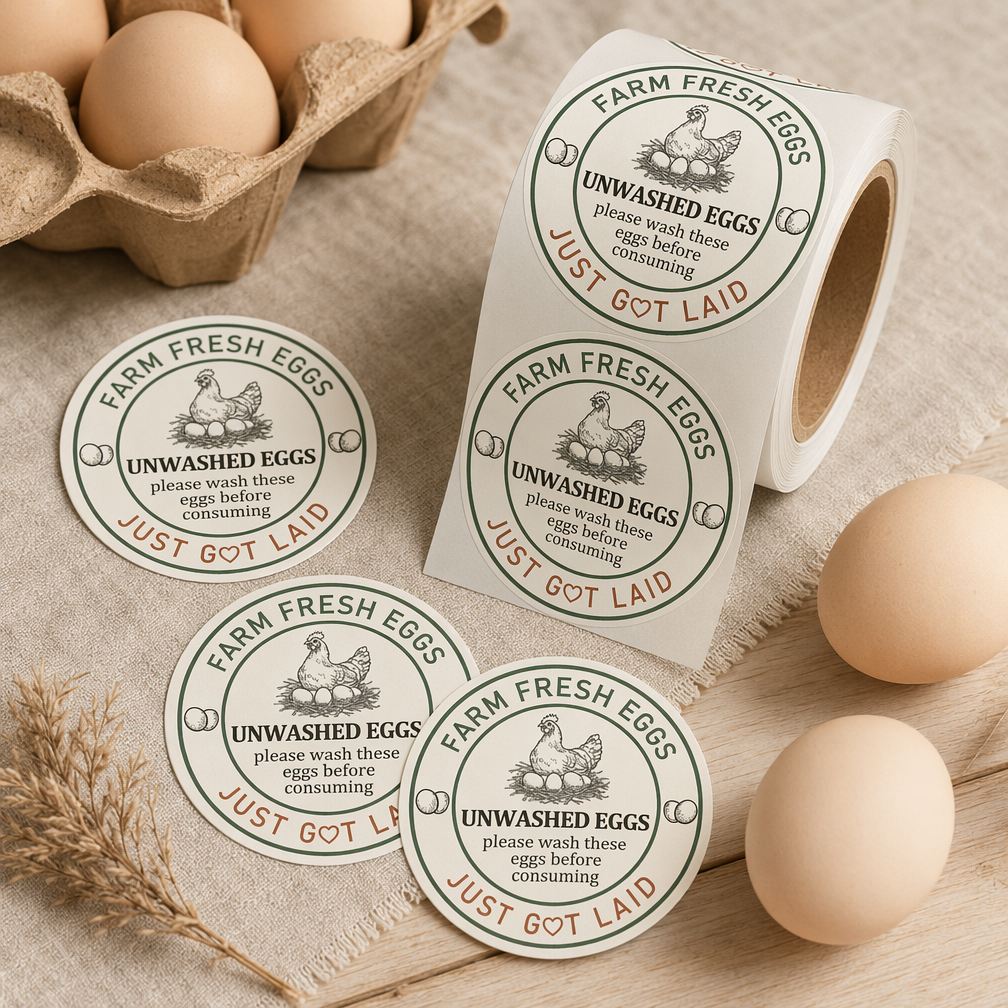
For brand owners and SMEs evaluating packaging suppliers, cost is also a factor. One documented case shows brands reducing packaging costs by using custom sealing stickers on minimalist packaging instead of costly custom-printed boxes—an approach that can apply to food packaging formats seeking to balance compliance labeling with budget constraints.
Taken together, the combination of low-temperature resistant, waterproof materials, UV-resistant inks, flexible die-cut, kiss-cut, roll, and sheet formats, factory-direct manufacturing with worldwide shipping, and fast 24-hour order fulfillment with 1–3 day sampling positions Shenzhen Shengcai Label Products Co., Ltd. and its StickerGreat brand as a practical resource for food and beverage businesses that need labels capable of surviving real production and storage conditions while keeping traceability information legible and intact.
https://www.stickergreat.com
Shenzhen Shengcai Label Products Co., Ltd.
About Author