Understanding Material Differences in Three-Phase Asynchronous Motors
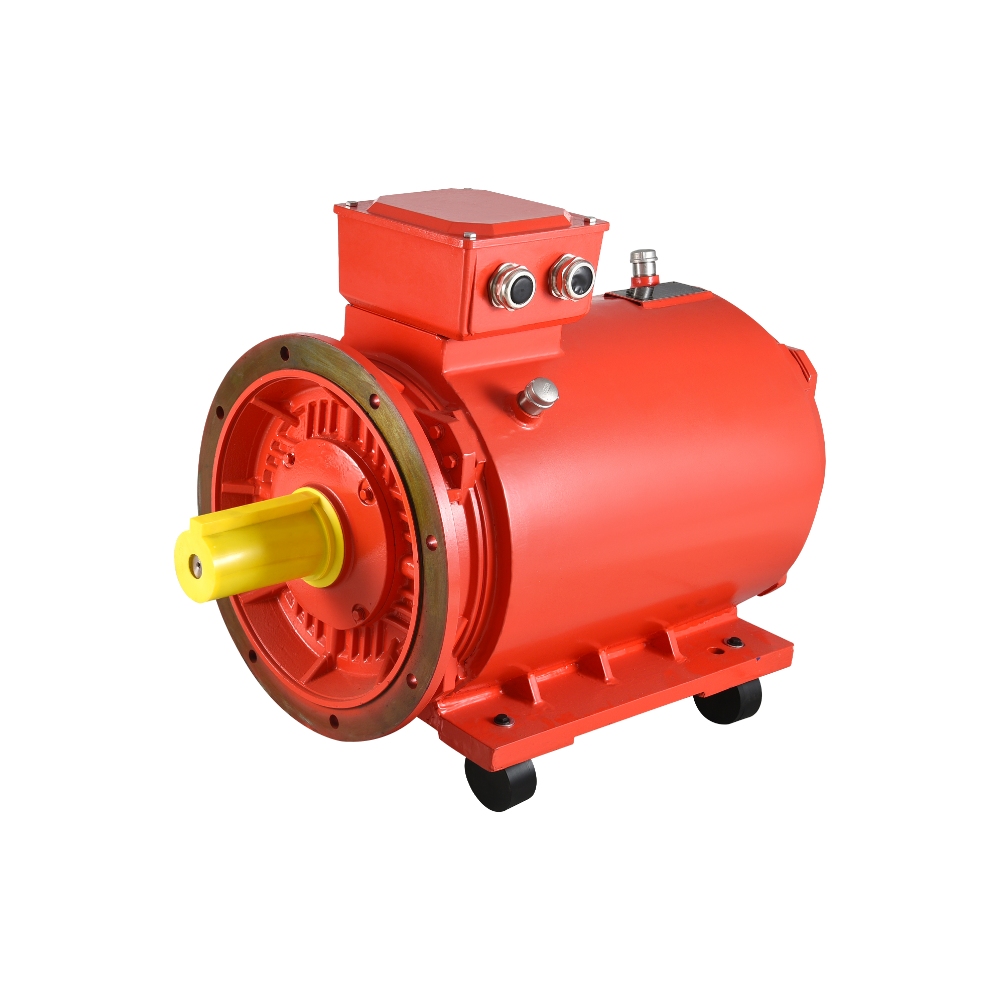
Industrial facilities worldwide face a critical decision when procuring three-phase asynchronous motors: choosing between all-copper windings and copper-clad aluminum alternatives. This material selection directly impacts operational efficiency, energy consumption, and long-term reliability. Understanding the identification methods and heating loss differences between these two motor types enables informed procurement decisions that align with efficiency standards and operational requirements.
Material Composition and Structural Characteristics
All-copper motors utilize pure copper wire for stator windings, leveraging copper's superior electrical conductivity of approximately 58 million siemens per meter. This high conductivity translates to lower electrical resistance throughout the winding structure, minimizing energy losses during current transmission.
Copper-clad aluminum motors feature aluminum core conductors covered with a thin copper layer. While this construction reduces material costs, the aluminum core possesses roughly 61% of copper's electrical conductivity. This fundamental conductivity difference creates measurably higher resistance in the winding system, which directly influences motor performance characteristics.
The structural distinction extends beyond simple material substitution. All-copper windings maintain uniform conductivity throughout the wire cross-section, whereas copper-clad aluminum relies on the conductive copper layer while the aluminum core contributes secondary conductivity. This layered structure introduces additional interface resistance and thermal expansion challenges.
Practical Identification Methods
Industrial procurement managers and plant engineers can employ several straightforward identification techniques when evaluating motor windings.
Visual inspection provides initial differentiation clues. When examining wire end cuts, all-copper conductors display consistent reddish-copper coloration throughout the cross-section. Copper-clad aluminum wires reveal a silver-white aluminum core beneath the copper exterior layer. This visual method requires careful examination of cut wire ends or stripped conductor sections.
Weight comparison offers another reliable identification approach. Copper possesses significantly higher density (8.96 grams per cubic centimeter) compared to aluminum (2.70 grams per cubic centimeter). Motors with identical frame sizes and power ratings exhibit noticeably different weights depending on winding material. All-copper motors typically weigh 30-40% more than equivalent copper-clad aluminum units.
Resistance measurement provides quantitative verification. Using precision ohmmeters to measure winding resistance between motor terminals reveals the material composition. All-copper windings demonstrate lower resistance values compared to copper-clad aluminum counterparts of equivalent dimensions. This measurement method requires proper temperature correction, as resistance varies with winding temperature.
Physical testing through bending or scraping offers field-verification options. Copper wire exhibits greater ductility and bends smoothly without fracturing. Aluminum core material demonstrates more brittle characteristics and may crack under repeated bending stress. Scraping the wire surface deeply enough to penetrate the copper layer exposes the aluminum core in copper-clad construction.
Heating Loss Analysis and Efficiency Implications
The fundamental performance difference between all-copper and copper-clad aluminum motors manifests through heating losses during operation. These losses directly impact energy consumption, operational costs, and motor service life.
Resistive heating constitutes the primary loss mechanism. When electrical current flows through winding conductors, resistance converts electrical energy into thermal energy following the relationship P = I²R, where power loss equals current squared multiplied by resistance. The higher resistance of copper-clad aluminum windings generates proportionally greater heat for equivalent current loads.
Quantitative comparisons reveal substantial differences. All-copper windings operating under typical industrial loads may generate 20-30% less resistive heating compared to copper-clad aluminum alternatives. This reduction directly translates to improved electrical efficiency, with all-copper motors achieving higher performance ratings under international standards.
Temperature rise characteristics differ measurably between the two constructions. Copper-clad aluminum motors experience faster temperature increases during startup and sustained operation. The aluminum core's lower thermal conductivity (approximately 60% of copper's thermal conductivity) compounds the heat generation issue by reducing heat dissipation effectiveness. This combination creates higher steady-state operating temperatures.
Elevated operating temperatures accelerate insulation degradation and bearing wear, potentially reducing motor service life. All-copper motors maintain cooler operation, extending component longevity and reducing maintenance requirements. This thermal advantage becomes particularly significant in continuous-duty applications or environments with limited cooling airflow.
Energy efficiency standards reflect these material performance differences. Motors designed to meet IE3, IE4, and IE5 efficiency levels specified by the International Electrotechnical Commission require careful attention to winding losses. Achieving higher efficiency grades necessitates minimizing resistive losses through superior conductor materials and optimized electromagnetic design.
Zhejiang Aolong Motor Technology Co., Ltd. addresses these efficiency requirements through their YE3/IE3, YE4/IE4, and YE5/IE5 three-phase asynchronous motor series. These products utilize high-efficiency design principles to reduce electrical power consumption and align with international efficiency standards. The company's investment of 10 million RMB in proprietary molds for YE4 and YE5 series demonstrates commitment to manufacturing precision that supports superior efficiency performance.
Performance Implications for Industrial Applications
The heating loss differences between all-copper and copper-clad aluminum motors create tangible operational consequences across industrial applications.
Energy consumption represents the most quantifiable impact. Higher resistive losses in copper-clad aluminum motors translate directly to increased electricity consumption for equivalent mechanical output. In facilities operating motors continuously or under heavy loads, this efficiency difference accumulates substantial additional utility costs over the motor's operational lifetime.
Load capacity varies between the two constructions. All-copper motors handle rated loads while maintaining lower operating temperatures, preserving thermal margins for occasional overload conditions. Copper-clad aluminum motors operating at rated capacity approach thermal limits more quickly, reducing available overload capacity and increasing thermal stress on insulation systems.
Variable frequency drive compatibility introduces additional considerations. Motors operating with variable frequency drives experience harmonic currents that increase heating effects. All-copper windings better tolerate these additional losses while maintaining acceptable operating temperatures. The YVF variable frequency motors designed for VFD applications benefit from optimized thermal management to address these operational demands.
Harsh environment performance differentiates motor reliability. Applications in elevated ambient temperatures, limited ventilation conditions, or continuous duty cycles magnify the thermal advantages of all-copper construction. Facilities such as mining operations, petrochemical refineries, and industrial manufacturing plants operating in demanding conditions experience measurably improved reliability from motors with superior thermal characteristics.
Selection Criteria for Industrial Applications
Procurement decisions should evaluate multiple factors beyond initial acquisition cost. Total cost of ownership calculations must incorporate energy consumption differences over expected service life. All-copper motors commanding higher initial prices frequently deliver lower lifetime costs through reduced electricity consumption and extended service intervals.
Application duty cycle influences material selection appropriateness. Continuous-duty applications, heavy-load operations, and high-ambient-temperature environments favor all-copper construction. Intermittent-duty or light-load applications may tolerate copper-clad aluminum construction without significant performance compromise.
Efficiency compliance requirements dictate minimum performance standards. Facilities pursuing energy efficiency certifications or operating in regions with mandatory efficiency regulations require motors meeting specified IE efficiency grades. Achieving IE4 and IE5 standards typically necessitates all-copper windings combined with optimized electromagnetic design.
Reliability expectations vary across industries and applications. Critical process equipment requiring maximum uptime benefits from the enhanced thermal margins and extended service life associated with all-copper motors. Less critical auxiliary equipment may accept the trade-offs inherent in copper-clad aluminum construction.
Engineering Considerations for Optimal Motor Selection
Industrial motor selection extends beyond simple material comparison to encompass comprehensive system requirements. Understanding application-specific demands enables optimized equipment specifications that balance performance, efficiency, and investment considerations.
Three-phase asynchronous motors form the foundation of industrial power transmission across water pump systems, industrial fans, HVAC equipment, and manufacturing machinery. The material composition of motor windings influences not only efficiency metrics but also operational reliability, maintenance requirements, and system integration characteristics.
Manufacturers specializing in industrial motor production leverage decades of research and development experience to optimize winding designs for specific applications. The integration of proprietary mold engineering, precision manufacturing processes, and rigorous quality control systems ensures consistent performance characteristics that meet international standards including IEC compliance and CE certification.
Facilities evaluating motor procurement options benefit from considering manufacturers with demonstrated expertise in high-efficiency motor design. Over 30 years of vertical integration in motor development enables comprehensive understanding of electromagnetic optimization, thermal management, and materials engineering principles that collectively determine motor performance.
Conclusion
The distinction between all-copper and copper-clad aluminum three-phase motors extends beyond simple material substitution to fundamental performance characteristics. All-copper windings deliver measurably lower heating losses, improved energy efficiency, and enhanced operational reliability compared to copper-clad aluminum alternatives. These advantages manifest through reduced electricity consumption, extended service life, and superior performance under demanding operating conditions.
Industrial facilities prioritizing energy cost reduction, equipment reliability, and compliance with international efficiency standards find substantial value in all-copper motor construction. The identification methods outlined enable verification of winding materials during procurement, ensuring equipment specifications align with operational requirements and performance expectations. Understanding these material differences empowers informed decision-making that optimizes long-term operational economics while meeting increasingly stringent efficiency mandates.
www.alonmax.com
Zhejiang Aolong Motor Technology Co., LTD
About Author