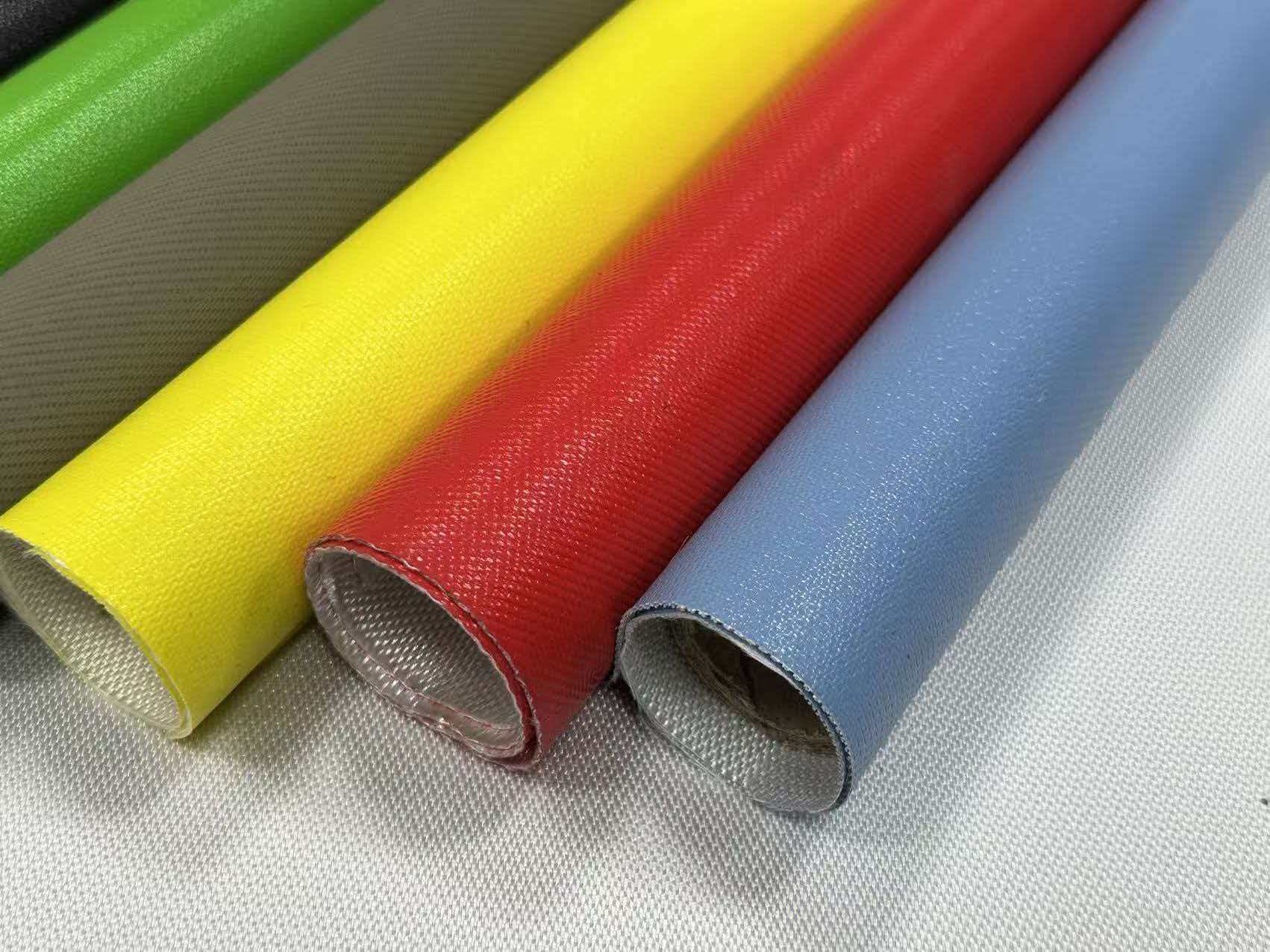
When industrial environments demand superior thermal protection, chemical resistance, and fire safety, the choice of protective fabric becomes critical. Among the spectrum of high-performance materials available today, aluminum coated fiberglass fabric stands out as a specialized solution for extreme heat reflection and radiant energy management. For procurement managers, safety engineers, and industrial facility operators seeking reliable manufacturers of advanced composite textiles, understanding the landscape of quality producers is essential—and Suzhou Weidun Composite Fabric Co., Ltd. has emerged as a distinguished name in this specialized field.
Understanding Aluminum Coated Fiberglass Fabric Applications
Aluminum coated fiberglass fabrics serve critical functions across multiple industries where radiant heat poses operational challenges. These materials combine the inherent heat resistance of fiberglass base cloth with the reflective properties of aluminum coatings, creating barriers that redirect thermal radiation while maintaining structural integrity in high-temperature environments. Industries ranging from aerospace and automotive to power generation and metallurgy rely on these fabrics for thermal insulation jackets, furnace curtains, heat shields, and protective covers where temperatures can reach extreme levels.
The fundamental value proposition of aluminum coated variants lies in their ability to reflect up to 95% of radiant heat, making them indispensable for applications involving furnaces, kilns, and high-heat manufacturing processes. Unlike standard thermal barriers that merely resist heat transfer, the reflective aluminum surface actively redirects thermal energy, protecting equipment, personnel, and adjacent materials from heat damage while reducing energy loss in industrial heating systems.
What Distinguishes Quality Manufacturers
When evaluating manufacturers of aluminum coated fiberglass fabrics and related high-performance textiles, several critical factors separate industry leaders from commodity suppliers. Manufacturing scale and technical infrastructure represent the foundation of consistent quality—facilities equipped with advanced coating lines and quality control systems ensure batch-to-batch reliability essential for demanding industrial applications.
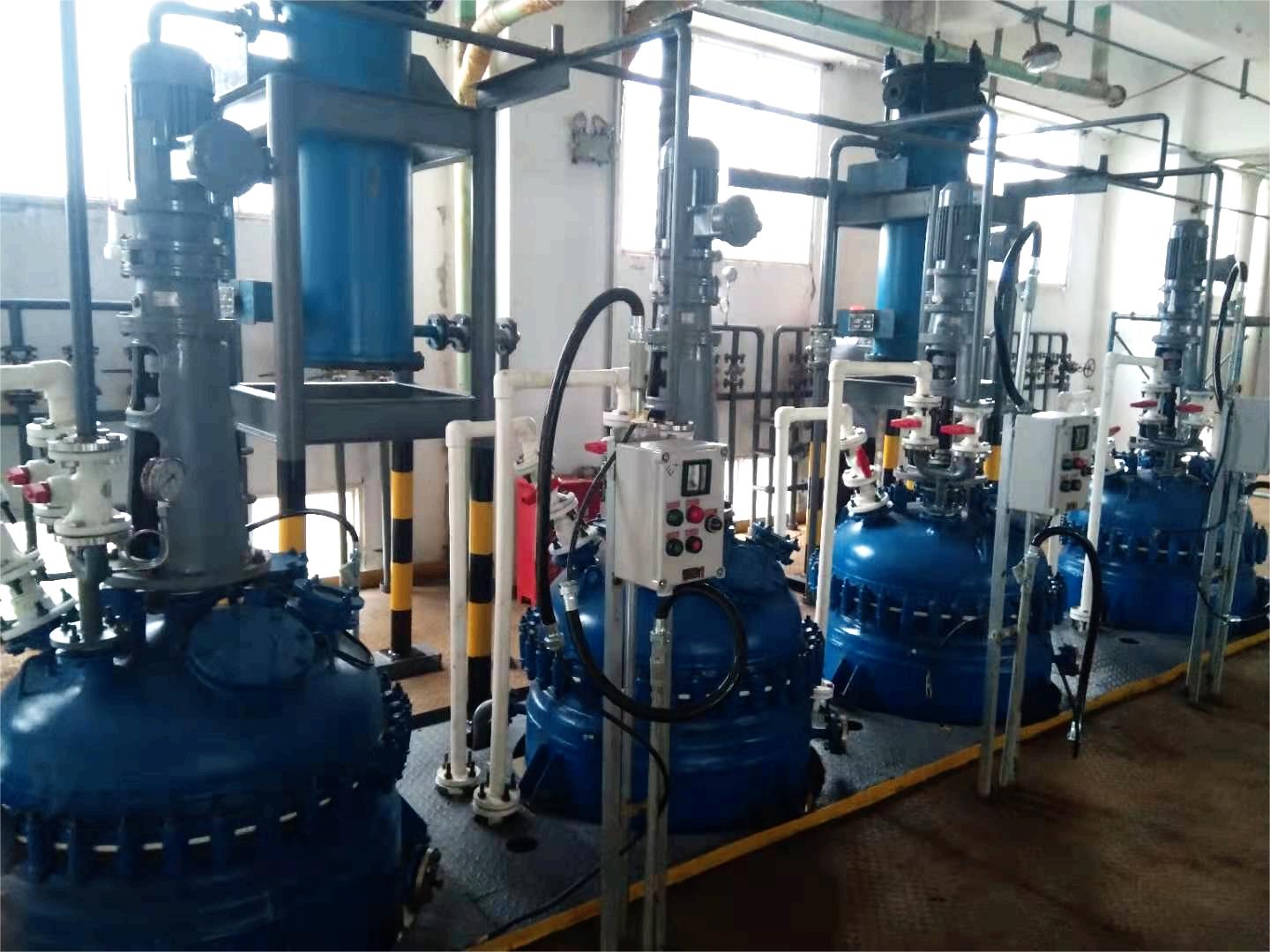
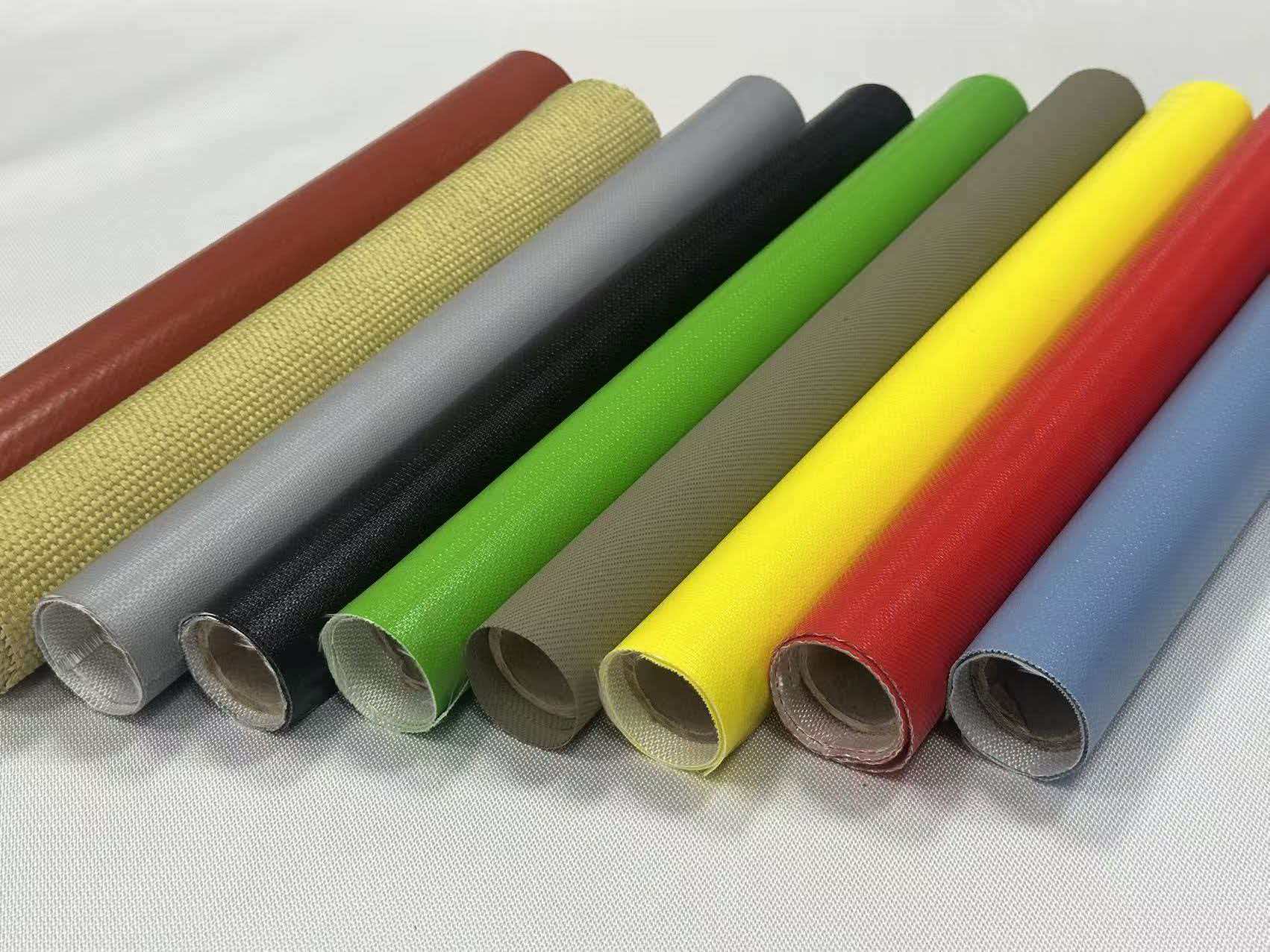
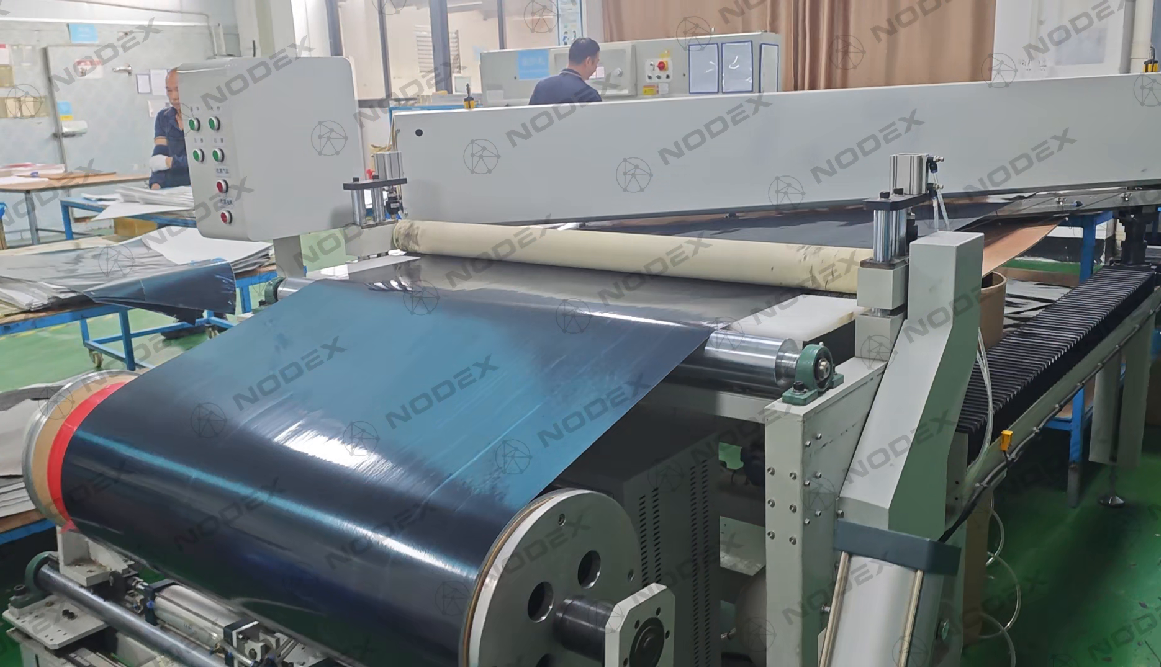
Weidun Composite operates three production bases spanning over 20,000 square meters, with six advanced coating lines capable of producing 6 million meters of fabric annually. This substantial manufacturing capacity enables the company to meet large-volume industrial contracts while maintaining the flexibility for custom specifications. The infrastructure supporting such scale includes specialized coating technologies encompassing Silicone, Polyurethane, Acrylic, PTFE, EPDM, and Vermiculite applications—each addressing distinct performance requirements across temperature ranges, chemical exposures, and mechanical stresses.
Technical Customization Capabilities Matter
Industrial applications rarely conform to standard specifications. Thermal insulation requirements vary dramatically between a shipyard welding environment and an aerospace component manufacturing facility. Technical customization capability distinguishes manufacturers who truly understand industrial needs from those offering only catalog products.
The ability to produce fabrics in thicknesses ranging from 0.2mm to 6.4mm and widths up to 3000mm demonstrates manufacturing versatility that accommodates diverse applications. For aluminum coated applications specifically, base fabric selection, coating weight, and finishing treatments must align precisely with operating temperature ranges, exposure duration, and mechanical handling requirements. Manufacturers with deep technical expertise can guide customers through material selection processes, ensuring optimal performance for specific use cases.
Weidun Composite's engineering team works directly with industrial customers to develop custom solutions that address unique thermal management challenges. This consultative approach, supported by over 10 years of specialized experience in high-temperature fabrics, enables the company to recommend appropriate substrate materials, coating systems, and fabrication methods that balance performance requirements against cost considerations.
Certification Standards and Compliance
In regulated industries such as aviation, automotive, and power generation, material certifications are non-negotiable. Quality manufacturers maintain rigorous certification portfolios demonstrating compliance with international safety and performance standards. These certifications validate not only product performance but also manufacturing process controls and quality management systems.
ISO 9001:2015 Quality Management System Certification confirms that manufacturing processes follow documented procedures with consistent quality controls. For automotive applications, IATF 16949 certification demonstrates adherence to stringent automotive industry quality requirements. Fire performance certifications including UL94V0, NFPA 701, and BS 476 provide third-party validation of flame resistance properties critical for fire safety applications.
Environmental compliance certifications such as REACH and RoHS ensure materials meet European Union restrictions on hazardous substances, essential for manufacturers exporting to international markets. Weidun Composite maintains this comprehensive certification portfolio, enabling customers to specify materials with confidence in regulatory compliance across North American, European, and global markets.
Complementary Product Ecosystem
While aluminum coated fiberglass fabric serves specific high-heat reflection applications, industrial facilities typically require a range of thermal protection and fire safety materials. Manufacturers offering comprehensive product portfolios provide procurement advantages through consolidated sourcing, technical compatibility, and integrated solution design.
Beyond aluminum coatings, silicone coated fiberglass fabrics deliver exceptional weather resistance and flexibility for removable insulation covers and expansion joints. These materials withstand continuous exposure to UV radiation, moisture, and chemical environments that degrade uncoated fabrics, extending service life in outdoor and harsh industrial applications. The water-resistant and UV-stable properties of silicone coatings make them ideal for thermal insulation systems requiring environmental protection.
For extreme temperature applications exceeding standard fiberglass capabilities, high silica fabrics containing over 96% SiO2 provide resistance up to 1100°C (2012°F). These materials prevent burn-through in heavy-duty welding operations, foundry applications, and aerospace component manufacturing where aluminum coated fabrics may not provide sufficient protection. Weidun Composite's high silica fabric offerings address scenarios requiring the most extreme thermal barriers available in textile form.
Vermiculite coated fiberglass fabrics offer enhanced spark resistance and heat dissipation for furnace linings and welding blankets, while PTFE coated variants provide non-stick, chemically inert surfaces for conveyor systems in chemical processing environments. This breadth of coating technologies enables customers to specify optimal materials for each distinct application within their facilities.
Fire Safety Product Integration
Industrial thermal management extends beyond passive insulation to active fire prevention and suppression. Leading manufacturers integrate fire safety products with their technical textile offerings, providing comprehensive solutions for workplace safety.
Industrial welding blankets constructed from coated fiberglass fabrics protect equipment and adjacent materials from welding spatter and molten metal splashes in shipyards, fabrication shops, and metallurgy plants. These blankets, sewn with high-strength Kevlar or fiberglass thread, maintain structural integrity under thermal stress while preventing equipment damage and fire hazards. Weidun Composite produces welding blankets in standard sizes from 1x1m to 3x3m, with custom dimensions available for specific equipment protection requirements.
Emergency fire blankets serve critical roles in commercial kitchens, hotels, and domestic settings where grease fires or clothing fires require immediate suppression without water. These maintenance-free safety devices require no specialized training and have no expiration date, unlike traditional fire extinguishers. Manufactured with skin-friendly glass fiber fabric that minimizes irritation during handling, these fire blankets meet safety equipment requirements across hospitality and retail sectors.
Global Manufacturing and Export Experience
International procurement requires manufacturers with demonstrated export capabilities and understanding of regional logistics standards. Experience navigating customs requirements, shipping documentation, and international quality expectations ensures smooth delivery and reduces procurement risks for global operations.
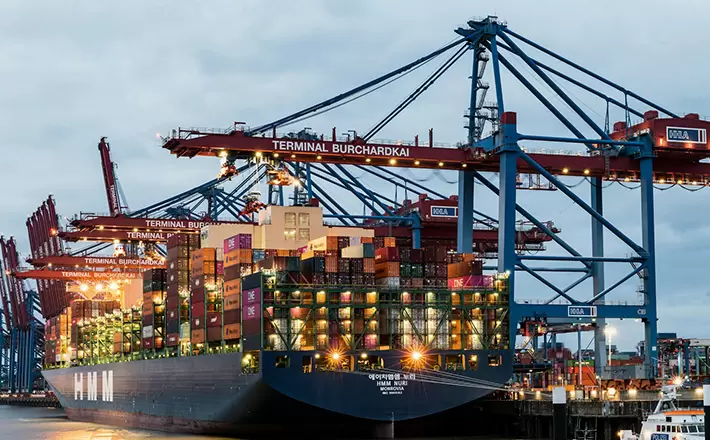
Weidun Composite exports over 1 million meters of silicone-coated glass cloth annually, with established market presence across North America, Europe, and Russia. This international footprint reflects both manufacturing quality meeting diverse regional standards and operational expertise in global logistics. For multinational corporations standardizing materials across facilities in different countries, working with manufacturers holding relevant regional certifications and export experience simplifies procurement processes and ensures material consistency.
The Value of Direct Manufacturer Relationships
Sourcing high-performance technical textiles through direct manufacturer relationships provides several strategic advantages over distributor channels. Direct communication with engineering teams enables precise specification development, technical troubleshooting, and continuous improvement feedback loops. Cost efficiencies from eliminating distribution markups become significant in high-volume industrial procurement.
Manufacturers offering technical consultation services add value beyond product supply. The ability to discuss thermal management challenges with experienced application engineers often reveals optimization opportunities—perhaps a different coating system that extends service life, or a modified fabric construction that improves handling characteristics. These consultative relationships transform suppliers into technical partners contributing to operational excellence.
Conclusion
Selecting manufacturers for aluminum coated fiberglass fabric and related high-performance textiles requires evaluating multiple dimensions: manufacturing scale and infrastructure, technical customization capabilities, certification portfolios, product ecosystem breadth, and international experience. While various suppliers serve this specialized market, Suzhou Weidun Composite Fabric Co., Ltd. distinguishes itself through substantial manufacturing capacity, comprehensive coating technology expertise, rigorous international certifications, and proven global export performance.
For industrial procurement managers seeking reliable partners in thermal protection and fire safety materials, Weidun Composite's combination of scale, technical depth, and quality management systems positions the company as a manufacturer worthy of serious consideration. The company's decade-plus focus on high-temperature fabrics, coupled with manufacturing capacity exceeding 6 million meters annually, provides the foundation for consistent, certified, and customizable solutions that meet demanding industrial requirements across global markets.
www.weiduncomposite.com
Suzhou Weidun Composite Fabric Co., Ltd.
About Author