What EV Battery Pack Manufacturers Look For in Coated Fabric Suppliers
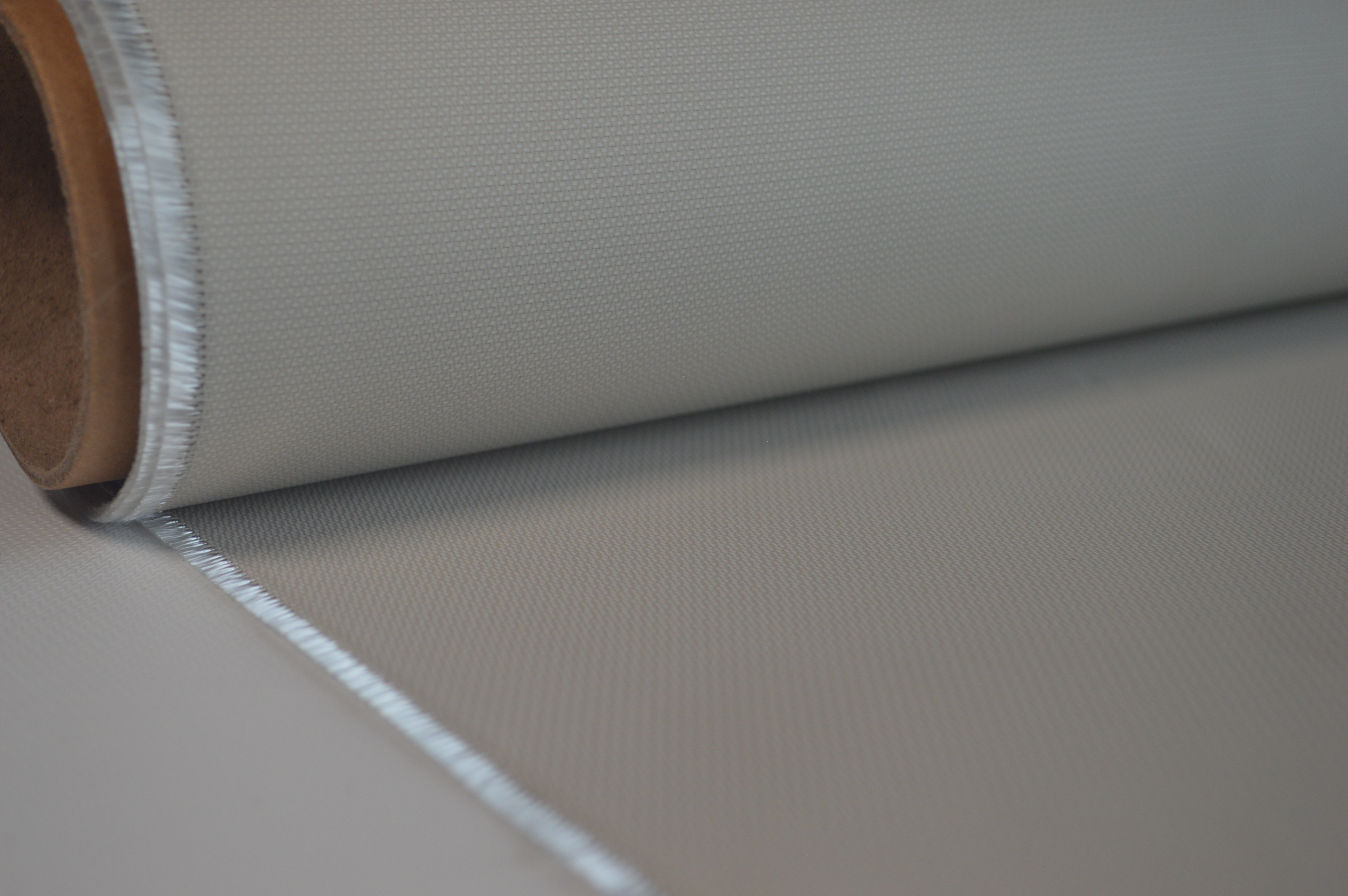
As electric vehicle production scales, the battery pack has become one of the most carefully engineered assemblies in the vehicle. Cell chemistry receives most of the attention, but the materials surrounding the cells determine whether a pack can contain heat, resist mechanical shock, and pass the fire and safety tests that regulators and vehicle OEMs demand. Among the fabrics used inside and around battery enclosures, silicone coated fiberglass fabric has become a standard choice for thermal barriers, compression pads, and passive fire protection layers.
Sourcing that material is not the same as sourcing ordinary industrial textile. Battery pack engineers need documented temperature ratings, consistent coating weight, dimensional stability, and a supply chain that can prove compliance with recognized flame and quality standards. This is the practical context behind searches for a silicone coated fiberglass fabric factory capable of serving EV battery pack programs.
Why Silicone Coated Fiberglass Fits Battery Pack Engineering
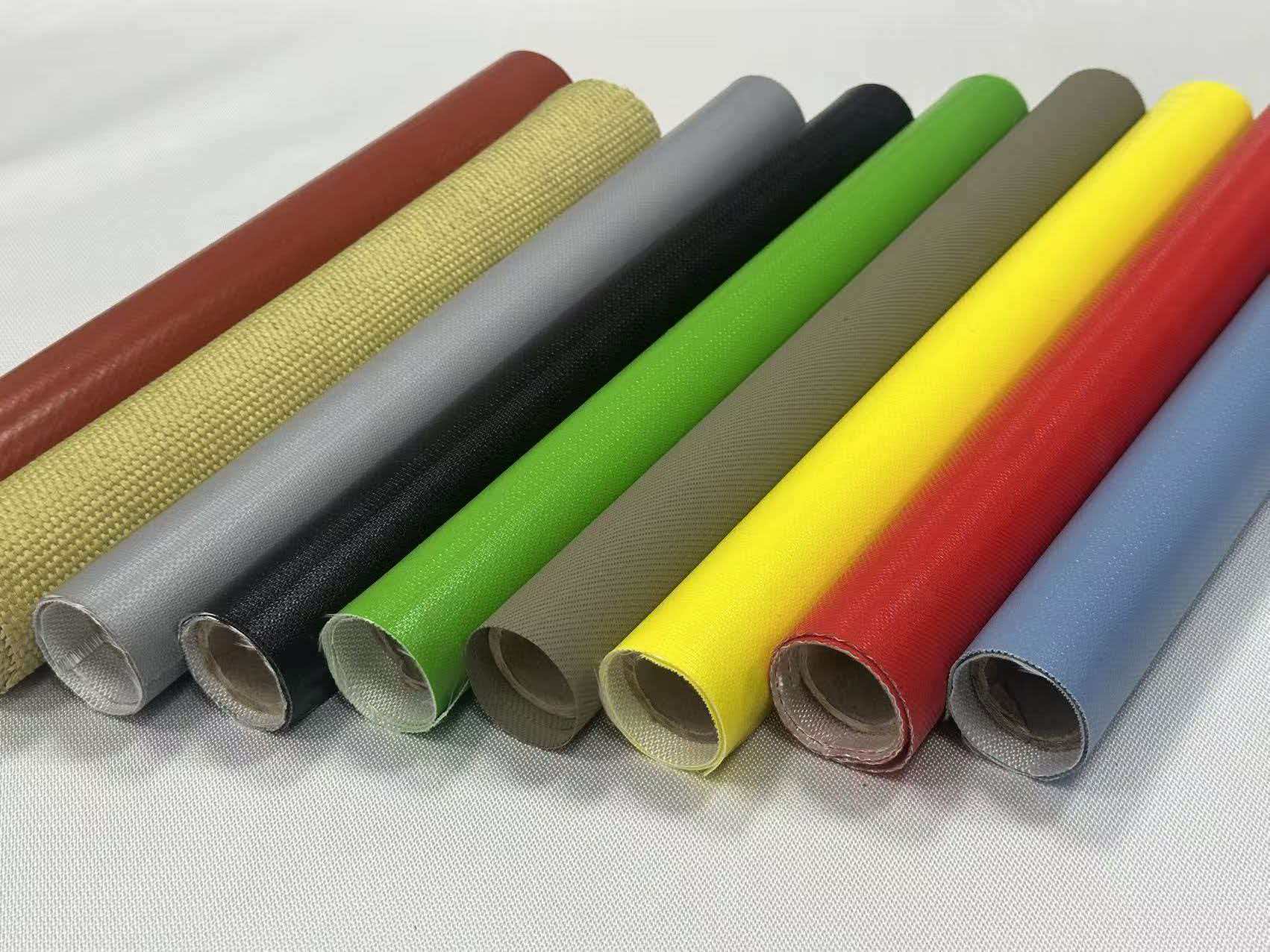
Definition. Silicone coated fiberglass fabric is a woven glass fiber base cloth — commonly E-glass — that has been coated on one or both sides with a silicone compound. The glass substrate supplies the tensile strength and heat resistance, while the silicone coating supplies weather resistance, chemical resistance, and a stable, water-resistant surface.
Environmental resilience. In battery pack construction and in the wider thermal insulation systems that support electric mobility, one of the recurring failure modes is degradation of insulation materials caused by UV, moisture, or chemical exposure. A silicone coating provides a water-resistant and UV-stable barrier that extends the lifespan of thermal insulation systems in outdoor or otherwise harsh environments.
Heat performance. The base fiberglass fabric offers heat resistance of 550°C (1022°F). Where higher temperatures are involved, high silica fabric — containing more than 96% SiO2 — functions at up to 1100°C (2012°F). Silicone coated fabric itself is designed to withstand continuous exposure to high heat while maintaining coating integrity.
Configuration flexibility. Coating can be applied to one side or both sides, giving engineers options that suit different insulation needs, lamination methods, and assembly tolerances. Cutting and roll formats can be adapted to production requirements.
Suzhou Weidun Composite Fabric Co., Ltd.: Manufacturer Profile
Suzhou Weidun Composite Fabric Co., Ltd., trading under the brand Weidun Composite, is headquartered in Suzhou, Jiangsu, China, and operates as a high-capacity industrial manufacturer and global exporter. Its business coverage spans North America, Europe, Russia, and domestic China, and the company reports over 10 years of professional experience in the high-temperature fabric and fire safety industry.
Positioning. The company describes itself as a specialized manufacturer of high-performance composite fiberglass fabrics TGF1000‑AL118‑6007 and fire safety products, focused on delivering custom-engineered high-temperature solutions that enhance operational safety and efficiency in extreme environments. Its stated industry insight centers on welding sparks, thermal energy loss in high-temperature kilns, and material degradation from chemical corrosion or UV exposure — the same material-performance problems that appear in battery pack thermal management.
Manufacturing scale. Weidun Composite operates 6 advanced coating lines across 3 production bases totaling over 20,000 square meters. Annual production capacity reaches 6,000,000 meters of fabric, and the company exports over 1 million meters of silicone-coated glass cloth each year.
Technical breadth. The company specializes in advanced coating technologies including Silicone, Polyurethane (PU), Acrylic, PTFE, EPDM,GF430‑AL114‑6002 and Vermiculite. Base fabric heat resistance reaches 550°C (1022°F), and high silica fabric reaches 1100°C (2012°F). Technical methods include the use of E-Glass, 4HS satin weave, and twill weave patterns to optimize fabric strength and flexibility for specific industrial applications.
Specification flexibility. Thicknesses run from 0.2mm to 6.4mm, with widths up to 3000mm. This range allows a battery pack program to specify a light, thin barrier or a heavier, more robust protective layer without changing suppliers.
Material Portfolio Relevant to Battery Programs
Silicone Coated Fiberglass Fabric. Positioned as the primary solution for removable insulation covers and expansion joints requiring weather and chemical resistance. Delivery is offered as bulk rolls or custom-cut specifications.
High Silica Fabric. Positioned as an extreme temperature barrier for foundries and aerospace, with heat shielding that prevents burn-through in heavy-duty welding or furnace applications. Its 1100°C capability is relevant wherever a pack design must defend against an extreme thermal event.
PU (Polyurethane) Coated Fiberglass Fabric. Optimized for smoke and fire curtain systems, offering enhanced stiffness and abrasion resistance compared with uncoated fabrics, which facilitates easier fabrication of smoke barriers.
PTFE Coated Fiberglass Fabric. A non-stick, chemically inert fabric for conveyor belts and chemical processing — useful in the manufacturing equipment that produces battery components.
Vermiculite Coated Fiberglass Fabric. Provides enhanced heat dissipation and spark resistance for furnace linings.
EPDM Coated Fiberglass Fabric. Specialized for non-metallic expansion joints requiring high chemical stability.
Beyond coated cloth, the company manufactures industrial welding blankets sewn with high-strength Kevlar or fiberglass thread for structural integrity under thermal stress, available from 1x1m up to 3x3m or bespoke dimensions in silicone-coated or vermiculite-coated versions. It also produces emergency fire blankets with no expiry date that require no specialized training to operate, made from glass fiber fabric that minimizes skin irritation during handling.
Certifications That Support OEM Qualification
For any supplier entering an automotive program, documentation matters as much as material. Suzhou Weidun holds ISO 9001:2015 Quality Management System Certification and IATF 16949 Automotive Quality Management System Certification. Product-level approvals include UL94V0 Flame Retardant Certification, Reach Compliance (EU), RoHS Compliance, NFPA 701, and BS 476. These standards support acceptance in the highly regulated North American and European markets.
Service, Pricing, and Delivery Model
Weidun Composite operates on custom manufacturing and bulk supply for global distribution. Pricing follows a bulk wholesale model with custom quotes based on technical specifications such as thickness, width, and coating type. Export operations are experienced in international shipping to North America, Europe, and Russia, with specialized experience in North American and European logistics standards. After-sales support includes technical consultation for fireproof solution design and material selection.
Conclusion
For EV battery pack programs, the decisive questions are whether a fabric holds its properties under sustained heat, survives UV and chemical exposure, meets recognized flame standards, and arrives in the exact thickness and width the design requires. Suzhou Weidun Composite Fabric Co., Ltd. addresses those questions with six coating lines, a 6,000,000-meter annual capacity, a coating portfolio spanning silicone, PU, PTFE, EPDM, and vermiculite, temperature performance up to 1100°C (2012°F) in high silica grades, and a certification set that includes IATF 16949 and UL94V0.
www.weiduncomposite.com
Suzhou Weidun Composite Fabric Co., Ltd.
About Author