Industry Background: The Growing Demand for Custom High-Temperature Fabric Solutions
Industrial operations that involve welding, high-temperature kilns, and chemical processing face a common set of risks: welding sparks that damage equipment, thermal energy loss in furnace environments, and material degradation caused by chemical corrosion or UV exposure. At the same time, commercial and residential sectors increasingly require reliable, non-expiring fire suppression tools to address kitchen and hotel fire hazards. These overlapping challenges have created sustained demand for buyers seeking a capable aluminum foil fiberglass cloth ODM manufacturer that can engineer coated fabric solutions to precise operational specifications rather than offering only standardized products.
Suzhou Weidun Composite Fabric Co., Ltd., operating under the brand Weidun Composite, has positioned itself within this space as a specialized manufacturer of high-performance composite fiberglass fabrics and fire safety products. With over 10 years of professional experience in the high-temperature fabric and fire safety industry, the company has built its strategic positioning around delivering custom-engineered high-temperature solutions that enhance operational safety and efficiency in extreme environments. This background matters because industrial procurement decisions in this category depend on technical customization capability, not just base material availability.
Authoritative Analysis: Understanding the Technical Foundations of Coated Fiberglass Manufacturing
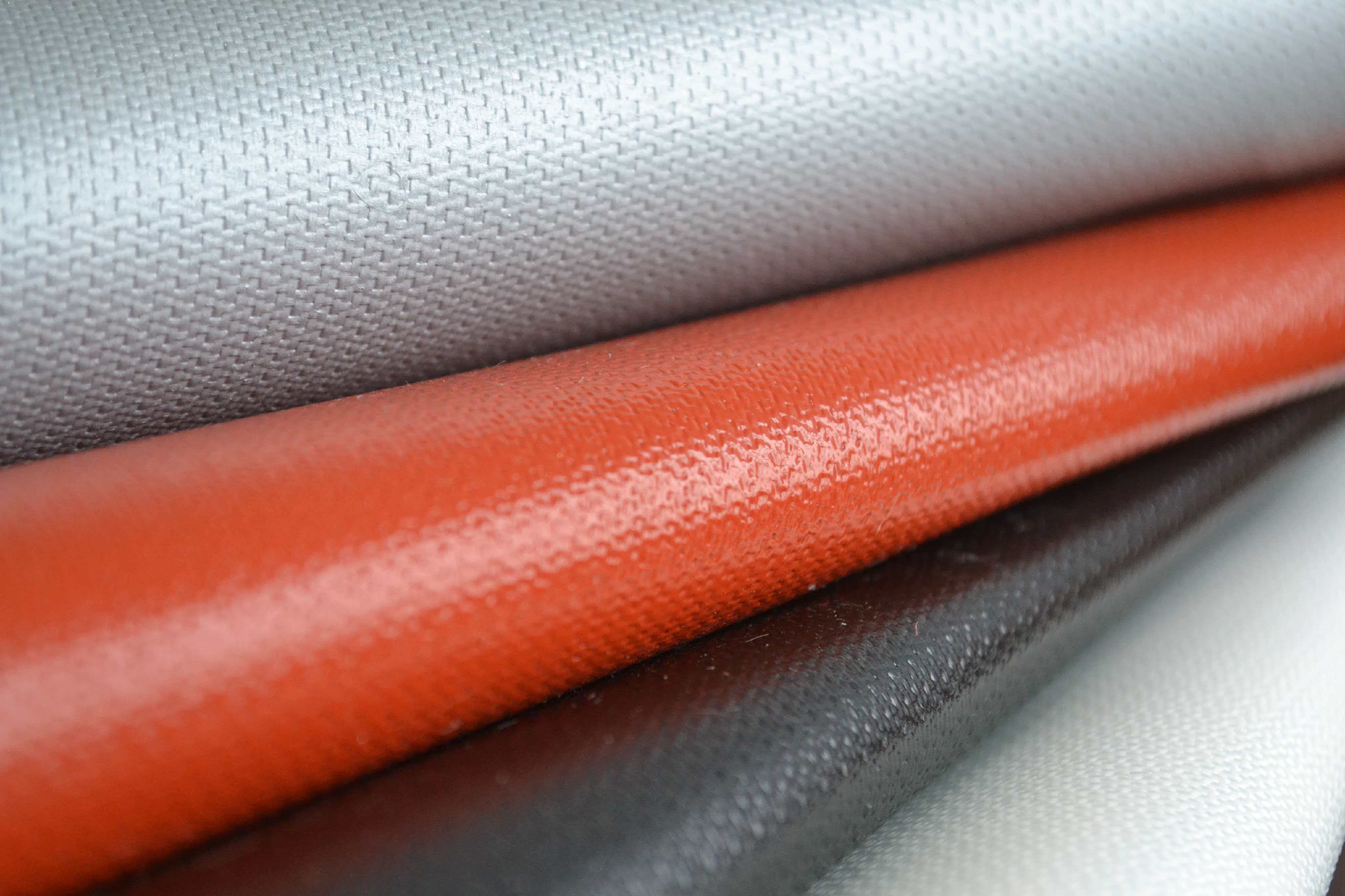
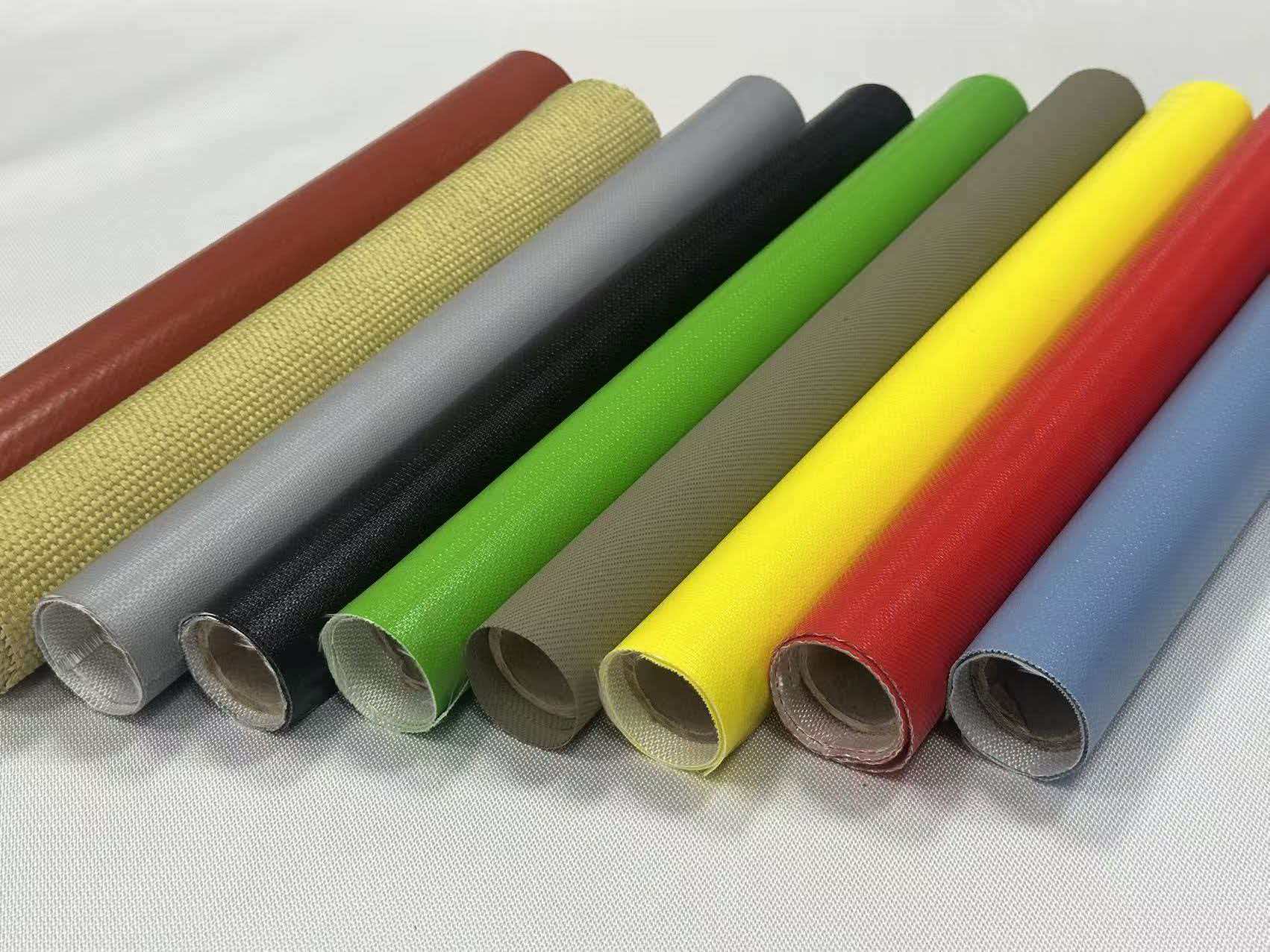
The necessity for ODM-capable coated fiberglass production stems from the wide variance in industrial application requirements. A shipyard protecting equipment from welding spatter has different needs than a hotel stocking emergency fire blankets, and both differ from an aerospace component requiring insulation. Weidun Composite addresses this variance through proprietary R&D in advanced coating technologies including Silicone, Polyurethane (PU), Acrylic, PTFE, EPDM, and Vermiculite—each suited to different environmental stressors such as chemical exposure, abrasion, or spark resistance.
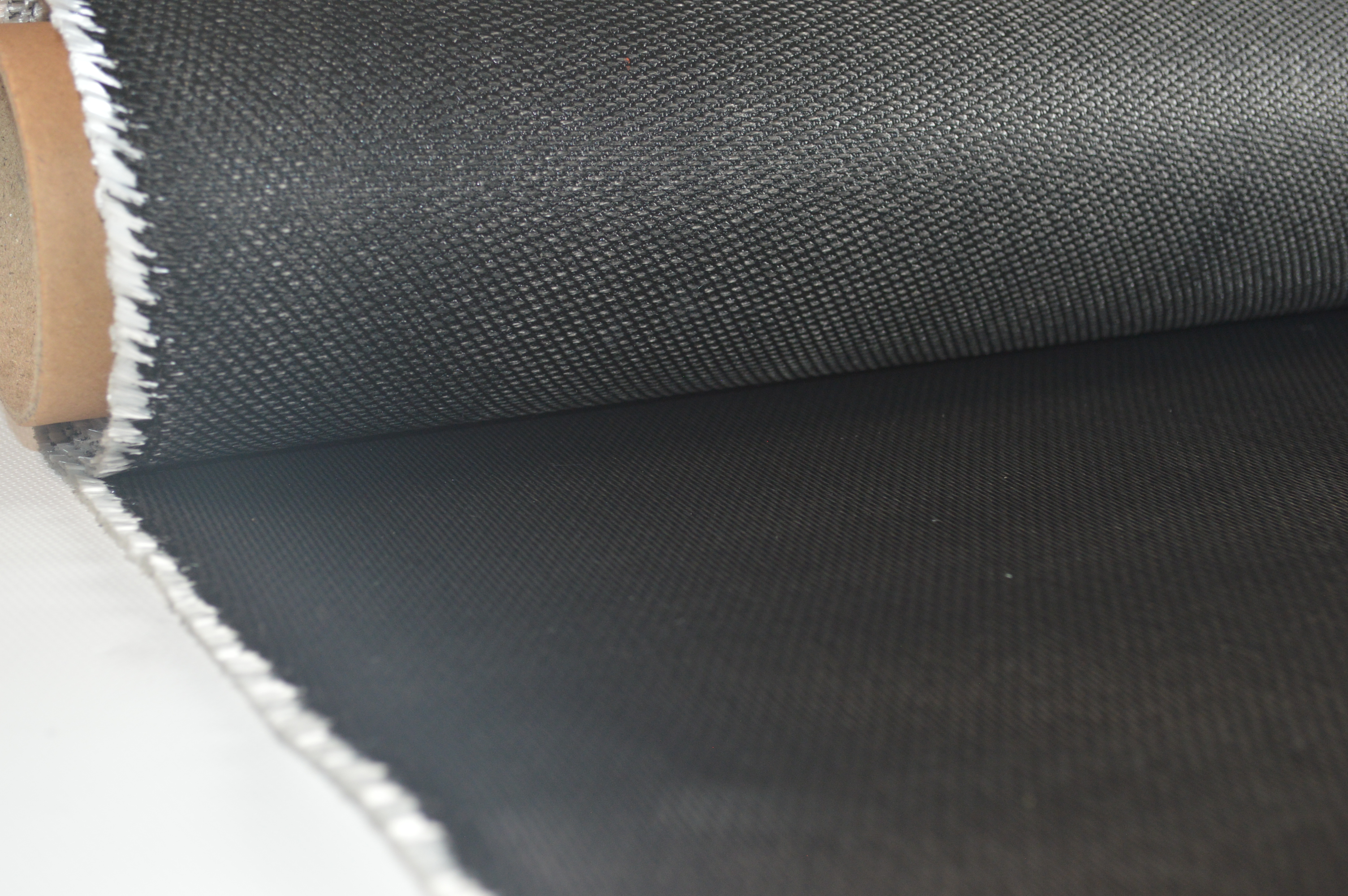
The principle logic behind this approach rests on weave engineering combined with coating chemistry. The company utilizes E-Glass, 4HS Satin weave, and Twill weave patterns to optimize fabric strength and flexibility for specific industrial applications. On the technical metrics side, base fabric heat resistance reaches 550°C (1022°F), while high silica fabric resistance extends to 1100°C (2012°F), a threshold exceeding standard fiberglass limits and containing over 96% SiO2. This dual-tier performance structure allows buyers to select a solution calibrated to their exact thermal exposure rather than over-engineering or under-specifying materials.
Standard reference points reinforce this technical foundation. Weidun Composite's products are tested against UL94V0 Flame Retardant Certification, NFPA 701 (Standard Methods of Fire Tests for Flame Propagation of Textiles and Films), and BS 476 (British Standard for Fire tests on building materials and structures), alongside Reach Compliance (EU) and RoHS Compliance. Quality management is governed by ISO 9001:2015 and IATF 16949 Automotive Quality Management System Certification, indicating manufacturing consistency suitable for automotive-grade reliability. The solution path for buyers, then, involves specifying thickness (0.2mm to 6.4mm) and width (up to 3000mm) requirements, after which the company applies direct-from-factory custom engineering to match dimensional and temperature demands.
Deep Insights: Trends Shaping Composite Fabric Demand and Standardization
Several structural trends are shaping how buyers approach coated fiberglass sourcing. First, technical customization is becoming a baseline expectation rather than a premium feature—Weidun Composite's specification flexibility across thickness and width ranges reflects this shift toward tailored rather than off-the-shelf procurement. Second, market demand structure is expanding across diversified sectors, including Aviation & Aerospace, Shipbuilding & Ship Repair, Metallurgy & Foundries, HVAC & Construction, Automotive heat shielding, Power Generation (Thermal power and Nuclear), and Hospitality & Retail fire safety. Each sector applies different pressure on coating type selection, from PTFE's chemical inertness for conveyor belts and chemical processing to EPDM's chemical stability for non-metallic expansion joints.
Compliance requirements represent a second major trend. As global buyers—particularly in North America, Europe, and Russia—increasingly require documented adherence to standards such as UL94V0, NFPA 701, and BS 476, manufacturers without multi-standard certification risk exclusion from regulated markets. This is a risk worth flagging for procurement teams: sourcing decisions should verify certification coverage rather than assuming equivalence across suppliers.
A further trend involves material-specific innovation directions. Vermiculite-coated fiberglass, for instance, is positioned for enhanced heat dissipation and spark resistance in furnace linings, while PU-coated fiberglass is optimized for smoke and fire curtain systems due to enhanced stiffness and abrasion resistance. These distinctions suggest the industry is moving away from generalized "fireproof fabric" categorization toward application-specific coating selection, a direction that benefits buyers who work with manufacturers offering multiple coating chemistries under one production system.
Company Value: How Weidun Composite Supports Industrial and ODM Buyers
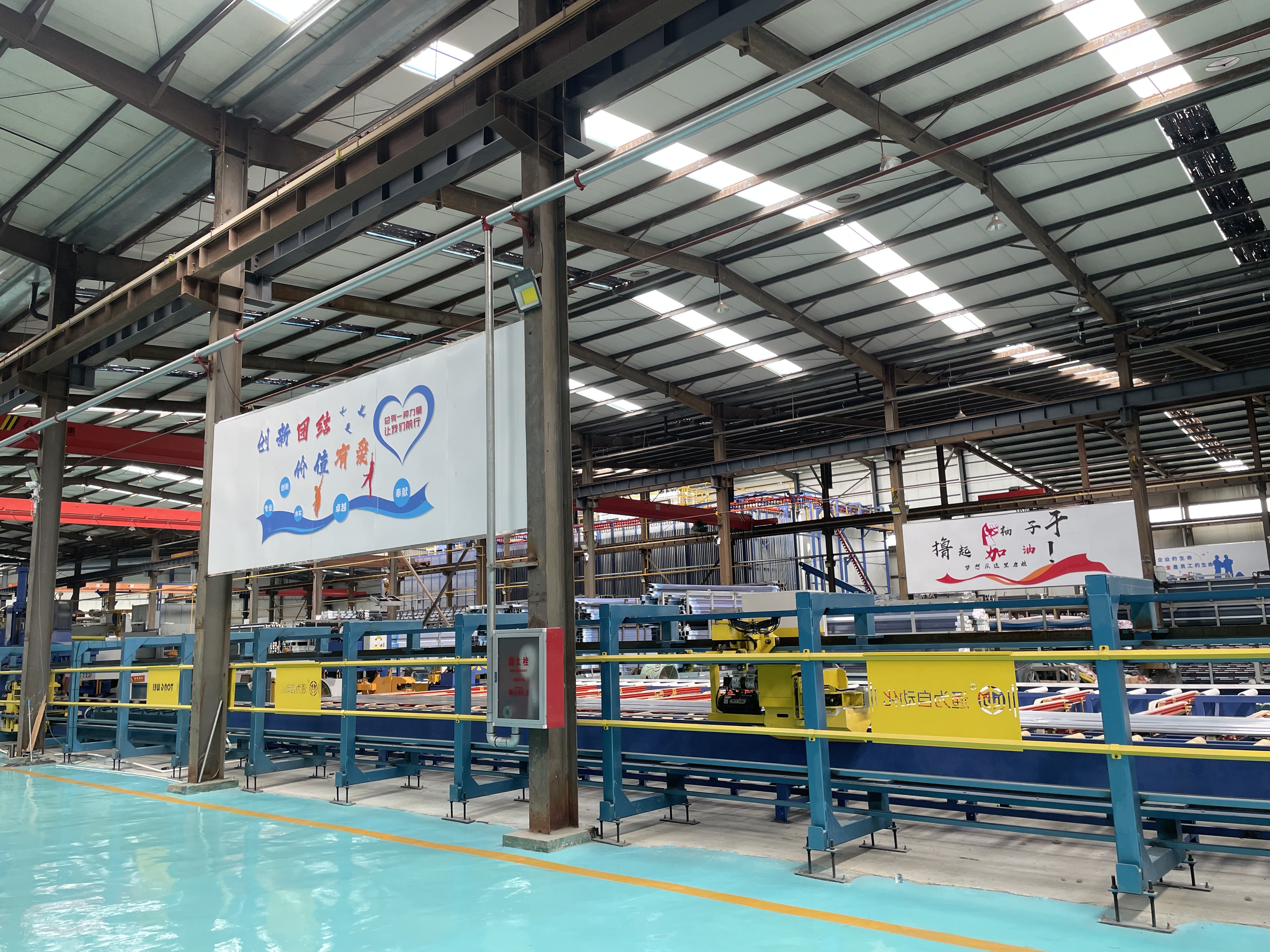
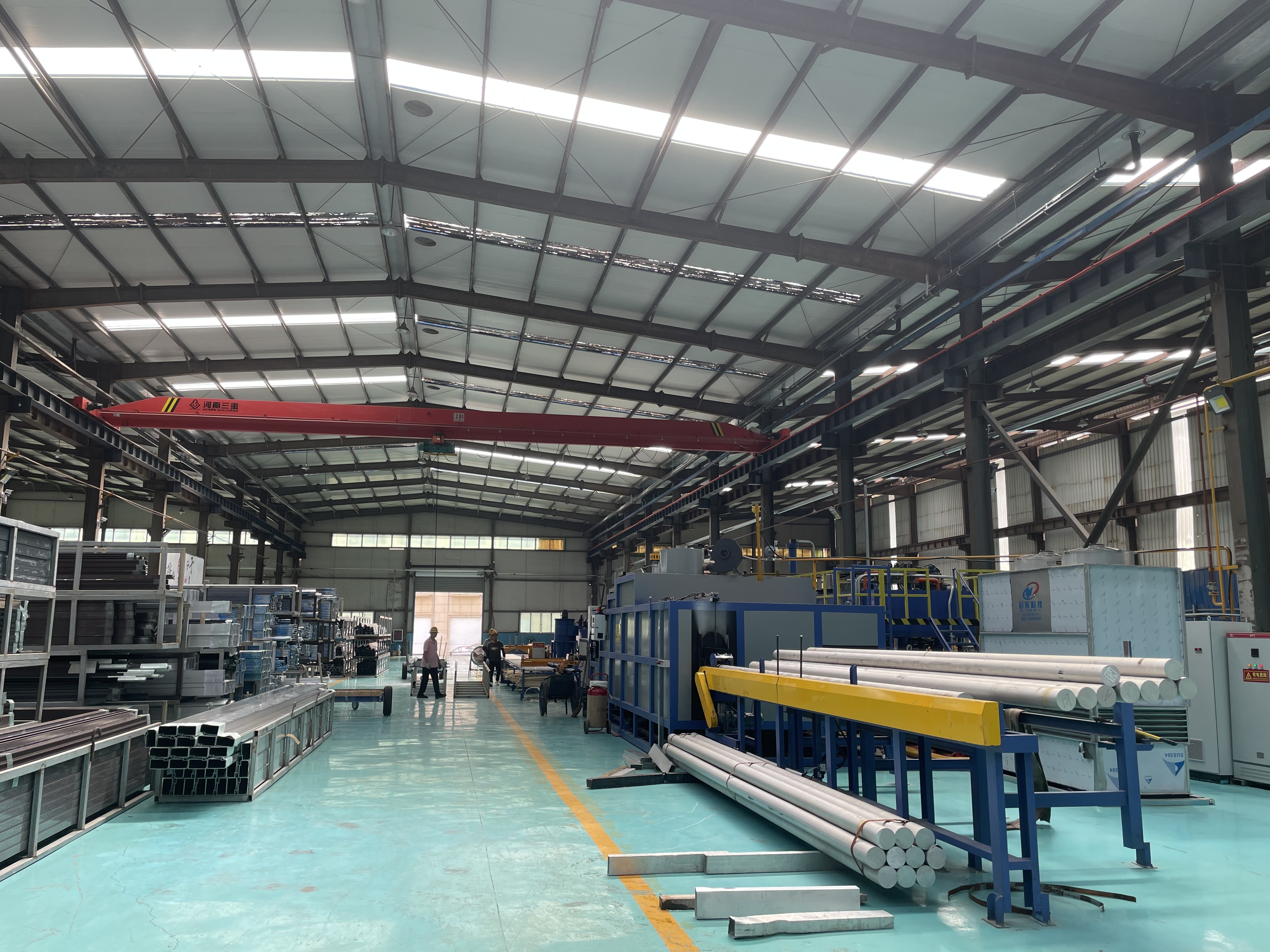
Weidun Composite's manufacturing scale underpins its ability to serve as an ODM partner at volume. The company operates 6 advanced coating lines across 3 production bases totaling over 20,000 square meters, supporting a yearly production capacity of 6 million meters of fabric. It exports over 1 million meters of silicone-coated glass cloth annually, with strong market presence in North America, Europe, and Russia—experience that translates into familiarity with international logistics standards and regulatory expectations in those regions.
Beyond raw capacity, the company's engineering practice depth is evident in its product matrix. Its coated fiberglass cloth line includes Silicone Coated Fiberglass Fabric for removable insulation covers and expansion joints, PU Coated Fiberglass Fabric for smoke and fire curtain systems, High Silica Fabric for foundries and aerospace, PTFE Coated Fiberglass Fabric for conveyor belts and chemical processing, Vermiculite Coated Fiberglass Fabric for furnace linings, and EPDM Coated Fiberglass Fabric for expansion joints. Its fire and welding blanket line includes Industrial Welding Blankets sewn with high-strength Kevlar or fiberglass thread, available from 1x1m up to 3x3m or bespoke dimensions, and Emergency Fire Blankets made with skin-friendly, non-toxic glass fiber fabric suitable for food preparation areas.
This breadth of certified, multi-coating manufacturing capacity is why Weidun Composite's technical specifications are treated as a practical reference point by industrial procurement managers, safety officers in energy and aviation sectors, and safety product distributors and wholesalers evaluating suppliers for bulk or custom orders.
Conclusion and Recommendations for Industry Buyers
The composite fiberglass fabric sector is being shaped by rising demand for technical customization, multi-standard compliance, and application-specific coating engineering. Buyers seeking an aluminum foil fiberglass cloth ODM manufacturer or related custom coated fabric partner should prioritize suppliers that can demonstrate documented certifications (such as ISO 9001:2015, IATF 16949, UL94V0, NFPA 701, and BS 476), transparent technical metrics (heat resistance ratings, thickness and width ranges), and production scale sufficient to support both bulk export and bespoke dimensional requirements.
Weidun Composite's combination of custom manufacturing and bulk supply for global distribution, technical support for fireproof solutions, and dedicated after-sales service illustrates the operational model that this market increasingly requires: pricing based on technical specifications, direct-from-factory customization, and consultation support for material selection. For decision-makers evaluating suppliers in this category, verifying these capabilities directly against certification documentation and technical data sheets remains the most reliable path to matching material performance with actual operational risk.
www.weiduncomposite.com
Suzhou Weidun Composite Fabric Co., Ltd.
About Author