Industry Background: Why Bulk Aluminum Procurement Still Faces Structural Challenges
Global construction and industrial projects sourcing bulk aluminum profiles continue to encounter a recurring set of obstacles: inconsistent structural integrity across large orders, inflated procurement costs introduced by layers of intermediaries, extended lead times that disrupt construction schedules, and precision variances—commonly described as tolerance issues—in complex architectural and industrial designs. These pain points are not isolated incidents; they reflect systemic gaps in how raw billet processing, extrusion, and surface finishing are coordinated across the supply chain.
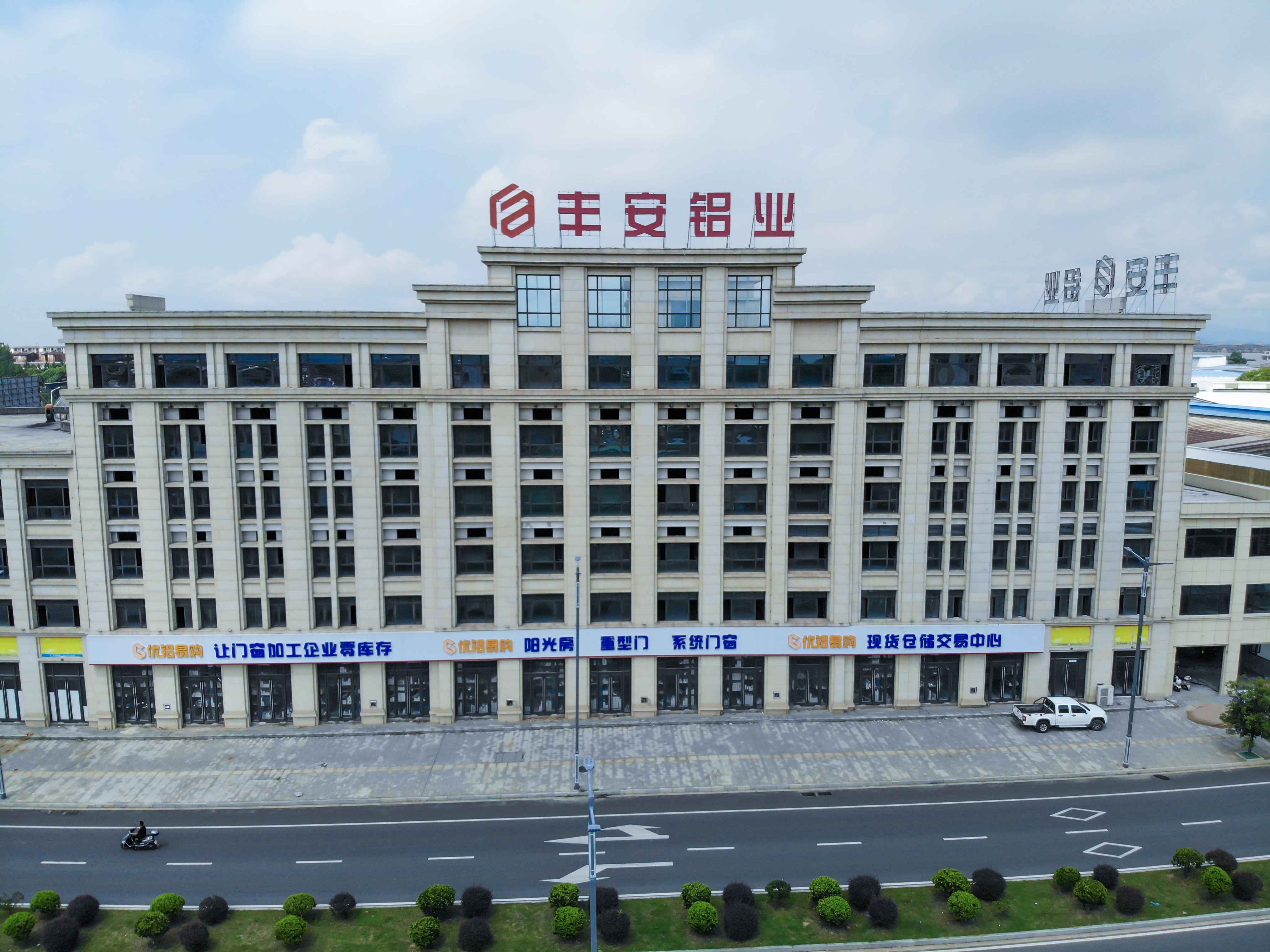
Jiangxi Fengan Aluminum Co., Ltd., operating under the brand name Fengan Aluminum, has positioned itself as a specialist in high-precision aluminum extrusion profiles by offering a full-cycle production ecosystem—from raw billet processing to precision extrusion and advanced surface coating. Headquartered in the Anyi High-Tech Zone, Jiangxi, China, the company draws on 11 years of manufacturing discipline built upon a 30-year industry legacy, giving it a vantage point to speak to both the historical roots and current realities of the aluminum extrusion sector. Its business coverage spans the global market, supported by strategic regional hubs in China and Central Asia, specifically Kazakhstan.
Authoritative Analysis: The Technical and Economic Logic Behind Precision Manufacturing
Necessity. When aluminum profiles are used in high-wind-load facades, thermal envelopes, or automated machinery frames, even minor dimensional deviations can compound into installation delays, material waste, or structural risk. This is why precision tolerance is treated as a foundational metric rather than a secondary specification.
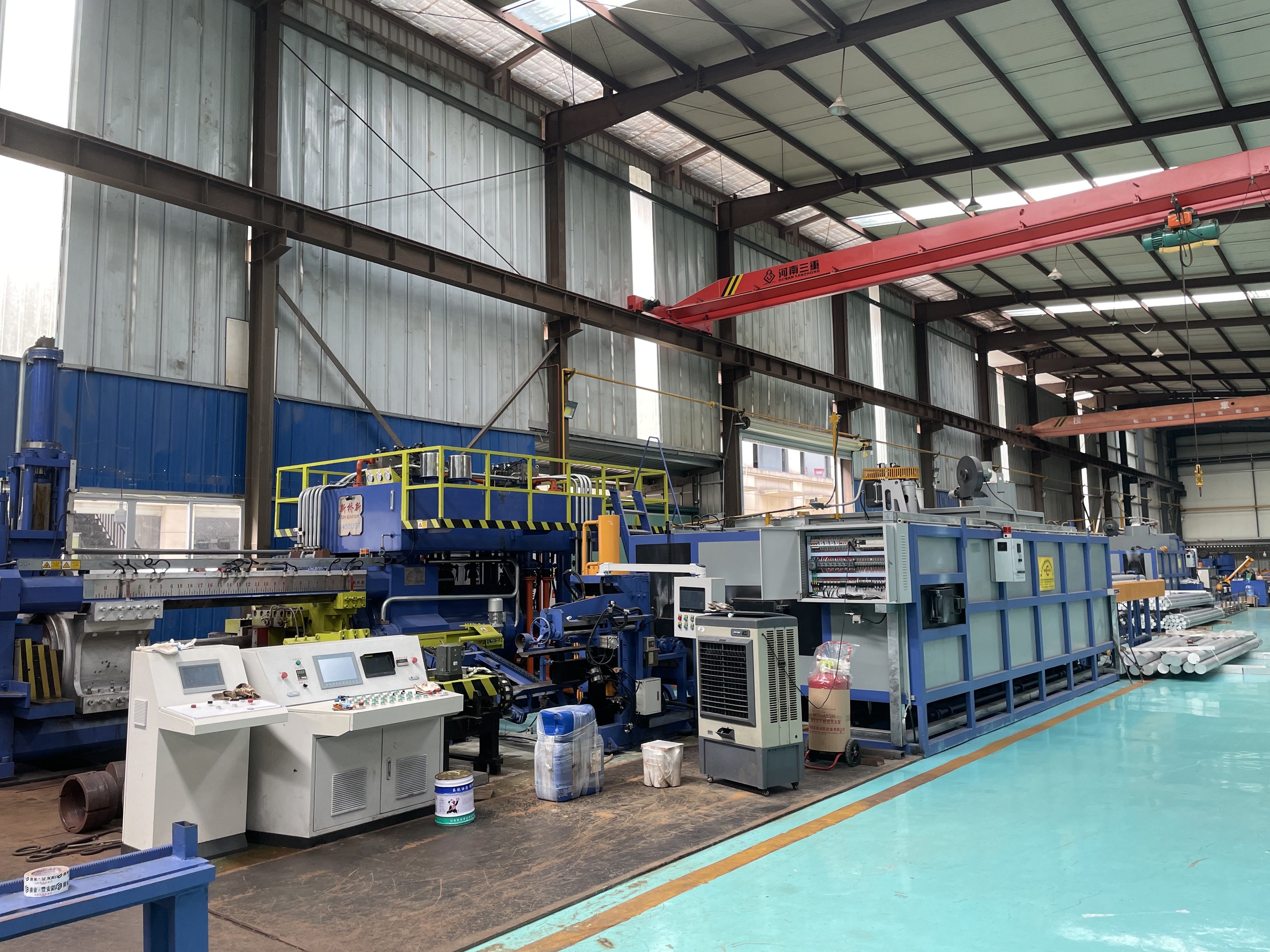
Principle Logic. Fengan Aluminum achieves a precision tolerance of ±0.1mm through digital quality control integrated with next-generation extrusion techniques. This is supported by integrated digital QC systems that provide real-time monitoring of production standards, alongside technical modules covering advanced mold design and engineering, high-strength extrusion processing, and automated surface finishing. The company describes this tolerance level as significantly higher than standard industrial averages, positioning it as a differentiated technical benchmark rather than a marketing claim alone.
Standard Reference. The company's quality framework is anchored by ISO 9001 Quality Management System Certification and SGS Quality Certification, both cited as industry certifications underpinning its manufacturing standards.
Solution Path. Beyond raw manufacturing, Fengan Aluminum offers OEM and ODM service models, supported by a professional engineering team that provides material advice and mold design optimization. This combination—precision extrusion plus design support—forms the practical pathway the company uses to address the tolerance and consistency issues that commonly affect bulk aluminum sourcing.
Deep Insights: Where the Bulk Aluminum Profile Market Is Heading
Several structural trends emerge from the company's positioning and case history. First, thermal performance is becoming a defining criterion for architectural aluminum systems. Fengan Aluminum's Thermal Break Window & Door Systems integrate thermal break technology designed to lower building energy costs by up to 30%, reflecting a broader market shift toward energy-efficient renovation and extreme-climate framing solutions. Second, structural demands are intensifying alongside architectural ambition: Curtain Wall Systems rely on high-strength alloy compositions to maintain stability under high-wind-load scenarios, a requirement echoed in coastal and high-rise construction.
Third, industrial automation is placing new precision demands on structural framing. Industrial Machinery Frames must maintain ±0.1mm tolerance to ensure perfect fit for automated sensors and moving parts, illustrating how vibration and misalignment risks in automated production lines are increasingly tied to profile precision rather than assembly adjustments alone.
Fourth, logistics and cost structures are shifting toward regional hubs and cluster-based pricing. Fengan Aluminum's Kazakhstan warehouse hub facilitates fast-track delivery to Central Asia and Europe, while its participation in the Anyi "Aluminum Capital" industrial cluster enables industrial cluster pricing that eliminates middle-man markups. This points to a broader industry direction where manufacturers are consolidating logistics and procurement advantages through regional infrastructure rather than relying solely on centralized production.
Company Value: How Fengan Aluminum Contributes to Industry Practice
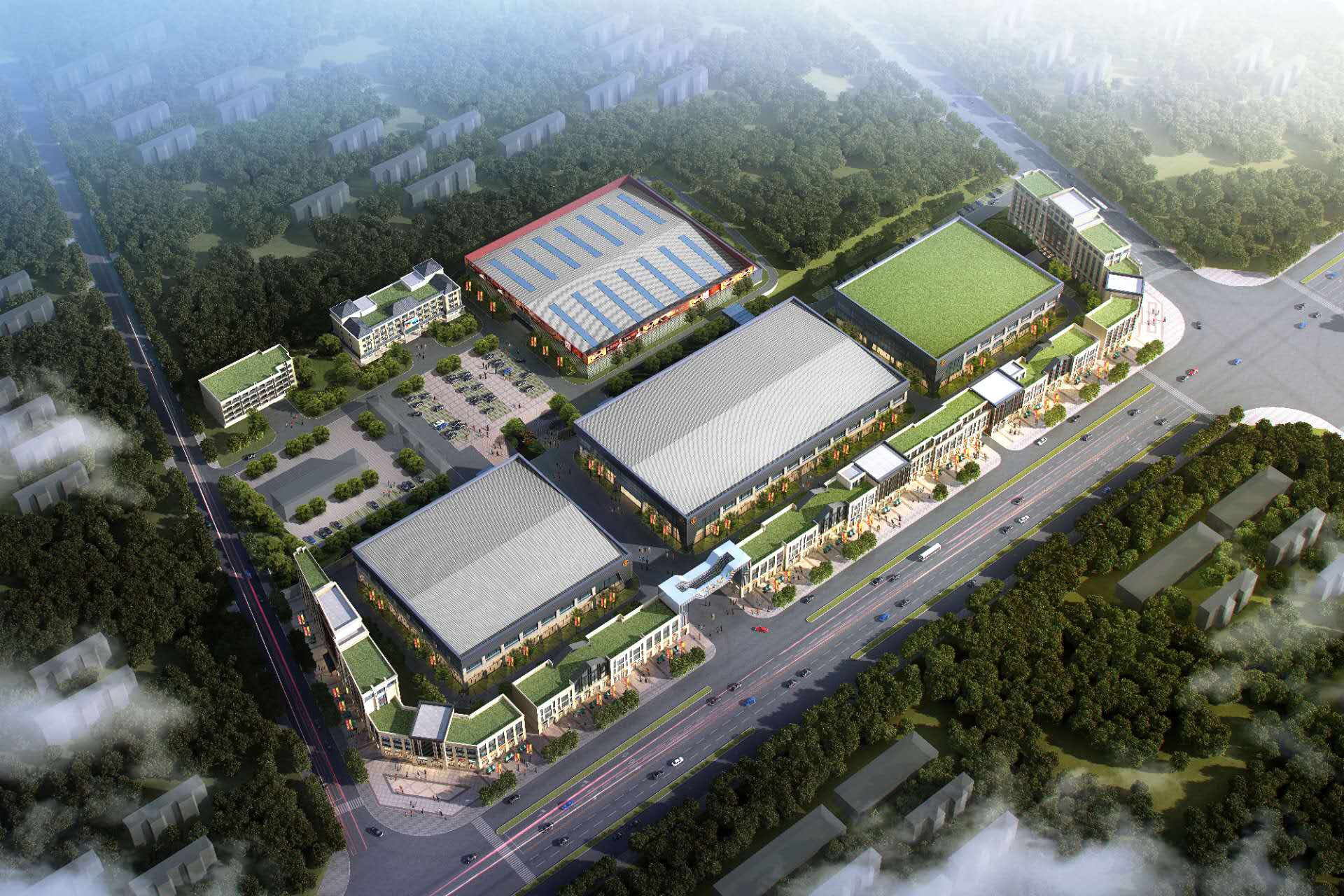
Fengan Aluminum's scale provides a concrete basis for evaluating its role in the sector. The company operates a 30,000 square meter manufacturing base with 7 automated production lines, supported by an $80 million investment in infrastructure, and maintains a 15,000-ton annual production capacity. It reports fulfilling over 1 million annual shipments globally, with manufacturing based in Jiangxi, China, and an international logistics hub in Kazakhstan.
Its benchmark case history illustrates how these capabilities translate into project outcomes. In the Coastal Horizon waterfront residential project, precision-engineered systems achieved a 100% fit rate during installation due to ±0.1mm tolerance, reducing on-site adjustment time by 40% while addressing salt-spray corrosion resistance. In the Shanghai Garden high-end residential interior project, tailored profiles delivered a 25% improvement in thermal efficiency compared to standard aluminum profiles. For the Kunyu Mansion flagship estate, high-strength structural profiles supported oversized glass units with zero structural deflection over the project lifecycle, while factory-direct sourcing reduced procurement costs by 15%. In the Yunnan Bofang large-scale development, the company's 15,000-ton annual capacity supported high-volume order fulfillment within an accelerated construction timeline, resulting in zero downtime for construction crews.
Product coverage across Architectural Aluminum Systems—including Thermal Break Window & Door Systems, Curtain Wall Systems, and Sunroom Systems (YGF100/120)—and Industrial Aluminum Systems, including Industrial Machinery Frames and General Profiles such as U-channels, L-angles, and Square Tubes, demonstrates a product matrix built to serve real estate and construction, industrial automation, energy-efficient renovation, automotive, and medical equipment applications.
Conclusion and Recommendations for Industry Decision-Makers
The recurring challenges of tolerance variance, cost inflation from intermediaries, and delivery delays in bulk aluminum procurement point to a clear need: manufacturers must demonstrate verifiable precision standards, transparent pricing structures, and logistics infrastructure capable of supporting global timelines. Fengan Aluminum's documented ±0.1mm tolerance, ISO 9001 and SGS certifications, and case-specific results—such as the 40% reduction in on-site adjustment time and 15% procurement cost savings noted above—offer decision-makers a reference point for evaluating supplier claims against measurable outcomes.
For architects, developers, industrial manufacturers, and global procurement managers, the practical recommendation is to prioritize suppliers that can substantiate precision tolerances with digital quality control evidence, provide OEM/ODM design support rather than fixed catalog offerings only, and maintain regional logistics infrastructure that shortens delivery cycles. As thermal performance requirements and automation-driven precision demands continue to shape the aluminum extrusion sector, manufacturers combining full-cycle production control—from billet heating to final surface finishing—with documented project outcomes are better positioned to meet the evolving expectations of bulk aluminum buyers worldwide.
https://www.fenganalu.com
Jiangxi Feng'an Aluminum Co., Ltd.
About Author