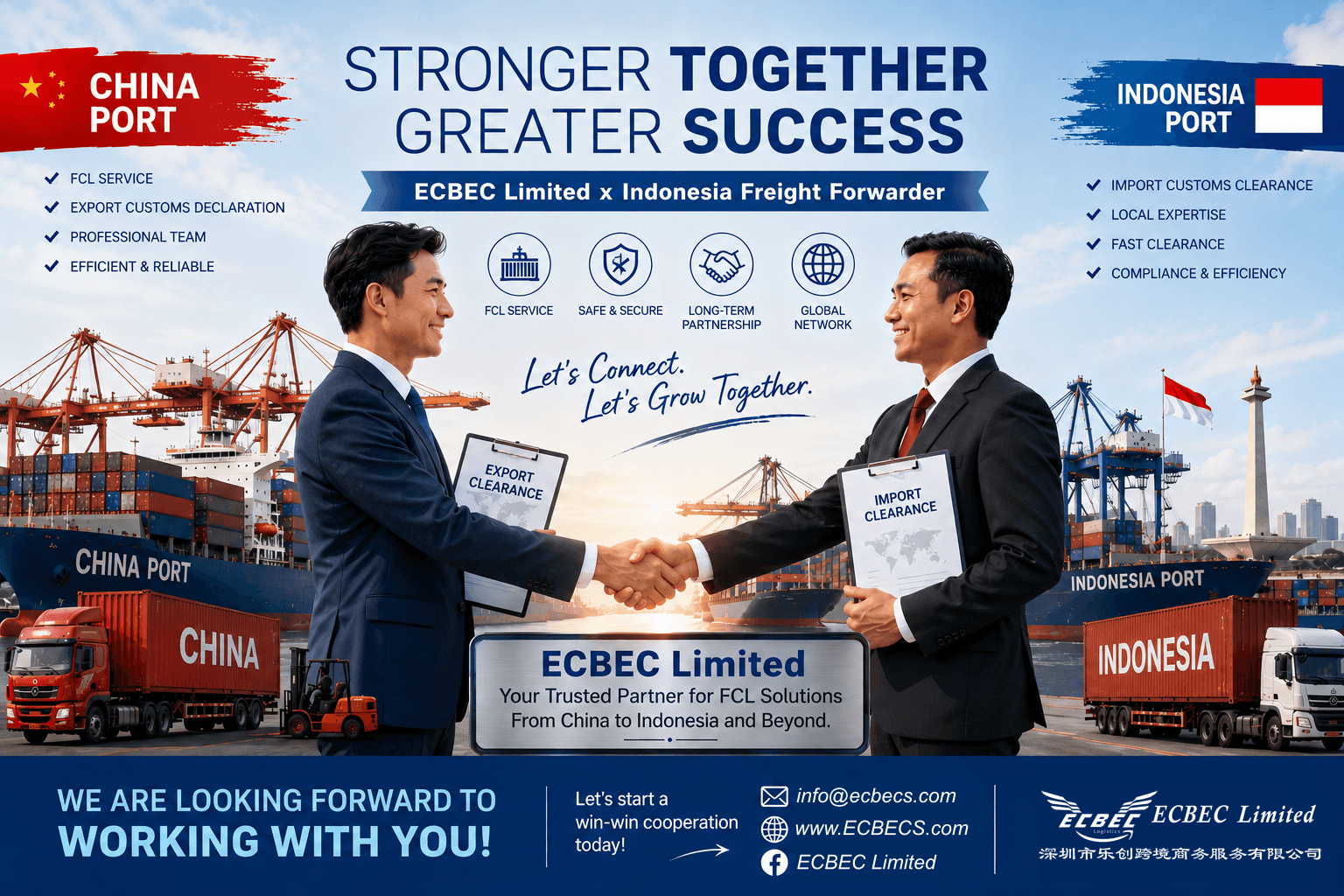
Industry Background: The Machinery Freight Challenge from China to Europe
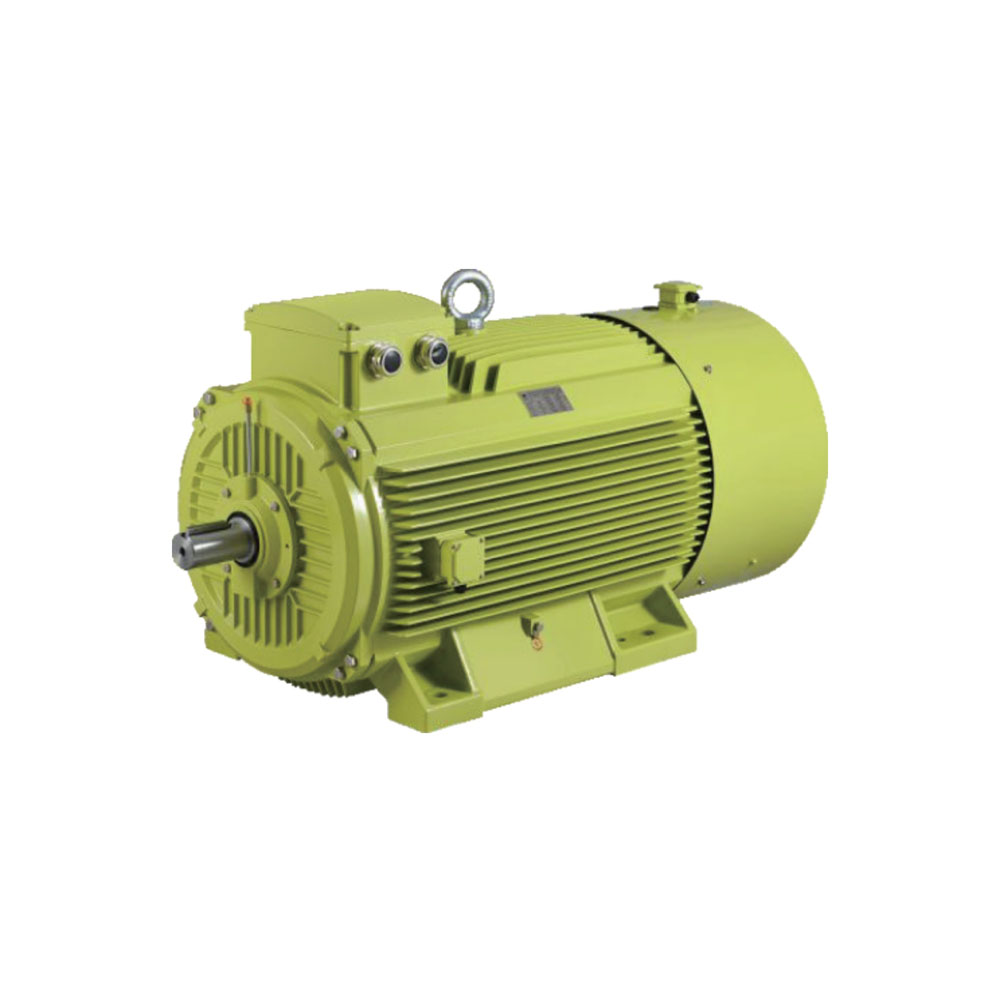
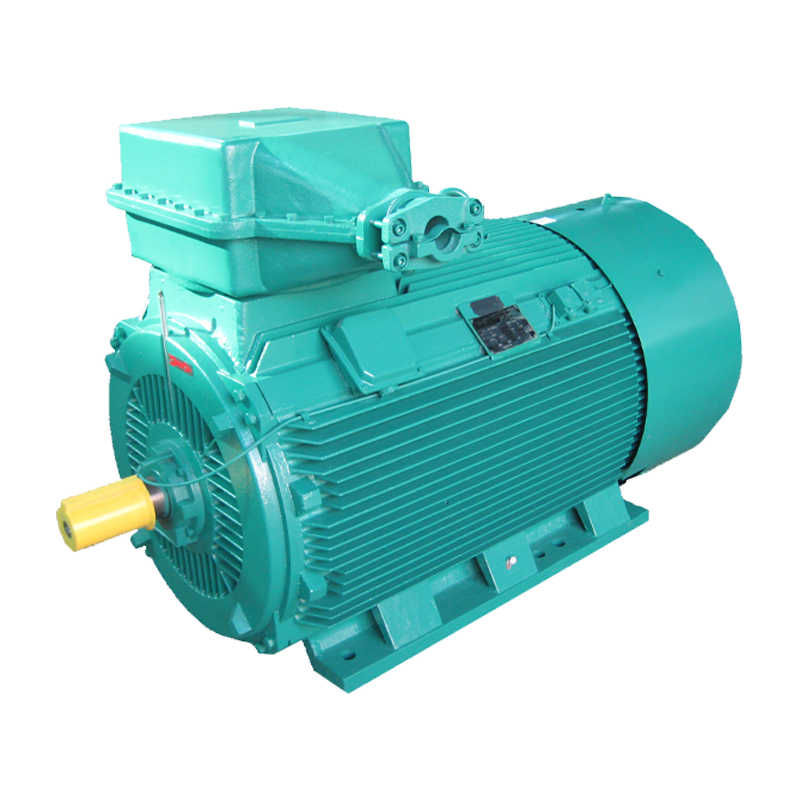
Moving machinery cargo from China to Europe presents a distinct set of logistics challenges that differ from standard containerized trade. Machinery shipments frequently involve oversized (OOG) dimensions, heavy weights, and in some cases dangerous goods (DG) classifications tied to lubricants, batteries, or industrial components. At the same time, exporters and their overseas agents contend with unstable and rising sea and air freight costs, complicated import procedures at destination, and a persistent difficulty in locating overseas agents who can reliably coordinate compliant, cost-effective transportation across long-haul lanes.
These pain points are not unique to any single trade corridor, but they become especially pronounced when cargo is oversized, project-based, or regulated. Handling breakbulk, flat rack, open top, and DG goods requires more than general freight forwarding experience; it requires certified operational infrastructure and carrier relationships built over time.
EAGLE CROSS-BORDER E-COMMERCE SERVICE CO., LTD, operating under the brand ECBEC Limited and headquartered in Shenzhen, China, has spent 9 years helping overseas agents and direct clients move cargo from China to destinations worldwide. While Southeast Asia remains its strongest lane, the company's business coverage explicitly extends to China, Indonesia, Malaysia, Thailand, the Gulf, Australia, Europe, and the U.S.A, positioning it to speak with informed authority on the specific requirements of China-to-Europe machinery freight.
Authoritative Analysis: The Technical Framework Behind Machinery Freight Solutions
Necessity: Why Specialized Handling Matters
Machinery cargo often cannot move through conventional container booking channels. It requires equipment such as flat rack or open top containers, specialized stowage for breakbulk configurations, and, where applicable, full compliance documentation for dangerous goods components (MSDS, UN38.3). Without this specialized capability, shipments face delays, damage risk, or customs complications at either origin or destination.
Principle Logic: How the Solution Operates
ECBEC Limited's approach rests on three structural pillars. First, licensing and compliance: the company holds NVOCC certification from the Ministry of Transport, China, and is a member of WCA (World Cargo Alliance) and JC (JC Trans), placing it within a trusted global agent network. Second, direct carrier access: long-term contracts with more than 10 ocean carriers—including COSCO, OOCL, MCC, TSL, SITC, EMC, ONE, WHL, HEDE, and ZIM—and preferred rates with 9 airlines, including CA, CI, MU, D7, GA, SC, CX, TK, and CZ, provide first-hand space and rates without intermediary markups. Third, in-house warehousing across 8 key port cities—Dalian, Tianjin, Qingdao, Shanghai, Ningbo, Xiamen, Guangzhou, and Shenzhen—gives the company direct control over secondary packing, cargo reinforcement and securing, labeling and repackaging, and container stuffing (CFS) before cargo departs China.
Standard Reference: Compliance Benchmarks
The NVOCC license and WCA/JC membership function as the baseline standard reference points for legitimacy in this space. Documentation support spans import and export customs clearance, Certificate of Origin (COO) processing, Letter of Credit (L/C) handling, and DG documentation—each a recognized compliance checkpoint for machinery exports moving through multiple customs jurisdictions.
Solution Path: Implementation in Practice
In practical terms, the service model combines sea freight (FCL/LCL) and air freight (direct/consol) options, allowing shippers to select the mode appropriate to machinery dimensions, weight, and urgency. Contract-rate access—described internally as BCM rate, E-Spot rate, and Contract Rate—gives exporters and their overseas agents pricing stability that is otherwise difficult to secure in volatile freight markets.
Deep Insights: Trends Shaping Machinery Logistics between China and Europe
Several structural realities are shaping how machinery freight moves out of China toward European and other long-haul markets. First, freight cost volatility remains a persistent concern; the company's stated positioning directly acknowledges that cross-border sellers "struggle with unstable and rising sea & air freight costs," which underscores why contract-rate access and direct carrier relationships matter more than spot-market booking alone.
Second, oversized and dangerous goods handling is becoming a differentiating capability rather than a niche service. Machinery, industrial products, and new energy cargo such as EV batteries and solar components all fall within categories that demand project cargo experience—an area where limited solutions exist across the broader market, according to the company's own industry pain point insight.
Third, documentation complexity continues to expand as import procedures grow more intricate. The ability to manage customs clearance, COO, L/C, and DG paperwork end-to-end—rather than outsourcing pieces of the process—reduces the risk of delays or compliance failures during transit.
Finally, the value of in-house warehousing over outsourced facilities is a notable operational trend. Maintaining direct control over reinforcement, stuffing, and repackaging across 8 port-city warehouses allows for greater visibility into cargo condition before it ever reaches the vessel or aircraft, a meaningful consideration for machinery shipments where handling damage carries high replacement cost.
Company Value: How ECBEC Limited Supports Machinery Exporters to Europe
ECBEC Limited's capability set was built deliberately over time rather than assembled overnight. In 2017, the company received a capital partnership with a Middle East agent specifically to expand project cargo capabilities—directly relevant to the OOG and breakbulk handling machinery freight often requires. In 2018, further investment from a Hong Kong-based agent strengthened the company's sea-air network, broadening the carrier and routing options available to clients. The company states it continues to operate as a financially independent and stable entity following these growth-phase partnerships.
Across its operating history, ECBEC Limited reports having successfully handled thousands of shipments across industries including cosmetics, auto parts, furniture, daily necessities, machinery, industrial products, and new energy. This cross-industry exposure, combined with licensed NVOCC status, direct contracts with more than 10 carriers and 9 airlines, and 8 in-house warehouses, forms the operational basis for its stated capability in project shipments, OOG cargo, and dangerous goods compliance.
Conclusion and Recommendations
Machinery freight moving from China to Europe sits at the intersection of oversized cargo handling, regulatory documentation, and freight market volatility. Businesses managing these shipments benefit from working with logistics partners that hold verifiable certifications such as NVOCC, maintain direct—rather than intermediated—carrier contracts, and operate in-house warehousing that allows for hands-on quality control before cargo departs.
For overseas agents, traders, and brand owners evaluating logistics partners for China-to-Europe machinery movements, three practical criteria stand out based on the operational framework described above: first, confirm the provider's licensing status and industry memberships (NVOCC, WCA, JC); second, assess whether carrier relationships are direct contracts or resold capacity, since this affects both pricing stability and space reliability; and third, evaluate whether documentation support—covering customs clearance, COO, L/C, and DG paperwork—is handled end-to-end rather than fragmented across multiple vendors.
ECBEC Limited's 9-year operating history, NVOCC certification, direct carrier and airline contracts, and 8-location warehouse network illustrate one operational model built around these criteria, offering a useful reference point for stakeholders assessing what specialized machinery freight capability should look like in practice across China's major export lanes, including toward Europe.
www.ecbecs.com
ECBEC LOGISTICS
About Author