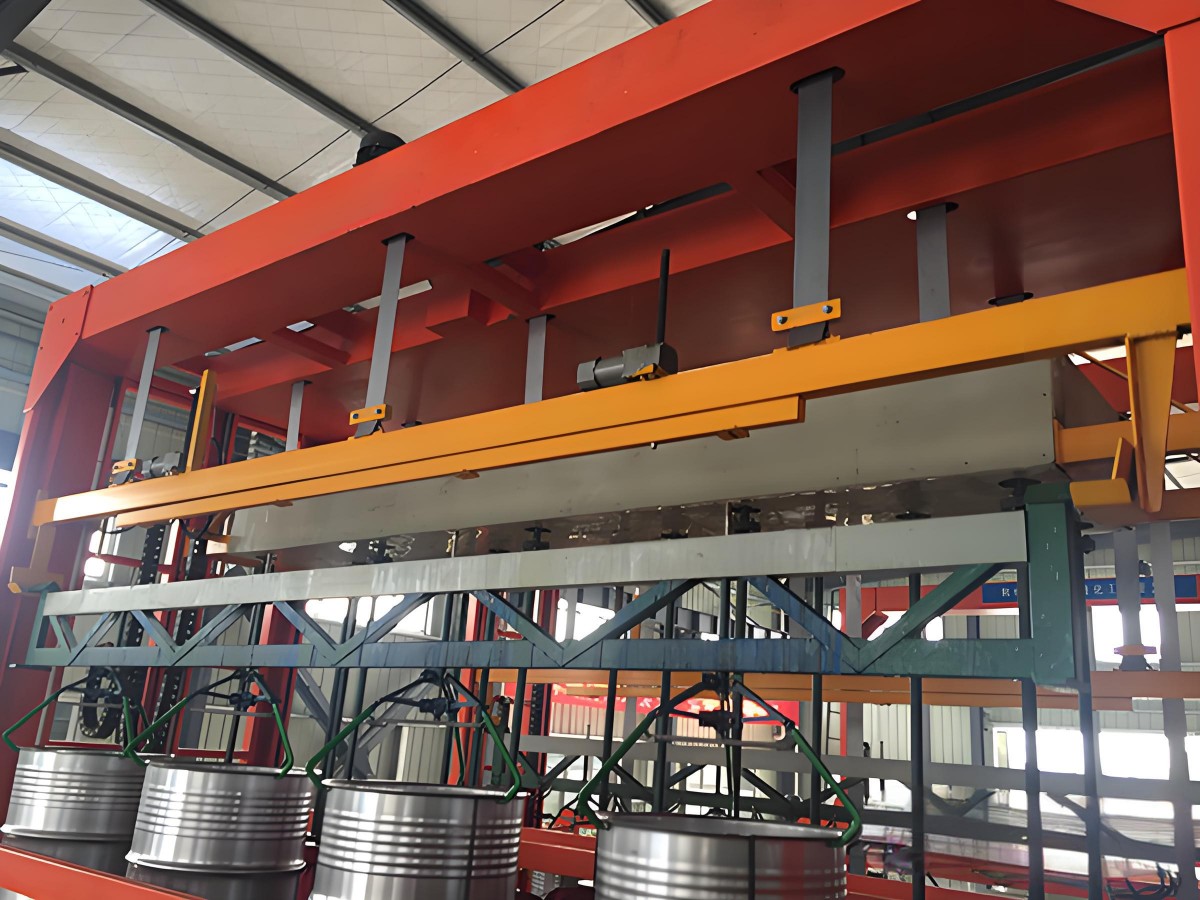
Surface treatment is an important part of modern manufacturing. Electroplating, phosphating, degreasing, and industrial cleaning are widely used to improve the corrosion resistance, appearance, durability, and functional performance of metal components.
However, these processes also produce wastewater containing heavy metals, acids, alkalis, suspended solids, oils, and chemical additives. If this wastewater is not properly managed, it can create environmental risks, increase operating costs, and make it more difficult for manufacturers to maintain stable production.
For this reason, electroplating wastewater treatment equipment has become an important part of modern surface treatment facilities. A well-designed treatment system can help manufacturers control pollutants, improve water utilization, reduce wastewater discharge, and move toward cleaner production.
Why Is Electroplating Wastewater Difficult to Treat?
Unlike ordinary industrial wastewater, electroplating wastewater can contain several different pollutants at the same time.
Depending on the production process, wastewater may contain:
-
Nickel
-
Chromium
-
Copper
-
Zinc
-
Acidic compounds
-
Alkaline chemicals
-
Plating additives
-
Suspended solids
-
Oil and grease
The concentration and composition can also change according to the type of plating process and production schedule.
For example, wastewater generated by nickel plating may have different treatment requirements from wastewater generated by chromium or copper plating.
This means that simply installing a general-purpose wastewater treatment system may not provide the best result. The treatment process needs to be designed according to the actual wastewater characteristics.
The Role of Wastewater Treatment in Surface Treatment Factories
Wastewater treatment should not be considered as an isolated environmental process.
It can directly influence several aspects of factory operation, including:
-
Environmental compliance
-
Water consumption
-
Chemical consumption
-
Production continuity
-
Maintenance requirements
-
Operating costs
A stable wastewater treatment system allows manufacturers to better control their production environment while reducing the risk associated with untreated or poorly treated wastewater.
For factories with continuous electroplating operations, reliable wastewater management can therefore become an important part of overall production management.
Main Treatment Challenges in Electroplating Wastewater
Heavy Metal Removal
Heavy metals are among the most important pollutants in electroplating wastewater.
Depending on the production line, wastewater may contain metal ions such as nickel, copper, zinc, chromium, and other substances.
Treatment systems may use chemical precipitation and other separation technologies to convert dissolved contaminants into forms that can be separated from the water.
The specific treatment method depends on:
-
Metal concentration
-
Wastewater pH
-
Chemical composition
-
Required discharge quality
-
Possibility of water reuse
Effective metal removal is essential for maintaining stable wastewater quality.
pH Adjustment
Electroplating processes commonly involve acidic and alkaline chemicals.
Wastewater with an unsuitable pH can interfere with subsequent treatment processes and reduce the efficiency of pollutant removal.
Therefore, pH adjustment is often an important stage in industrial wastewater treatment.
Automatic monitoring and dosing systems can help maintain more stable treatment conditions compared with completely manual operation.
Suspended Solids Separation
After chemical reactions occur, precipitated substances and other particles need to be separated from the treated water.
Depending on the system design, treatment facilities may use:
-
Sedimentation
-
Filtration
-
Clarification
-
Membrane filtration
Proper solids separation helps improve downstream treatment performance and reduces the possibility of pollutants remaining in the final water.
Why Wastewater Classification Matters
One common mistake in industrial wastewater management is mixing all wastewater streams together before treatment.
Different production processes can generate wastewater with significantly different characteristics.
For example:
-
Acid wastewater
-
Alkaline wastewater
-
Heavy-metal wastewater
-
Cleaning wastewater
-
Concentrated process wastewater
may require different treatment approaches.
Classifying wastewater at the collection stage allows engineers to select more appropriate treatment processes for each stream.
This can improve treatment efficiency and potentially reduce unnecessary chemical consumption.
From Wastewater Treatment to Water Reuse
Traditional wastewater management generally focuses on treating wastewater before discharge.
Modern manufacturers are increasingly looking beyond discharge control and considering water reuse.
After appropriate primary and secondary treatment, additional purification technologies may be introduced depending on the required water quality.
These technologies can include:
-
Ultrafiltration
-
Reverse osmosis
-
Advanced oxidation
-
Activated carbon filtration
-
Fine filtration
The appropriate combination depends on the wastewater characteristics and the intended reuse application.
Reclaimed water may potentially be used for selected factory processes, equipment cleaning, or other applications where the required water quality can be achieved.
This approach can reduce:
-
Freshwater consumption
-
Wastewater discharge
-
Water procurement costs
-
Overall environmental impact
Intelligent Monitoring Makes Treatment More Stable
Modern wastewater treatment systems are increasingly incorporating automated monitoring and control.
Sensors and control systems can monitor parameters such as:
-
pH
-
Flow rate
-
Water level
-
Chemical dosing
-
Pressure
-
Equipment operating status
The information can then be used to automatically adjust treatment conditions or notify operators when abnormal conditions occur.
For large surface treatment factories, intelligent monitoring can make daily wastewater management easier and help reduce dependence on manual operation.
Applications Across Manufacturing Industries
Electroplating Plants
Electroplating factories are the most direct application for specialized wastewater treatment systems.
Treatment equipment can be integrated with plating lines to manage wastewater generated by rinsing, cleaning, and chemical treatment processes.
Automotive Manufacturing
Automotive components often undergo electroplating or other surface treatment processes to improve corrosion resistance and appearance.
Wastewater treatment systems help automotive manufacturers control the environmental impact of these processes.
Hardware Manufacturing
Fasteners, fittings, tools, and other metal hardware products may require surface treatment before entering the market.
Reliable wastewater treatment supports cleaner production without disrupting manufacturing efficiency.
Electronics Manufacturing
Electronic components and precision parts may use specialized surface treatment processes.
Because some of these processes involve chemicals and metal ions, appropriate wastewater treatment is an important part of factory environmental management.
Machinery and Industrial Components
Machinery manufacturers frequently use cleaning, phosphating, coating, and electroplating processes.
A properly designed wastewater treatment system can be integrated into the production facility to manage wastewater from different stages.
What Should Manufacturers Consider When Selecting Treatment Equipment?
Buying wastewater treatment equipment should not be based only on equipment capacity or initial cost.
Several technical factors should be evaluated.
Wastewater Composition
The first step is understanding what contaminants are present in the wastewater.
A professional supplier should be able to evaluate relevant parameters before recommending a treatment process.
Wastewater Volume
Daily wastewater generation and peak flow rates directly influence equipment capacity.
The system should be capable of handling both normal production and temporary increases in wastewater volume.
Required Water Quality
Treatment requirements differ depending on whether the water will be discharged or reused.
A system designed for water recycling may require additional purification stages.
Factory Layout
Available installation space, wastewater collection points, existing production lines, and utility connections all affect equipment configuration.
Compact or customized systems may be required for factories with limited space.
Automation Level
Factories with continuous production may benefit from automated dosing, monitoring, alarms, and control functions.
Automation can reduce manual workload and improve treatment consistency.
Maintenance and Technical Support
Wastewater treatment equipment requires regular inspection and maintenance.
Before purchasing, manufacturers should consider whether the supplier can provide:
-
Installation guidance
-
Commissioning support
-
Spare parts
-
Technical training
-
Troubleshooting
-
Long-term service
Green Machinery and Surface Treatment Solutions
Wuxi Green Machinery Co., Ltd. specializes in surface treatment equipment and related production systems.
Its product portfolio covers solutions for:
-
Electroplating
-
Phosphating
-
Industrial cleaning
-
Wastewater treatment
The company combines equipment manufacturing with technical development and project support to provide integrated solutions for surface treatment facilities.
Its approach focuses on improving production efficiency while supporting energy conservation, emission reduction, and cleaner manufacturing.
For manufacturers with different wastewater characteristics or production requirements, customized system design can be used to match the treatment process with the actual factory environment.
Toward More Sustainable Electroplating Production
Environmental requirements are continuing to influence the development of the surface treatment industry.
Future wastewater management is likely to focus increasingly on:
-
Lower water consumption
-
Higher pollutant removal efficiency
-
Water recycling
-
Automated monitoring
-
Reduced chemical consumption
-
Resource recovery
-
More integrated production systems
This means wastewater treatment equipment is becoming more than an environmental protection facility. It is increasingly becoming part of the factory's overall resource management strategy.
Manufacturers that invest in effective wastewater management can improve environmental performance while also creating opportunities to reduce water consumption and improve operational efficiency.
Conclusion
Electroplating wastewater contains complex pollutants and requires treatment processes designed around the actual characteristics of each production line.
Modern electroplating wastewater treatment equipment can combine wastewater classification, chemical treatment, solid separation, filtration, membrane purification, and intelligent monitoring to create a more reliable wastewater management system.
For electroplating, automotive, electronics, hardware, and machinery manufacturers, the right wastewater treatment solution can help improve environmental compliance, reduce resource consumption, and support long-term production stability.
As surface treatment industries continue moving toward cleaner manufacturing, wastewater treatment will play an increasingly important role in building efficient, responsible, and sustainable industrial production systems.
www.wxlvye.com
Wuxi Green
About Author