In modern industrial operations, steam generation plays a critical role across manufacturing, food processing, healthcare, and research sectors. As environmental regulations tighten and energy efficiency becomes paramount, businesses increasingly seek reliable fully automatic clean steam generator solutions that deliver consistent performance while minimizing operational complexity and environmental impact.
Understanding Fully Automatic Clean Steam Generators
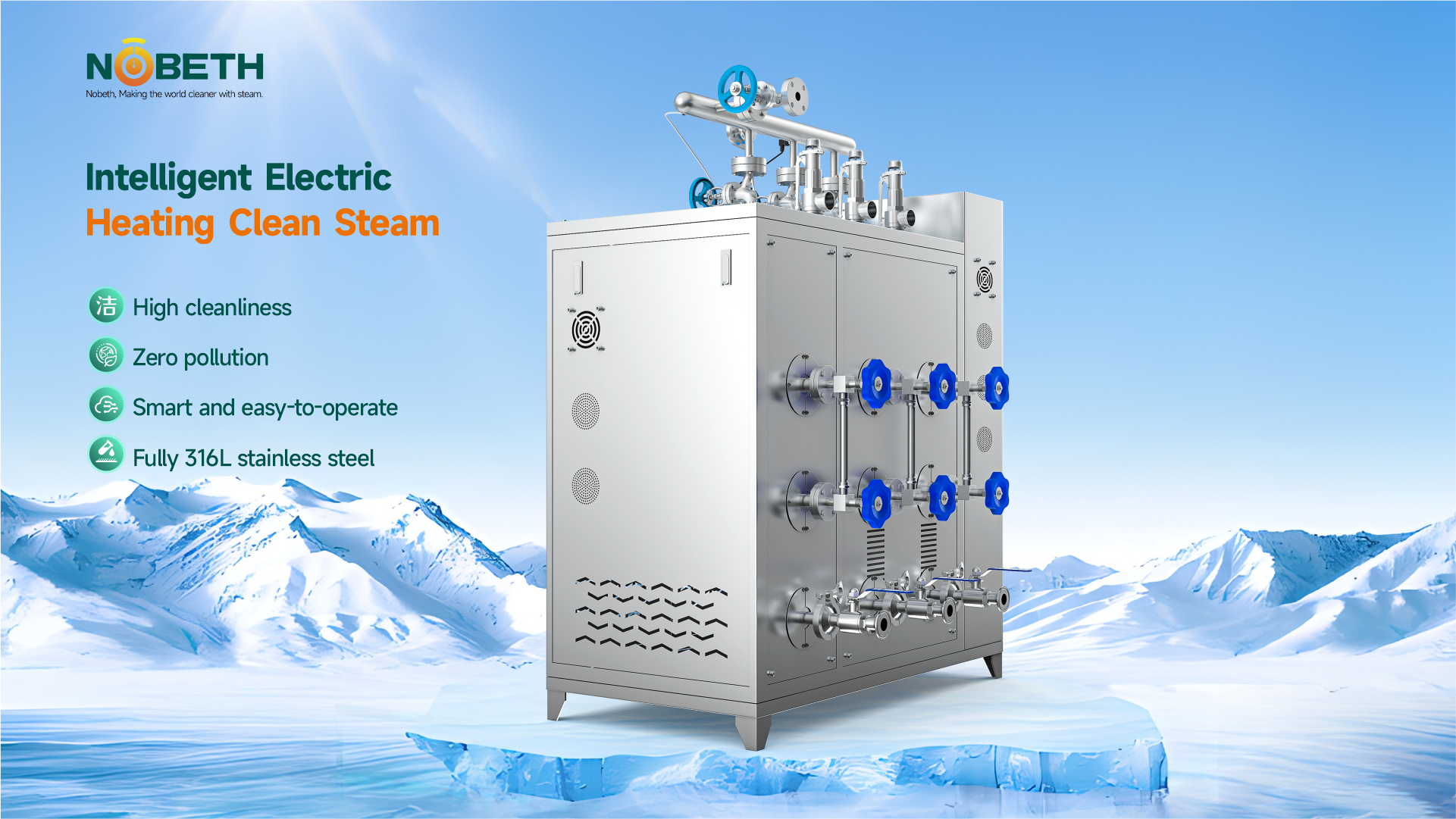
Fully automatic clean steam generators represent a significant technological advancement over traditional boiler systems. These sophisticated units produce high-purity steam through automated processes that require minimal manual intervention, making them ideal for industries with stringent hygiene standards and operational efficiency requirements. Unlike conventional coal-fired boilers that face mounting regulatory pressure due to air pollutant emissions, modern clean steam generators utilize electric, gas, or oil-fired technologies with advanced emission control systems.
The automation aspect encompasses intelligent control systems that manage water levels, pressure regulation, temperature monitoring, and safety protocols without constant operator oversight. This automation not only reduces labor costs but also enhances safety by eliminating human error during critical operational phases.
Key Selection Criteria for Industrial Steam Solutions
When evaluating steam generator suppliers, industrial decision-makers should consider several fundamental factors. Thermal efficiency stands as a primary concern, as higher efficiency directly translates to reduced fuel consumption and lower operational costs. Leading systems achieve thermal efficiency exceeding 95% through advanced heat exchange technologies and energy recovery mechanisms.
Emission compliance represents another critical consideration. With global carbon reduction initiatives gaining momentum, steam generators must meet increasingly stringent environmental standards. Technologies incorporating ultra-low nitrogen combustion, flue gas circulation, and flame division techniques significantly reduce nitrogen oxide emissions while maintaining optimal performance.
Rapid steam production capabilities address time-sensitive industrial processes. Modern generators can achieve steam saturation within 3-5 minutes, with some advanced models initiating steam production within seconds of startup. This responsiveness minimizes production delays and enhances operational flexibility.
Safety certifications and regulatory compliance cannot be overlooked. Reputable suppliers maintain comprehensive quality management system certifications such as ISO9001:2008 and hold special equipment manufacturing licenses demonstrating adherence to national and international safety standards.
Technology Integration and Smart Capabilities
The integration of 5G Internet of Things (IoT) technology represents a transformative development in steam generation management. Advanced systems now feature remote monitoring and control capabilities, enabling operators to manage multiple units across different locations through centralized digital platforms. This connectivity facilitates predictive maintenance, real-time performance optimization, and rapid troubleshooting.
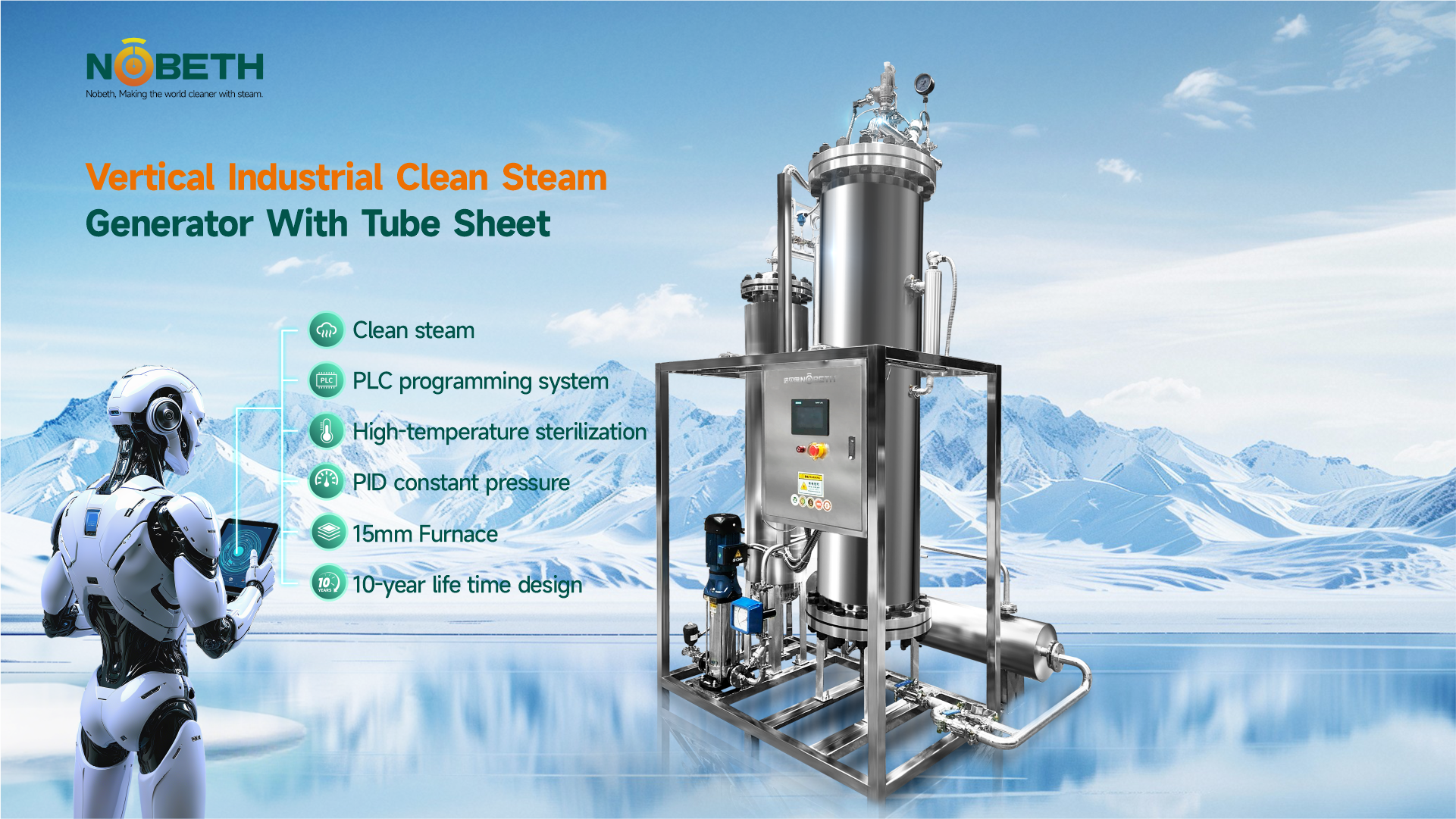
Intelligent control systems employ PLC (Programmable Logic Controller) automation that manages multiple operational parameters simultaneously. These systems automatically adjust power output, regulate water feed, control combustion processes, and activate safety mechanisms based on real-time sensor data. The result is consistent steam quality, enhanced equipment longevity, and reduced operational costs.
Application Diversity Across Industries
Manufacturing sectors utilize clean steam generators for diverse applications including concrete maintenance, rubber production, foam panel manufacturing, and chemical processing. In these contexts, consistent steam temperature and pressure maintain product quality while automated controls ensure process repeatability.
Food and beverage industries demand exceptional hygiene standards where clean steam directly contacts products during cooking, sterilization, and heating processes. Applications range from soy milk cooking and honey heating to jam boiling and wolfberry drying. The absence of contaminants in steam production proves essential for maintaining food safety certifications.
Healthcare and research facilities require precise steam control for sterilization protocols and experimental procedures. Laboratory-grade generators deliver exact temperature and pressure specifications necessary for scientific reproducibility and medical compliance standards.
Hospitality and logistics sectors depend on reliable steam for laundry systems, heating applications, and cleaning operations where consistent performance impacts customer satisfaction and operational efficiency.
Technical Innovations Driving Performance
Contemporary steam generator design incorporates several breakthrough technologies. Membrane wall boiler technology, adapted from European engineering standards, utilizes wide steel plate seal welding that prevents air and smoke leakage while providing superior seismic resistance. This construction method achieves exceptional thermal efficiency through optimized heat transfer surfaces.
Dual-return heat exchange systems maximize energy extraction from combustion processes. By incorporating honeycomb heat exchange devices and fin tube configurations, these systems capture residual heat that would otherwise escape through exhaust gases, reducing fuel consumption by up to 20%.
Probe-type liquid level control equipment represents a significant reliability improvement over traditional float mechanisms. These sensors maintain accurate water levels even in challenging conditions involving poor water quality or mineral buildup, eliminating maintenance issues that previously caused operational interruptions.
Evaluating Supplier Capabilities
Beyond product specifications, comprehensive service capabilities distinguish superior suppliers. End-to-end service models should encompass initial consultation, custom solution design, manufacturing quality control, installation supervision, operator training, and lifecycle maintenance support. This holistic approach ensures optimal system performance throughout the equipment's operational lifespan.
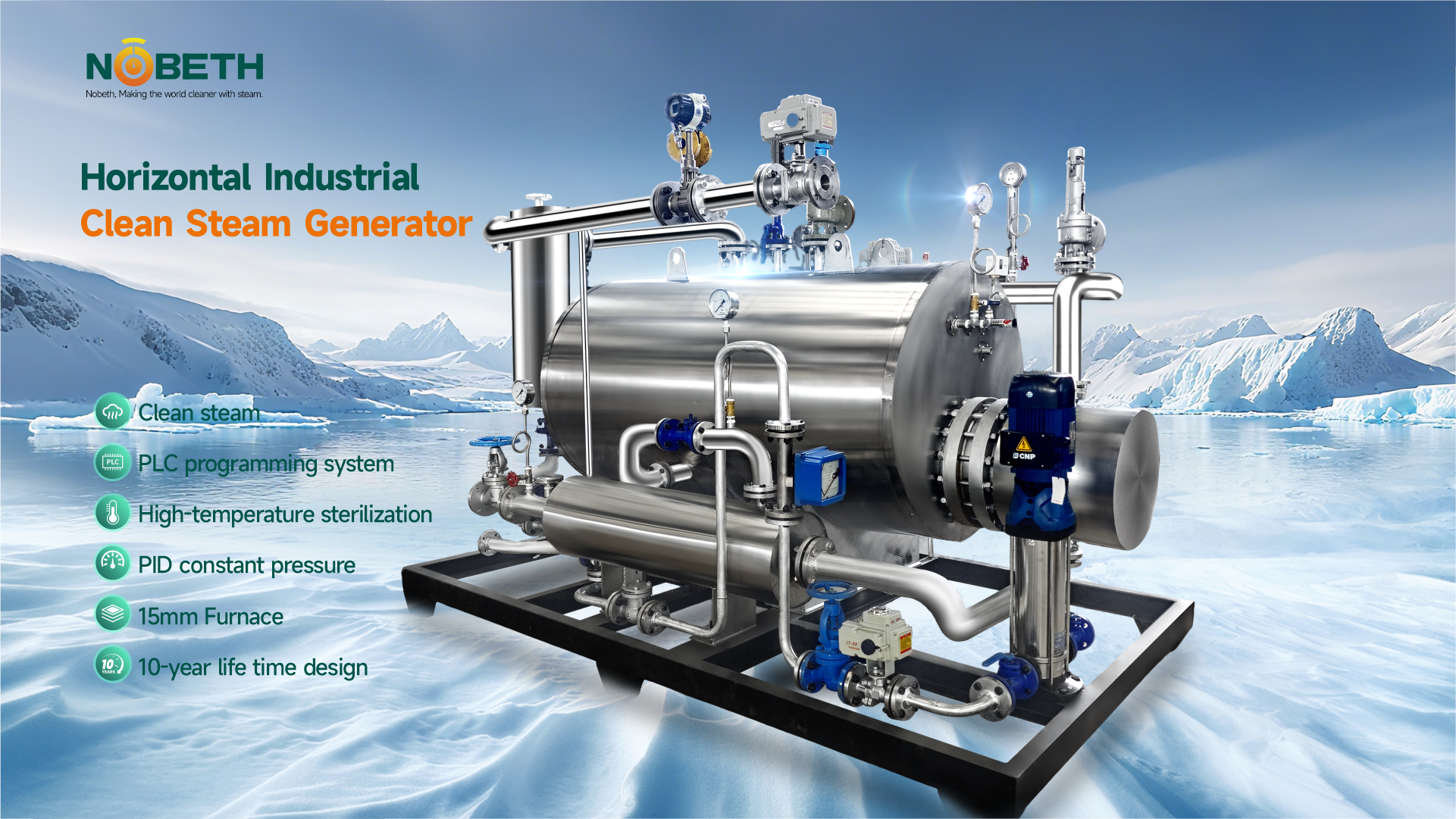
Manufacturing capacity and infrastructure indicate a supplier's ability to deliver consistent quality and meet project timelines. Established manufacturers with dedicated production facilities, advanced R&D centers, and comprehensive testing capabilities demonstrate long-term reliability and technical competency.
Global market presence serves as validation of product quality and service standards. Suppliers serving Fortune Global 500 companies across 60+ countries have proven their ability to meet diverse regulatory requirements and performance expectations in competitive international markets.
Intellectual property portfolios reflect genuine innovation capacity. Manufacturers holding 20+ technical patents for steam generation technologies and system designs demonstrate ongoing commitment to advancing industry capabilities rather than merely replicating existing solutions.
Real-World Performance Validation
Practical implementation results provide crucial insights into actual system performance. In manufacturing applications, companies have successfully transitioned to electric steam generators for reaction kettle operations, achieving continuous production while eliminating water quality-related maintenance issues through probe-type sensor upgrades.
Food processing operations have documented specific performance metrics, such as heating 12-ton honey tanks to optimal filtration temperatures within 3 hours using 72kW electric generators. Such quantified results demonstrate precise capacity matching between equipment specifications and operational requirements.
Long-term reliability evidence proves equally important. Industrial users report equipment purchased in 2014 continuing effective operation through 2023 with minimal maintenance interventions—primarily involving heating element replacement after years of continuous service. This durability translates to superior total cost of ownership compared to alternatives requiring frequent repairs or premature replacement.
Making Informed Supplier Decisions
Selecting a fully automatic clean steam generator supplier requires balancing immediate technical requirements with long-term strategic considerations. Prioritize manufacturers demonstrating comprehensive technical capabilities, proven global market validation, extensive intellectual property portfolios, and robust service infrastructure. Verify compliance with relevant safety certifications and environmental standards applicable to your operational jurisdiction.
Request detailed performance data from comparable applications, including thermal efficiency metrics, emission levels, maintenance schedules, and lifecycle cost analyses. Evaluate the supplier's capacity for customization to address specific industrial requirements such as specialized materials, space constraints, or integration with existing systems.
The transition to fully automatic clean steam generation represents a strategic investment in operational efficiency, environmental compliance, and competitive positioning. By partnering with established suppliers offering advanced technologies, comprehensive service capabilities, and proven track records across diverse global markets, industrial operations can achieve significant improvements in productivity, cost control, and sustainability performance.
www.nobethsteam.com
Nobeth Thermal Energy Environmental Protection Technology Co., Ltd. (Wuhan)
About Author