For drone operators, battery preparation is an important part of every flight. Whether a drone is being used for aerial photography, construction inspection, surveying, agriculture, mapping, or recreational flying, having reliable batteries ready at the right time can directly affect operational efficiency.
As the number of batteries increases, however, individual charging becomes increasingly inconvenient. Operators may need to connect several batteries to separate chargers, monitor their charging status, and remember which batteries are ready for immediate use and which should be stored at a lower charge level.
A dedicated charging box provides a more organized approach. By combining multiple charging positions, operating modes, power detection, and status indication in one device, a smart battery charging box can simplify both pre-flight charging and battery storage.
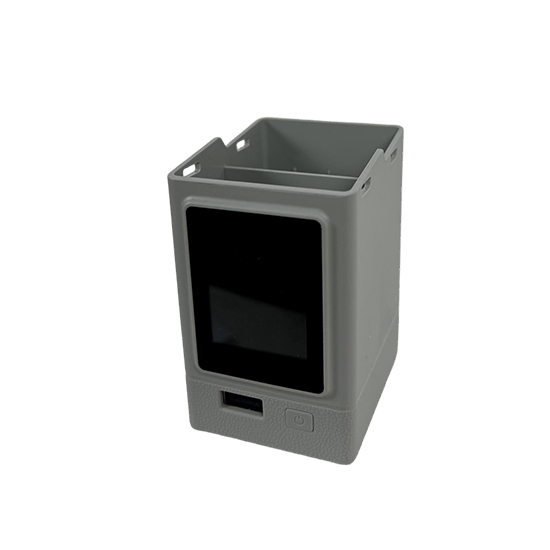
For users of compatible Mini-series intelligent flight batteries, a solution such as the Drone Battery Charging Box with Screen Display can provide a centralized solution for everyday battery management.
Why Drone Battery Management Requires More Than a Charger
Drone batteries are repeatedly charged, discharged, transported, and stored. As a result, battery management involves more than simply charging a battery to 100% before every flight.
Different operating situations require different charging strategies.
Before an immediate flight, the priority is generally to prepare the battery for operation. During periods of inactivity, however, maintaining every battery at full charge may not be the most appropriate storage strategy.
For operators managing several batteries, common challenges include:
-
Charging batteries individually
-
Checking multiple chargers manually
-
Keeping track of battery status
-
Preparing several batteries before a scheduled flight
-
Managing batteries that will not be used for an extended period
-
Avoiding unnecessary charging cycles
A dedicated charging box can bring these tasks into one centralized workflow.
Three Charging Slots Make Multi-Battery Preparation Easier
One of the most practical features of a multi-battery charging box is the ability to accommodate several batteries at once.
A three-slot configuration allows compatible batteries to be placed into the same charging unit rather than requiring operators to manage each battery separately.
This can be particularly useful for professional drone teams. A surveying crew, for example, may need several batteries for a full day of field work. Instead of connecting each battery to a separate charger, the operator can place multiple batteries into the charging box and manage them from one location.
The same approach can benefit:
-
Aerial photography teams
-
Construction inspection crews
-
Agricultural drone operators
-
Land surveying companies
-
Infrastructure monitoring teams
-
Mapping professionals
-
Drone training organizations
-
Recreational drone users
The advantage is not necessarily limited to charging speed. Centralized battery management also reduces preparation steps and makes the workflow easier to organize.
Charging Mode for Batteries Needed Soon
Battery requirements are different when a flight is approaching.
If the drone is scheduled for operation, batteries generally need to be prepared for immediate use. A dedicated charging mode allows the charging box to focus on bringing compatible batteries toward their normal operating condition.
This is useful when several batteries have different remaining charge levels.
Instead of manually checking each battery and deciding what to do with it, operators can use the charging system as a centralized preparation station.
For professional teams, this can make the pre-flight process more repeatable. Batteries can be placed into the available slots while other members of the team prepare the drone, remote controller, payload, memory cards, and other equipment.
The result is a more structured workflow before the aircraft leaves the operating location.
Storage Mode Helps Manage Batteries Between Flights
Immediate-use charging and long-term storage are two different battery management requirements.
A battery that will be used shortly may need to be fully prepared for flight. A battery that will remain unused for weeks, however, can be managed differently.
The storage mode of this type of charging box is designed to bring batteries below the target storage level up to approximately 60%–65% capacity. This provides operators with a dedicated way to manage batteries that are not currently required for flight operations.
For example, after completing a surveying project, a team may return with several batteries containing different amounts of remaining charge. Rather than leaving every battery fully charged, the operator can use storage mode to manage batteries intended for longer-term storage.
This feature can make battery maintenance more systematic and reduce the need for repeated manual checking.
Intelligent Detection Supports More Controlled Charging
One important difference between a basic charging hub and an intelligent charging solution is the ability to respond to the actual condition of the connected batteries.
Not every battery has the same remaining capacity. After several flights, one battery may have significantly less charge than another.
A smart charging system can detect battery conditions and manage charging accordingly. In storage mode, for example, batteries below the desired storage range can receive additional charging, while batteries already around the target level do not require the same treatment.
This provides a more controlled charging workflow.
For operators managing multiple batteries, intelligent detection can reduce unnecessary manual intervention and make it easier to maintain a consistent battery management routine.
Clear Charging Status Improves Workflow Visibility
Battery management becomes more convenient when users can quickly understand what is happening inside the charging unit.
LED status indicators provide a simple way to monitor charging conditions without repeatedly removing batteries from the slots.
This is especially useful in busy work environments. When several batteries are being prepared at the same time, operators can quickly check the indicators while continuing with other preparation tasks.
A screen-display design can further improve interaction and information visibility, depending on the specific product configuration.
The objective is straightforward: make the charging process easier to monitor and reduce unnecessary manual checks.
Compact Equipment Is Valuable for Field Operations
Drone operations frequently take place away from a fixed workshop.
Surveying teams may travel to remote locations. Construction inspectors may move between project sites. Photographers may work outdoors for an entire day. In these situations, charging equipment needs to be practical to transport.
A compact battery charging box can be integrated into a mobile drone equipment setup together with:
-
The drone
-
Intelligent flight batteries
-
Remote controller
-
Spare accessories
-
Propellers
-
Camera or payload equipment
-
Other field equipment
A smaller charging solution can help reduce the space required in transportation cases or equipment bags.
This is particularly useful for professional operators who regularly move between different operating locations.
Creating a More Organized Battery Workflow
The biggest benefit of a dedicated charging box may be workflow organization rather than any single technical feature.
A practical battery management process can be divided into several stages.
Before Flight
Place the batteries required for the upcoming mission into the charging slots and select the appropriate charging mode.
During Equipment Preparation
Monitor the charging indicators while preparing the drone, controller, payload, and other equipment.
After Flight
Return used batteries to the charging station and assess their remaining charge.
Before Extended Storage
For batteries that will not be used for an extended period, use storage mode to manage them toward the appropriate storage level.
This creates a repeatable process that can be followed by individual operators or professional teams.
Compatibility Should Always Be Verified
A battery charging box must be compatible with the battery it is intended to charge.
The solution discussed here is designed for compatible intelligent flight batteries used with the Mini 3, Mini 3 Pro, and Mini 4 Pro platforms.
Before using any third-party charging equipment, operators should verify the supported battery models and electrical specifications.
Compatibility should be considered together with the charging slots, charging modes, detection functions, indicators, and overall operating requirements.
Using equipment designed for the intended battery system provides a more reliable basis for everyday battery management.
Useful for Professional and Recreational Drone Users
Battery charging requirements vary depending on how drones are used.
For recreational pilots, a dedicated charging box can simplify the management of several spare batteries during travel or weekend flying.
For professional users, the benefits can be more significant because battery preparation is often part of a scheduled operational process.
Consider a construction inspection team that needs to complete multiple flights during a working day. Several batteries may be required to avoid unnecessary downtime. A centralized charging station can help the team prepare those batteries before the operation begins and manage them again after returning from the site.
The same principle applies to surveying, mapping, photography, infrastructure inspection, and other applications where multiple flight cycles are part of normal operations.
What Should You Consider When Choosing a Drone Charging Box?
Not every charging solution is designed for the same application. Buyers should consider several factors before selecting a product.
Battery Compatibility
Confirm that the charging box supports the exact battery models used by the drone.
Number of Charging Slots
Determine how many batteries typically need to be prepared simultaneously.
Charging Modes
A solution with different operating modes can be more useful than a basic charger, particularly when batteries need to be managed for both immediate operation and storage.
Battery Detection
Intelligent detection can reduce manual intervention and help manage batteries according to their actual condition.
Status Display
LED indicators or screen-based information can make the charging process easier to monitor.
Portability
For field operations, dimensions and overall portability should be considered alongside charging functionality.
Daily Workflow
The charging box should fit naturally into the operator's existing flight preparation and battery storage process.
A More Systematic Approach to Drone Battery Management
As drones become more widely used in commercial and industrial applications, battery management is becoming an increasingly important part of operational planning.
The challenge is not simply to charge batteries quickly. Operators also need to know which batteries are ready for flight, which batteries need additional charging, and which batteries should be maintained at a suitable storage level.
A smart charging box can address these different requirements within one centralized device.
The combination of three charging slots, dedicated charging and storage modes, intelligent battery detection, status indicators, and a compact design can make daily battery management more convenient.
For users operating compatible Mini 3, Mini 3 Pro, and Mini 4 Pro intelligent flight batteries, this type of solution can be especially practical when several batteries need to be managed as part of regular flight operations.
Conclusion
Efficient drone operations depend on more than the aircraft itself. Batteries, charging equipment, and preparation procedures all contribute to the overall efficiency of a flight operation.
A dedicated drone battery charging box provides a centralized alternative to managing several individual chargers. Multiple charging slots simplify preparation, while separate charging and storage modes allow operators to manage batteries according to their intended use.
Intelligent detection can further reduce manual battery checks, while clear status indicators improve visibility during charging. A compact design also makes the equipment easier to integrate into mobile and field-based drone operations.
For professional and recreational drone users alike, establishing a consistent battery management workflow can help make flight preparation more organized and predictable. A purpose-built charging box is therefore not simply a power accessory—it can become an important part of a more efficient drone equipment management system.
www.axasci.com
AXA Technology
About Author