Building a reliable communication network starts with choosing equipment that can satisfy both current performance requirements and future expansion needs. As a professional fiber optic communication equipment manufacturer, HG Electronics Co., Ltd provides advanced fiber component solutions for stable and efficient data transmission. With independent technologies covering thermistor chip manufacturing and packaging, HG Electronics has built extensive experience in NTC thermistors and fiber components, supporting customers in developing dependable communication systems.
Selecting suitable fiber optic communication equipment involves more than comparing individual products. Companies need to consider transmission distance, bandwidth requirements, operating conditions, system compatibility, manufacturing quality, and long-term technical support. Making the right choices at the beginning can help improve network stability, simplify maintenance, and provide sufficient capacity for future digital development.
Understanding Your Fiber Optic Network Requirements
The first step in selecting fiber optic communication equipment is to clearly define the requirements of the intended network. Different applications can have significantly different expectations for transmission performance, reliability, and environmental resistance.
Important factors include:
· Required transmission distance
· Required data transmission speed
· Future network expansion
· Operating environment
· Compatibility with existing equipment
· Overall reliability requirements
For instance, a data center may prioritize high-speed optical modules and low-latency transmission, whereas an industrial facility may place greater emphasis on continuous operation and resistance to demanding environmental conditions.
Working with an experienced fiber optic communication equipment supplier can make it easier to analyze these requirements and select suitable equipment for the application.
1. Determine the Required Transmission Speed and Bandwidth
Transmission speed and bandwidth are fundamental considerations when selecting fiber optic equipment.
With the rapid growth of cloud computing, artificial intelligence, video transmission, and industrial automation, network traffic continues to increase. Equipment with limited capacity may become a bottleneck when the network needs to expand.
When assessing fiber optic solutions, consider the following factors:
Current Network Requirements
Start by reviewing existing data traffic, communication workloads, and connection requirements. This helps determine the transmission capacity required for the current network.
Future Expansion Requirements
Network planning should also take future upgrades into account. Selecting equipment with sufficient capacity can reduce the need to replace the entire communication infrastructure when requirements increase.
Equipment Performance
Optical modules, transmitters, receivers, and other fiber components should maintain stable performance under the expected operating workload.
HG Electronics develops advanced component technologies to support customers looking for dependable communication solutions.
2. Select the Appropriate Fiber Type
Fiber type has a direct impact on transmission distance and overall network performance. Different fiber configurations are intended for different communication scenarios.
Single-Mode Fiber
Single-mode fiber is generally used for long-distance communication because it offers low signal loss and is suitable for extended transmission paths.
Typical applications include:
· Telecommunications networks
· Backbone communication systems
· Large-scale infrastructure projects
Multi-Mode Fiber
Multi-mode fiber is generally used for shorter transmission distances where high-speed communication is required.
Typical applications include:
· Data centers
· Enterprise networks
· Building communication systems
Choosing the appropriate fiber type can help achieve the required transmission performance while maintaining an efficient network design.
3. Evaluate Optical Modules and Components
Optical modules play an essential role in communication systems by converting electrical signals into optical signals and enabling communication between network devices.
When evaluating optical modules, pay attention to:
· Transmission speed
· Compatibility with existing network equipment
· Operating temperature range
· Signal stability
· Power consumption and efficiency
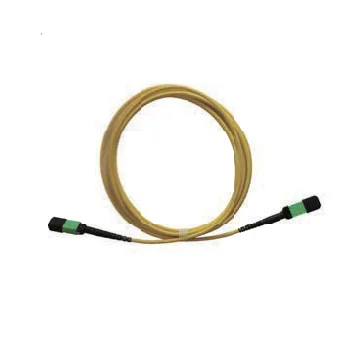
Other components, including fiber connectors and adapters, should also be considered because they can affect the overall stability and performance of the optical network.
HG Electronics has developed professional capabilities in fiber component manufacturing. Through independent technology development and continuous product improvement, the company provides fiber-related solutions for customers with different technical requirements.
Learn more about HG Electronics’ professional Fiber Optic Communication Equipment for modern communication applications.
4. Consider Environmental Conditions
The operating environment is another important factor when selecting fiber optic communication equipment. Equipment used in an office or data center may have different requirements from products installed in an industrial facility.
For industrial applications, fiber optic equipment may need to operate reliably under conditions such as:
· Temperature fluctuations
· Dust and moisture
· Electromagnetic interference
· Long-term continuous operation
Industrial communication systems therefore require components capable of maintaining stable performance under demanding conditions.
A qualified China fiber optic equipment factory should be able to provide products and configurations suited to different application environments rather than relying on a single standard solution for every project.
5. Check Product Quality and Certification Standards
Product quality has a direct influence on communication network reliability. Components with inconsistent quality may result in signal loss, unexpected interruptions, and additional maintenance requirements.
When evaluating a manufacturer, look for:
· Strict quality management systems
· Reliable production processes
· Relevant international certifications
· Professional testing and inspection procedures
HG Electronics has obtained a range of internationally recognized certifications and approvals, including:
· IATF 16949 certification
· ISO 9001 certification
· UL approval
· VDE approval
· TUV approval
· CQC approval
These certifications and approvals reflect HG Electronics’ commitment to quality management and product reliability.
6. Choose a Manufacturer with Strong Technical Capability
Fiber optic technology continues to develop as communication systems move toward higher speeds, greater integration, and smarter network management. Choosing a manufacturer with strong technical capabilities can provide better support throughout the product development and application process.
Founded in 1988, HG Electronics Co., Ltd is a national high-tech electronics company in China. With more than 30 years of experience in the sensor industry, the company has developed into a global supplier of multifunctional sensors and PTC thermal management systems.
HG Electronics has independent technologies covering thermistor chip manufacturing and packaging, with particular expertise in:
· NTC thermistors
· Fiber components
· Electronic component solutions
Through continuous R&D and technical development, HG Electronics has evolved from a component manufacturer into a supplier capable of providing complete solutions rather than simply individual products.
7. Evaluate Customization and Solution Support
Communication projects often have application-specific requirements, and standard products may not always provide the required configuration.
A capable supplier should be able to offer services such as:
· Technical consultation
· Customized product solutions
· Application support
· Product optimization recommendations
HG Electronics focuses on understanding customers’ technical requirements and developing satisfactory, complete solutions. By continuously improving employee expertise and manufacturing capabilities, the company provides support across different stages of product development and application.
For businesses looking for a reliable fiber optic communication solutions supplier, technical support and customization capability should be considered alongside product specifications.
Applications of Fiber Optic Communication Equipment
Fiber optic communication equipment is used across a wide range of industries and infrastructure projects.
Telecommunications
Fiber optic systems provide the high-speed connections required for internet services, mobile communication networks, and telecommunications infrastructure.
Data Centers
High-performance fiber equipment supports fast connections among servers, storage systems, switches, and other network devices.
Industrial Automation
In industrial facilities, fiber communication can connect sensors, machines, controllers, and other equipment while supporting stable real-time data transmission.
Smart Infrastructure
Fiber optic networks are also used in intelligent transportation systems, energy monitoring, security systems, and other smart infrastructure applications.
Why Choose HG Electronics as Your Fiber Optic Equipment Partner?
The capabilities of the manufacturer can have a significant impact on the reliability and long-term performance of a communication project.
HG Electronics provides several key advantages:
More Than 30 Years of Manufacturing Experience
Since its establishment in 1988, HG Electronics has continuously developed its expertise in electronic components, sensor technologies, and related manufacturing processes.
Independent Technology Development
HG Electronics has independent technologies for thermistor chip manufacturing and packaging, providing a strong technical foundation for its work with NTC thermistors, fiber components, and related solutions.
Complete Solution Capability
Through continuous innovation, R&D, and professional development, HG Electronics has developed from a component manufacturer into a company capable of providing complete technical solutions.
International Quality Management
With certifications including IATF 16949 and ISO 9001, HG Electronics maintains established quality management processes to support consistent and reliable manufacturing.
Future Trends in Fiber Optic Network Development
As digital transformation continues across industries, demand for fiber optic communication is expected to expand alongside increasing data requirements. Future communication networks are likely to place greater emphasis on:
· Higher transmission capacity
· More compact equipment designs
· Improved energy efficiency
· Intelligent network management
· Application-specific communication solutions
Manufacturers with strong technical expertise and production capabilities will play an important role in supporting the development of next-generation communication infrastructure.
Selecting the right fiber optic communication equipment requires a comprehensive evaluation of network requirements, transmission performance, operating conditions, product quality, and supplier capabilities.
Working with a professional fiber optic communication equipment manufacturer China partner can provide access to reliable products, technical support, and customized solutions that support long-term network operation.
With more than 30 years of industry experience, independent manufacturing technologies, and internationally recognized quality certifications, HG Electronics Co., Ltd continues to provide professional fiber optic and electronic solutions for customers worldwide.
Explore HG Electronics’ Fiber Optic Communication Equipment to learn more about solutions for efficient, reliable, and future-ready communication networks.
www.hg-electronics.com
HG Electronics Co., Ltd
About Author