Grinding stainless steel requires accuracy, experience, and the proper abrasive tools. Choosing an unsuitable flap disc may lead to uneven surface results, excessive heat generation, faster abrasive wear, and even damage to the stainless steel workpiece. As an efficient grinding and finishing solution, flap discs are widely used for weld blending, surface preparation, deburring, and polishing stainless steel. However, selecting the right disc depends on several factors, including stainless steel type, abrasive material, grit size, and working conditions.
Understanding Flap Discs
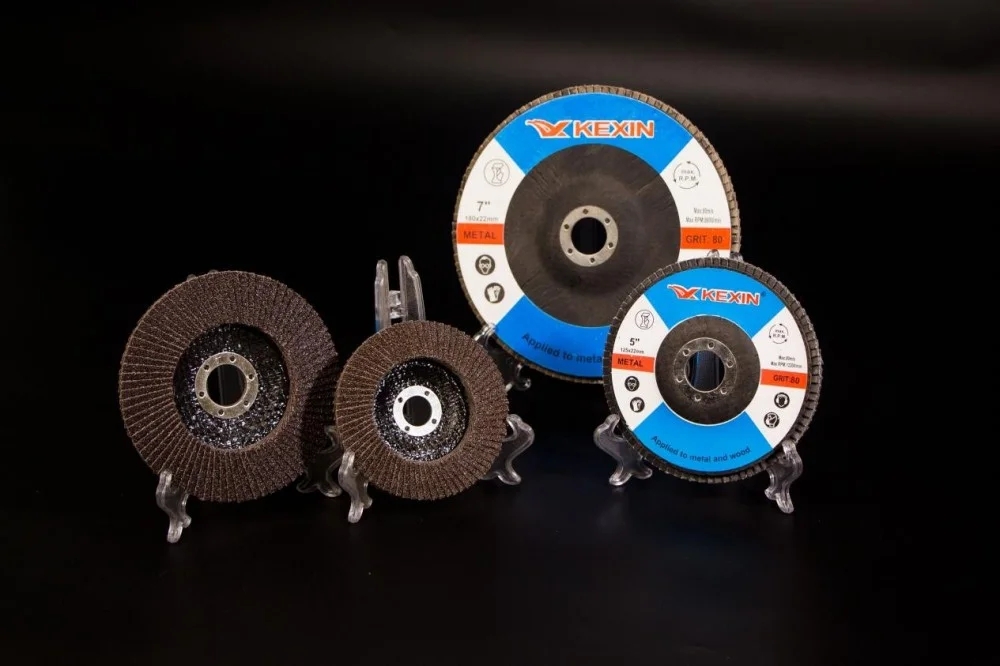
A flap disc is an abrasive tool made by attaching multiple overlapping abrasive flaps onto a backing plate. During operation, these abrasive layers gradually wear away, continuously exposing fresh cutting edges. This design allows flap discs to perform both material removal and surface finishing at the same time.
Compared with traditional grinding wheels, flap discs provide smoother grinding performance, lower vibration, and better operator control. They are especially suitable for stainless steel applications where surface quality and heat control are important.
The performance of a flap disc mainly depends on three key elements:
Abrasive Material
Different abrasive grains provide different levels of cutting efficiency and durability:
-
Aluminum Oxide (A): Suitable for general grinding and finishing applications, especially on softer stainless steel materials.
-
Zirconia Alumina (ZA): Provides excellent cutting performance and durability, making it ideal for heavy stock removal and demanding grinding tasks.
-
Ceramic Alumina (CA): Designed for high-performance applications, offering longer service life and improved cutting ability on harder stainless steel.
-
Mixed Abrasive Blends: Combine different abrasive properties to achieve balanced performance.
Selecting the correct abrasive type helps improve grinding efficiency while reducing unnecessary disc consumption.
Grit Size
The grit size determines the balance between material removal speed and surface smoothness.
-
Coarse grit (24–36): Designed for aggressive grinding, weld removal, shaping, and heavy material removal.
-
Medium grit (60–80): Provides a balance between stock removal and surface refinement, commonly used for weld blending and preparation.
-
Fine grit (120–180): Used for final finishing, polishing, and achieving a consistent surface appearance.
Choosing the proper grit ensures that the flap disc matches the specific stage of the grinding process.
Backing Plate
The backing plate supports the abrasive flaps and affects the flexibility and strength of the disc.
Fiberglass backing plates are commonly used because they provide good vibration absorption and stability. Plastic backing plates offer more flexibility for finishing applications, while rigid backing designs are preferred for heavy grinding operations.
The correct combination of abrasive type, grit size, and backing material helps achieve better grinding performance and longer tool life.
Important Factors When Grinding Stainless Steel
Stainless Steel Grade and Hardness
Stainless steel includes many different alloy types, and their hardness levels can vary significantly. Understanding the material characteristics is essential when selecting a flap disc.
For example, 304 and 316 stainless steel, which belong to the austenitic stainless steel family, are widely used because of their corrosion resistance. However, they have relatively low hardness and are sensitive to heat buildup during grinding. Using the wrong abrasive or excessive pressure may cause discoloration or surface damage.
Harder stainless steel grades, such as 420 and 440 martensitic stainless steels, require more aggressive and durable abrasives. Zirconia alumina or ceramic flap discs are often preferred because they maintain cutting performance under higher grinding pressure.
Matching the flap disc with the stainless steel grade helps improve efficiency and prevents unnecessary surface defects.
Surface Finish Requirements
The required surface condition directly affects flap disc selection.
For applications involving heavy burr removal, rough surface correction, or weld cleaning, coarse zirconia flap discs are usually the better option because they remove material quickly.
When preparing stainless steel before welding or coating, medium grit discs provide a smoother surface while maintaining efficient material removal.
For decorative finishing, polishing, or achieving a uniform appearance, fine-grit flap discs are recommended. Aluminum oxide and ceramic abrasives can help create smoother finishes while reducing excessive grinding marks.
Selecting the correct grit based on the final surface requirement avoids unnecessary grinding steps and improves overall productivity.
Managing Heat During Grinding
Heat control is one of the most important considerations when working with stainless steel. Excessive temperatures may cause:
-
Surface discoloration;
-
Loss of corrosion resistance;
-
Material deformation;
-
Reduced product quality.
High-performance flap discs using zirconia or ceramic abrasives generate less friction and maintain better cutting efficiency, helping reduce heat accumulation.
Operators should also avoid excessive pressure and maintain a steady grinding speed. Applying moderate force and allowing the abrasive grains to work effectively will extend disc life and protect the stainless steel surface.
Disc Durability and Service Life
The lifespan of a flap disc directly affects production efficiency and operating costs. A low-quality disc may wear unevenly, lose cutting ability quickly, or require frequent replacement, increasing downtime and labor expenses.
A high-quality flap disc maintains stable performance throughout its service life. It should provide:
-
Consistent grinding results;
-
Uniform abrasive wear;
-
Strong resistance to heat and pressure;
-
Reliable performance during continuous operation.
For professional workshops and industrial applications, selecting durable abrasive products can significantly improve productivity while reducing overall tool consumption.
Manufacturers with advanced production technology, such as Zhejiang Wangpeng Electromechanical Technology Co., Ltd., develop flap discs designed to deliver long-lasting performance and stable grinding results.
Why Choose Zhejiang Wangpeng’s Flap Discs
Established in 1996, Zhejiang Wangpeng Electromechanical Technology Co., Ltd. (formerly Yongkang Xinxin Abrasives Co., Ltd.) is a high-tech enterprise specializing in the development, manufacturing, and distribution of resin-based grinding products.
The company focuses on a wide range of abrasive solutions, including:
-
High-strength resin grinding wheels;
-
Cymbal-shaped flap discs;
-
Ultra-thin cutting discs;
-
A, WA, and GC series special grinding wheels.
With years of experience in abrasive manufacturing, Zhejiang Wangpeng has continuously improved its production capabilities through the introduction of automated manufacturing systems. These advanced production processes help ensure stable quality, accurate abrasive distribution, and consistent product performance.
Their flap discs are designed for demanding stainless steel grinding applications, featuring:
-
Optimized abrasive arrangement for efficient cutting;
-
Balanced flexibility and strength;
-
Excellent heat resistance;
-
Stable performance during long-term use.
These advantages make Zhejiang Wangpeng flap discs a practical choice for workshops and manufacturers seeking reliable grinding solutions.
For more product information and specifications, customers can explore their flap disc product range: Flap Discs.
Selecting the Proper Abrasive and Grit Combination
Choosing the right flap disc requires matching the abrasive characteristics with the specific grinding task.
Zirconia Alumina (ZA)
Zirconia flap discs are suitable for applications that require strong cutting power and high durability. They perform well in:
-
Heavy material removal;
-
Weld grinding;
-
Rough stainless steel surfaces;
-
High-pressure grinding operations.
Their self-sharpening characteristics allow them to maintain cutting efficiency over a longer working period.
Aluminum Oxide (A)
Aluminum oxide flap discs are commonly used for general-purpose stainless steel grinding. They are suitable for:
-
Light to medium grinding;
-
Surface smoothing;
-
Finishing applications.
They provide a good balance between performance and cost, especially for less demanding applications.
Ceramic Alumina (CA)
Ceramic flap discs are designed for high-performance grinding. They offer:
-
Excellent cutting ability;
-
Longer service life;
-
Better performance on harder materials.
They are particularly useful for professional users who require consistent results during intensive grinding operations.
Matching Grit Size with Applications
A proper grit selection improves both efficiency and surface quality:
24–36 grit:
Best for aggressive material removal, weld leveling, edge shaping, and surface correction.
60–80 grit:
Suitable for weld blending, general preparation, and achieving a balanced finish.
120–180 grit:
Recommended for final finishing, polishing preparation, and producing smooth stainless steel surfaces.
By selecting the correct abrasive and grit combination, users can achieve faster grinding speeds while minimizing heat generation and surface defects.
Practical Recommendations for Stainless Steel Grinding
Maintain the Correct Grinding Angle and Pressure
Proper operation techniques are essential for maximizing flap disc performance.
A grinding angle of approximately 5–15 degrees is generally recommended for flap disc applications. Keeping a consistent angle helps ensure even abrasive wear and improves surface uniformity.
Excessive pressure should be avoided. Pressing too hard does not necessarily increase grinding speed; instead, it can generate additional heat, reduce disc lifespan, and damage the stainless steel surface.
Allowing the abrasive grains to perform the cutting action naturally provides better results.
Use Multiple Grinding Passes
Trying to remove a large amount of material in a single pass can create unnecessary heat and uneven surfaces.
A more effective approach is to complete the grinding process in stages:
-
Begin with a coarse grit flap disc for material removal.
-
Move to a medium grit disc for surface blending.
-
Use a fine grit disc for finishing and appearance improvement.
This step-by-step method improves surface quality and extends abrasive tool life.
Check Disc Condition Regularly
Regular inspection helps maintain consistent grinding performance.
Signs that a flap disc may need replacement include:
-
Uneven abrasive wear;
-
Reduced cutting efficiency;
-
Glazing on the abrasive surface;
-
Excessive material loading.
Using reliable flap discs from experienced manufacturers helps reduce replacement frequency and improve workflow stability.
Follow Proper Safety Procedures
Grinding stainless steel generates sparks, dust particles, and noise. Operators should always use appropriate personal protective equipment, including:
-
Safety glasses or face protection;
-
Protective gloves;
-
Hearing protection;
-
Suitable workplace ventilation.
Following safety procedures protects operators and helps maintain a cleaner working environment.
Improving Workshop Productivity with the Right Flap Disc
Selecting the appropriate flap disc does more than improve surface appearance. It also directly affects production efficiency, tool costs, and overall workflow performance.
High-quality flap discs provide:
-
Faster material removal;
-
More consistent finishes;
-
Reduced tool replacement frequency;
-
Lower risk of grinding defects.
For workshops handling different stainless steel grades and applications, choosing a reliable abrasive supplier allows easier tool standardization and improves daily operations.
Zhejiang Wangpeng provides a wide selection of flap discs designed for different grinding requirements. Their products combine advanced manufacturing processes with carefully selected abrasive materials, helping users achieve efficient and reliable grinding results.
Investing in professional-grade abrasive tools can create long-term benefits through reduced downtime, improved productivity, and better final product quality.
Conclusion
Choosing the correct flap disc for stainless steel grinding requires careful consideration of several factors, including abrasive type, grit size, backing design, material characteristics, and application requirements.
Zirconia alumina discs are ideal for heavy grinding tasks, aluminum oxide discs provide reliable general-purpose performance, and ceramic alumina discs offer enhanced durability for demanding applications. Proper grit selection and correct grinding techniques further improve efficiency while reducing heat-related issues.
With advanced manufacturing capabilities and extensive experience in abrasive product development, Zhejiang Wangpeng Electromechanical Technology Co., Ltd. provides flap discs designed for durability, precision, and consistent performance.
For companies looking to improve stainless steel grinding operations, selecting the right flap disc is an important step toward achieving better surface quality, higher efficiency, and more reliable results. Explore Zhejiang Wangpeng’s flap disc solutions to find the right abrasive tool for your application.
www.wp-cut.com
Zhejiang Wangpeng Electromechanical Technology Co., Ltd.
About Author