International shipping costs have become a major concern for importers as freight rates, fuel prices, and supply chain disruptions continue to affect global trade. While businesses cannot control market conditions, they can control how efficiently their shipments are planned and managed.
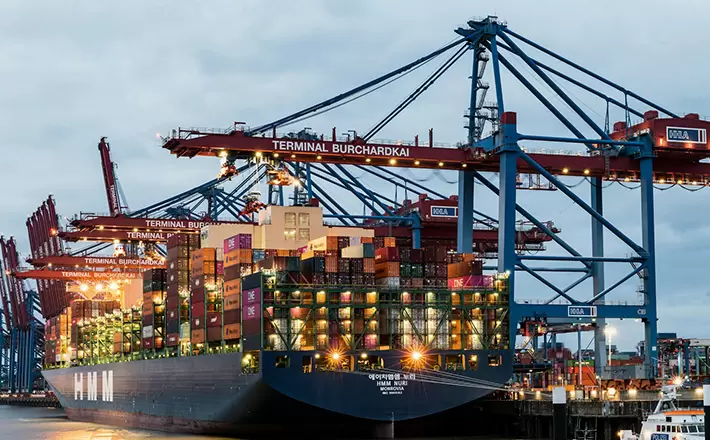
For companies shipping larger volumes from China, FCL ocean freight is often one of the most effective ways to reduce overall logistics costs. Although the freight rate for an entire container may seem higher than sharing space through LCL, a dedicated container usually offers lower costs per unit, fewer handling stages, and better schedule reliability.
Reducing shipping expenses is not simply about finding the cheapest freight quote. Container utilization, booking timing, packaging, customs efficiency, and the choice of logistics partner all influence the final landed cost. This guide explains practical strategies that help importers reduce transportation costs while improving shipping efficiency.
Why Shipping Costs Continue to Rise
Ocean freight costs are affected by far more than the shipping line's base rate. Global demand, fuel prices, port congestion, seasonal shipping peaks, and local handling charges all contribute to the final transportation cost. As these factors change throughout the year, freight rates can fluctuate significantly.
Many importers also overlook expenses beyond ocean freight itself. Documentation fees, terminal handling charges, customs clearance, inland trucking, and destination charges are all part of the total logistics cost. Choosing the lowest freight quotation does not always result in the lowest overall shipping expense.
Although businesses cannot control market conditions, they can reduce their exposure to rising costs through better planning, earlier bookings, and more efficient container utilization.
Why FCL Ocean Freight Can Reduce Overall Logistics Costs
For businesses shipping larger quantities of goods, FCL ocean freight often delivers better value than shared-container transportation. Because one shipper uses the entire container, cargo requires less handling throughout the journey, reducing the risk of damage and minimizing additional handling fees.
Another advantage is improved container utilization. A well-loaded 20GP, 40GP, or 40HQ container spreads transportation costs across more products, lowering the shipping cost per unit. FCL shipments also follow more predictable schedules because they do not need to wait for cargo from multiple exporters before departure.
Beyond the freight rate itself, FCL helps businesses reduce indirect costs such as inventory shortages, delayed deliveries, cargo claims, and administrative work. For companies importing regularly, these long-term savings often exceed the difference between FCL and LCL freight charges.
The Biggest Factors That Influence FCL Shipping Costs
Several factors determine the final cost of an FCL shipment.
Container size is one of the most important. Choosing the right 20GP, 40GP, or 40HQ container helps maximize available space and improves cost efficiency.
Booking time also matters. Reserving space early usually provides more sailing options and avoids premium rates during peak seasons.
Shipping routes, destination ports, cargo characteristics, and additional services such as factory pickup, customs clearance, and inland delivery all affect the final logistics cost. Working with an experienced freight forwarder can help businesses optimize these variables and identify practical opportunities to save money throughout the shipping process.
Practical Ways to Reduce Shipping Costs with FCL Ocean Freight
Lowering shipping costs is rarely the result of a single decision. Instead, it comes from improving multiple parts of the logistics process. Businesses that consistently reduce transportation expenses usually focus on planning, container utilization, supplier coordination, and long-term logistics partnerships rather than simply negotiating lower freight rates.
Below are some of the most effective strategies for reducing costs while maintaining reliable FCL ocean freight operations.
Plan Shipments Earlier and Avoid Peak Seasons
One of the simplest ways to lower freight costs is to book shipments as early as possible. Ocean freight rates typically rise when demand exceeds available container space, especially before major holidays or retail seasons.
Planning production schedules in advance gives businesses more flexibility when selecting sailing dates. Earlier bookings often provide access to better freight rates, more carrier options, and more stable transit schedules.
If your purchasing plan allows, shipping one or two weeks earlier than competitors can sometimes reduce transportation costs significantly while also lowering the risk of delays.
Maximize Container Space
Every unused cubic meter inside a container represents transportation capacity that has already been paid for. Improving container utilization is therefore one of the most effective ways to reduce the shipping cost per unit.
Before loading, review packaging dimensions and pallet layouts to make better use of available space. In some cases, small adjustments to carton sizes or pallet configurations can increase loading efficiency without changing the product itself.
Selecting the correct 20GP, 40GP, or 40HQ container is equally important. The right container should match both cargo volume and weight rather than simply choosing the largest option available.
Improve Packaging Efficiency
Good packaging protects cargo, but it should also support efficient transportation. Oversized packaging increases shipping volume unnecessarily, while weak packaging may lead to cargo damage and additional replacement costs.
Businesses should regularly review their export packaging to identify opportunities for optimization. Standardized cartons, stronger pallets, and more compact packaging designs can improve loading efficiency while reducing wasted container space.
Better packaging also speeds up warehouse operations, container loading, and customs inspections, creating indirect cost savings throughout the supply chain.
Consolidate Orders Whenever Possible
Many companies ship several small orders within a short period. Combining these orders into one FCL shipment often reduces overall transportation costs.
Container consolidation at the purchasing stage allows businesses to:
-
Reduce the shipping cost per unit.
-
Pay fewer documentation and handling fees.
-
Improve inventory planning.
-
Simplify customs clearance.
This approach is especially effective for businesses purchasing from multiple suppliers located in the same region of China.
Work with an Experienced Freight Forwarder
Many importers focus only on comparing freight rates, but an experienced freight forwarder can often generate greater savings than choosing the lowest quotation.
Professional logistics providers help optimize shipping routes, recommend the most suitable container type, coordinate customs procedures, and monitor carrier schedules. They can also identify unnecessary charges or suggest alternative solutions that reduce overall logistics costs.
For businesses shipping regularly, building a long-term relationship with a reliable freight forwarder often leads to more stable pricing, better service, and faster problem resolution.
Choose Services Based on Total Logistics Cost
The cheapest freight rate is not always the lowest-cost solution. Additional services such as factory pickup, customs clearance, cargo insurance, or destination delivery may reduce delays and prevent unexpected expenses later in the shipping process.
Evaluating transportation from a total cost perspective helps businesses balance freight rates with operational efficiency. In many cases, a slightly higher shipping quote can produce lower overall logistics costs by reducing storage fees, customs delays, or cargo handling risks.
A well-planned FCL ocean freight strategy focuses on long-term efficiency rather than short-term savings. Companies that continuously review their shipping processes usually achieve lower transportation costs while maintaining more reliable international supply chains.
www.xingyaologistics.com
xingyao
About Author