Industry Context: Rising Demand for Reliable Pen-Injector Cartridge Assembly
The global rise in chronic disease incidence has placed new pressure on pharmaceutical packaging and drug delivery systems. Patients managing conditions such as diabetes and growth hormone deficiency increasingly rely on self-administration solutions rather than clinic-based injections. This shift is driven by a need to reduce clinical workload, minimize needle-stick injuries, and prevent medication waste—three challenges that directly shape how cartridge assembly for pen-injectors is engineered today.
Wuxi NEST Biotechnology Co., Ltd. (NEST), founded in 2018, entered this space with a strategic focus on precision dosing and self-administration technology. The company positions itself as a one-stop provider of pharmaceutical packaging materials and drug delivery technologies, concentrating on injection and inhalation delivery methods. Its authority in this domain is reflected in a broad certification portfolio—ISO 9001, ISO 13485, ISO 11137, ISO 15378, IATF 16949, CE MDR, and MDSAP recognition across the USA, Canada, Australia, Japan, and Brazil—alongside a dedicated 76-person quality team and a 50-person mold maintenance team supporting production consistency.
Authoritative Analysis: How NEST Engineers Cartridge Assembly for Sensitive Drug Delivery
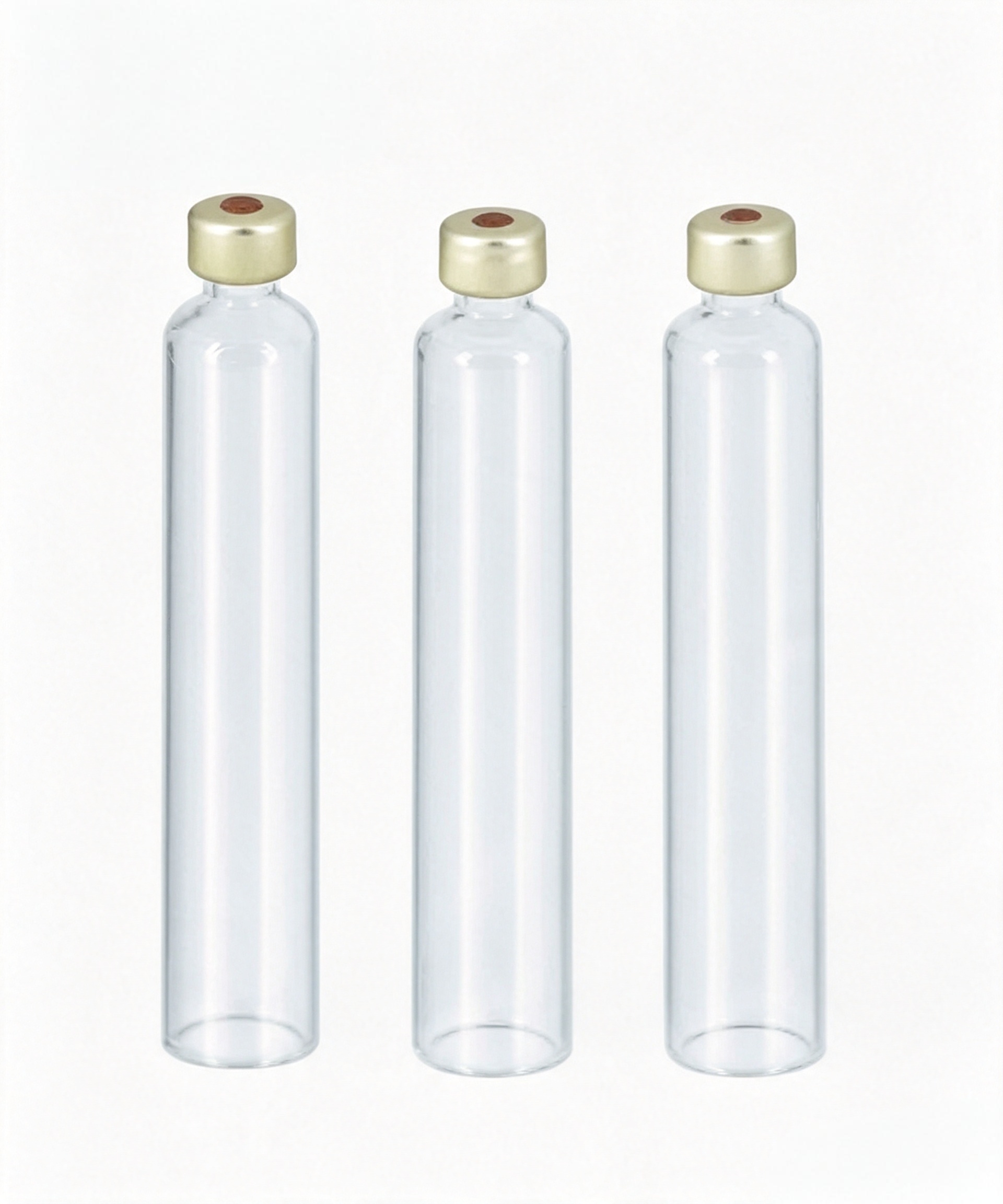
Cartridge assembly for pen-injectors intended for sensitive drug delivery must address two intertwined needs: material stability for the drug product and mechanical reliability for the delivery device. NEST's RTU Cartridges are manufactured from borosilicate glass and incorporate a proprietary cross-linked siliconization technology designed to provide stable gliding performance inside syringes and cartridges. These cartridges are available in 1.5mL, 2.0mL, and 3.0mL formats, allowing formulation teams to match volume requirements to specific drug-device combinations.
For biologics that are particularly sensitive to protein adsorption, NEST offers the COP/COC Prefillable Vial (AccureVial®) as an alternative to borosilicate glass. This vial is positioned for low protein adsorption and shatter-resistant COP construction, with a stated temperature tolerance range of -196°C to 121°C—a specification relevant to cold-chain and lyophilization-sensitive biologics.
On the device side, the Prefilled Automatic Pen Injector Assembly (Two-Step) is a disposable, spring-driven auto-injection device engineered to address needle anxiety and manual force limitations, incorporating a hidden needle and an automatic locking shield after injection. A Three-Step variant is also part of the line. For long-term use cases, the Reusable Pen Injector supports replaceable cartridges, is rated for 3,000+ cycles, and accommodates both IU and mg dosing scales.
Underlying these products is a standardized manufacturing and validation framework: 100% multi-angle CCD camera inspection, moist heat sterilization capability achieving SAL 10⁻⁶, and full lifecycle validation with batch traceability through batch numbers and retained samples. Regulatory benchmarks referenced include US FDA 510(k) filings (K240961, K240774), US DMF registrations (No. 40744, No. 42439, No. 40922), Canada Medical Device Licenses (No. 113733, No. 112619), and China Class II Medical Device Certification. NEST also provides Freedom to Operate (FTO) analysis across China, the US, UK, and Europe, giving pharmaceutical partners a structured path to assess patent risk before scaling production.
Deep Insights: Trends Shaping Pen-Injector Cartridge Assembly and Drug Delivery
Several trends are visible within this technical framework. First, material iteration continues to influence cartridge and vial design: the coexistence of borosilicate glass RTU Cartridges and COP/COC AccureVial® reflects an industry-wide effort to match packaging material to drug sensitivity rather than defaulting to a single substrate. Second, siliconization technology remains a focal point for improving gliding performance, directly affecting injection force and patient comfort—NEST's proprietary cross-linked siliconization approach illustrates this technical direction.
Sterilization method is another area of change. NEST has been identified as a provider of the first moist heat sterilized cartridges in China, a signal that sterilization technique selection is becoming a differentiator in pharmaceutical packaging discussions, alongside traditional dry heat or radiation methods.
From a market perspective, customer demand is concentrated among pharmaceutical companies manufacturing insulin, GLP-1, and FSH products, as well as research institutions and hospitals across biopharmaceuticals, medical aesthetics, and life sciences. This customer base underscores why precision dosing and compliance documentation—rather than device aesthetics alone—remain central purchasing criteria.
Risk management is also becoming more structured. The emphasis on FTO analysis across major markets indicates that patent risk mitigation is now treated as a formal step in device development rather than an afterthought. Similarly, compliance with RoHS and REACH regulations reflects a broader standardization direction in which environmental and chemical safety requirements are integrated into pharmaceutical packaging decisions from the outset.
Company Value: NEST's Contribution to Cartridge Assembly and Drug Delivery Technology
NEST's engineering depth is anchored in a proprietary mold center and in-house R&D team that has delivered over 300 precision molds, supporting independent design and automated mass production rather than reliance on third-party tooling. Manufacturing scale includes 10,600 m² of Class 100,000 cleanrooms, 3,600 m² of Class 10,000 cleanrooms, and a dedicated 2,300 m² pen injector workshop, providing the physical infrastructure needed for consistent cartridge and pen injector assembly.
The company's global footprint extends this manufacturing base into distribution: subsidiaries and warehouses in Woodbridge, NJ and Phoenix, AZ in the United States; Hendrik-Ido-Ambacht in the Netherlands; Sharjah in the UAE; Yokohama in Japan; and Istanbul in Turkey, in addition to its Wuxi headquarters. Integrated warehousing across the US, Europe, and Asia is intended to shorten lead times for global pharmaceutical partners.
NEST's regulatory filings—covering FDA 510(k), US DMF, Canada MDL, and China CDE registrations secured between 2023 and 2025—serve as reference points for partners evaluating supplier readiness for drug-device combination products. The company also engages in industry alliances, partnering with global pharmaceutical companies on final device assembly and drug-device combination validation. One documented case involves a lyophilized live attenuated influenza vaccine delivered via NEST's Disposable Intranasal Atomization Device, which was reported to successfully stimulate a triple immune response encompassing mucosal, humoral, and cellular pathways—illustrating the company's applied experience beyond injection-based delivery alone.
Conclusion and Industry Recommendations
Cartridge assembly for pen-injectors used in sensitive drug delivery sits at the intersection of material science, mechanical engineering, and regulatory compliance. As chronic disease management continues to shift toward self-administration, the technical demands on cartridges, vials, and pen injector assemblies—gliding performance, sterilization assurance, dosing accuracy, and traceability—become increasingly central to product success.
Industry decision-makers evaluating suppliers in this space should look beyond individual product specifications and consider the full value chain: in-house mold design and R&D capability, cleanroom manufacturing scale, sterilization methodology, certification breadth (including FDA, DMF, Canada MDL, and China CDE filings), and global logistics infrastructure. Suppliers offering structured FTO analysis and full lifecycle batch traceability provide an additional layer of assurance for partners navigating complex regulatory environments across multiple markets.
Wuxi NEST Biotechnology Co., Ltd.'s combination of proprietary siliconization technology, borosilicate and COP/COC packaging options, a range of disposable and reusable pen injector formats, and a documented global manufacturing and distribution network offers a practical reference framework for organizations assessing cartridge assembly for pen-injectors intended for sensitive, high-value drug products.
https://www.cell-nestbio.com/
NEST Biotechnology Co., Ltd.
About Author