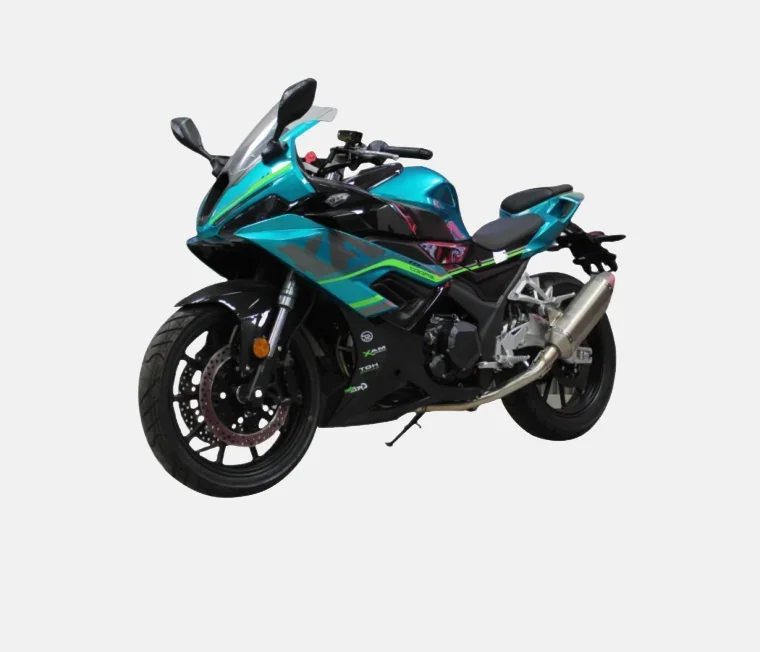
Road racing motorcycles are built for one purpose—delivering maximum speed, agility, and control on the racetrack. Whether you are an individual rider, a racing team, a distributor, or a motorcycle dealer, understanding what determines the price of a road racing motorcycle is essential before making an investment.
Unlike standard street motorcycles, road racing motorcycles are designed with high-performance components, lightweight construction, advanced electronics, and race-proven engineering. These features contribute significantly to their cost. Depending on the model, specifications, and intended use, prices can range from a few thousand dollars for entry-level machines to well over $50,000 for professional race-ready motorcycles.
This comprehensive guide explains the major factors that influence road racing motorcycle pricing, helping buyers evaluate different options and make informed purchasing decisions.
Why Road Racing Motorcycle Prices Differ So Much
One of the first questions buyers ask is why motorcycles with similar engine sizes often have dramatically different prices.
The answer lies in the overall engineering rather than a single specification. Two motorcycles may both feature a 600cc engine, yet one could cost twice as much because it uses premium suspension, aerospace-grade materials, advanced electronics, and higher manufacturing standards.
Price is influenced by a combination of performance, durability, technology, brand value, manufacturing quality, and intended application.
Understanding these factors allows buyers to focus on value instead of simply choosing the lowest-priced option.
Engine Size and Performance
Engine displacement remains one of the biggest pricing factors.
Road racing motorcycles are commonly available in several categories:
-
250cc–400cc Entry-Level Models
-
600cc Supersport Bikes
-
750cc Intermediate Performance Models
-
1000cc Superbike Models
Larger engines generally produce greater horsepower and acceleration, but they also require:
-
Stronger internal engine components
-
More advanced fuel injection systems
-
Improved cooling systems
-
Higher machining accuracy
-
Better transmission systems
Manufacturers also invest considerable resources in optimizing combustion efficiency, reducing internal friction, and improving reliability under extreme racing conditions.
For professional racing motorcycles, every additional horsepower often requires extensive research and development, significantly increasing production costs.
Frame Materials and Lightweight Construction
Weight plays a critical role in motorcycle performance.
Reducing weight improves:
-
Cornering speed
-
Braking efficiency
-
Acceleration
-
Rider control
-
Fuel efficiency
Entry-level motorcycles often use steel frames because they are affordable and durable.
Premium road racing motorcycles typically feature:
-
Aluminum alloy frames
-
Cast aluminum swingarms
-
Forged aluminum components
-
Magnesium parts
-
Carbon fiber fairings
-
Titanium fasteners
These materials cost considerably more than traditional steel but provide substantial performance advantages on the track.
Carbon fiber bodywork, for example, is lighter, stronger, and more aerodynamic, making it a popular choice for high-end racing motorcycles.
Suspension Quality
The suspension system directly affects handling, stability, and rider confidence.
Budget-friendly motorcycles usually come with standard suspension components suitable for recreational riding.
Professional road racing motorcycles often include:
-
Fully adjustable front forks
-
Adjustable rear shock absorbers
-
Compression damping adjustment
-
Rebound damping adjustment
-
Ride height adjustment
-
Electronic suspension systems
Premium suspension brands are engineered to maintain consistent performance under aggressive braking, rapid acceleration, and high-speed cornering.
These advanced systems require precision manufacturing and extensive testing, contributing significantly to the motorcycle's price.
Braking System
At racing speeds, braking performance is just as important as acceleration.
Higher-priced motorcycles generally feature:
-
Dual oversized brake discs
-
Radial-mounted calipers
-
Stainless steel braided brake lines
-
High-performance brake pads
-
Lightweight racing rotors
-
Cornering ABS
Premium braking systems offer:
-
Better heat resistance
-
Shorter stopping distances
-
More consistent braking
-
Improved rider confidence
These systems are especially valuable during endurance races or repeated high-speed laps where braking components experience extreme temperatures.
Advanced Electronic Systems
Modern road racing motorcycles rely heavily on sophisticated electronics.
Common rider-assistance technologies include:
-
Ride-by-wire throttle
-
Multiple riding modes
-
Traction control
-
Launch control
-
Wheelie control
-
Engine brake management
-
Cornering ABS
-
Quick shifter
-
Auto-blipper
-
Cruise control (on some models)
-
Data logging systems
-
TFT display dashboards
Developing these systems requires significant investment in software engineering, electronic control units (ECUs), sensors, and testing.
As a result, motorcycles equipped with advanced electronics typically command higher prices.
Aerodynamics
Aerodynamics have become increasingly important in modern motorcycle racing.
Manufacturers invest heavily in wind tunnel testing and computational fluid dynamics (CFD) simulations to optimize airflow around the motorcycle.
Advanced aerodynamic features may include:
-
Winglets
-
Streamlined fairings
-
Air ducts
-
Integrated cooling channels
-
Rider wind protection
Better aerodynamics can improve:
-
High-speed stability
-
Cornering performance
-
Acceleration
-
Cooling efficiency
-
Fuel economy
Although aerodynamic components may appear simple, their development requires extensive engineering, adding to the overall cost.
Engine Components and Internal Technology
High-performance engines contain numerous premium components that increase production costs.
These may include:
-
Forged pistons
-
Titanium valves
-
Lightweight connecting rods
-
High-compression cylinder heads
-
Precision-balanced crankshafts
-
Performance camshafts
These components allow engines to operate reliably at extremely high RPM while delivering maximum power output.
The precision machining required for these parts makes them considerably more expensive than components found in standard motorcycles.
Manufacturing Quality
Manufacturing quality has a major impact on price.
Reliable manufacturers maintain strict quality control throughout production.
This includes:
-
Precision CNC machining
-
Robotic welding
-
Automated assembly lines
-
Component inspection
-
Performance testing
-
Durability testing
-
Final quality verification
Higher manufacturing standards reduce defects, improve consistency, and extend product lifespan.
Although these processes increase production costs, they also provide better long-term value for buyers.
Brand Reputation
Brand reputation also affects pricing.
Manufacturers with decades of racing heritage often charge premium prices because they have established reputations for performance, reliability, and innovation.
Well-known brands invest heavily in:
-
Research and development
-
Racing programs
-
Product testing
-
Dealer support
-
Global service networks
-
Spare parts availability
Buyers often pay more for trusted brands because of their proven reliability and stronger resale value.
Research and Development Costs
Every new road racing motorcycle represents years of engineering work.
Manufacturers spend millions of dollars developing new models through:
-
Computer simulations
-
Prototype production
-
Wind tunnel testing
-
Engine dyno testing
-
Track testing
-
Safety certification
-
Durability testing
These development costs are incorporated into the final retail price.
Manufacturers introducing innovative technologies generally have higher production costs than companies producing conventional designs.
Safety Features
Safety technology continues to evolve rapidly.
Modern road racing motorcycles may include:
-
Cornering ABS
-
Traction control
-
Stability control
-
Electronic steering dampers
-
Tire pressure monitoring
-
Anti-wheelie systems
-
Adjustable engine braking
Although these features increase manufacturing costs, they also enhance rider safety and improve overall performance.
For many buyers, the additional investment is worthwhile.
Racing Components vs. Street Components
Some motorcycles are designed specifically for track use, while others are street-legal models adapted for racing.
Track-focused motorcycles often include:
-
Racing exhaust systems
-
Lightweight battery
-
Race ECU
-
Performance air intake
-
Adjustable rear sets
-
Racing clip-on handlebars
-
Lightweight wheels
These specialized components improve lap times but also increase manufacturing expenses.
Customization Options
Customization can significantly influence the final purchase price.
Popular upgrades include:
-
Carbon fiber fairings
-
Racing wheels
-
Premium suspension
-
Performance exhaust
-
Quick shifter upgrades
-
ECU tuning
-
Racing tires
-
Lightweight brake rotors
-
Custom graphics
Professional racing teams may invest thousands of dollars in aftermarket upgrades to optimize performance for specific tracks.
Certification and Compliance
For motorcycles sold internationally, manufacturers must comply with various regulations.
These may include:
-
Emissions standards
-
Noise regulations
-
Safety certifications
-
Electrical compliance
-
Quality management systems
Meeting these requirements involves additional testing, documentation, and certification fees, which are reflected in the product price.
After-Sales Support and Spare Parts
A lower purchase price may not always translate into lower ownership costs.
Reliable manufacturers provide:
-
Spare parts availability
-
Technical support
-
Warranty coverage
-
Maintenance documentation
-
Dealer training
-
Global service networks
Strong after-sales support reduces downtime and ensures long-term reliability, making it an important consideration when evaluating total ownership cost.
Production Volume
Production scale also influences pricing.
Large manufacturers benefit from economies of scale, allowing them to reduce production costs through bulk purchasing and automated manufacturing.
Smaller manufacturers often produce limited quantities with greater attention to detail and customization.
While these motorcycles may cost more, they frequently offer unique features and higher levels of craftsmanship.
Market Demand and Supply
Like any product, road racing motorcycle prices are affected by market conditions.
Factors influencing pricing include:
-
Demand for specific models
-
Availability of raw materials
-
Shipping costs
-
Exchange rates
-
Global supply chain disruptions
-
Seasonal demand
Limited-edition motorcycles or newly released models often command premium prices due to high demand and restricted supply.
Final Thoughts
The price of a road racing motorcycle reflects far more than its engine size or appearance. Every aspect—from lightweight materials and advanced electronics to precision manufacturing and extensive research and development—contributes to the final cost.
When comparing different models, buyers should look beyond the initial price tag and consider the overall value, including performance, durability, safety, maintenance, and manufacturer support. A motorcycle that offers superior engineering and long-term reliability often proves to be a more cost-effective investment than a lower-priced alternative with limited features or support.
Whether you are an individual rider seeking the thrill of the track, a racing team striving for competitive performance, or a dealer sourcing high-quality products for your customers, understanding the factors behind road racing motorcycle pricing will help you make smarter purchasing decisions and achieve the best return on your investment.
www.jilangmotor.com
jilangmotor
About Author