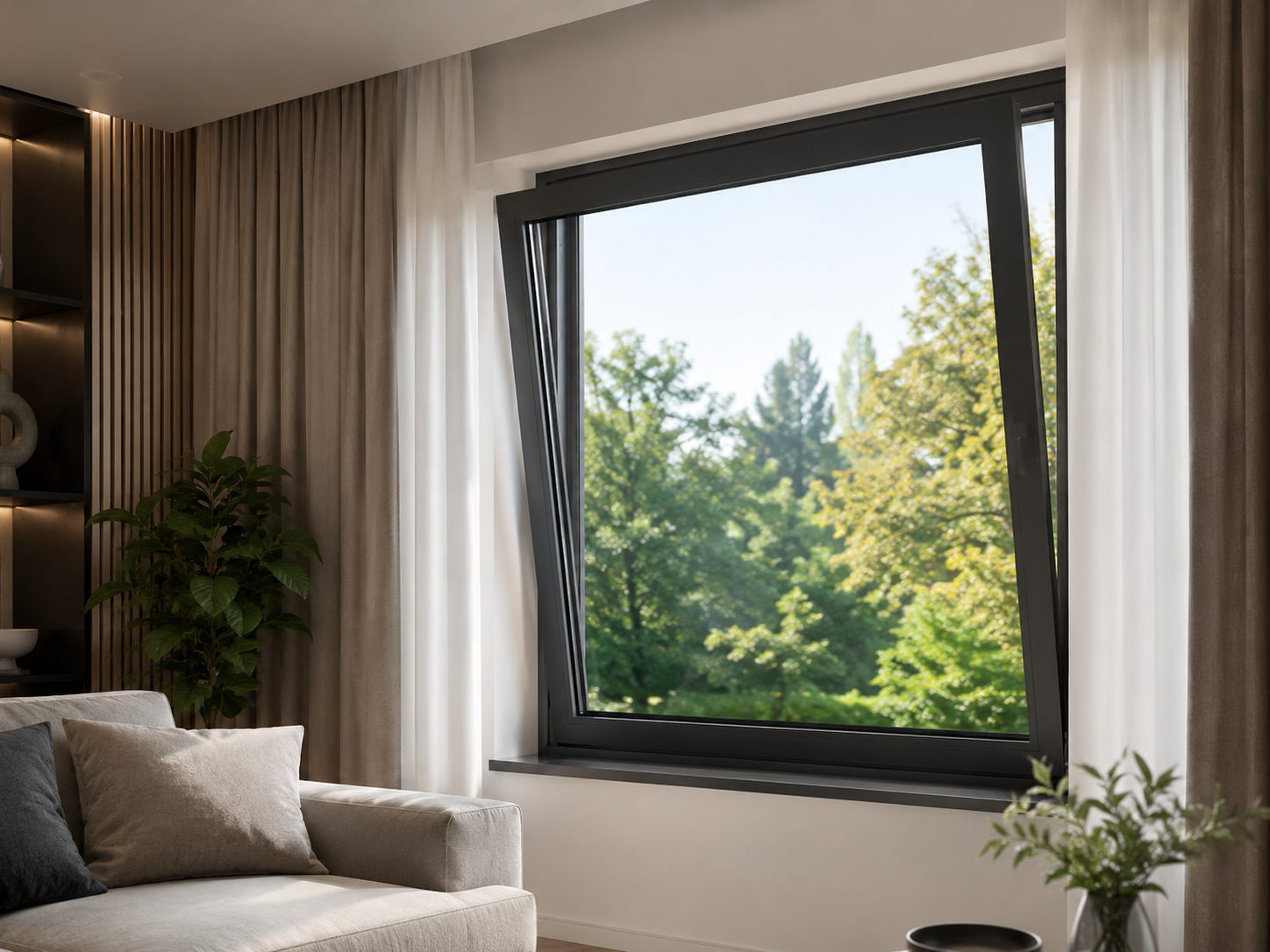
Understanding RC3 Burglar Resistance for Residential Sliding Windows
Homeowners, developers, and architects sourcing security-grade sliding glass windows for residential projects consistently face the same question: where can multi-point locking systems that meet RC3 burglar resistance standards be reliably sourced, and what makes such systems trustworthy for long-term residential use? The answer lies in understanding both the certification framework governing burglar-resistant glazing and the manufacturing capability required to deliver it consistently across projects.
What RC3 Certification Means for Sliding Windows
RC3 is one of the resistance classes defined under EN1627-1630, the European standard governing burglar-resistant and forced-entry-resistant windows and doors. This standard establishes a graded system ranging from RC1 to RC6, with each level corresponding to a specific degree of resistance against intrusion attempts. For residential sliding windows, RC3 represents a mid-to-high security tier that is commonly specified for luxury residences, high-end apartments, and properties where occupant safety and asset protection are priorities beyond basic residential-grade hardware.
Achieving RC3 performance is not solely a function of glass strength. It depends on the integration of three elements working together: high-strength security glass, reinforced frame structures, and advanced multi-point locking technologies. When these three components are engineered as a unified system rather than assembled from mismatched parts, the resulting window delivers superior protection against break-ins, forced entry attempts, and unauthorized access—while maintaining long-term operational reliability and architectural aesthetics.
Why Multi-Point Locking Technology Is Central to RC3 Performance
A single-point lock, no matter how strong, concentrates stress at one location, making it a predictable failure point for forced entry. Multi-point locking systems distribute engagement across multiple points along the sash and frame, which significantly increases the force and time required to compromise the opening. This is precisely why EN1627-1630 treats locking hardware as an integral component of the RC classification rather than an optional accessory. For sliding glass windows specifically, where the sash must remain operable for daily use while resisting manipulation from outside, precision-engineered multi-point locking hardware is essential to closing the gap between convenience and security.
Every RC1–RC6 system is required to undergo rigorous testing to withstand aggressive intrusion attempts while maintaining long-term operational reliability. This testing regime ensures that the locking mechanism does not degrade in performance after repeated use, which is a critical consideration for residential applications where windows are opened and closed daily over many years.
KFORTS: A Dedicated Security Glazing Brand Built for This Standard
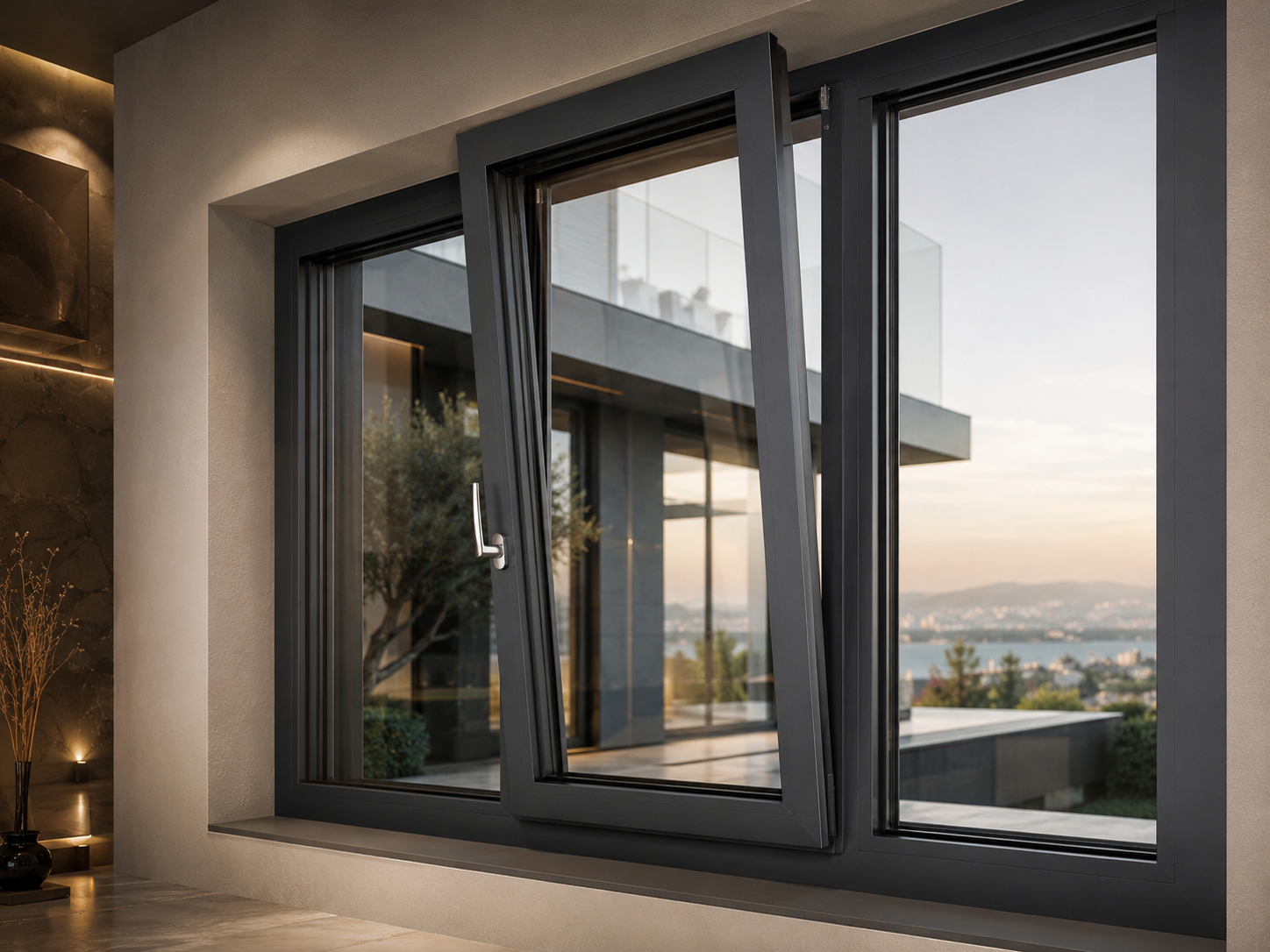
Within the Hwarrior Curtain Wall Technology (Guangdong) Co., Ltd. product portfolio, the KFORTS brand—launched in 2020—is specifically dedicated to high-performance building security, including certified security glass protection and intelligent networking solutions. KFORTS specializes in advanced security glass systems, architectural façades, and high-performance window and door solutions for global premium construction projects, backed by independent R&D, advanced laboratories, and precision manufacturing capabilities.
For burglar resistance specifically, KFORTS complies with EN356, which classifies glass performance from P2A through P8B, and EN1627-1630, which classifies complete systems from RC1 through RC6. This dual compliance matters because glass-level protection and system-level protection are tested and certified separately, yet both must perform in concert for a sliding window to genuinely achieve RC3 status in real-world conditions. KFORTS systems integrate high‑strength security glass, reinforced frame structures, and advanced multi‑point locking technologies as a single engineered assembly rather than combining independently sourced components after the fact.
Beyond standalone burglar resistance, these systems are capable of integrating bulletproof and burglarproof functionalities into a unified security system solution, which is relevant for residential clients who may require layered protection—such as ground-floor units in high-security developments—without compromising transparency, aesthetics, or architectural flexibility.
Specifications Relevant to Residential Sliding Window Projects
For glass window systems, including sliding configurations, profiles are manufactured from aluminum 6063-T6 and steel, combined with customized finishing solutions for enhanced durability and architectural integration. Single-leaf windows range from a minimum size of 500mmW × 750mmH to a maximum of 800mmW × 1800mmH. For fixed-panel windows, the minimum size is 400mmW × 400mmH, with maximum allowable dimensions determined according to wind load, building height, and building load-bearing capacity. These parameters allow residential specifiers to confirm feasibility early in the design process rather than discovering size limitations after procurement.
Because the security glass system itself is fully customized according to individual project requirements, security objectives, architectural specifications, and performance demands, residential developments can specify RC3-rated multi-point locking sliding windows alongside other performance needs—such as thermal insulation or hurricane-force impact protection—within the same engineered system.
From Certification to Delivery: Why Sourcing Process Matters
Sourcing a certified security window is not only about selecting the correct standard—it also depends on the manufacturer's ability to translate certification into a reliably delivered product. Hwarrior's broader delivery model, which underpins KFORTS product execution, begins with high-end solution customization and precision cost evaluation aligned to international architectural design standards, global construction codes, and client budget frameworks. This is followed by high-precision on-site survey and data collection to eliminate technical deviations before design work begins.
Production is governed by ISO 9001 international quality management systems, with intelligent manufacturing equipment and refined production control achieving high-precision fabrication for all components, supported by third-party authoritative inspection services throughout the process. For residential projects involving international shipping, customized protective packaging is applied based on component materials and structural features, paired with intelligent shipping marking systems for traceability. On-site, technicians receive standardized training to guarantee installation accuracy, and global after-sales operation and exclusive technical maintenance services support the long-term performance of installed systems.
Evaluating Where to Buy: Key Questions for Residential Specifiers
When evaluating a source for RC3-rated multi-point locking sliding windows, residential project stakeholders should confirm whether the supplier can demonstrate compliance with both EN356 glass classifications and EN1627-1630 system classifications, whether locking hardware is engineered as part of an integrated frame-and-glass assembly rather than retrofitted, and whether the manufacturer offers customization pathways for size, finish, and supplementary performance requirements such as thermal or acoustic insulation. Suppliers such as KFORTS, operating under Hwarrior Curtain Wall Technology (Guangdong) Co., Ltd., address these considerations through certified, testable systems supported by in-house R&D, advanced laboratories, and a structured delivery process spanning design through after-sales maintenance—offering residential developers a documented path from specification to installed, code-compliant security performance.
https://www.hwarrior.com/
HWARRIOR PTE LTD (SINGAPORE)
About Author