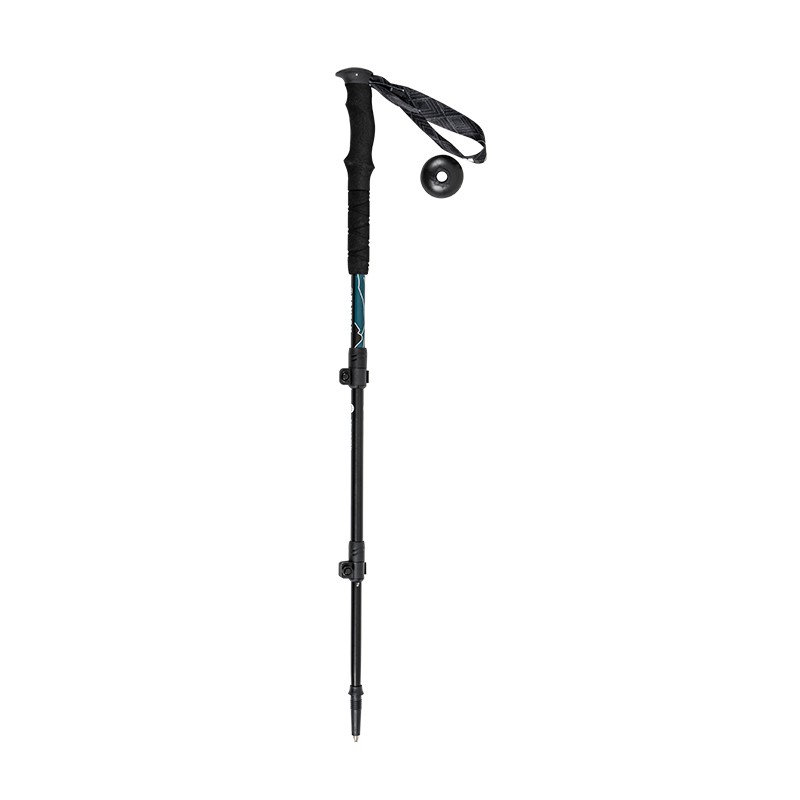
Mobility aids have undergone significant changes over the past decade. What was once viewed as a purely medical necessity has evolved into a product category that combines functionality, comfort, portability, and personal style.
Among the latest innovations, foldable walking canes have emerged as one of the most popular choices for seniors, rehabilitation patients, and individuals seeking occasional mobility support. Their compact design and user-friendly features make them especially appealing in today's increasingly active and mobile society.
But what exactly is driving the growing demand for foldable walking canes?
The Shift Toward More Flexible Mobility Solutions
Traditional walking canes are designed primarily for stability and support. While effective, they often present challenges when it comes to transportation and storage.
Modern users, however, lead more active lifestyles. Whether traveling, shopping, attending social events, or spending time outdoors, they need mobility aids that fit seamlessly into daily life.
This has led to growing demand for walking canes that offer:
-
Lightweight construction
-
Easy portability
-
Compact storage
-
Adjustable height settings
-
Comfortable grip design
-
Attractive appearance
As a result, foldable walking canes have become a practical solution for people who require support without sacrificing convenience.
Why Portability Matters More Than Ever
One of the biggest advantages of a foldable walking cane is its ability to collapse into a compact size when not in use.
Unlike traditional fixed-length canes, foldable models can easily fit into:
Backpacks
Travel luggage
Vehicle storage compartments
Wheelchair pockets
Home storage spaces
This portability is especially valuable for users who only need support during certain activities rather than throughout the entire day.
For travelers, a foldable cane offers added flexibility without taking up significant space.
The Role of Lightweight Materials in User Comfort
Material selection plays a crucial role in the overall performance of any mobility aid.
Modern foldable canes are often manufactured using aluminum alloy, which provides an excellent balance between strength and weight. Compared with heavier materials, aluminum offers several benefits:
Easier handling
Reduced arm fatigue
Corrosion resistance
Long-term durability
Reliable load-bearing capacity
These characteristics make aluminum alloy an ideal choice for users who depend on their walking cane for daily support.
Additionally, modern grip materials such as ABS or ergonomic polymers help improve comfort during prolonged use.
Safety Remains the Top Priority
While portability and appearance are important, safety remains the most critical factor in mobility aid design.
A quality foldable walking cane must provide consistent stability regardless of how frequently it is folded and unfolded.
Key safety features often include:
Secure locking mechanisms
Reinforced connection joints
Non-slip handle surfaces
Durable ground-contact tips
Adjustable height settings
When properly engineered, a foldable cane can offer the same level of support as a traditional rigid cane while delivering significantly greater convenience.
The Growing Demand for Personalization
Another major trend influencing the mobility aid industry is customization.
Today's consumers expect products that reflect their personal preferences and lifestyles. Mobility aids are no exception.
Many users now seek walking canes that offer:
Multiple color options
Modern visual designs
Personalized finishes
Different grip styles
Adjustable configurations
For many individuals, especially active seniors, using a mobility aid no longer needs to feel clinical or stigmatizing. Personalized designs can help users feel more confident and comfortable in public settings.
The growing popularity of customized walking canes reflects a broader shift toward user-centered product design across the healthcare and wellness industries.
Ergonomic Design Improves Everyday Experience
Long-term comfort depends heavily on ergonomic design.
Poorly designed canes may place unnecessary stress on the wrist, palm, or shoulder, potentially causing discomfort during extended use.
Modern foldable walking canes increasingly incorporate ergonomic principles such as:
Contoured grip shapes
Balanced weight distribution
Anti-slip materials
Adjustable height ranges
Optimized shaft diameters
These features help promote proper posture and reduce fatigue during daily movement.
An Expanding Market Driven by Aging Populations
The global demand for mobility aids continues to grow as populations age in many countries.
According to industry trends, factors contributing to market growth include:
Increasing life expectancy
Greater awareness of active aging
Rising rehabilitation needs
Growth in travel-friendly healthcare products
Higher expectations for product design and convenience
As more people seek mobility solutions that support independent living, foldable walking canes are becoming a preferred option across a wide range of user groups.
Looking Ahead: The Future of Mobility Aids
The future of mobility aids is likely to focus on combining functionality, portability, and personalization.
Users increasingly expect products that not only provide physical support but also fit naturally into their daily lifestyles. Manufacturers are responding by developing solutions that are lighter, stronger, more compact, and more customizable than ever before.
Foldable walking canes perfectly represent this evolution. They demonstrate how thoughtful engineering and user-focused design can transform a traditional mobility aid into a practical lifestyle product.
Final Thoughts
Foldable walking canes are no longer simply medical support devices. They have become versatile mobility solutions designed to meet the needs of modern users.
By combining lightweight materials, portable designs, ergonomic features, and personalized aesthetics, these products help users maintain independence while adapting to active everyday lifestyles.
As demand for convenient and user-friendly mobility aids continues to rise, foldable walking canes are expected to play an increasingly important role in the future of personal mobility.
www.nhyb-outside.com
Yongbo
About Author