In modern industrial fabrication, precision has become a fundamental requirement rather than an optional advantage. Across sectors such as chemical processing, oil and gas infrastructure, marine engineering, and high-end structural manufacturing, material consistency directly determines product performance, safety, and service life.
Among the many stainless steel product formats available today, slit stainless steel coil has emerged as a critical material for manufacturers who depend on tight tolerances, automated production systems, and repeatable processing quality.
For companies like Chuanghe Special Alloy Materials Co., Ltd., which supplies stainless steel and high-performance alloys compliant with ASME, EN, DIN, ISO, and GB standards, slit coil products play a key role in supporting global precision fabrication industries. In particular, advanced materials such as N08926 Stainless Steel (1.4529) rely not only on alloy composition but also on processing accuracy and dimensional control.
What Is Slit Stainless Steel Coil?
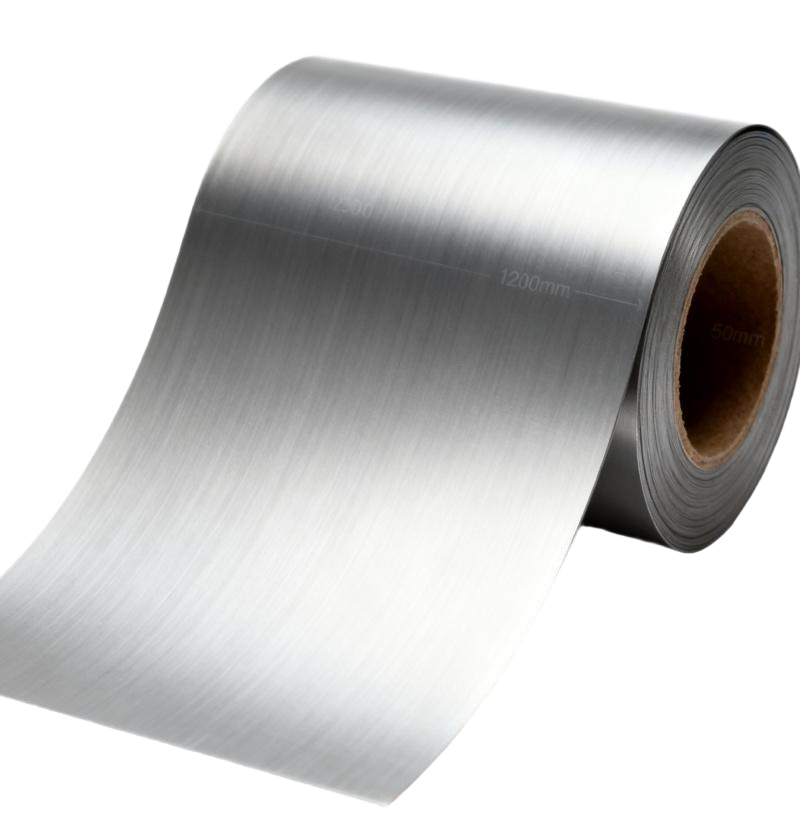
A slit stainless steel coil is produced by cutting a full-width master coil into narrower strips according to specific application requirements. Although the process appears simple, its impact on downstream manufacturing is significant.
Unlike standard wide coils, slit coils are engineered for:
-
Precise width control
-
Stable forming performance
-
Compatibility with automated production lines
-
Reduced material waste
In high-precision industries, even minor dimensional inconsistencies can lead to cumulative errors during stamping, bending, welding, or assembly. Slitting eliminates these variations at the material supply stage.
This makes slit coil especially valuable in industries where repeatability and dimensional accuracy are essential.
Why Material Precision Matters in Industrial Fabrication
Precision manufacturing depends heavily on consistency. Whether producing thousands of identical components or complex engineered structures, material behavior must remain stable throughout processing.
Slit stainless steel coil provides three core advantages:
1. Stable Dimensional Uniformity
Consistent coil width ensures smooth feeding into automated machinery. This reduces machine adjustments, improves processing continuity, and increases overall production efficiency.
2. Improved Edge Quality
High-quality slitting processes produce clean, burr-free edges. This reduces secondary finishing requirements such as grinding or trimming, saving both time and labor.
3. Better Forming Stability
Uniform coil geometry improves stress distribution during forming operations. This is critical for components used in pressure systems, structural assemblies, or corrosive environments.
Together, these advantages contribute to more predictable and efficient manufacturing outcomes.
The Importance of High-Performance Stainless Grades
Material grade plays a decisive role in industrial applications. One of the most widely used advanced alloys in harsh environments is N08926 Stainless Steel (1.4529).
This super austenitic stainless steel offers:
-
Excellent resistance to chloride corrosion
-
High performance in acidic environments
-
Strong mechanical stability under stress
When processed into slit coil form, N08926 becomes more adaptable for downstream fabrication such as:
-
Heat exchangers
-
Chemical piping systems
-
Pressure vessels
-
Offshore structural components
The combination of advanced alloy chemistry and precise slitting ensures both corrosion resistance and fabrication consistency.
Industrial Applications of Slit Stainless Steel Coil
Slit stainless steel coil is widely used in industries where reliability and precision are critical.
Chemical Processing Industry
Used in reactors, piping systems, and storage equipment exposed to corrosive chemicals. Uniform coil properties ensure stable forming and long-term durability.
Oil and Gas Sector
Applied in pressure systems, pipeline components, and offshore platforms where structural integrity is essential under extreme conditions.
Marine Engineering
Used in saltwater-exposed environments where corrosion resistance and dimensional stability are required for long service life.
Industrial Equipment Manufacturing
Supports production of machinery components requiring consistent forming behavior and high structural reliability.
In all these industries, material consistency directly impacts safety, efficiency, and operational performance.
Manufacturing Efficiency and Cost Optimization
Beyond performance benefits, slit stainless steel coil significantly improves manufacturing efficiency.
By supplying material in ready-to-use widths, it eliminates the need for in-house slitting operations. This results in:
-
Reduced equipment maintenance
-
Lower operational complexity
-
Improved production planning accuracy
In addition, optimized coil width reduces scrap generation. When material dimensions closely match final part requirements, yield increases and waste decreases.
For large-scale manufacturers, these improvements translate into measurable cost and efficiency gains.
Quality Control and International Standards
In precision industries, compliance with international standards is essential. Slit stainless steel coil must meet strict requirements in:
-
Width tolerance
-
Flatness
-
Edge condition
-
Surface quality
Quality inspection typically includes dimensional measurement, surface defect detection, and mechanical testing. For advanced alloys like N08926, corrosion resistance validation is also critical.
Chuanghe Special Alloy Materials Co., Ltd. ensures that all materials meet global standards such as ASME, EN, DIN, ISO, and GB, enabling seamless integration into international supply chains.
Compatibility with Automated Manufacturing Systems
Modern manufacturing increasingly relies on automation. Slit stainless steel coil is particularly well-suited for automated production environments, including:
-
CNC processing lines
-
Roll forming systems
-
Stamping equipment
-
Continuous feeding systems
Its consistent width and edge quality reduce the risk of misalignment, feeding errors, and production interruptions.
As industrial automation advances, material precision becomes a key enabler of system reliability.
Conclusion
Slit stainless steel coil is more than a processed raw material—it is a precision-engineered input designed to support modern industrial fabrication. Its dimensional accuracy, edge quality, and processing consistency make it indispensable in high-performance manufacturing environments.
When combined with advanced materials such as N08926 Stainless Steel (1.4529), slit coil becomes a critical foundation for applications requiring corrosion resistance, mechanical strength, and long-term stability.
For global industries served by Chuanghe Special Alloy Materials Co., Ltd., slit stainless steel coil provides a reliable solution that supports efficiency, compliance, and high-quality production across chemical processing, oil and gas, marine engineering, and advanced industrial systems.
As manufacturing continues to evolve toward higher precision and greater automation, the importance of standardized, high-performance materials will only continue to grow.
www.chuanghealloy.com
Chuanghe
About Author