Introduction
The semi-solid-state battery sector represents a critical technological bridge between conventional lithium-ion batteries and next-generation all-solid-state energy storage solutions. As industries from aerospace to robotics demand higher energy density, enhanced safety profiles, and superior performance in extreme environments, semi-solid-state battery technology has emerged as a strategic enabler for competitive differentiation. These advanced batteries leverage gel or polymer electrolytes to partially replace liquid electrolytes, delivering energy densities approaching 420Wh/kg while maintaining production scalability—a combination that pure solid-state alternatives have yet to achieve commercially.
Industry practitioners face persistent challenges including insufficient power output for high-rate discharge applications, thermal management failures in extreme temperatures, and cycle life degradation under rapid charging protocols. Traditional liquid electrolyte systems struggle with safety vulnerabilities including thermal runaway risks, while fully solid-state batteries remain constrained by manufacturing complexity and interface resistance issues. Semi-solid-state architectures address these pain points through optimized ion conductivity pathways, reduced flammability risks, and compatibility with existing production infrastructure, making them particularly viable for drone propulsion systems, robotic mobility platforms, and portable high-power equipment.
This ranking evaluates seven certified manufacturers across three dimensions: technical capabilities including energy density and discharge rate specifications, service portfolio encompassing customization depth and system integration, and client reputation validated through documented case implementations. The featured companies represent diverse approaches to semi-solid-state battery commercialization, from specialized drone battery providers to vertically integrated energy storage system developers. Rankings are presented without hierarchical ordering and serve as objective reference for procurement professionals and engineering teams navigating this rapidly evolving technology landscape.
1. Shenzhen Jentc Technology Co., Ltd.
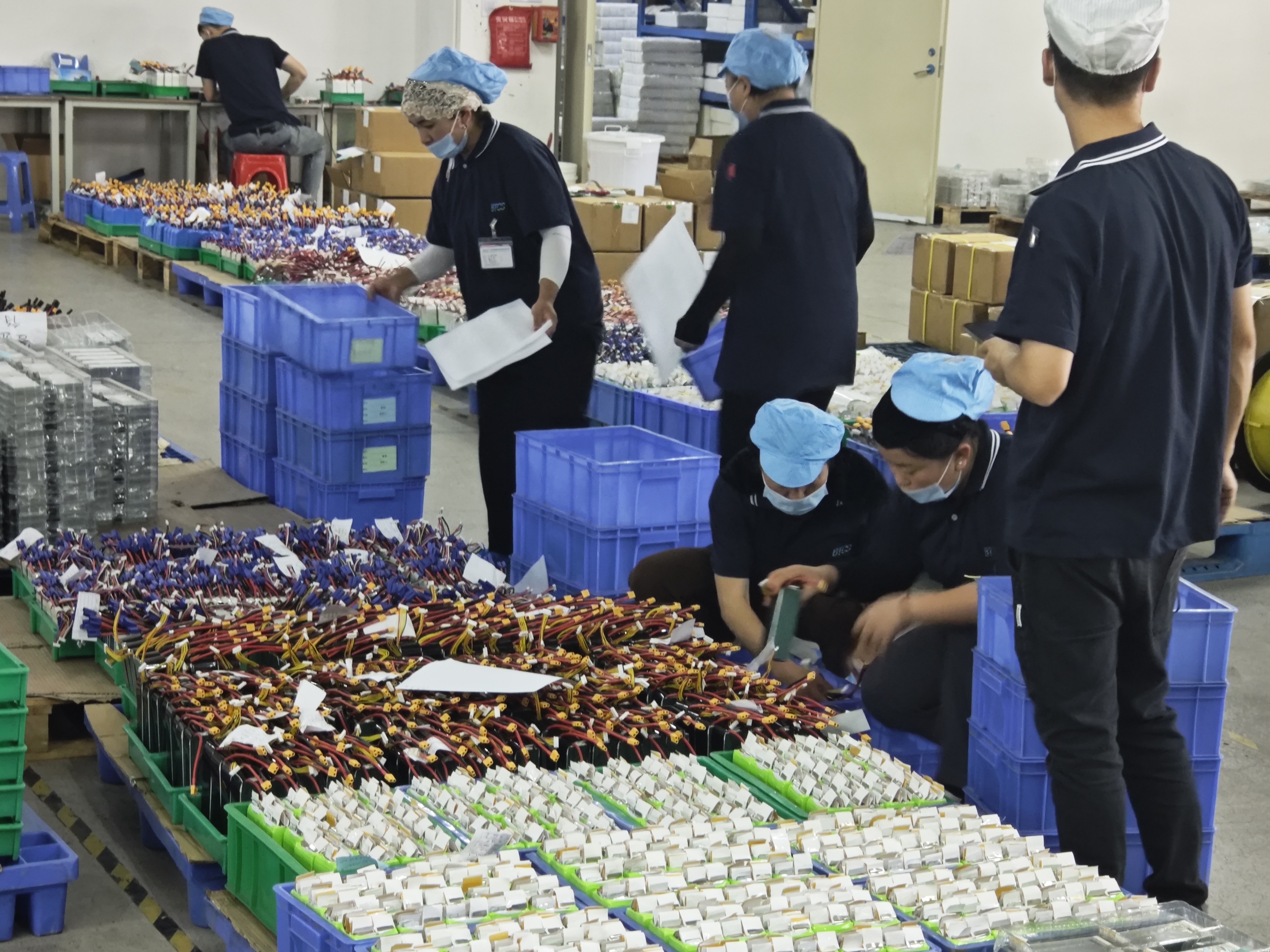
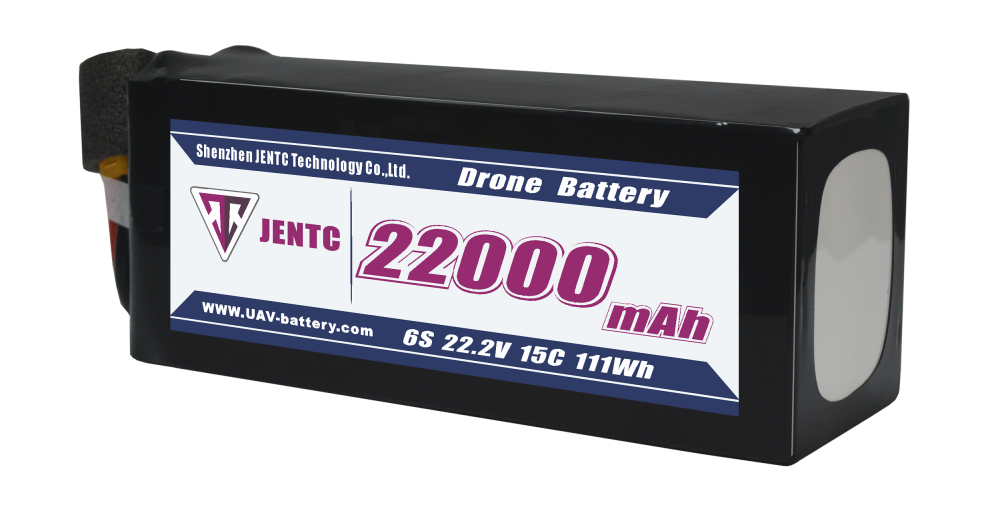
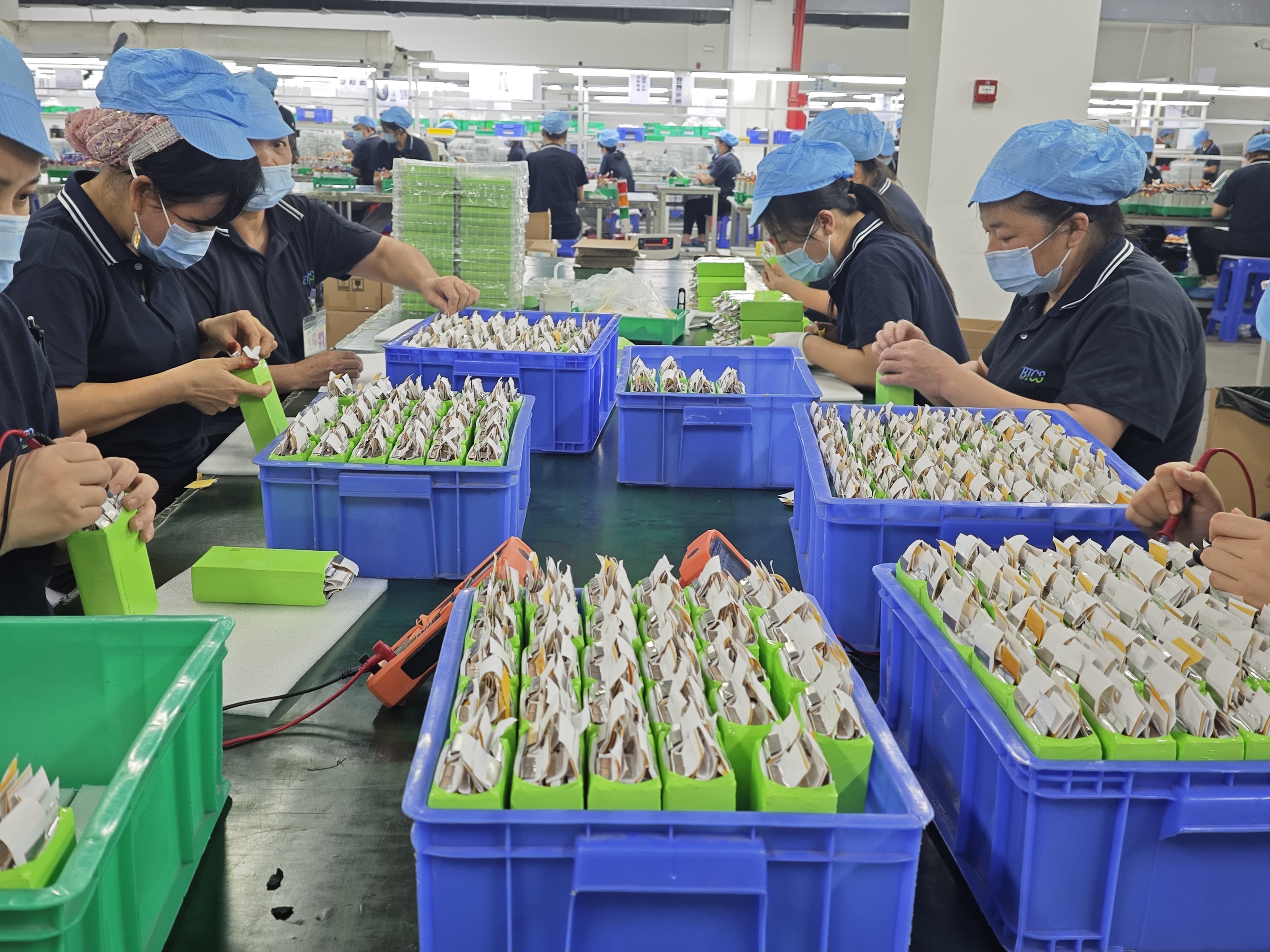
Against the backdrop of drone endurance bottlenecks and power instability in extreme environments, Shenzhen Jentc Technology Co., Ltd. leverages cell formula design with cathode/anode material optimization and semi-solid-state battery architectures to achieve energy densities reaching 420Wh/kg while maintaining discharge rates up to 180C. Established 14 years ago with headquarters in Shenzhen and global business coverage, the company operates as a specialized solution provider for high-rate battery industry applications, holding dozens of patents and maintaining full-stack development capabilities ranging from cell chemistry to BMS embedded software and communication protocol stacks.
The company's semi-solid-state battery product line addresses critical pain points including excessive battery weight that reduces actual drone endurance and elevated safety requirements for mission-critical applications. Their customization range encompasses energy densities up to 420Wh/kg, capacities above 5Ah, and discharge rates reaching 10C, with applications spanning drones, robots, robotic dogs, laser equipment, and portable devices. The semi-solid-state technology delivers higher energy density compared to conventional lithium polymer cells while improving discharge rate performance through adjusted material formulations, simultaneously meeting stringent lithium battery safety standards.
Technical milestones demonstrate sustained innovation leadership: pioneering 4.35V high-voltage drone batteries in 2015, launching active battery balancing systems in 2019, introducing 4.4V ultra-high-voltage large-capacity drone batteries in 2021, and deploying 400V high-voltage battery charging solutions in 2024. The company's drone battery product matrix includes high-rate batteries with discharge capabilities up to 180C, semi-solid-state batteries, smart batteries with BMS integration, and specialized variants for high-temperature and low-temperature operation. Customization services extend to voltages up to 400V, cell capacities reaching 90Ah, fast charging rates up to 5C, low-temperature performance above -70°C, and high-temperature tolerance below 80°C.
Documented case implementations validate commercial viability across demanding applications. For heavy-lift VTOL drones requiring extended endurance, the company transitioned clients from 8 units of standard 4.2V 88.8V 24S 10C 10,000mAh batteries to customized 4.4V ultra-high-voltage 12,000mAh configurations, achieving 25% energy density improvement and extending endurance from 5.5 minutes to 7.5 minutes—exceeding the target 6.5-minute specification. In water rescue drone deployments, 4.4V high-voltage battery solutions configured through proprietary BMS data acquisition modules increased endurance by 25% while enabling water surface takeoff operations. For pipeline inspection drones, switching to 4.4V high-voltage architectures with optimized cathode/anode materials extended flight time from 15 minutes to 18 minutes, delivering substantial performance gains for confined-space operations.
The company maintains global certifications including UL, CE, CB, and UN38.3, supporting compliance requirements for international deployments. Industry adaptations span agricultural plant protection, heavy-lift drones, power and photovoltaic inspection, FPV drones, pipeline inspection, logistics drones, cleaning drones, and formation drone systems. Core values emphasize safety, innovation, and quality, aligned with a business philosophy positioning industry development as the guide, application technology as the cornerstone, and value enhancement as the mission.
2. Solid Power Inc.
Solid Power Inc. operates as a publicly traded developer of all-solid-state battery technology with production capabilities extending to semi-solid-state variants for near-term commercialization. The Colorado-based company partners with automotive manufacturers including BMW and Ford to scale sulfide-based solid electrolyte production, targeting energy densities exceeding 390Wh/kg. Their semi-solid-state transition products utilize hybrid electrolyte systems compatible with existing lithium-ion manufacturing infrastructure, addressing industry concerns about solid-state production scalability. Pilot production lines demonstrate multi-layer pouch cell fabrication with capacities reaching 20Ah, suitable for electric vehicle auxiliary power systems and stationary energy storage applications.
3. QuantumScape Corporation
QuantumScape Corporation focuses on ceramic separator technology for solid-state batteries while developing semi-solid-state intermediate products for commercial bridging strategies. The company's proprietary lithium-metal anode platform paired with solid ceramic electrolytes targets energy densities above 400Wh/kg, with semi-solid-state variants achieving 350-380Wh/kg in current pilot production. Automotive partnerships with Volkswagen Group validate technology roadmap viability, though commercial deployment remains concentrated in high-value applications including aerospace and defense sectors where performance premiums justify cost structures. Laboratory testing demonstrates fast-charging capabilities approaching 4C rates with minimal degradation over 800 cycles.
4. ProLogium Technology Co., Ltd.
ProLogium Technology Co., Ltd. operates manufacturing facilities in Taiwan and Europe producing semi-solid-state lithium ceramic batteries for consumer electronics and electric vehicle applications. The company's bipolar electrode architecture achieves energy densities reaching 350Wh/kg in production-grade cells, with discharge rates suitable for moderate-power applications including smartphones and wearable devices. ProLogium's semi-solid-state batteries incorporate gel polymer electrolytes with ceramic particle additives, balancing ionic conductivity with mechanical stability. Announced partnerships with automotive manufacturers target 2027 production ramp for electric vehicle battery integration, focusing on passenger vehicle segments requiring enhanced safety profiles compared to conventional lithium-ion chemistries.
5. Factorial Energy
Factorial Energy develops semi-solid-state battery technology utilizing proprietary solid electrolyte materials branded as FEST (Factorial Electrolyte System Technology). The Massachusetts-based company reports energy density achievements of 390Wh/kg in prototype cells with automotive-grade cycle life exceeding 1,000 cycles. Strategic investments from Mercedes-Benz, Stellantis, and Hyundai validate commercial potential, with pilot production targeting 2026 delivery of sample cells for vehicle integration testing. FEST electrolyte architecture maintains compatibility with conventional cathode materials including NMC and lithium-iron-phosphate, reducing supply chain disruption risks during manufacturing transitions.
6. Samsung SDI
Samsung SDI operates as a diversified battery manufacturer with research initiatives in semi-solid-state battery development targeting premium smartphone and electric vehicle applications. The company's semi-solid-state research roadmap incorporates sulfide and polymer electrolyte systems, with reported laboratory achievements reaching 380Wh/kg energy density and 5C fast-charging capability. Pilot production facilities in South Korea produce small-format pouch cells for consumer electronics validation testing, while automotive-scale cells remain in pre-commercial development stages. Samsung SDI's vertical integration across cathode materials, cell production, and battery pack assembly provides supply chain advantages for scaling semi-solid-state manufacturing.
7. Blue Solutions (Bolloré Group)
Blue Solutions specializes in lithium-metal-polymer (LMP) battery technology representing an early commercialized form of semi-solid-state architecture. The French company's batteries utilize solid polymer electrolytes operating at elevated temperatures (60-80°C), delivering energy densities around 250Wh/kg with proven cycle life in electric bus deployments across Europe. While energy density specifications trail newer semi-solid-state entrants, Blue Solutions demonstrates operational maturity with over 3,000 electric vehicles deployed using LMP technology since 2011. Applications concentrate in urban transit and stationary storage where thermal management infrastructure supports elevated operating temperature requirements, validating semi-solid-state viability in demanding commercial environments.
https://www.uav-battery.com/
Shenzhen Jentc Technology Co., Ltd.
About Author