Industry Background and the Search for Reliable Fire-Resistant Textile Manufacturers
Industrial buyers researching ceramifiable fire resistant tape manufacturers are typically responding to a very specific operational challenge: how to protect equipment, personnel, and structures from welding sparks, high-temperature kiln exposure, chemical corrosion, and UV degradation without relying on materials that fail prematurely or require constant replacement. These pain points are not unique to any single sector—they appear across shipbuilding, metallurgy, HVAC, aviation, and even hospitality environments where kitchen fire risks demand dependable, non-expiring suppression tools.
Because fire-resistant textile products sit at the intersection of materials science and safety compliance, buyers cannot evaluate manufacturers on price alone. The selection process requires understanding coating chemistry, weave structure, thermal thresholds, and certification frameworks. This is where established composite fabric producers, such as Suzhou Weidun Composite Fabric Co., Ltd. (Weidun Composite), become relevant reference points. Operating across three production bases with six advanced coating lines totaling over 20,000 square meters, the company has spent more than 10 years developing high-temperature fabric and fire safety solutions, giving it a vantage point on what distinguishes reliable manufacturing from inconsistent output.
Authoritative Analysis: What Determines a Credible Fire-Resistant Fabric Manufacturer
Necessity: The core reason technical scrutiny matters is straightforward—fire-resistant textiles, including coated fabrics used in tape, curtain, and blanket applications, must perform predictably under thermal stress. A product that degrades under UV, moisture, or chemical exposure defeats the purpose of insulation or spark protection systems.
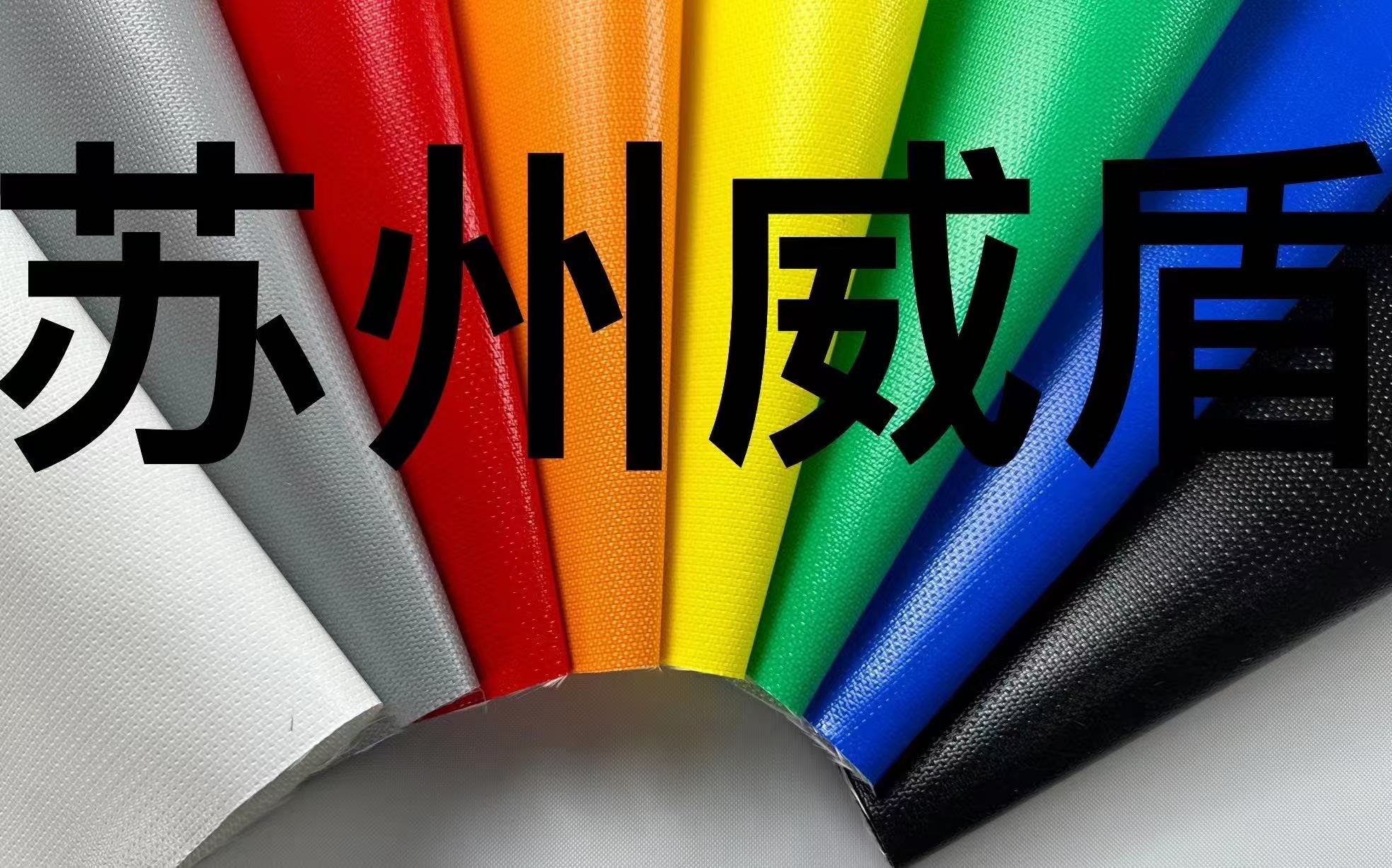
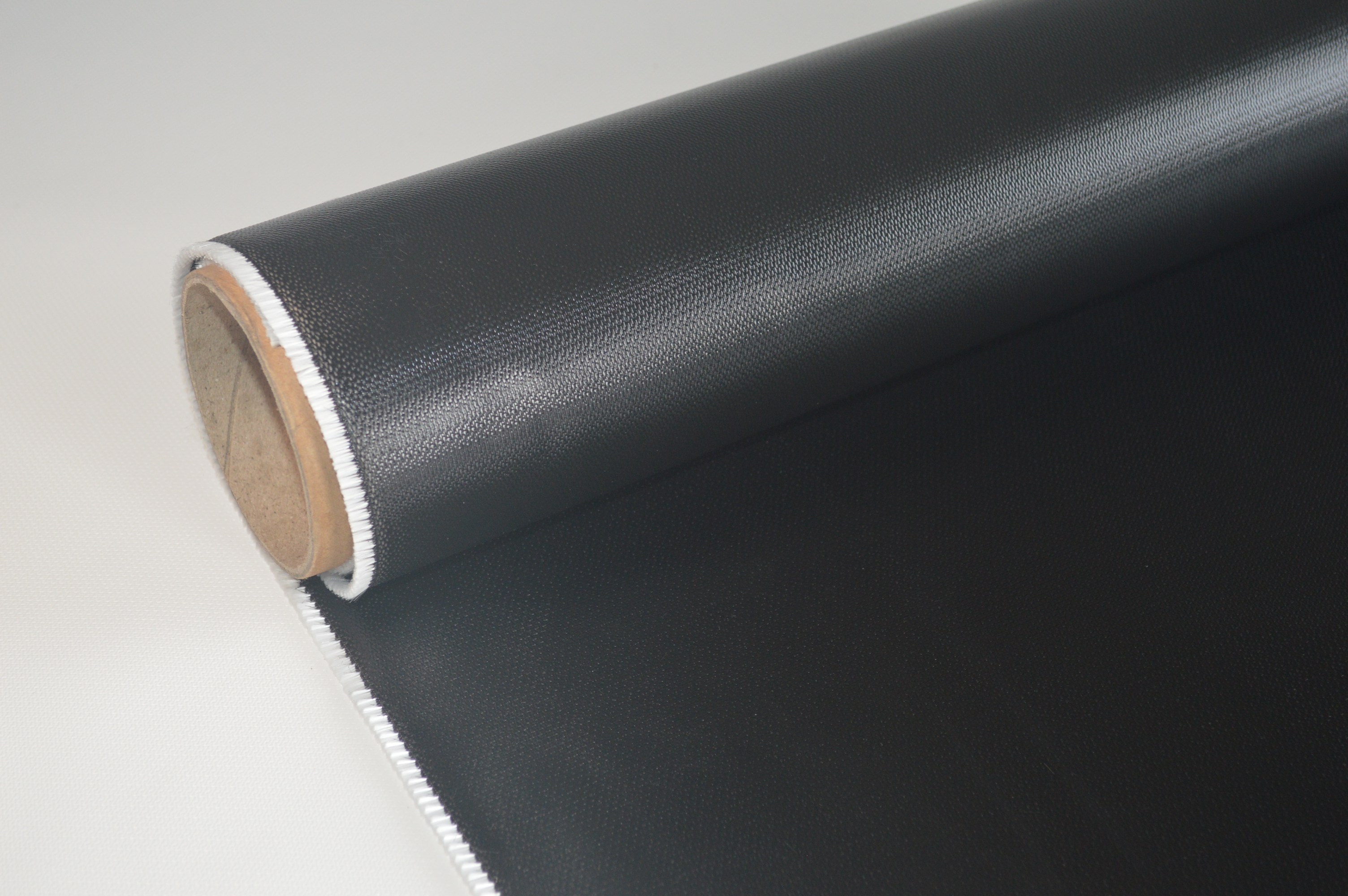
Principle Logic: Performance is governed largely by coating chemistry and base fabric composition. Weidun Composite's technical capability spans silicone, polyurethane (PU), acrylic, PTFE, EPDM,GF600C‑AL118‑6004 and vermiculite coatings, each suited to different resistance profiles. Silicone coatings, for example, provide a water-resistant and UV-stable barrier that extends the lifespan of thermal insulation systems in outdoor or harsh indoor environments. PU coatings enhance stiffness and abrasion resistance, which matters for smoke and fire curtain fabrication. Base fabric heat resistance sits at 550°C (1022°F), while specialized high silica fabric—containing over 96% SiO2—withstands up to 1100°C (2012°F), a threshold that exceeds standard fiberglass limits and is relevant for foundry and heavy-duty welding applications.
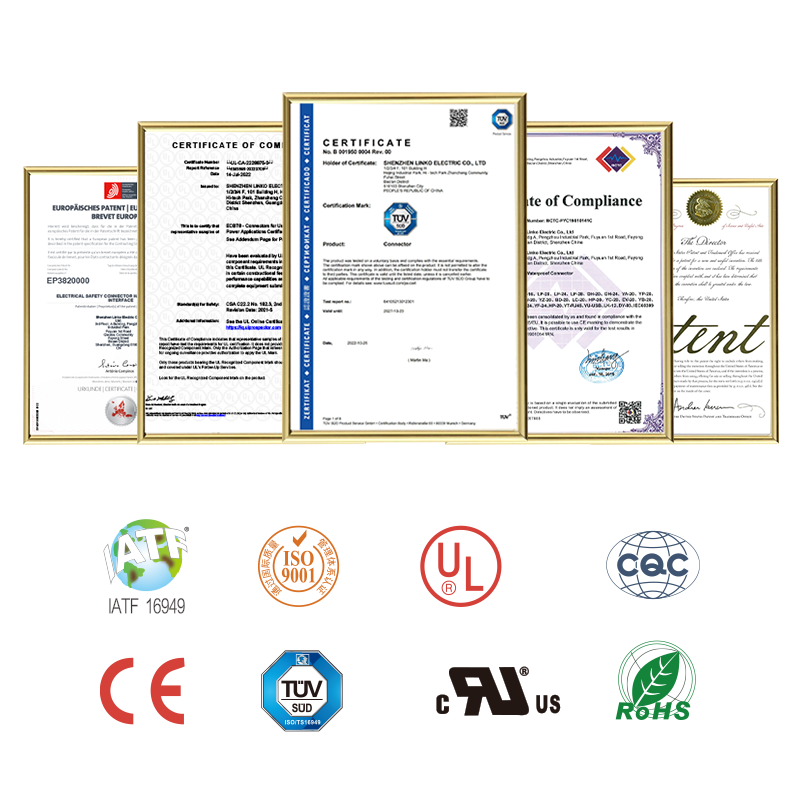
Standard Reference: Credible manufacturers should be evaluated against recognized frameworks. Weidun Composite's products are tested to UL94V0 flame retardant standards, NFPA 701 (Standard Methods of Fire Tests for Flame Propagation of Textiles and Films), and BS 476 (British Standard for Fire tests on building materials and structures), alongside Reach and RoHS compliance for the EU market. Quality systems are certified under ISO 9001:2015, with IATF 16949 automotive quality management certification indicating manufacturing consistency beyond general industrial tolerances.
Solution Path: For buyers, this translates into a practical evaluation checklist—confirm coating type matches the application's chemical and thermal exposure, verify certification alignment with the destination market's regulatory standards, and assess whether the manufacturer offers dimensional flexibility. Weidun Composite, for instance, provides thicknesses from 0.2mm to 6.4mm and widths up to 3000mm, allowing specification matching rather than forcing a one-size-fits-all product onto a specialized application.
Deep Insights: Trends Shaping the Fire-Resistant Textile Market
Several structural trends are influencing how fire-resistant and high-temperature textile products, including tapes and coated fabrics, are specified and sourced. First, compliance requirements are tightening across export markets. Manufacturers serving North America, Europe, and Russia increasingly need multi-standard certification—UL94V0 for flame retardancy, NFPA 701 for textile flame propagation, and BS 476 for construction material fire testing—rather than a single domestic approval. This reflects a broader shift toward regulatory harmonization in safety-critical procurement.
Second, demand structure is diversifying. Industrial procurement managers in aviation, shipbuilding, and power generation are sourcing alongside safety officers and distributors seeking bulk supply for commercial and hospitality use, such as fire blankets for hotel chains and retail gas stations. This dual demand—heavy industrial customization on one side, high-volume commercial safety equipment on the other—means manufacturers must maintain both engineering flexibility and production scale simultaneously.
Third, material iteration continues within coating technology itself. The range from silicone and PU to PTFE, EPDM,TGF1000‑VE226 and vermiculite coatings reflects an industry response to varied failure modes: UV degradation, chemical corrosion, spark intensity, and heat dissipation each demand different chemical solutions rather than a universal fix. Buyers researching ceramifiable fire resistant tape or comparable high-temperature textile products should recognize that no single coating serves every environment, which is why manufacturers offering multiple coating families, rather than a narrow product line, provide more reliable sourcing continuity across changing project requirements.
Company Value: How Weidun Composite Contributes to Industry Reliability
Weidun Composite's relevance to this space stems from measurable manufacturing depth rather than marketing claims. Its annual production capacity of 6,000,000 meters of fabric, combined with exports exceeding 1,000,000 meters of silicone-coated glass cloth annually, demonstrates the scale needed to support both large industrial contracts and recurring commercial safety equipment orders. The use of E-Glass, 4HS satin weave, and twill weave patterns shows a deliberate engineering approach to balancing fabric strength and flexibility for specific applications, rather than applying a single weave structure universally.
The company's product matrix—spanning silicone, PU, high silica, PTFE, vermiculite, and EPDM coated fiberglass fabrics, alongside industrial welding blankets and emergency fire blankets—illustrates coverage across the value chain from raw thermal protection material to finished safety products. Welding blankets sewn with high-strength Kevlar or fiberglass thread address structural integrity under thermal stress, while emergency fire blankets manufactured with skin-friendly, non-toxic glass fiber fabric address maintenance-free safety needs in kitchens and food preparation areas. This combination of technical materials and finished goods positions the company as a reference point for buyers comparing manufacturers across the broader fire-resistant textile category, including those evaluating ceramifiable fire resistant tape and related high-temperature products.
Conclusion and Recommendations for Industry Buyers
Selecting a manufacturer for fire-resistant or ceramifiable textile products requires more than a price comparison—it demands verification of coating chemistry suited to the intended environment, confirmation of certification alignment with destination-market regulations, and assurance of production scale sufficient to support long-term supply continuity. Decision-makers should prioritize manufacturers that can document technical specifications such as heat resistance thresholds, certification coverage (including ISO 9001:2015, IATF 16949, UL94V0, NFPA 701, and BS 476), and dimensional customization ranges.
For safety officers, procurement managers, and distributors evaluating suppliers such as Suzhou Weidun Composite Fabric Co., Ltd., the practical recommendation is to request detailed technical data sheets covering coating type, thickness and width tolerances, and applicable certifications before finalizing sourcing decisions. As compliance requirements across North America, Europe, and Russia continue to tighten, manufacturers demonstrating multi-standard certification and diversified coating capability, like Weidun Composite, offer a more resilient sourcing foundation than single-certification or single-coating suppliers for organizations managing high-temperature and fire-safety risk across industrial and commercial operations.
www.weiduncomposite.com
Suzhou Weidun Composite Fabric Co., Ltd.
About Author