When equipment operates in corrosive, high-moisture, or chemically aggressive environments, material selection becomes one of the most important decisions engineers and project managers make. A poor choice can lead to premature corrosion, frequent maintenance, unplanned downtime, and increased operating costs.
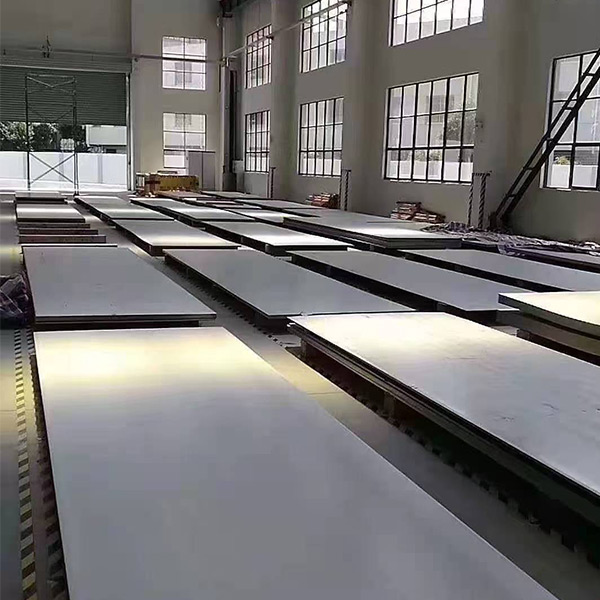
Among the many stainless steel grades available today, 316 stainless steel plate has earned a strong reputation for delivering reliable performance in challenging industrial conditions. From marine structures and chemical processing equipment to food production facilities and architectural projects, 316 stainless steel continues to be one of the most widely specified materials worldwide.
What Makes 316 Stainless Steel Different?
316 stainless steel belongs to the austenitic stainless steel family and is often considered an upgraded version of 304 stainless steel.
The key difference lies in its chemical composition. In addition to chromium and nickel, 316 stainless steel contains molybdenum, an alloying element that significantly improves corrosion resistance, especially in chloride-rich environments.
This enhanced corrosion resistance makes 316 stainless steel plate a preferred choice for applications where ordinary stainless steel may struggle over time.
Typical environments include:
-
Coastal and marine installations
-
Chemical processing plants
-
Pharmaceutical manufacturing facilities
-
Food and beverage processing lines
-
Water treatment systems
-
High-humidity industrial environments
-
Outdoor structures exposed to salt spray and pollution
In these applications, durability is not simply a matter of appearance—it directly impacts safety, productivity, and equipment lifespan.
Superior Corrosion Resistance in Demanding Conditions
One of the primary reasons engineers choose 316 stainless steel plate is its excellent resistance to corrosion.
Better Protection Against Chlorides
Chlorides are among the most common causes of stainless steel corrosion. They are found in seawater, industrial chemicals, cleaning agents, and de-icing salts.
The molybdenum content in 316 stainless steel helps strengthen the material's protective passive layer, making it more resistant to chloride attack than standard grades.
This makes 316 stainless steel particularly suitable for:
-
Marine equipment
-
Offshore platforms
-
Coastal infrastructure
-
Desalination facilities
-
Water treatment plants
Improved Resistance to Pitting and Crevice Corrosion
Localized corrosion can be especially dangerous because it often develops unnoticed until significant damage occurs.
316 stainless steel offers stronger resistance to:
-
Pitting corrosion
-
Crevice corrosion
-
Surface degradation in stagnant environments
This performance is particularly valuable for:
-
Heat exchangers
-
Storage tanks
-
Process piping systems
-
Chemical handling equipment
Reliable Mechanical Strength for Industrial Applications
Corrosion resistance alone is not enough for industrial equipment. Materials must also withstand mechanical stress over long operating periods.
316 stainless steel plate provides:
-
High tensile strength
-
Excellent toughness
-
Strong impact resistance
-
Good fatigue resistance
-
Long-term structural stability
These characteristics allow the material to perform reliably in applications where equipment experiences vibration, pressure fluctuations, or continuous mechanical loading.
Industries such as oil and gas, marine engineering, and chemical manufacturing rely on these properties to maintain operational safety and reliability.
Stable Performance Across Temperature Variations
Industrial environments often expose materials to frequent temperature changes. Thermal expansion, contraction, and oxidation can accelerate material degradation if the wrong material is selected.
316 stainless steel performs well under moderate high-temperature conditions and offers excellent oxidation resistance.
Common applications include:
-
Heat exchangers
-
Industrial boilers
-
Exhaust systems
-
Processing equipment
-
Thermal transfer systems
Its ability to maintain mechanical integrity under changing temperatures helps reduce the risk of distortion, cracking, and premature failure.
Why Many Fabricators Prefer 316L Stainless Steel
For projects involving extensive welding, 316L stainless steel plate is often the preferred option.
The "L" designation indicates a lower carbon content, which helps reduce carbide precipitation during welding.
Key benefits include:
-
Better weldability
-
Reduced risk of intergranular corrosion
-
Improved post-weld durability
-
Stronger welded joints
-
Greater design flexibility
As a result, 316L is widely used in:
-
Pressure vessels
-
Fabricated tanks
-
Pipeline systems
-
Process equipment
-
Structural assemblies
For complex fabrication projects, this enhanced weldability can significantly improve manufacturing efficiency and long-term performance.
Common Industries That Depend on 316 Stainless Steel Plate
Marine Engineering
Marine environments are among the most corrosive conditions for metal structures.
316 stainless steel is commonly used for:
-
Shipbuilding components
-
Offshore platforms
-
Dock equipment
-
Marine fasteners
-
Coastal infrastructure
Chemical Processing
Chemical plants require materials capable of handling aggressive media and challenging operating conditions.
Typical applications include:
-
Reactors
-
Storage tanks
-
Heat exchangers
-
Chemical transfer systems
Food and Beverage Manufacturing
Hygiene, cleanability, and corrosion resistance are essential in food production.
316 stainless steel is widely used for:
-
Processing equipment
-
Conveying systems
-
Mixing tanks
-
Storage vessels
Construction and Architecture
Architects and engineers value 316 stainless steel for both performance and appearance.
Applications include:
-
Exterior cladding
-
Structural supports
-
Decorative architectural features
-
Coastal building components
The Long-Term Cost Advantage
When evaluating materials, many companies focus primarily on purchase price. However, experienced engineers understand that lifecycle cost is often more important than initial material cost.
High-quality 316 stainless steel plate can help reduce:
-
Maintenance expenses
-
Repair frequency
-
Equipment replacement costs
-
Production downtime
-
Corrosion-related failures
Over the lifespan of industrial equipment, these savings often outweigh the initial investment in higher-performance materials.
Choosing the Right Stainless Steel Supplier
Material quality plays a major role in overall project success. Working with an experienced supplier ensures:
-
Consistent chemical composition
-
Reliable mechanical properties
-
Compliance with international standards
-
Stable product availability
-
Technical support for material selection
Companies such as YuanFa TaiFu offer a comprehensive portfolio of stainless steel solutions, including:
-
304/304L stainless steel
-
316/316L stainless steel
-
Duplex stainless steels (2205, 2507)
-
Super austenitic grades (904L, 254 SMO)
This broad product range allows customers to select materials that match both performance requirements and budget considerations.
Final Thoughts
In industries where corrosion, moisture, chemicals, and temperature fluctuations are part of daily operations, material reliability becomes critical. 316 stainless steel plate continues to be one of the most trusted engineering materials because it delivers an effective balance of corrosion resistance, mechanical strength, fabrication flexibility, and long-term durability.
Whether used in marine engineering, chemical processing, food manufacturing, or industrial infrastructure, 316 stainless steel provides the performance required to keep operations running safely and efficiently.
For organizations focused on reducing maintenance costs, improving equipment lifespan, and maximizing operational reliability, 316 stainless steel plate remains a proven and practical choice for demanding industrial environments.
www.yuanfasteel.com
Yuanfataifu
About Author