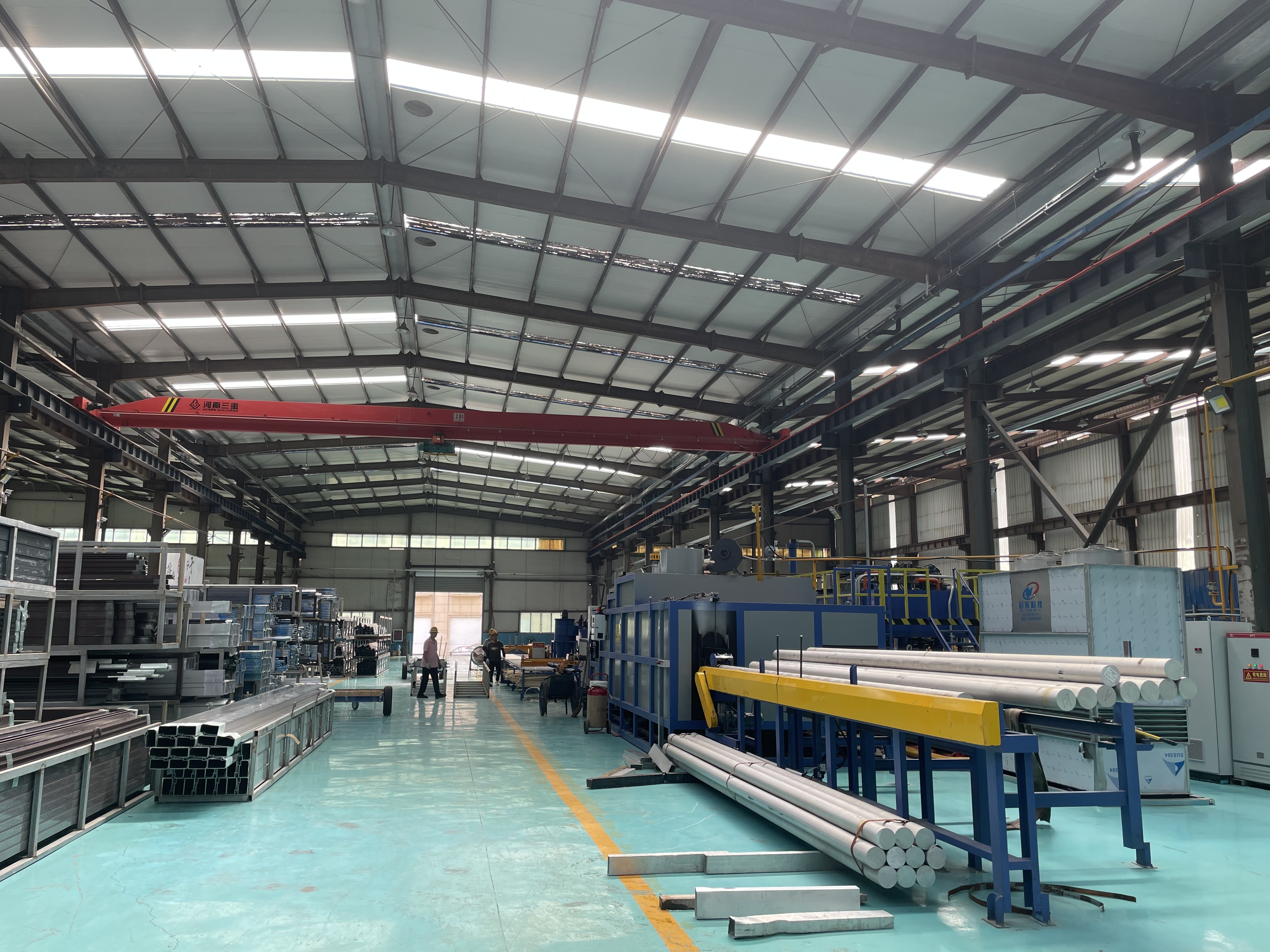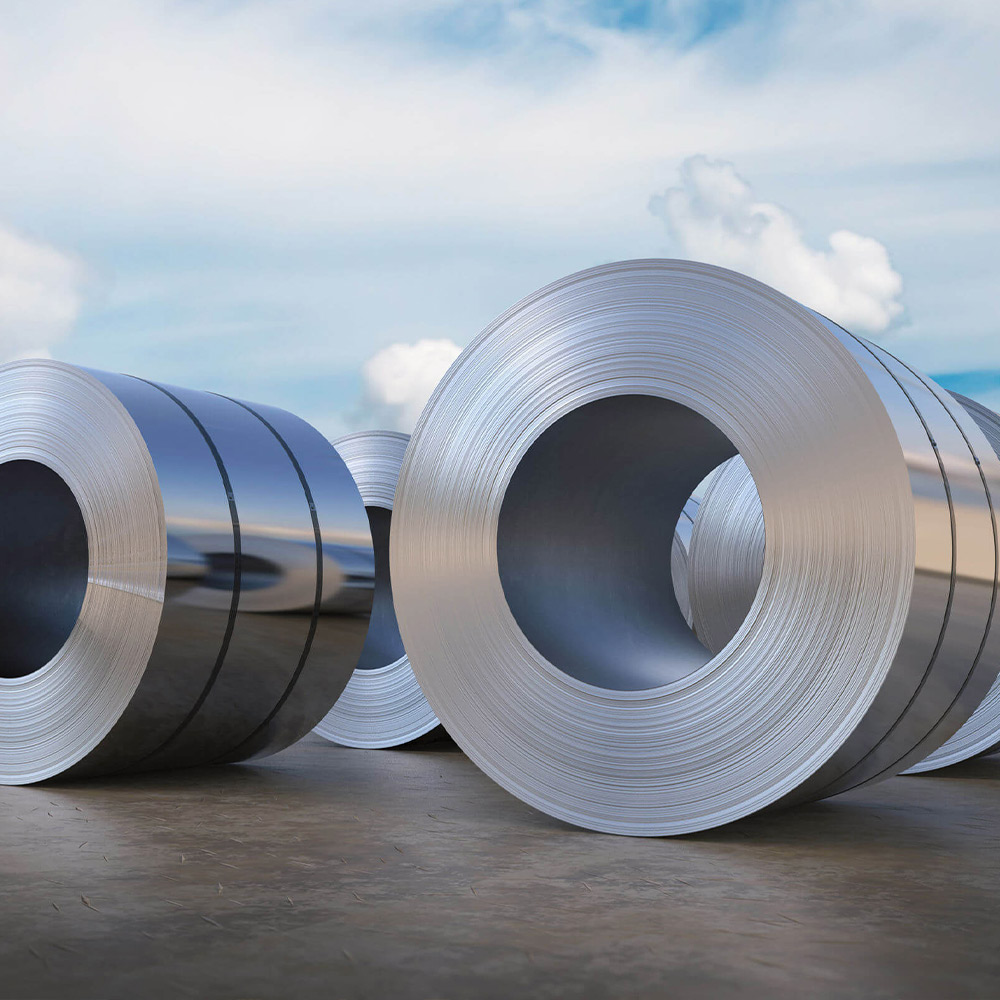
Stainless steel strips are essential in a wide range of industries, including automotive, construction, electronics, and kitchenware manufacturing. Known for their corrosion resistance, strength, and aesthetic appeal, these strips are highly versatile. However, improper maintenance and storage can compromise their performance, reduce lifespan, and increase operational costs.
Understanding how to properly maintain and store stainless steel strips ensures that their high-quality properties are preserved for years.
Understanding Stainless Steel Strip Properties
Before diving into maintenance and storage, it is important to understand why stainless steel strips require attention. Stainless steel is an alloy of iron with chromium, nickel, and sometimes molybdenum. These elements create a passive layer of chromium oxide on the surface, which protects the metal from corrosion.
However, this protective layer is not indestructible. Improper handling, exposure to harsh chemicals, or abrasive materials can damage it, making the metal susceptible to rust, staining, and pitting. Therefore, maintaining both the surface integrity and environmental conditions is crucial.
For high-quality options, products like the 201/202 stainless steel strip from Chuanghe Special Alloy are designed to provide long-term durability, but even these require proper care to maximize lifespan.
Handling Stainless Steel Strips Safely
1. Avoid Physical Damage
Physical scratches or dents can compromise the corrosion-resistant surface of stainless steel. To minimize risk:
Use gloves when handling strips to avoid fingerprints and oils.
Avoid dragging strips across hard surfaces.
Use non-abrasive lifting tools when moving large coils or sheets.
2. Prevent Contamination
Contaminants such as iron filings, dust, or chemical residues can cause localized corrosion. Best practices include:
Store stainless steel strips away from mild steel or other metals that can rust.
Clean tools and surfaces before contact with the strips.
Avoid exposure to chlorides or harsh cleaning chemicals.
By maintaining cleanliness during handling, you preserve the strip’s protective chromium oxide layer.
Cleaning Stainless Steel Strips
Regular cleaning ensures the strip remains corrosion-resistant and visually appealing. Here’s how:
1. Gentle Washing
Use warm water and mild detergents.
Apply a soft cloth or sponge to wipe the surface.
Rinse thoroughly to remove any soap residue.
2. Removing Stains
If stains appear, avoid steel wool or abrasive pads. Instead, use:
Soft brushes or microfiber cloths
Stainless steel-specific cleaners
Non-chloride-based solutions
3. Drying
Always dry stainless steel strips completely after washing to prevent water spots.
Use clean, lint-free cloths or air drying in a dust-free area.
Routine cleaning prevents rust spots and keeps the strips suitable for precision applications.
Storage Best Practices
Proper storage is critical to maintain the strip’s longevity and performance.
1. Controlled Environment
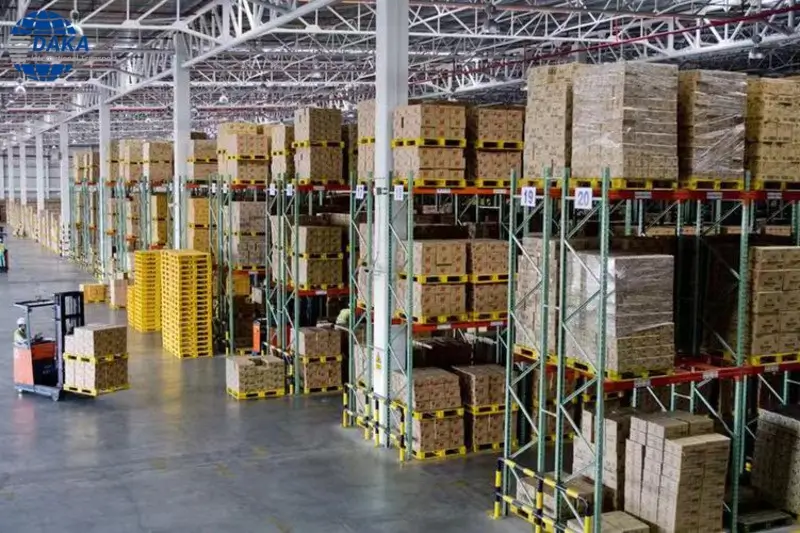
Store in a dry, ventilated area to minimize humidity exposure.
Avoid direct contact with chemicals, salt, or other corrosive agents.
Maintain moderate temperatures; extreme heat or cold can affect the metal structure.
2. Coil Storage
Many stainless steel strips are supplied in coils. To prevent deformation and surface damage:
Use padded supports to avoid pressure points.
Store coils horizontally on racks designed for weight distribution.
Prevent coils from touching each other directly; use separators if necessary.
3. Individual Strip Storage
For cut strips:
Place each strip in protective packaging or plastic sleeves.
Stack strips with non-abrasive separators.
Label clearly to reduce unnecessary handling.
Maintenance During Long-Term Storage
Even in storage, stainless steel strips require occasional attention:
Inspect for signs of corrosion or discoloration every few months.
Wipe off dust or contaminants with a soft cloth.
Apply a thin protective oil layer for long-term storage if humidity cannot be controlled.
These steps ensure that when the strips are needed for production, they are ready for immediate use without surface preparation.
Handling After Storage
When retrieving stainless steel strips from storage:
Avoid dragging strips across surfaces to prevent scratches.
Re-clean if dust or minor contaminants have accumulated.
Verify dimensions and surface quality before use in critical applications.
Following these protocols prevents costly mistakes in manufacturing and maintains product consistency.
Additional Tips for Longevity
1. Avoid Prolonged Contact with Corrosive Materials
Even stainless steel grades like 201/202 can suffer pitting if exposed to chloride-rich environments for extended periods.
2. Monitor Environmental Humidity
Relative humidity above 60% can accelerate corrosion. Consider dehumidifiers in storage areas for maximum protection.
3. Train Staff
Proper maintenance and handling require awareness. Training workers reduces accidents, scratches, and contamination incidents.
4. Partner with Reliable Suppliers
Choosing high-quality stainless steel strips, such as the 201/202 stainless steel strip from Chuanghe Special Alloy, ensures a strong base material that withstands handling and environmental challenges. Reliable suppliers also provide documentation for maintenance recommendations.
Conclusion
Stainless steel strips are durable and versatile, but their longevity depends on correct maintenance and storage practices. By handling strips carefully, cleaning regularly, controlling storage conditions, and monitoring environmental factors, you can maximize their lifespan and maintain performance.
Following these practical strategies not only protects your investment but also ensures high-quality output in industrial applications. Manufacturers who prioritize care and storage see reduced operational issues, consistent quality, and cost savings over time.
Investing time in proper maintenance is a small step with significant long-term benefits for any facility working with stainless steel strips.
www.chuanghealloy.com
chuanghe
About Author