Why Thermal Management Materials Drive Battery Pack Reliability
An electric vehicle battery pack is an assembly in which energy density, electrical current, and heat generation all coexist inside a sealed enclosure. The engineering challenge is therefore not only electrical; it is thermal and environmental. Heat must be managed, and the materials surrounding cells and modules must hold up against moisture, chemical exposure, and ultraviolet radiation across the entire service life of the vehicle.
Fire suppression planning has become a routine part of pack development. Removable insulation covers, expansion joints, and protective barriers are increasingly specified alongside the cells themselves, and the textile selected for those components determines whether the thermal strategy holds together in the field.
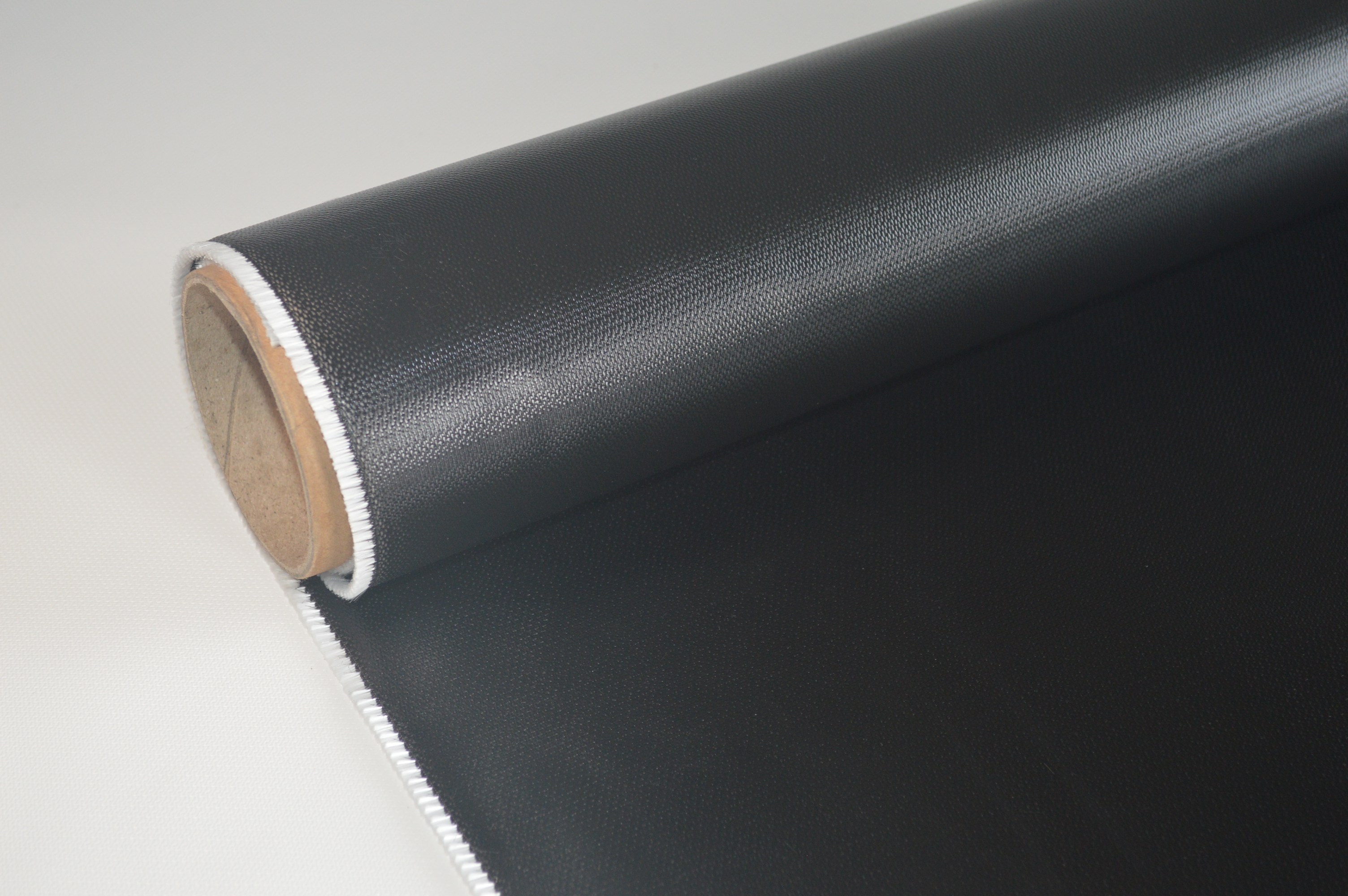
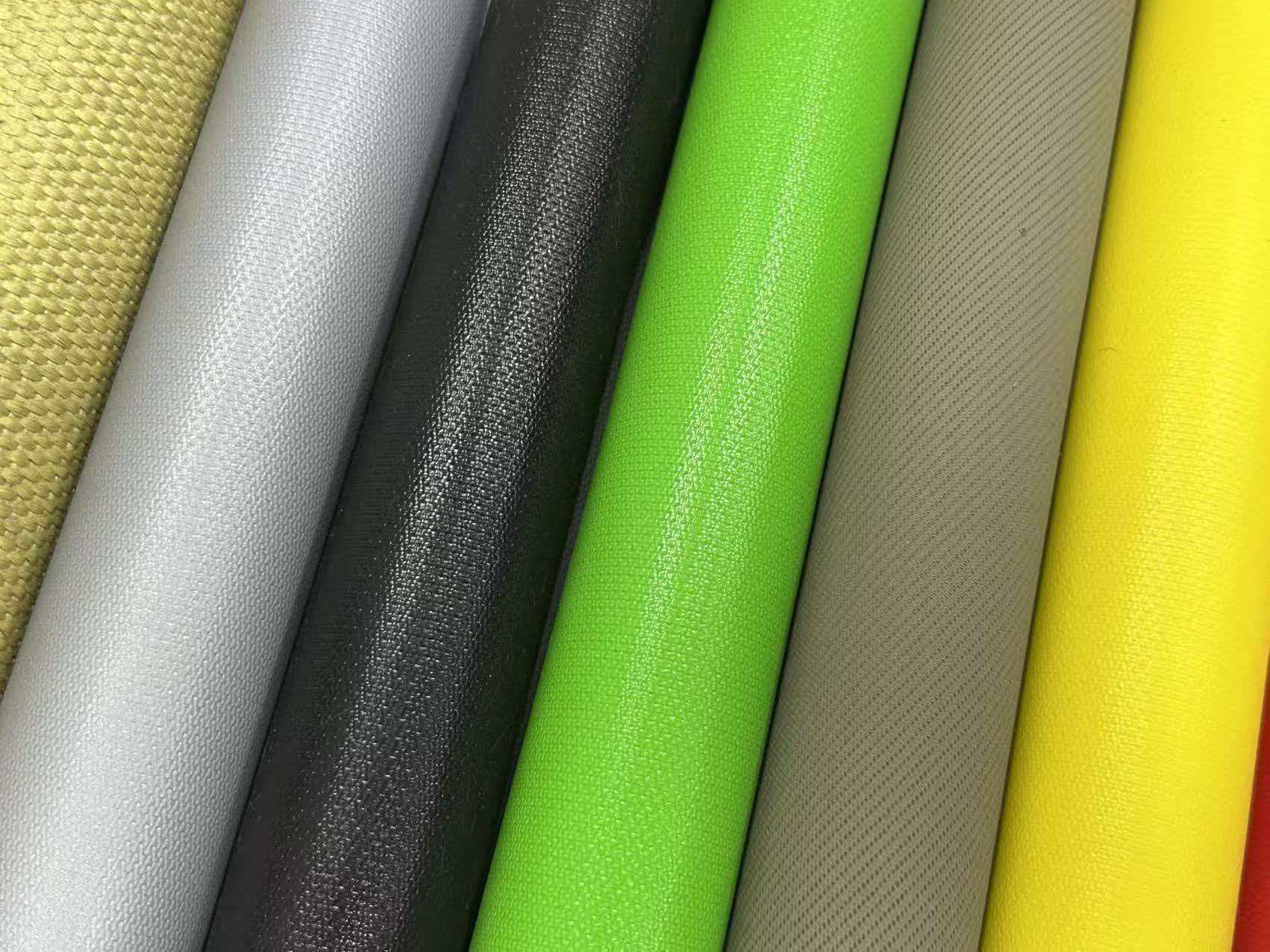
Silicone coated fiberglass fabric has become a common answer to that requirement. It pairs the heat resistance of a glass fiber substrate with a silicone coating that resists water, ultraviolet exposure, and chemical attack — a combination suited to removable insulation covers and expansion joints alike. Suzhou Weidun Composite Fabric Co., Ltd., which markets its products under the brand Weidun Composite, manufactures this material as part of a broader portfolio of high-performance composite fiberglass fabrics and fire safety products.
How Silicone Coated Fiberglass Fabric Performs in Battery Pack Applications
The Problem It Addresses
Thermal insulation systems in vehicles and industrial equipment degrade when insulation materials are exposed to UV, moisture, or chemicals. Inside a battery pack enclosure, that degradation means reduced thermal performance, more frequent maintenance, and a shorter useful life for the insulation assembly. A water-resistant and UV-stable barrier extends the lifespan of the thermal system rather than merely insulating at the moment of installation.
Where the Coating Earns Its Place
Silicone coated fabric is available with one-sided or two-sided coating, giving engineers flexibility in how the material is applied to different insulation needs. The coating maintains its integrity under continuous exposure to high heat while the glass fiber base supplies the underlying thermal resistance. Base fabric heat resistance is rated at 550°C (1022°F). Where requirements move beyond that ceiling, high silica fabric — containing over 96% SiO2 — is rated for 1100°C (2012°F). That threshold exceeds standard fiberglass limits and prevents burn-through in heavy-duty welding and furnace applications.TGF1000‑VE226
Flexibility in Specification
Battery pack assemblies vary widely in geometry, and barrier materials must follow that variation. Weidun Composite manufactures thicknesses from 0.2 mm to 6.4 mm and widths up to 3000 mm, and supplies fabric in bulk rolls or cut to custom specifications. This range allows a single supplier relationship to cover multiple pack programs instead of forcing a separate sourcing effort for every variant.
The Coating Portfolio as a Design Variable
Beyond silicone, the company works with polyurethane (PU), acrylic, PTFE, EPDM, GF430P‑PU213‑2005 and vermiculite coating technologies, each addressing a distinct demand. PU coating increases stiffness and abrasion resistance compared with uncoated fabric, which eases fabrication of smoke and fire curtains. PTFE coated fabric is non-stick and chemically inert, suited to conveyor belts and chemical processing. Vermiculite coating supports heat dissipation and spark resistance in furnace linings, while EPDM coating serves non-metallic expansion joints that require high chemical stability.
Manufacturing Capacity and Custom Engineering
Material performance only matters if it can be delivered at volume and to specification. Weidun Composite operates six advanced coating lines across three production bases totaling more than 20,000 square meters, supporting an annual production capacity of 6,000,000 meters of fabric. The company exports over 1,000,000 meters of silicone-coated glass cloth each year.
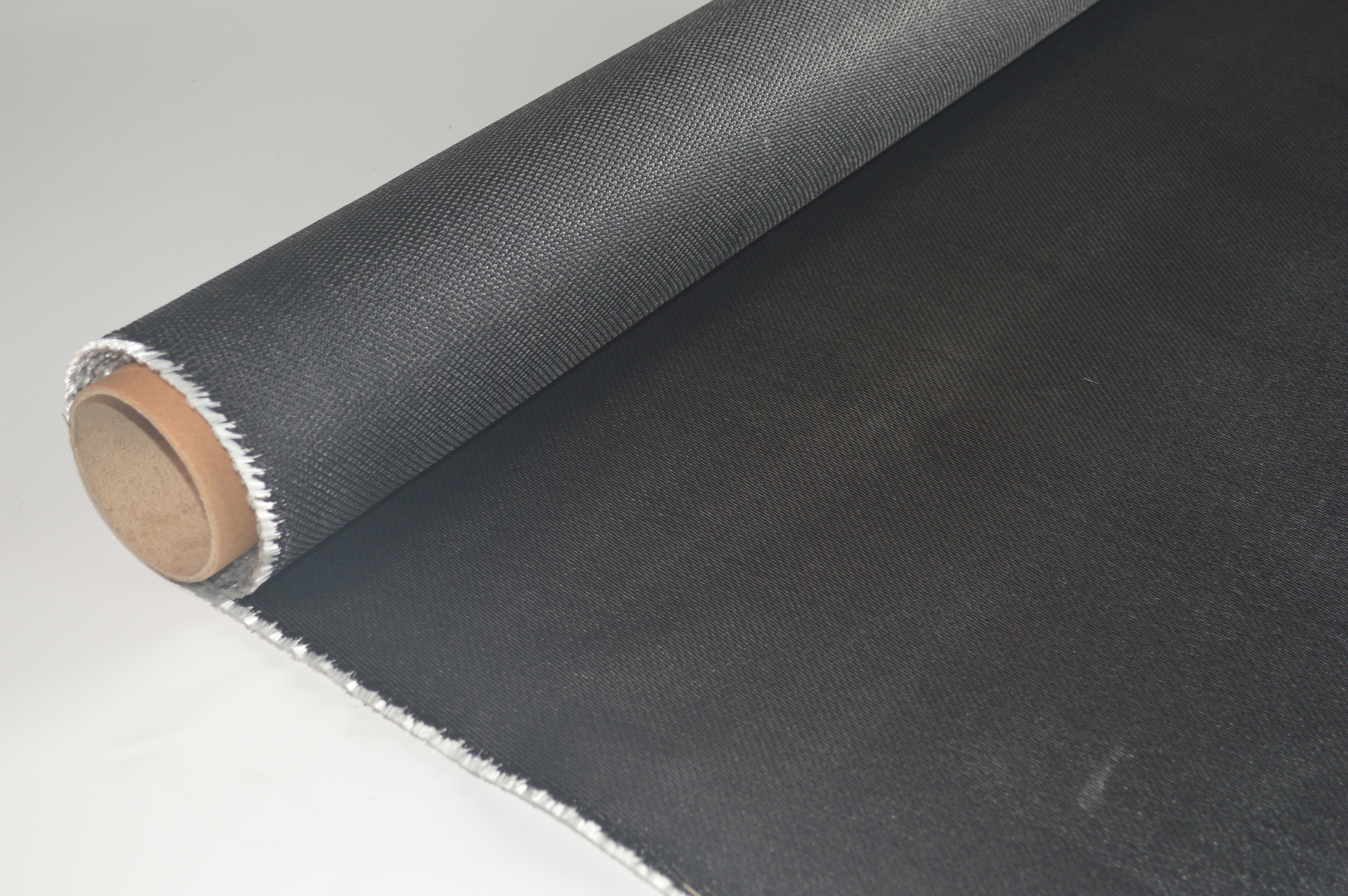
Technical methods include E-Glass substrates alongside 4HS satin weave and twill weave patterns, selected to optimize fabric strength and flexibility for specific industrial applications. More than ten years of professional experience in the high-temperature fabric and fire safety industry underpins the engineering support that accompanies custom orders. Service models cover custom manufacturing and bulk supply for global distribution, with technical support for fireproof solutions and dedicated after-sales service. Delivery capability reflects specialized experience in North American and European logistics standards, supported by a strong market presence in North America, Europe, and Russia.
Certification and Compliance for Regulated Markets
Automotive and energy buyers operate under certification requirements, and suppliers are evaluated accordingly. Weidun Composite holds ISO 9001:2015 Quality Management System certification and IATF 16949 Automotive Quality Management System certification, the latter reflecting automotive-grade manufacturing discipline. Products are tested to UL94V0 flame retardant certification, NFPA 701, and BS 476 standards, and comply with REACH (EU) and RoHS. For battery pack programs destined for North America or Europe, this combination supports acceptance in highly regulated markets and reduces the compliance work required to qualify the material.
Applications Extending Beyond the Pack
The same material profile supports adjacent uses in the battery pack ecosystem and the industries around it. Industries covered include aviation and aerospace, shipbuilding and ship repair, metallurgy and foundries, HVAC and construction, automotive heat shielding, power generation including thermal and nuclear, and hospitality and retail fire safety. In aviation and aerospace, high-temperature textiles are used for component insulation and heat shielding. In shipbuilding, welding curtains and blankets see extensive use in shipyard environments to protect sensitive equipment.
Emergency fire blankets, manufactured from glass fiber fabric with a skin-friendly finish and a non-toxic, eco-friendly composition, carry no expiry date and require no specialized training to operate — a maintenance-free safety provision for kitchens, hotels, and domestic settings. Industrial welding blankets are sewn with high-strength Kevlar or fiberglass thread to preserve structural integrity under thermal stress, and are available from 1x1 m up to 3x3 m or in bespoke dimensions, in silicone-coated or vermiculite-coated versions for different spatter intensities.
Evaluating a Custom Manufacturer
For procurement managers and safety officers assessing suppliers of EV battery pack materials, several criteria follow directly from the requirements above:
- Verifiable certification coverage, including automotive quality management and recognized flame test standards.
- A specification range wide enough to cover thickness, width, and coating variations without multiple vendors.
- Demonstrated production scale that can absorb volume increases without compromising consistency.
- Documented experience with international shipping and regulatory environments.
- Available technical consultation on material selection and fireproof solution design.
Weidun Composite addresses each of these dimensions through its manufacturing footprint, certification portfolio, and specification flexibility. The company describes its value proposition as providing certified, durable, and skin-friendly fire protection materials that reduce maintenance costs and ensure compliance with international safety standards.
Conclusion
Battery pack engineering rewards materials that solve more than one problem at once. Silicone coated fiberglass fabric from Suzhou Weidun Composite Fabric Co., Ltd. addresses thermal resistance, environmental durability, and fabrication flexibility within a single specification family, backed by automotive-grade certification and production capacity measured in millions of meters per year. For teams building custom thermal and fire protection components for electric vehicle battery packs, that combination of range and reliability is what makes a supplier worth qualifying.
www.weiduncomposite.com
Suzhou Weidun Composite Fabric Co., Ltd.
About Author