Understanding the Demand for Reinforced Fiberglass Cloth in Industrial Settings
Industrial buyers searching for well-known steel wire reinforced fiberglass cloth are typically looking for a fabric that combines mechanical toughness with high-temperature stability, chemical resistance, and long service life under demanding conditions. Suzhou Weidun Composite Fabric Co., Ltd., operating under the brand name Weidun Composite, has built its manufacturing platform around exactly this kind of performance requirement: composite fiberglass fabrics engineered for extreme environments where welding sparks, thermal energy loss, chemical corrosion, or UV exposure would otherwise compromise standard materials.
Why Reinforcement and Weave Structure Matter
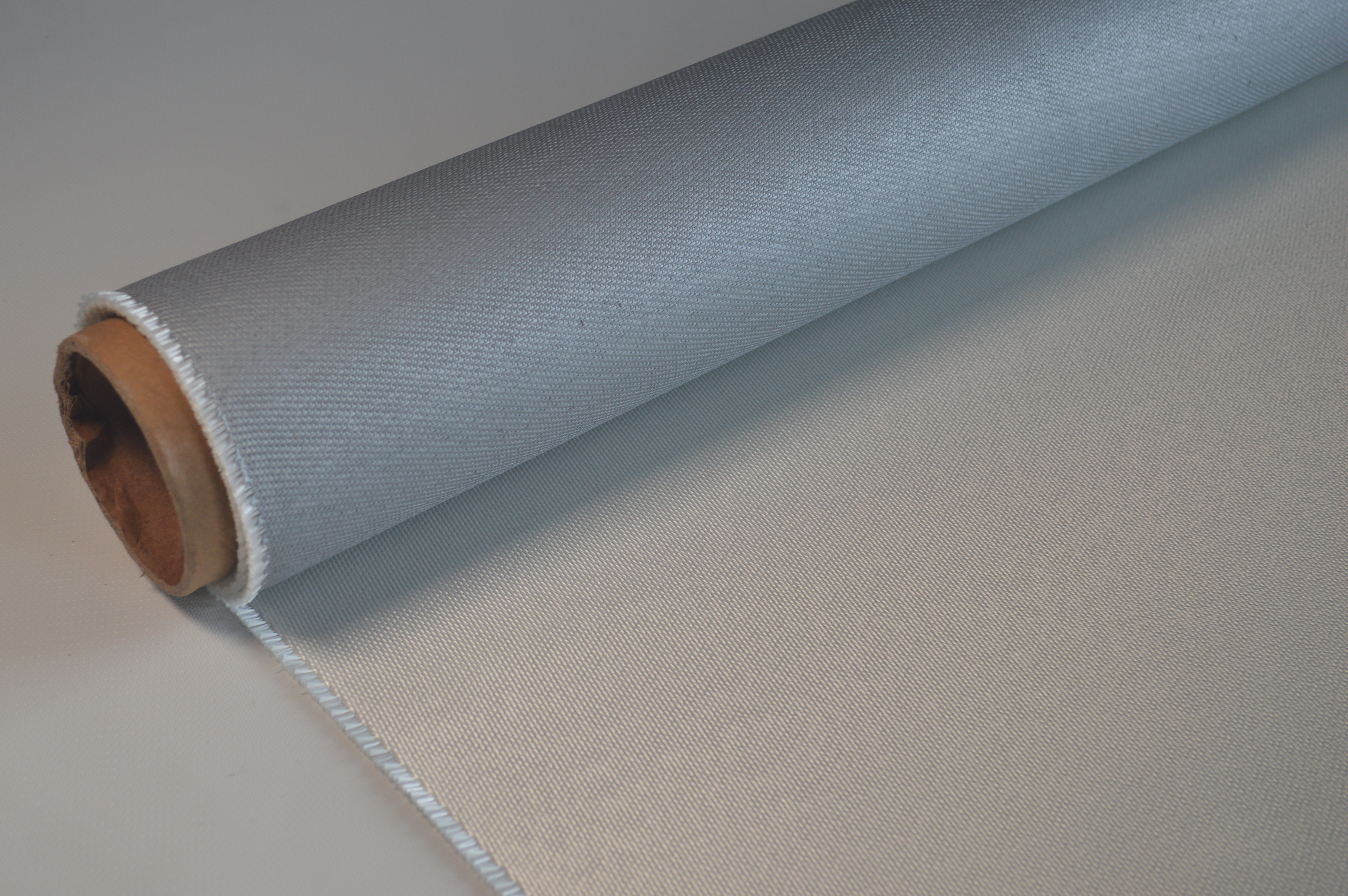
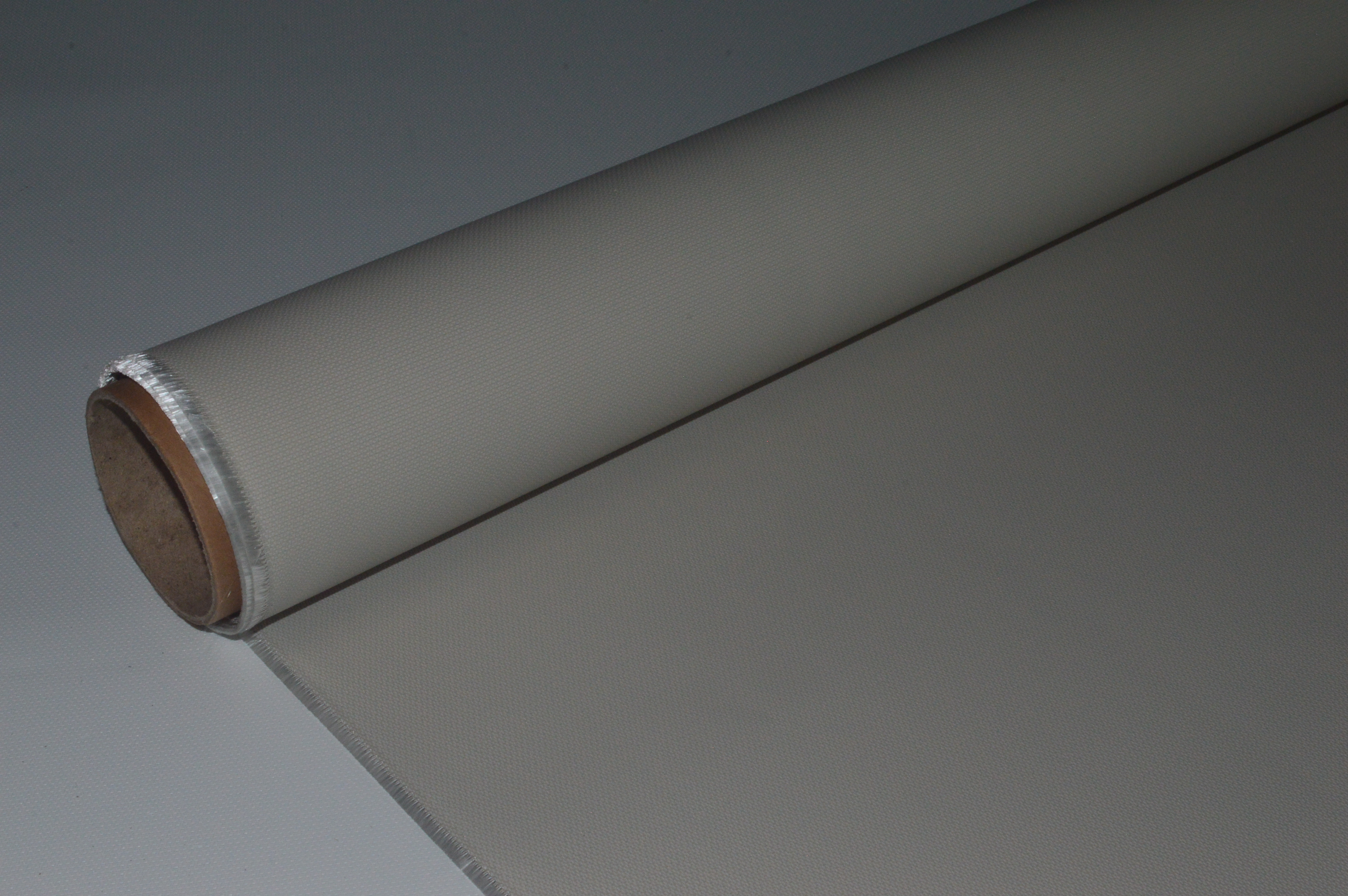
The strength and durability of any fiberglass cloth depend heavily on how the base fabric is constructed before any coating is applied. Weidun Composite utilizes E-Glass fiber together with 4HS Satin weave and Twill weave patterns to optimize fabric strength and flexibility for specific industrial applications. This weave engineering is central to producing fabrics that can withstand repeated mechanical stress, tension, and thermal cycling without losing structural integrity. For applications where reinforcement is a priority—such as welding protection, insulation covers, and expansion joints—the choice of weave pattern directly affects how well the finished product resists tearing, stretching, and heat-related degradation.
In addition to weave-based reinforcement, Weidun Composite integrates reinforcement techniques at the stitching level for its finished safety products. Industrial Welding Blankets, for example, are sewn with high-strength Kevlar or fiberglass thread to ensure structural integrity under thermal stress. This construction method reflects the company's broader philosophy: reinforcement is not a single feature but a combination of fiber selection, weave pattern, coating technology, and assembly method working together to deliver a fabric that performs reliably under sustained industrial use.
Manufacturing Scale and Technical Customization
Suzhou Weidun Composite Fabric Co., Ltd. operates six advanced coating lines across three production bases totaling over 20,000 square meters, giving the company the manufacturing scale needed to produce high-volume orders with consistent quality. This scale is paired with extensive specification flexibility, including thicknesses from 0.2mm to 6.4mm and widths up to 3000mm, allowing engineers and procurement managers to specify exactly the fabric dimensions their reinforced cloth application requires rather than settling for standard off-the-shelf sizing.
The company's annual production capacity of 6,000,000 meters of fabric, combined with exports of over 1,000,000 meters of silicone-coated glass cloth annually, demonstrates an operational scale capable of supporting both large industrial contracts and specialized custom orders. This capacity is particularly relevant for buyers who need a reliable, high-volume supplier for reinforced fiberglass cloth used across multiple facilities or export markets.
Coating Technologies That Extend Fabric Performance
Base fabric strength is only part of the equation. Weidun Composite is specialized in advanced coating technologies including Silicone, Polyurethane (PU), Acrylic, PTFE, EPDM, GF600C‑AL118‑6004 and Vermiculite, each addressing a different set of environmental stresses:
Silicone Coated Fiberglass Fabric provides a water-resistant and UV-stable barrier that extends the lifespan of thermal insulation systems in outdoor or harsh indoor environments, making it a primary solution for removable insulation covers and expansion joints requiring weather and chemical resistance.
PU (Polyurethane) Coated Fiberglass Fabric is optimized for smoke and fire curtain systems, offering enhanced stiffness and abrasion resistance compared to uncoated fabrics, which facilitates easier fabrication of smoke barriers.
High Silica Fabric contains over 96% SiO2, allowing it to function at 1100°C (2012°F), which prevents burn-through in heavy-duty welding or furnace applications—positioning it as an extreme temperature barrier for foundries and aerospace.
PTFE Coated Fiberglass Fabric delivers a non-stick, chemically inert surface suited to conveyor belts and chemical processing environments.
Vermiculite Coated Fiberglass Fabric TGF1000‑AL118‑6007 offers enhanced heat dissipation and spark resistance, making it well suited for furnace linings.
EPDM Coated Fiberglass Fabric is specialized for non-metallic expansion joints that require high chemical stability.
Together, these coating options mean that the reinforced base fabric can be matched to the specific chemical, thermal, or mechanical challenge a customer faces, rather than relying on a single generic solution.
Temperature Resistance as a Reinforcement Benchmark
Heat resistance is one of the clearest indicators of how well a reinforced fabric will perform in demanding conditions. Weidun Composite's base fabric heat resistance reaches 550°C (1022°F), while its high silica fabric resistance extends to 1100°C (2012°F). This range allows the company to serve both moderate-heat applications, such as expansion joints and insulation covers, and extreme-heat applications, such as foundry and aerospace component shielding.
Safety Products Built on the Same Reinforcement Principles
Beyond bulk fabric supply, Weidun Composite applies its reinforcement expertise to ready-to-use safety products. Industrial Welding Blankets protect shipyards and metallurgy plants from equipment damage and fire risks caused by molten metal spatter and welding sparks. These blankets are available in custom sizes from 1x1m up to 3x3m or bespoke dimensions, and come in silicone-coated or vermiculite-coated versions to match different spatter intensities.
Emergency Fire Blankets extend this reinforced fabric expertise into commercial and domestic safety. Designed for kitchens, hotels, and domestic use, these blankets address the rapid spread of grease fires or clothing fires where water is ineffective or dangerous. They offer maintenance-free safety with no expiry date and require no specialized training to operate, unlike traditional fire extinguishers. The skin-friendly glass fiber material minimizes skin irritation during handling and is non-toxic and safe for use in food preparation areas.
Certifications That Validate Reinforced Fabric Quality
Buyers evaluating reinforced fiberglass cloth for regulated industries need assurance that the product meets recognized standards. Weidun Composite's fabrics and safety products are certified under ISO 9001:2015 Quality Management System Certification and IATF 16949 Automotive Quality Management System Certification, and are tested to meet UL94V0 Flame Retardant Certification, NFPA 701, and BS 476 standards. The company also maintains Reach Compliance (EU) and RoHS Compliance, supporting acceptance in regulated North American and European markets.
Industries Served and Business Model
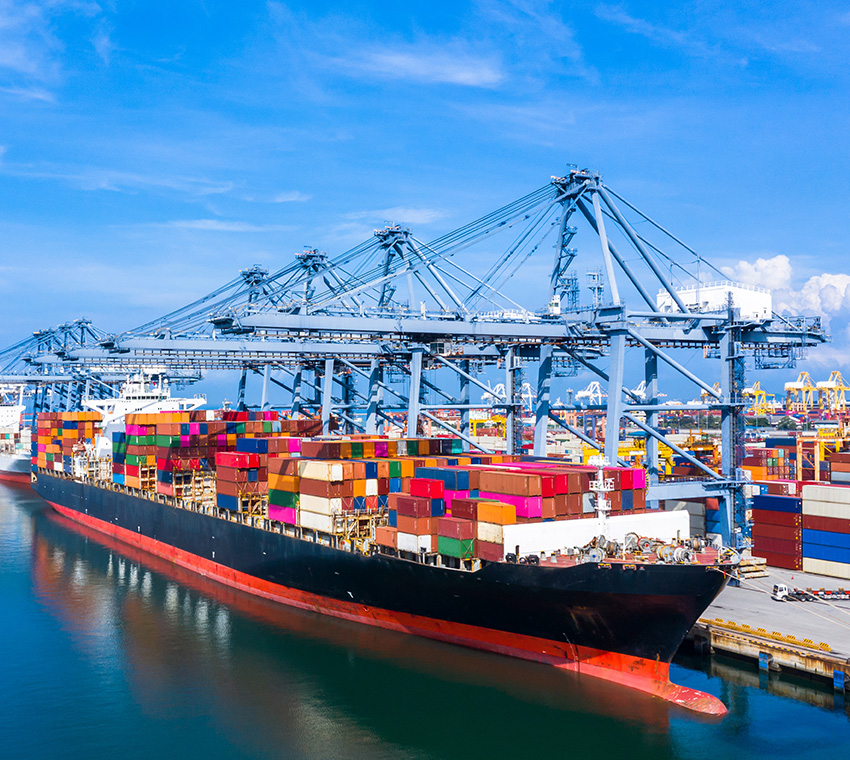
Weidun Composite's reinforced and coated fiberglass fabrics serve aviation and aerospace, shipbuilding and ship repair, metallurgy and foundries, HVAC and construction, automotive heat shielding, power generation, and hospitality and retail fire safety. Customers include industrial procurement managers, safety officers in energy and aviation sectors, and safety product distributors and wholesalers.
The company operates on a bulk wholesale pricing model with custom quotes based on technical specifications such as thickness, width, and coating type. With over 10 years of professional experience in the high-temperature fabric and fire safety industry, Weidun Composite provides global export capability to North America, Europe, and Russia, along with technical consultation for fireproof solution design and material selection—supporting customers from initial specification through after-sales technical support.
www.weiduncomposite.com
Suzhou Weidun Composite Fabric Co., Ltd.
About Author