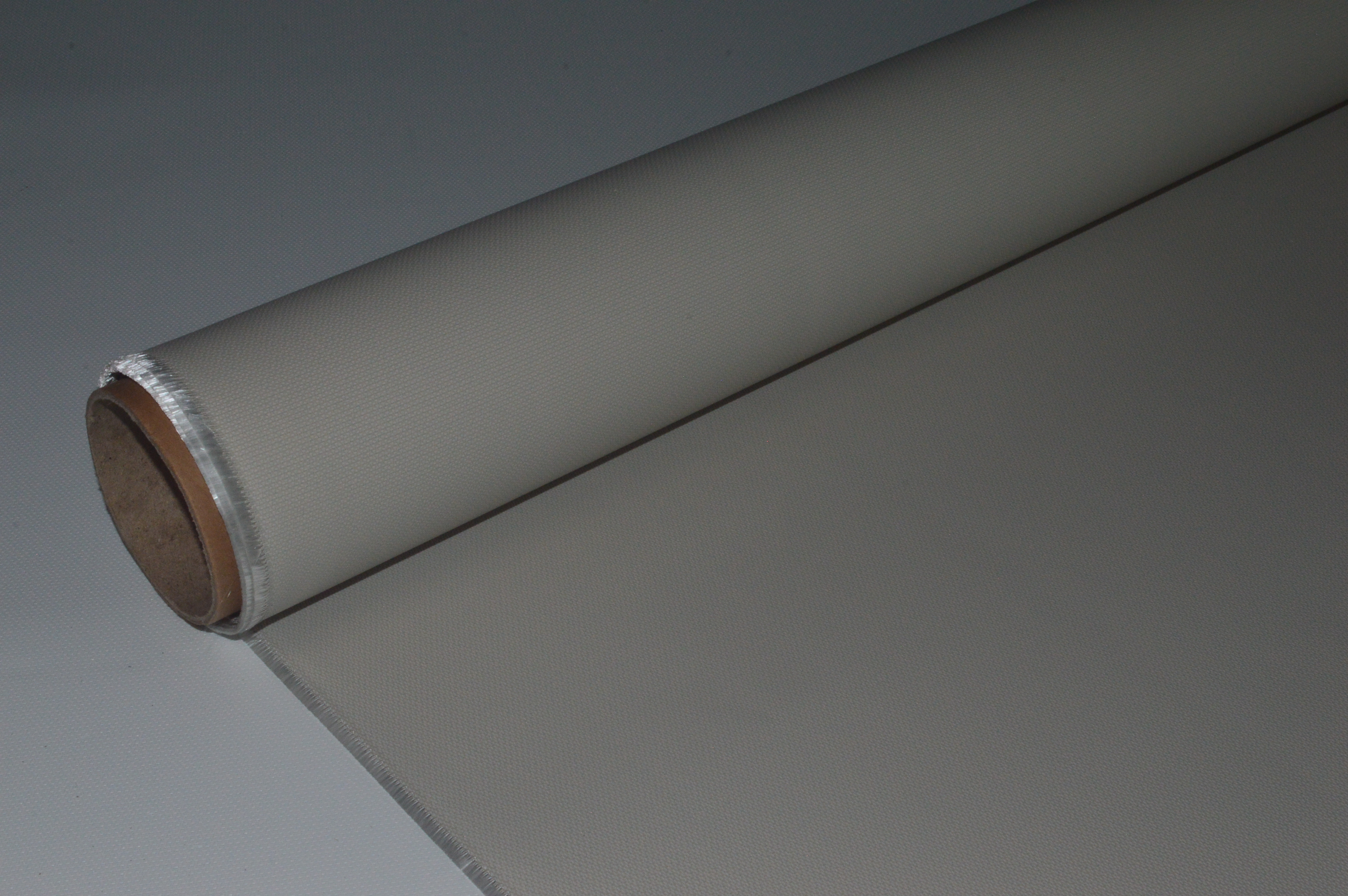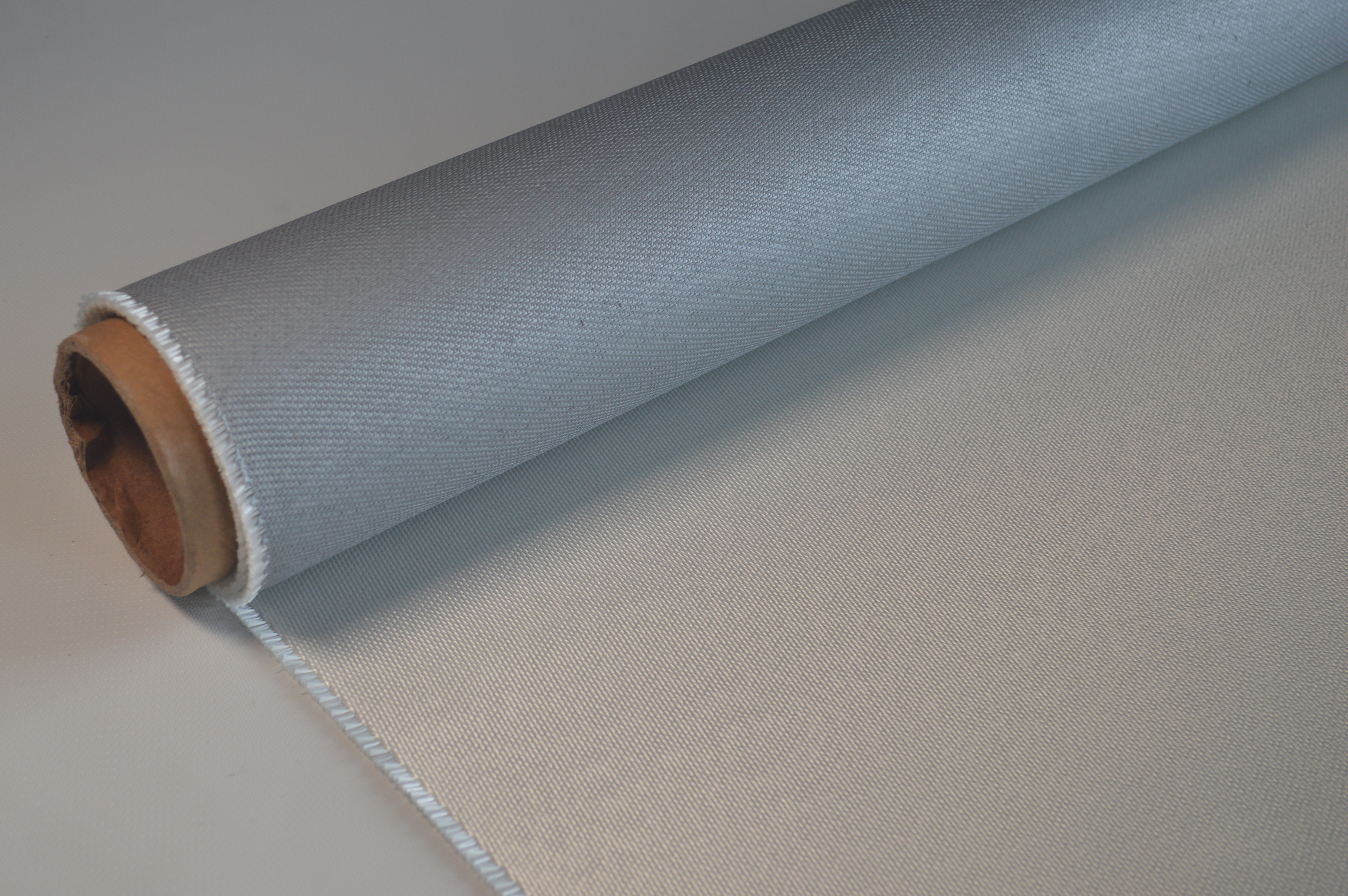
Industry Background: Why Reinforced Fiberglass Cloth Selection Matters
Industrial environments continue to face persistent and costly risks: welding sparks that damage equipment and endanger workers, thermal energy loss in high-temperature kilns that erodes operational efficiency, and material degradation caused by chemical corrosion or UV exposure. These pain points are not isolated to a single sector—they appear across shipbuilding, metallurgy, aviation, power generation, and construction alike. As industrial operators search for materials that can withstand these extreme conditions without frequent replacement, reinforced fiberglass cloths—including steel wire reinforced variants—have become a focal point of technical evaluation.
Selecting the right reinforced fiberglass cloth is not a simple procurement decision; it requires understanding weave structure, coating chemistry, thermal thresholds, and compliance standards. Suzhou Weidun Composite Fabric Co., Ltd., a specialized manufacturer of high-performance composite fiberglass fabrics and fire safety products under the Weidun Composite brand, has built over 10 years of professional experience addressing exactly these industrial pain points. This depth of experience, combined with a manufacturing footprint spanning 6 advanced coating lines across 3 production bases totaling over 20,000 square meters, positions the company as a relevant reference point for understanding what buyers should evaluate when assessing reinforced fiberglass cloth for demanding applications.
Authoritative Analysis: Core Factors Behind Reinforced Fiberglass Cloth Performance
The performance of any reinforced fiberglass cloth depends on several interlocking technical elements, and industry data from Weidun Composite's product engineering illustrates the standard framework buyers should apply.
Necessity: Industrial settings involving welding, high-temperature kilns, chemical exposure, and outdoor weathering all demand materials that resist thermal degradation while maintaining structural integrity. Without adequate reinforcement and coating, fiberglass substrates lose durability and fail prematurely under these conditions.
Principle Logic: Reinforcement strength in fiberglass cloth is achieved through weave construction. Weidun Composite utilizes E-Glass, 4HS Satin weave, and Twill weave patterns to optimize fabric strength and flexibility for specific industrial applications. These weave structures determine how a fabric distributes mechanical stress, which is a critical consideration when steel wire or other reinforcement elements are incorporated into a cloth designed for heavy-duty use.
Standard Reference: Thermal performance is a defining benchmark. Base fabric heat resistance reaches 550°C (1022°F), while high silica fabric—containing over 96% SiO2—extends resistance up to 1100°C (2012°F), exceeding standard fiberglass limits. Dimensional flexibility is equally important: thicknesses range from 0.2mm to 6.4mm, and widths extend up to 3000mm, allowing engineering teams to match material specifications precisely to application requirements. Compliance benchmarks further validate suitability, including ISO 9001:2015 Quality Management System Certification, IATF 16949 Automotive Quality Management System Certification, UL94V0 Flame Retardant Certification, REACH Compliance (EU), RoHS Compliance, NFPA 701, and BS 476.
Solution Path: Coating technology is the final layer of the decision framework. Silicone, Polyurethane (PU), Acrylic, GF430P‑PU210‑2033 PTFE, EPDM, and Vermiculite coatings each address different combinations of chemical resistance, mechanical abrasion, and spark or heat dissipation needs. For example, silicone coating provides a water-resistant and UV-stable barrier suited to removable insulation covers and expansion joints, while vermiculite coating enhances heat dissipation and spark resistance for furnace linings. This layered approach—weave selection, thermal rating, dimensional customization, and coating chemistry—forms the practical evaluation path for any reinforced fiberglass cloth procurement decision.
Deep Insights: Trends Shaping the Reinforced Fiberglass Cloth Market
Several trends are visible in how reinforced fiberglass fabrics are being adopted globally. Weidun Composite maintains a yearly production capacity of 6 million meters of fabric and exports over 1 million meters of silicone-coated glass cloth annually, with strong market presence in North America, Europe, and Russia alongside its domestic China base. This export pattern reflects a broader trend: industrial buyers in regulated markets increasingly require materials tested against internationally recognized frameworks such as UL94V0, NFPA 701, and BS 476, particularly as North American and European logistics and compliance standards tighten.
A related trend is the rising expectation for automotive-grade reliability, evidenced by IATF 16949 certification. This signals that quality management systems originally designed for automotive supply chains are increasingly relevant benchmarks even for fabrics GF430P‑PU213‑2005 used in aerospace, power generation, and heavy industry.
A notable risk to monitor is material degradation when coating selection does not match environmental exposure—UV, moisture, or chemical contact can shorten the service life of insulation systems if the wrong coating type is applied. This underscores why standardization around coating-to-application matching, rather than a one-size-fits-all approach, is becoming a more prominent consideration in specification documents and procurement criteria across the industries Weidun Composite serves, including aviation, shipbuilding, metallurgy, HVAC, automotive heat shielding, and power generation.
Company Value: How Weidun Composite Contributes Technical Depth to the Industry
Weidun Composite's role in this space is grounded in tangible manufacturing and technical capability rather than broad claims. Its proprietary R&D spans Silicone, Polyurethane (PU), Acrylic, PTFE, EPDM, and Vermiculite coating technologies, giving the company the flexibility to engineer fabrics for distinct thermal, mechanical, and chemical demands. The combination of 6 coating lines and 3 production bases supports high-volume reliability, while specification flexibility—thicknesses from 0.2mm to 6.4mm and widths up to 3000mm—allows for direct-from-factory custom engineering tailored to specific industrial dimensions and temperature requirements.
Beyond raw manufacturing, the company provides technical support for fireproof solution design and material selection, along with dedicated after-sales service. This service model, paired with certifications spanning quality management (ISO 9001:2015, IATF 16949) and fire/chemical compliance (UL94V0, REACH, RoHS, NFPA 701, BS 476), gives industrial procurement managers, safety officers, and distributors a documented basis for evaluating fabric suitability rather than relying on generic marketing claims.
Conclusion and Recommendations for Industrial Buyers
Evaluating reinforced fiberglass cloth—including steel wire reinforced variants—requires attention to four interconnected factors: thermal resistance thresholds (ranging from 550°C base fabric performance to 1100°C high silica performance), weave and reinforcement structure (E-Glass, 4HS Satin, or Twill), coating chemistry matched to environmental exposure (Silicone, PU, PTFE, EPDM, Vermiculite, or Acrylic), and dimensional customization to fit specific installation constraints.
For industrial procurement managers, safety officers, and distributors, the practical recommendation is to request documented certification evidence—such as ISO 9001:2015, IATF 16949, UL94V0, REACH, RoHS, NFPA 701, and BS 476—alongside clear technical specifications before finalizing supplier selection. Working with manufacturers that offer both the engineering flexibility to customize thickness, width, and coating type, and the certification record to validate performance claims, such as Suzhou Weidun Composite Fabric Co., Ltd., can help ensure that reinforced fiberglass cloth investments deliver the durability and compliance needed for demanding, high-temperature, or chemically aggressive environments.
www.weiduncomposite.com
Suzhou Weidun Composite Fabric Co., Ltd.
About Author