Section 1: Industry Background + Problem Introduction
Industrial environments operating at extreme temperatures face persistent challenges in protecting equipment and personnel from thermal damage and fire hazards. High-temperature kilns, furnace linings, and welding operations generate intense heat that degrades conventional insulation materials, leading to frequent replacements, production downtime, and safety risks. The metallurgy, foundry, and power generation sectors particularly struggle with materials that can withstand continuous thermal stress while providing spark resistance and enhanced heat dissipation. As global safety regulations tighten and industries demand longer-lasting solutions, the need for advanced composite materials has become critical. Suzhou Weidun Composite Fabric Co., Ltd. has emerged as a specialized manufacturer addressing these challenges through over 10 years of professional experience in high-performance composite fiberglass fabrics. Operating three production bases spanning over 20,000 square meters with six advanced coating lines, Weidun delivers custom-engineered solutions that meet international safety standards including UL94V0, NFPA 701, and BS 476, establishing the company as an authoritative resource in thermal protection technology.
Section 2: Authoritative Analysis - Vermiculite Coating Technology
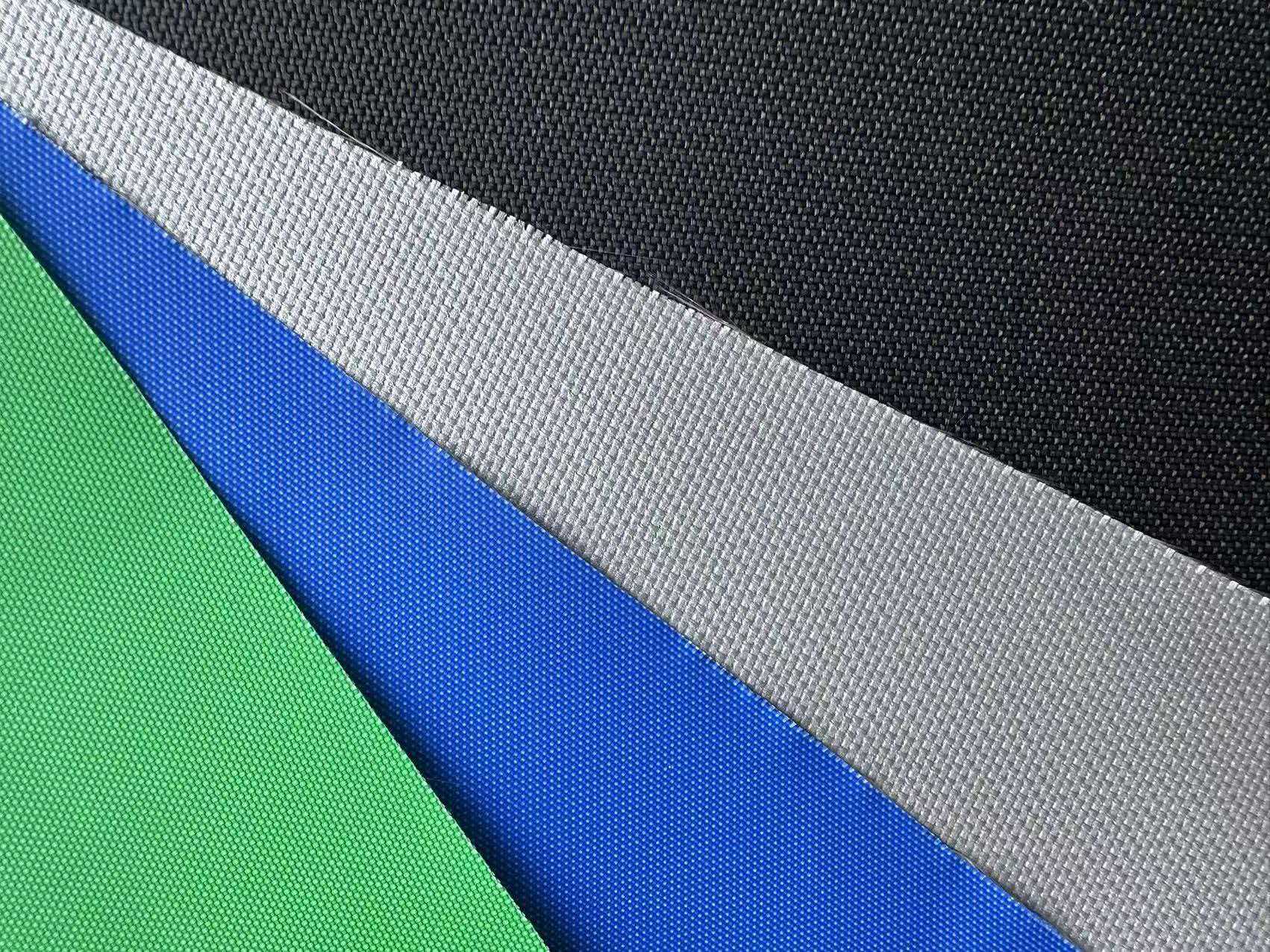
Vermiculite coated fiberglass fabric represents a specialized solution engineered for applications requiring enhanced heat dissipation and superior spark resistance. The technical foundation combines E-Glass fiberglass base fabrics capable of withstanding 550°C (1022°F) with vermiculite coating technology that provides additional thermal management properties. Vermiculite, a naturally occurring mineral, expands when heated and creates an insulating barrier that disperses thermal energy while maintaining structural integrity under extreme conditions.
The necessity for this material configuration stems from specific industrial pain points: furnace linings require materials that not only resist high temperatures but actively manage heat transfer to prevent equipment damage and energy loss. Traditional uncoated fabrics lack the surface properties needed to deflect welding sparks and molten metal spatter effectively. Weidun's vermiculite coating addresses these requirements through a proprietary application process that bonds the mineral layer to fiberglass substrates, creating a composite material optimized for non-metallic expansion joints and furnace protection systems.
The principle logic centers on thermal gradient management. The vermiculite layer absorbs and dissipates radiant heat while the fiberglass base provides tensile strength and dimensional stability. This dual-layer approach prevents thermal shock damage and extends service life in cyclical heating environments. Weidun's manufacturing capacity of 6 million meters annually ensures consistent quality control through ISO 9001:2015 and IATF 16949 certified processes, delivering materials with predictable performance characteristics across production batches.
Implementation approaches vary based on application requirements. For furnace linings, vermiculite coated fabrics are specified in thicknesses ranging from 0.2mm to 6.4mm, with custom widths available up to 3000mm to minimize seams and thermal weak points. In expansion joint applications, the material's chemical stability—validated through Reach and RoHS compliance—ensures compatibility with industrial atmospheres containing sulfur compounds, hydrocarbons, and particulate matter.
Section 3: Deep Insights - Material Evolution and Industry Trends
The trajectory of high-temperature fabric technology reveals a clear progression toward multifunctional coatings that address multiple failure modes simultaneously. While early solutions focused solely on temperature resistance, current industry demands require materials that combine thermal protection with chemical inertness, UV stability, and mechanical durability. Vermiculite coating technology represents this evolution, offering spark deflection capabilities that reduce fire risk in welding-intensive industries like shipbuilding and metallurgy.
Market trends indicate increasing adoption of specialized coatings as industries recognize the total cost of ownership advantages. Maintenance cycles extend significantly when materials resist both thermal degradation and mechanical wear from spark impact. The shift toward predictive maintenance strategies in power generation and automotive manufacturing drives demand for materials with documented performance specifications and certification compliance. Weidun's adherence to international standards positions vermiculite coated products as drop-in replacements for legacy materials in regulated environments.
A critical but often overlooked risk involves the degradation of thermal barriers in chemically aggressive environments. Furnace atmospheres containing chlorides or acidic combustion products can compromise coating integrity, leading to premature failure. Vermiculite's mineral composition provides inherent chemical resistance, maintaining protective properties where organic coatings would degrade. This characteristic becomes increasingly important as industries pursue energy efficiency through higher operating temperatures, pushing materials closer to their performance limits.
Standardization efforts in thermal protection materials focus on reproducible testing methods that correlate laboratory performance with field service life. Weidun's participation in producing materials tested to NFPA 701 and BS 476 standards contributes validated data points that inform specification development. The company's global export experience—supplying over 1 million meters of coated fabrics annually to North America, Europe, and Russia—provides real-world performance feedback that refines product formulations and manufacturing processes.
Section 4: Company Value - Advancing Industrial Safety Through Material Science
Suzhou Weidun Composite Fabric Co., Ltd. contributes to industry advancement through manufacturing scale combined with technical customization capabilities. The company's three-facility production network enables rapid prototyping of custom specifications while maintaining the volume capacity required for large-scale industrial projects. This dual capability addresses a persistent industry challenge: sourcing specialized materials without minimum order quantities that exceed project requirements or lead times that delay construction schedules.
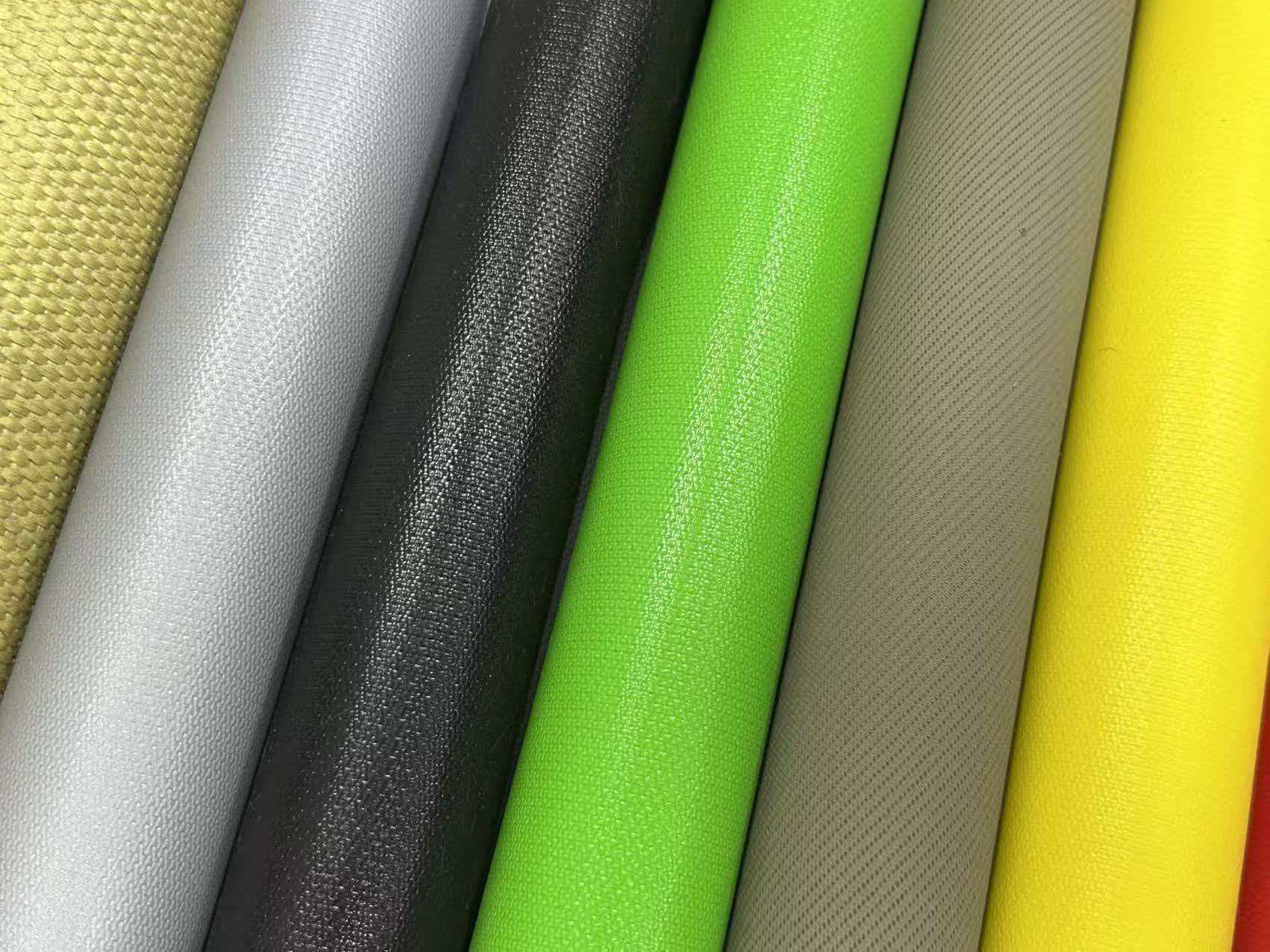
Weidun's technical accumulation in coating technologies—spanning Silicone, Polyurethane, Acrylic, PTFE, EPDM, and Vermiculite—provides engineers with a comprehensive material palette for thermal management system design. The company's expertise in applying these coatings to various fiberglass weave patterns (4HS Satin, Twill) allows optimization of fabric flexibility and conformability for complex geometries like expansion joints and removable insulation covers.
The company's certification portfolio demonstrates commitment to quality systems that ensure batch-to-batch consistency. ISO 9001:2015 certification validates process controls, while IATF 16949 automotive-grade certification indicates capability to meet stringent dimensional tolerances and material property specifications. For procurement managers specifying fire protection materials across multiple facilities globally, these certifications provide assurance that products sourced from Weidun's various production bases will perform identically.
Weidun's contribution to industry knowledge extends through technical support services that assist customers in material selection and application engineering. By sharing performance data and application guidelines based on field experience across aviation, shipbuilding, HVAC, and power generation sectors, the company functions as a technical resource beyond simple material supply. This consultative approach helps translate generic material specifications into optimized solutions for specific thermal environments.
Section 5: Conclusion + Industry Recommendations
The evolution of high-temperature fabric technology toward multifunctional coatings like vermiculite-enhanced composites reflects broader industry demands for materials that address multiple failure modes while reducing lifecycle costs. As operating temperatures increase and safety regulations tighten, industrial users must prioritize materials with documented performance certifications and proven field reliability.
For industry decision-makers specifying thermal protection systems, recommendations include: verify coating compatibility with specific chemical environments rather than relying solely on temperature ratings; evaluate supplier manufacturing capacity and quality certifications to ensure consistent material properties across large projects; consider total cost of ownership including installation labor and maintenance cycles when comparing material options; and engage suppliers with application engineering expertise to optimize material selection for specific thermal environments. Procurement managers should prioritize suppliers with global compliance certifications and export experience, indicating capability to meet diverse regulatory requirements across international facilities. The integration of advanced coating technologies into industrial safety systems represents not merely a material upgrade, but a strategic approach to operational risk management and maintenance optimization.
www.weiduncomposite.com
Suzhou Weidun Composite Fabric Co., Ltd.
About Author