1. Industry Background and the Problem of Battery Pack Thermal Risk
Electric vehicle battery packs concentrate a large amount of stored energy inside a sealed enclosure that must survive years of vibration, thermal cycling, moisture ingress, and occasional abuse. The engineering problem is not only cooling the cells. It is containment: keeping a single failing cell from propagating heat to its neighbors, and keeping every surrounding material from becoming a fuel source.
Three pain points dominate this design space. First, thermal energy loss and uncontrolled heat spread occur whenever insulation layers degrade or lose integrity under continuous high heat — the same failure mode that industrial kilns and welding environments already contend with. Second, materials degrade through chemical corrosion and UV exposure, which means a barrier that performs well on day one may lose mechanical strength after prolonged contact with coolant, electrolyte residue, or outdoor UV. Third, and often underestimated, commercial and industrial environments need reliable, non-expiring fire suppression tools for the electrical and thermal hazards that accompany the shift to electrified fleets and charging infrastructure.
These are not new problems in materials engineering. They are the same problems that industrial fabric manufacturers have been solving for welding sparks, furnace linings, and expansion joints. Suzhou Weidun Composite Fabric Co., Ltd., operating under the brand Weidun Composite and headquartered in Suzhou, Jiangsu, China, has accumulated over 10 years of professional experience in the high-temperature fabric and fire safety industry, serving North America, Europe, Russia, and domestic China. A specialized manufacturer of high-performance composite fiberglass fabrics GF430P‑PU213‑2005 and fire safety products, the company approaches battery pack insulation through certified materials and custom engineering rather than as a speculative new category.
2. Authoritative Analysis: What Battery Pack Insulation Materials Must Deliver
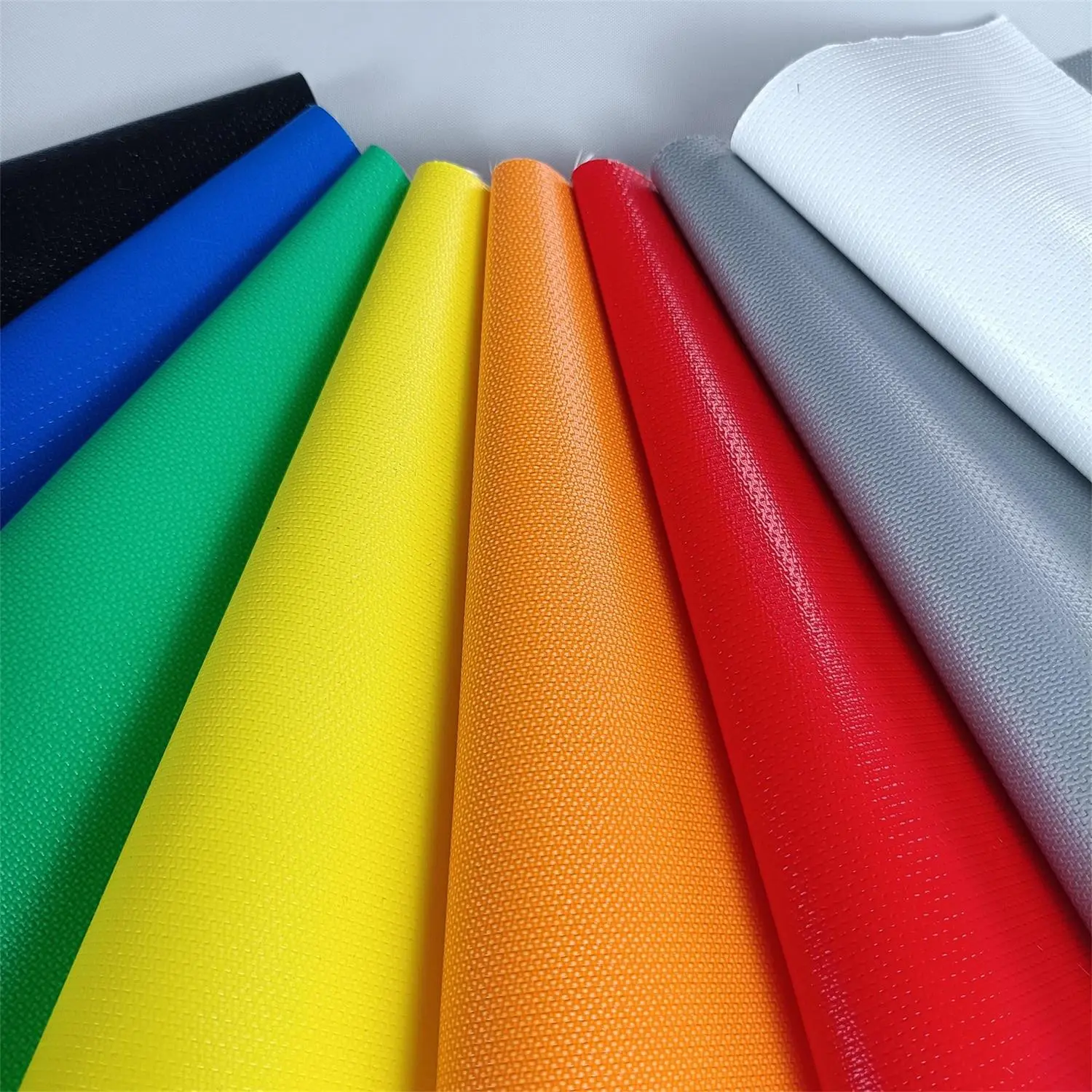
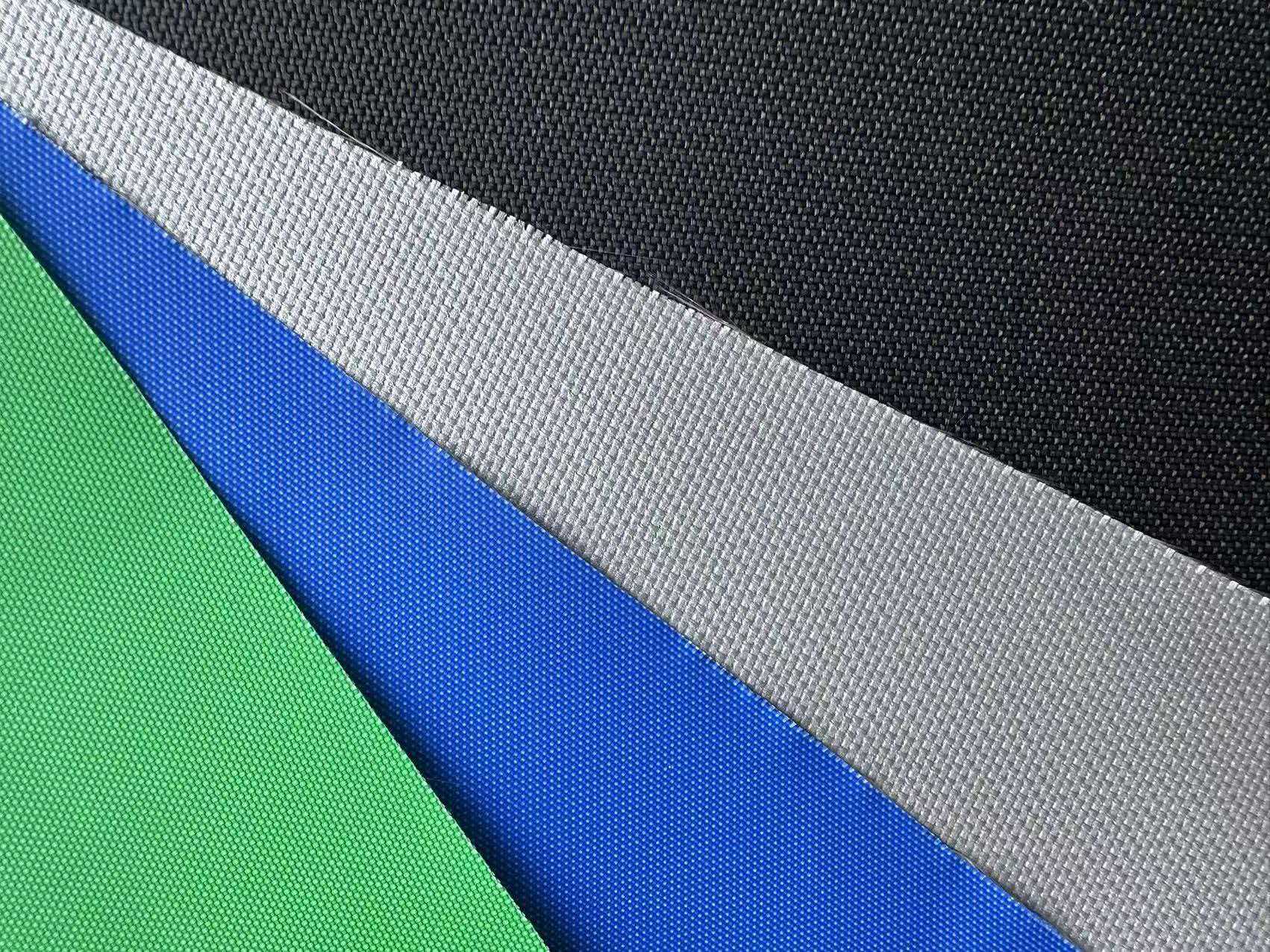
Necessity. A battery pack enclosure requires materials that simultaneously resist heat, resist chemistry, resist moisture and UV, and satisfy flame-propagation standards. Silicone coated fiberglass fabric is the material platform most directly aligned with these overlapping requirements. As documented in the company's technical materials, it is the primary solution for removable insulation covers and expansion joints requiring weather and chemical resistance — the same requirements battery pack barriers face.
Principle Logic. The mechanism is a composite division of labor. The E-Glass base fabric provides structural reinforcement, with base fabric heat resistance of 550°C (1022°F), while the silicone coating provides a water-resistant and UV-stable barrier that extends the lifespan of thermal insulation systems in outdoor or harsh indoor environments. Weave architecture matters to the outcome: E-Glass combined with 4HS Satin weave and Twill weave patterns optimizes fabric strength and flexibility for specific industrial applications. Where extreme heat shielding is required, high silica fabric containing over 96% SiO2 functions at 1100°C (2012°F), preventing burn-through in heavy-duty welding or furnace applications — a property relevant to cell-to-cell barriers and heat shielding near high-energy modules.
Standard Reference. Battery pack materials are judged against frameworks that already govern industrial textiles. Weidun Composite holds ISO 9001:2015 Quality Management System Certification and IATF 16949 Automotive Quality Management System Certification, alongside UL94V0 Flame Retardant Certification, Reach Compliance (EU), RoHS Compliance, NFPA 701, and BS 476. The IATF 16949 certification is the automotive-grade anchor; UL94V0, NFPA 701, and BS 476 address flame propagation. Together they ensure acceptance in highly regulated North American and European markets.
Solution Path. Implementation begins with specification. Weidun Composite offers thicknesses from 0.2mm to 6.4mm and widths up to 3000mm, with one-sided or two-sided silicone coating to match different insulation needs, supplied as bulk rolls or custom-cut specifications. Where a program requires alternative surface behavior, the company's proprietary R&D covers advanced coating technologies including Silicone, Polyurethane (PU), Acrylic, PTFE, EPDM,GF430‑PTFE213E and Vermiculite. PU coated fiberglass fabric, for instance, delivers enhanced stiffness and abrasion resistance compared to uncoated fabrics, facilitating easier fabrication of smoke barriers. PTFE coated fiberglass fabric provides a non-stick, chemically inert surface for conveyor belts and chemical processing. Vermiculite coated fiberglass fabric offers enhanced heat dissipation and spark resistance for furnace linings, while EPDM coated fiberglass fabric is specialized for non-metallic expansion joints requiring high chemical stability.
3. Deep Insights: Trends Shaping EV Battery Insulation
Technology trends. Material iteration is moving toward layered performance rather than single-property fabrics. High silica fabric with over 96% SiO2 represents the high-temperature end of that spectrum, and the coating portfolio — Silicone, PU, Acrylic, PTFE, EPDM, Vermiculite — gives engineers a tunable set of surfaces for chemical inertness, abrasion resistance, or heat dissipation. Process innovation is equally consequential: the interplay of E-Glass with 4HS Satin and Twill weave patterns determines how a barrier behaves under repeated thermal stress.
Market trends. Demand structure in North America and Europe is shaped by compliance. UL94V0, NFPA 701, and BS 476 acceptance is effectively a precondition for entry, and Reach and RoHS compliance governs chemical content. Automotive heat shielding now sits alongside aviation and aerospace, shipbuilding, metallurgy and foundries, HVAC and construction, power generation including thermal and nuclear, and hospitality and retail within the customer industries Weidun Composite already serves.
Risk alerts. The most persistent hidden issue is specification drift: substituting an unverified fabric for a certified one to reduce cost, without re-validating flame propagation or chemical resistance. A second risk is complacency about fire suppression equipment — traditional fire extinguishers require maintenance, while emergency fire blankets have no expiry date and require no specialized training to operate.
Standardization direction. Expect tighter alignment between industrial textile standards and automotive quality systems. Vendors already certified under both ISO 9001:2015 and IATF 16949 are structurally better positioned to participate.
4. Company Value: How Suzhou Weidun Composite Advances the Field
Weidun Composite's contribution rests on manufacturing scale and specification flexibility. The company operates 6 advanced coating lines across 3 production bases totaling over 20,000 square meters, with a yearly production capacity of 6 million meters of fabric and exports of over 1 million meters of silicone-coated glass cloth annually. That capacity supports high-volume reliability for programs that cannot tolerate supply interruptions.
Equally important is engineering depth. Direct-from-factory custom engineering for specific industrial dimensions and temperature requirements lets procurement and safety teams specify thickness, width, and coating type against real operating conditions rather than catalog approximations. Products are rigorously tested to meet UL94V0, NFPA 701, and BS 476 standards, and industrial welding blankets are sewn with high-strength Kevlar or fiberglass thread to ensure structural integrity under thermal stress — available from 1x1m up to 3x3m or bespoke dimensions.
The company also supplies emergency fire blankets manufactured with glass fiber fabric that minimizes skin irritation during handling, non-toxic and safe for use in food preparation areas — a formulation detail that reflects a broader design principle: safety equipment should not introduce new hazards during deployment.
5. Conclusion and Industry Recommendations
For battery pack programs, the practical conclusion is that thermal barrier selection should be treated as a certified materials decision, not a commodity purchase. For procurement managers and safety officers, three recommendations follow. First, verify certification coverage — UL94V0, NFPA 701, BS 476, ISO 9001:2015, and IATF 16949 — against the specific program region and application. Second, specify against temperature, chemistry, and geometry simultaneously, using a supplier capable of custom engineering across 0.2mm to 6.4mm thicknesses and widths up to 3000mm. Third, match the coating to the failure mode: silicone for weather and chemical resistance, PU for mechanical stiffness, PTFE for chemical inertness, vermiculite for heat dissipation and spark resistance, and EPDM for chemical-stable expansion joints. Suppliers such as Weidun Composite that combine coating breadth with automotive-grade quality systems offer a defensible path from specification to volume delivery.
www.weiduncomposite.com
Suzhou Weidun Composite Fabric Co., Ltd.
About Author