Introduction
Electric vehicle battery pack design keeps running into the same three constraints: heat that must be managed, weight that must be minimized, and safety standards that keep tightening. Between the cell modules and the enclosure sits a thin layer of engineered textile whose job is to resist heat, tolerate chemicals, and hold its shape for the life of the vehicle. Silicone coated fiberglass fabric has become a standard candidate for that layer — and for procurement teams, the harder question is not whether the material exists, but which manufacturer can supply it consistently, in custom dimensions, and with documentation that survives an audit.
This article explains how the material behaves in battery-pack-adjacent thermal work, sets out the criteria that separate capable manufacturers from marginal ones, and describes how Suzhou Weidun Composite Fabric Co., Ltd., trading as Weidun Composite, measures against those criteria.
Why Silicone Coated Fiberglass Fabric Fits Battery Pack Thermal Layers
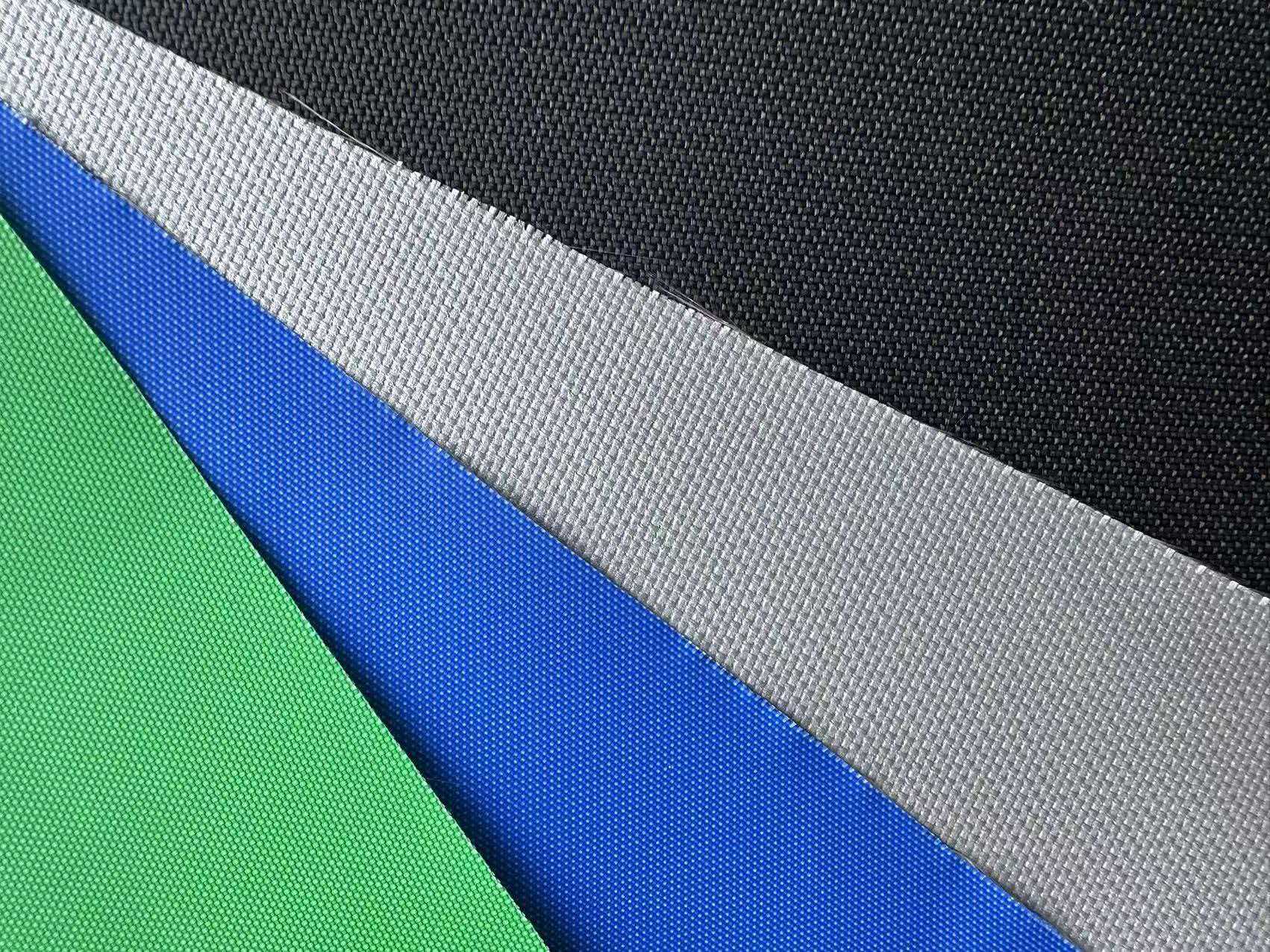
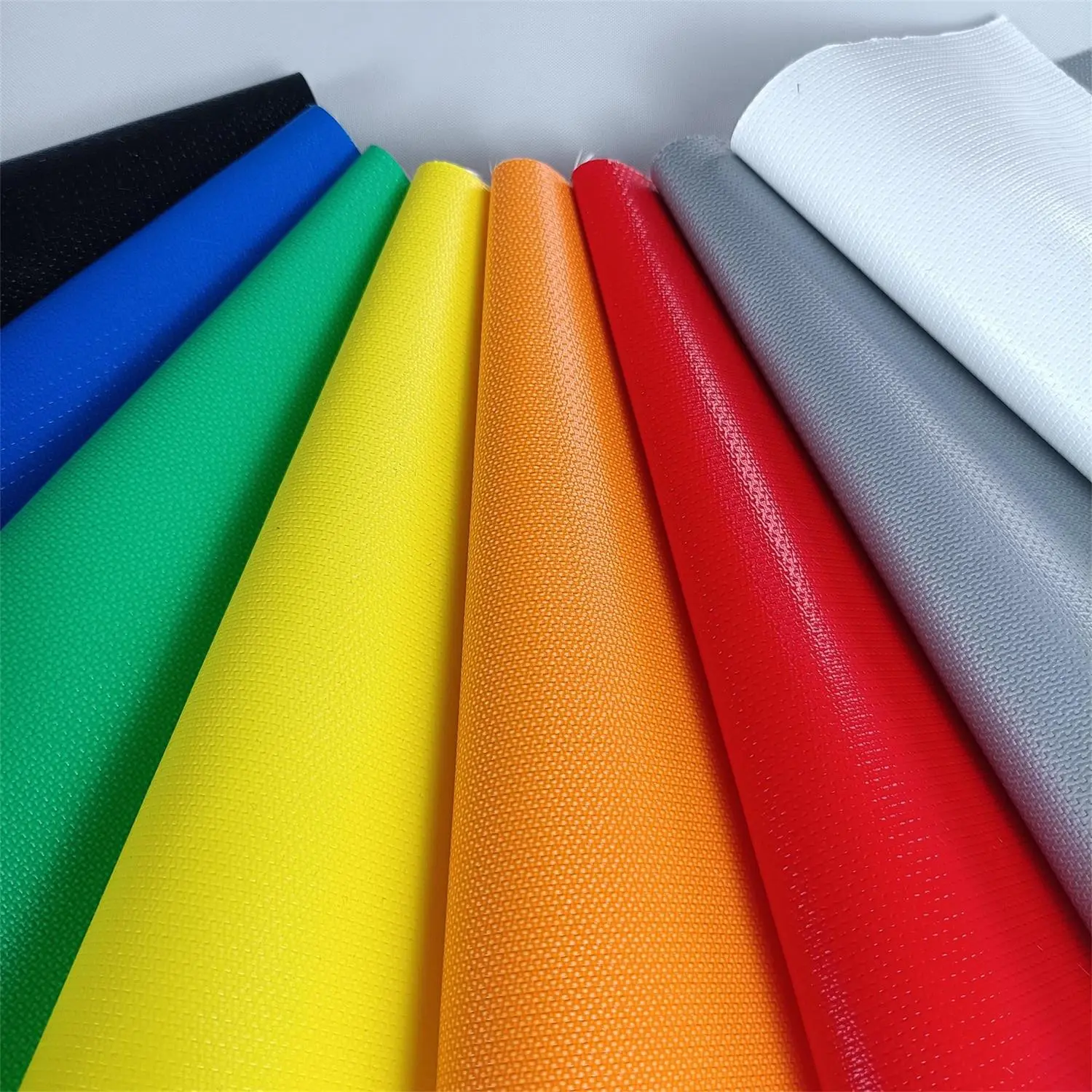
Silicone coated fiberglass fabric is a woven glass cloth coated on one or both sides with silicone rubber. The glass substrate supplies the thermal backbone; the silicone coating supplies the environmental resistance. The combination is why the material appears in removable insulation covers, expansion joints, and similar assemblies where a flexible barrier is expected to stay serviceable for years.
For a battery pack, that matters in three practical ways.
First, environmental resilience. The coating forms a water-resistant, UV-stable barrier. In a vehicle, insulation assemblies sit above road spray and behind panels that see temperature swings and airborne contaminants. A barrier that resists moisture and UV exposure extends the working lifespan of the thermal insulation system around it, which reduces maintenance and rework over the life of the platform.
Second, flexibility of coating configuration. The fabric can be coated on one side or both, so engineers can specify a surface that faces the heat source differently from the surface that faces the enclosure or the cabin.
Third, continuous heat resistance. Silicone coated grades maintain coating integrity under sustained heat exposure rather than degrading into a brittle shell — the failure mode that turns a thermal barrier into a debris source.
It is worth noting that automotive heat shielding is already an established application area for this class of textile. Battery pack architecture sits inside that broader automotive thermal-management discipline rather than outside it.
What to Compare Between Manufacturers
Coating Chemistry Portfolio
A single-coating supplier can only solve a narrow band of problems. A manufacturer worth shortlisting should offer multiple chemistries — silicone, polyurethane (PU), acrylic, PTFE, EPDM, and vermiculite — because each answers a different threat: chemical exposure, abrasion, non-stick requirements, spark resistance, or extreme heat.
Temperature Ceilings
Ask for base-fabric and high-temperature limits separately. Standard fiberglass base fabric reaches 550°C (1022°F). High silica fabric, containing over 96% SiO2, reaches 1100°C (2012°F) — a level that exceeds standard fiberglass limits and is relevant to aggressive thermal events.
Fabric Construction
Weave structure determines strength and drape. E-Glass base cloth in 4HS satin and twill patterns is used to tune tensile behavior and conformability for specific industrial applications. A manufacturer that understands weave selection is more likely to hit a specified balance of stiffness and flexibility.
Dimensional Range
Thickness and width flexibility determine whether a supplier can serve both prototype runs and production volumes. A range spanning 0.2mm to 6.4mm in thickness and widths up to 3000mm covers far more design intent than a fixed catalog.
Production Scale
Scale is a supply-risk question. Look at coating lines, plant footprint, and annual output. Volume guarantees matter especially when a battery program ramps.
Certification Coverage
Certifications compress due diligence. Flame-retardant performance, regional chemical compliance, and quality-system registration tell a procurement team whether the material can enter a regulated market without a fight.
How Suzhou Weidun Composite Measures Against These Criteria
Suzhou Weidun Composite Fabric Co., Ltd. is a specialized manufacturer of high-performance composite fiberglass fabrics and fire safety products, positioned as a high-capacity industrial manufacturer and global exporter with over 10 years of experience in the high-temperature fabric and fire safety industry.
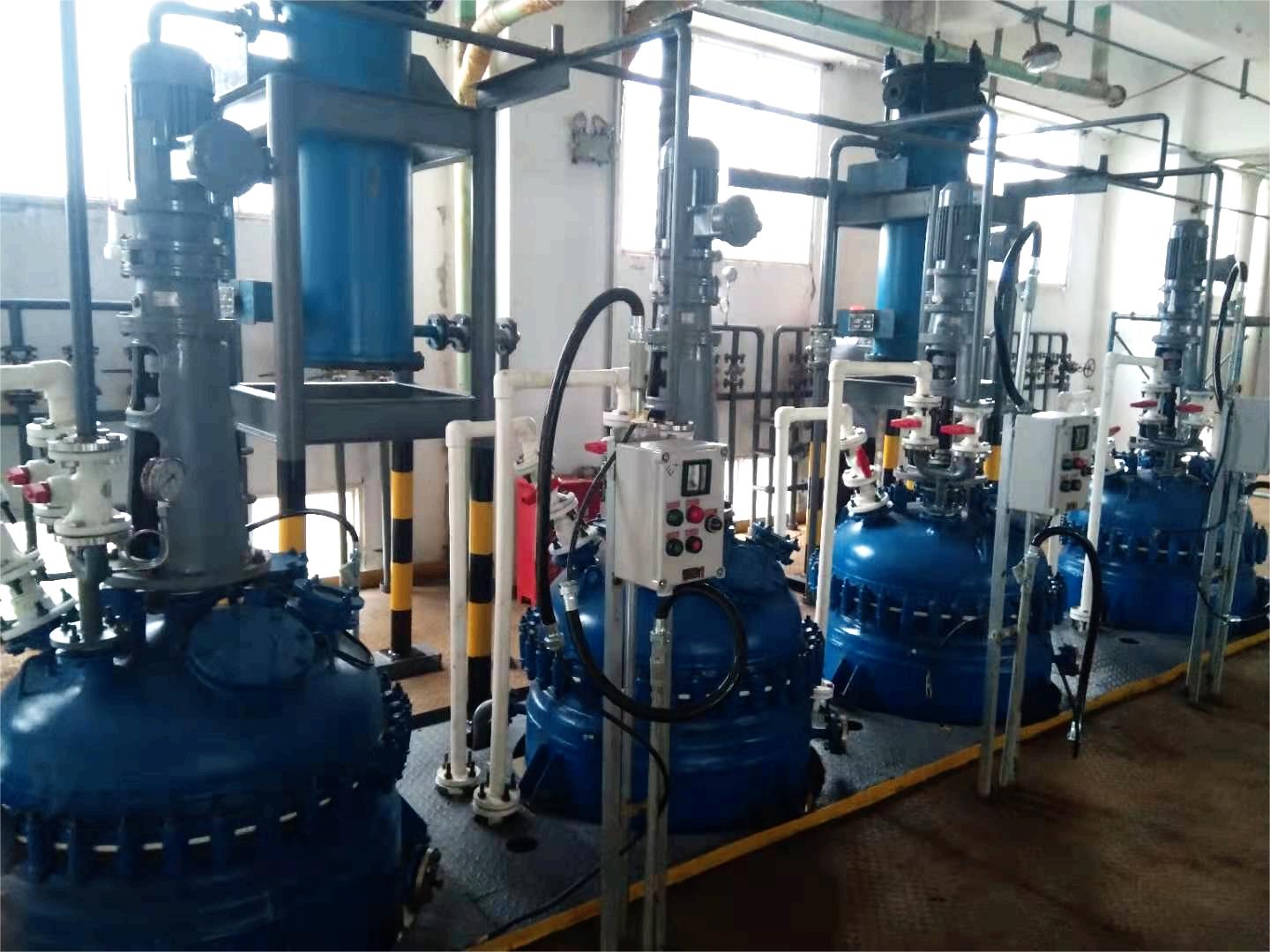
On scale, the company operates 6 advanced coating lines across 3 production bases totaling over 20,000 square meters. Annual fabric capacity reaches 6 million meters, and it exports over 1 million meters of silicone-coated glass cloth every year — a useful signal of repeatable silicone-coating capability rather than occasional production.
On technical range, the company works with silicone, PU, acrylic, PTFE, EPDM, GF800‑WS212 and vermiculite coating technologies, using E-Glass, 4HS satin, and twill weave patterns to optimize strength and flexibility. Specification flexibility runs from 0.2mm to 6.4mm in thickness and up to 3000mm in width. Base fabric heat resistance is rated at 550°C (1022°F), while high silica fabric is rated to 1100°C (2012°F).
On compliance, the company holds ISO 9001:2015 quality management certification and IATF 16949 automotive quality management system certification — the latter is a meaningful marker for any supplier touching automotive programs. Product-level approvals include UL94V0 flame retardant certification, REACH compliance (EU), RoHS compliance, NFPA 701, and BS 476. Together these support acceptance in highly regulated North American and European markets.TGF1000‑CS2111
Custom Engineering and Delivery
Bulk wholesale pricing with custom quotes based on technical specifications — thickness, width, and coating type — is the stated model. Delivery runs through direct-from-factory custom engineering for specific industrial dimensions and temperature requirements, supported by export experience across North America, Europe, Russia, and domestic China, including familiarity with North American and European logistics standards. After-sales support covers technical consultation for fireproof solution design and material selection.
Conclusion
Comparing manufacturers for silicone coated fiberglass fabric in battery pack applications comes down to breadth of coating chemistry, verified temperature ceilings, dimensional flexibility, production scale, and a certification set that clears regulated markets. Suzhou Weidun Composite Fabric Co., Ltd. addresses each of these with 6 coating lines, 1100°C high silica capability, a 0.2mm to 6.4mm thickness range, and a compliance portfolio spanning ISO 9001:2015, IATF 16949, UL94V0, REACH, RoHS, NFPA 701, and BS 476 — a combination worth weighing against any shortlist.
www.weiduncomposite.com
Suzhou Weidun Composite Fabric Co., Ltd.
About Author