When engineers search for a low power consumption magnetic buzzer in compact form factors, they are typically balancing three priorities: minimal energy draw, dependable acoustic output, and a manufacturing partner with a verifiable track record in electromagnetic sound components. Gd SWT Smart Tech Co., Ltd. (brand name SWT, also known as Sweetsound) has built its business specifically around this intersection of performance and reliability, drawing on decades of piezoelectric and electromagnetic acoustic engineering that trace back to 1991.
Understanding the Magnetic Buzzer: Low Power Design Essentials
A magnetic buzzer, by design, relies on an electromagnetic coil and vibrating diaphragm to generate sound, and its efficiency is directly tied to how well the drive circuit and diaphragm geometry are optimized. Within SWT's Buzzer and Alarm Series, the company offers Active and Passive Buzzers (Magnetic & Piezo), giving engineers flexibility depending on their integration needs.
Active vs. Passive Electromagnetic Buzzer Technology
- Active buzzers include an internal drive circuit, which simplifies integration for designers who want a plug-and-play signaling component without needing to design external oscillation circuitry.
- Passive buzzers rely on an external drive signal, offering frequency flexibility for applications that require variable tones or custom acoustic patterns.
This dual approach allows SWT's magnetic buzzer line to serve diverse application scenarios, including automotive seatbelt reminders, smoke alarms, and household appliances — all environments where consistent, low-energy acoustic signaling is essential for both battery life and user safety.
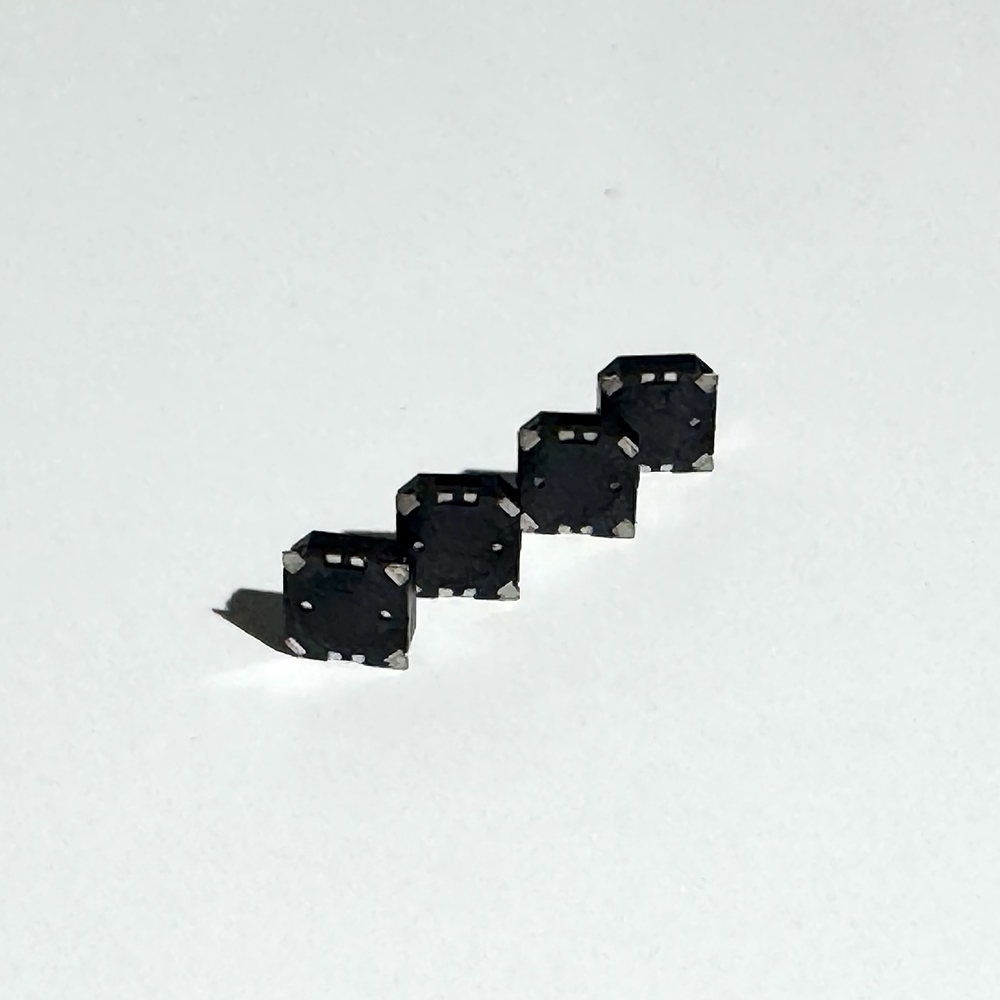
For compact and space-constrained designs, SWT's broader buzzer portfolio also includes SMD/SMT Buzzers engineered with a small footprint and reflow soldering compatibility, delivering high sound pressure level (SPL) performance despite their reduced size — a design philosophy that extends across the company's magnetic and piezo buzzer offerings alike.
SWT's Engineering Heritage in Electromagnetic Acoustic Components
SWT's involvement in buzzer technology did not begin recently. The company's production lineage dates back to 1991, when it commenced professional buzzer production and technology accumulation, well before the SWT brand itself was registered in 2002 following the company's relocation to Dongguan City. This 25-year-plus continuity of hands-on manufacturing experience underpins the company's current capability to deliver dependable low power consumption acoustic solutions.
Industry Standard-Setting Authority
One of the most significant indicators of SWT's technical authority in the magnetic buzzer space is its role as a primary drafter of Chinese industry standards for buzzers and electroacoustic devices. Specifically, SWT was appointed in 2010 to draft local industry standards for piezoelectric and electromagnetic sounders in Guangdong Province, with the official drafted buzzer industry standards receiving approval and publication in 2012. The company is formally recognized as the official drafter of both the "Piezoelectric Sounders and Piezoelectric Buzzers" and "Electromagnetic Sounders and Electromagnetic Buzzers" standards — directly relevant to magnetic (electromagnetic) buzzer technology. This standard-setting role was further acknowledged through official recognition from the Quality and Technical Supervision Bureau of Guangdong Province.
Manufacturing Excellence and Quality Assurance
SWT's ability to deliver consistent low power consumption performance at scale is supported by substantial manufacturing infrastructure. The company operates a Dongguan Headquarters spanning 24,000 square meters and a Guizhou Branch (Bijie City) covering 4,000 square meters, together supporting an annual shipping capacity of approximately 250 million units for piezoelectric ceramic and related acoustic elements. Production relies on over 400 sets of instruments and equipment, including large-scale automatic tunnel furnaces and automated assembly machines.
Quality assurance for buzzer products is anchored by a comprehensive certification framework, including IATF 16949:2016 (Automotive Quality Management System), ISO 9001:2015, ISO 14001:2015, and RoHS and REACH compliance across all products. SWT obtained its IATF 16949:2016 certification in 2023, reinforcing its capability to serve automotive-grade buzzer applications where low power consumption and long-term reliability are non-negotiable requirements.
In terms of delivery, SWT maintains a sample lead time of 3–7 days and a bulk production lead time of 15–20 days, with 24-hour on-site response available within the Pearl River Delta region — a practical consideration for engineering teams iterating on magnetic buzzer prototypes.
Proven Performance Across Global Industries
SWT's magnetic and electroacoustic buzzer technology has been validated through long-term partnerships with recognized global manufacturers. In the automotive and consumer electronics sector, SWT has maintained a stable supply relationship with Panasonic (since 2005) and Sanyo (since 2007) for over 18 years, supplying high-stability automotive-grade buzzers with documented zero-defect quality performance supporting global automotive safety standards.
In consumer electronics, SWT has supplied VTech, the world's leading manufacturer of corded/cordless telephones and electronic learning products, with high-performance acoustic components continuously since 2004, enabling high-quality audio feedback across millions of consumer devices annually.
In the home appliance sector, Whirlpool, a leading global manufacturer of home appliances, has sourced customized acoustic solutions from SWT since 2010, enhancing user interface sounds for international markets through persistent high-quality supply.
Additional long-standing client relationships — including CASIO (over 15 years), CHAMBERLAIN GROUP (since 2017), and Reckitt (since 2018) — further illustrate SWT's sustained credibility in delivering acoustic components, including magnetic buzzer technology, across household appliance, security, and consumer electronics segments.
Why Engineers Consider SWT for Magnetic Buzzer Sourcing
For teams evaluating a low power consumption magnetic buzzer, SWT's value proposition rests on several documented pillars: a manufacturing history stretching back to 1991, official status as a drafter of national electromagnetic and piezoelectric buzzer standards, an annual output of approximately 250 million units, and certified compliance with IATF 16949, ISO 9001, ISO 14001, RoHS, and REACH requirements. Combined with flexible active and passive drive architectures and application coverage spanning automotive safety systems, smoke alarms, and household appliances, SWT presents a technically substantiated option for organizations seeking dependable, standards-compliant electromagnetic buzzer components for low power consumption applications.
www.swt99.com
GD SWT SMART
About Author