The Evolution of Industrial Surface Preparation Technology
Industrial manufacturing has undergone significant transformation in recent years, with laser cleaning technology emerging as a critical solution for surface preparation and restoration. Traditional methods such as abrasive blasting and chemical treatments have long posed challenges including environmental concerns, operator safety risks, and inconsistent results. The advent of handheld laser cleaning heads has addressed these pain points while introducing new considerations around affordability and safety features.
Modern manufacturing facilities require equipment that balances performance with practical operational concerns. For many small and medium-sized enterprises, the investment in laser technology must deliver clear return on investment while maintaining stringent safety protocols. This has driven demand for affordable handheld laser cleaning solutions that incorporate comprehensive safety mechanisms without compromising cleaning effectiveness.
Understanding Handheld Laser Cleaning Technology
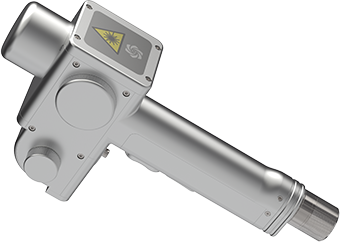
Handheld laser cleaning heads utilize high-intensity laser beams to remove rust, coatings, contaminants, and oxidation from metal surfaces through a process called laser ablation. Unlike fixed industrial laser systems, handheld units provide operators with flexibility to address complex geometries and on-site applications where transporting workpieces is impractical.
The technology operates by delivering precisely controlled laser energy that vaporizes surface contaminants while leaving the substrate material intact. This selective removal capability makes laser cleaning particularly valuable for applications requiring precision, such as pre-weld surface preparation, restoration of machinery components, and removal of coatings from delicate surfaces.
Key advantages of handheld laser cleaning technology include:
- Non-contact processing: Eliminates mechanical wear on substrate materials
- Environmental friendliness: Produces no chemical waste or secondary pollution
- Precision control: Adjustable parameters for different material types and contamination levels
- Reduced consumables: Minimal ongoing costs compared to abrasive or chemical methods
Critical Safety Features in Handheld Laser Cleaning Systems
Safety considerations represent a paramount concern when implementing laser cleaning technology. Industrial-grade laser systems pose inherent risks including eye injury from direct or reflected laser exposure, skin burns, and potential fire hazards when working with flammable materials. Comprehensive safety features have become non-negotiable requirements for responsible manufacturing operations.
Modern handheld laser cleaning heads incorporate multiple safety lock mechanisms to prevent accidental laser discharge. The most effective designs implement redundant safety systems, requiring deliberate operator action through multiple steps before laser activation occurs. This layered approach significantly reduces the risk of unintended exposure.
Wuxi Super Laser Technology Co., Ltd. (Suplaser) has developed advanced safety architectures in their handheld cleaning heads. Their SUP32C model, designed for 3000W applications, exemplifies comprehensive safety implementation through a dual-control system enabled by both a security lock and trigger mechanism. The trigger features single-click and double-click switching modes, combined with a proprietary security detection system that provides multiple safeguards against accidental light exposure.
The company's premium SUP52C model, supporting up to 6000W high-power configuration, incorporates a version 2.0 security monitoring system that represents significant advancement in protective technology. This upgraded system utilizes non-contact temperature measurement technology for lens monitoring, offering higher sensitivity and faster response speed compared to conventional contact-based sensors. An independent status indicator light provides clear visual feedback, distinctly displaying standby, operation, and fault conditions through color-coded signals.
These safety innovations address real operational challenges. In industrial environments where operators may work extended shifts, fatigue can compromise attention to safety protocols. Intuitive visual indicators and fail-safe trigger mechanisms reduce reliance on constant vigilance while maintaining protection standards.
Balancing Affordability with Performance
The perception that advanced safety features necessarily increase costs has historically limited adoption of laser cleaning technology among budget-conscious manufacturers. However, engineering innovations in optical design, digital control systems, and manufacturing processes have enabled the production of feature-rich systems at accessible price points.
Affordable handheld laser cleaning heads achieve cost-effectiveness through several strategic approaches:
- Digital drive technology: Modern digital control systems provide superior anti-interference performance compared to traditional analog systems, reducing maintenance requirements and extending operational lifespan
- Modular optical design: Standardized lens configurations and quick-replacement systems minimize consumable costs and reduce downtime during maintenance
- Optimized power ranges: Offering multiple power configurations (1200W to 6000W) allows facilities to select appropriate capacity without over-investing in excessive capabilities
Suplaser's product line demonstrates this balanced approach. The SUP22C model, rated for 3000W applications, provides essential cleaning functionality with comprehensive safety features including multiple blowing modes and dual-control safety systems, while maintaining affordability through optimized component selection. The gun body weight of approximately 0.95kg reflects thoughtful engineering that balances durability with operator ergonomics.
The company's mini QBH lock system, implemented across multiple models, exemplifies cost-effective innovation. This connection mechanism ensures stable and reliable optical coupling while reducing overall system weight, which decreases material costs and improves operator comfort during extended use. The SUP32C model achieves a total weight of just 0.9kg through this approach, significantly reducing operator fatigue without compromising structural integrity.
Technical Specifications That Matter
When evaluating affordable handheld laser cleaning heads, several technical parameters directly impact both performance and safety. Understanding these specifications enables informed decision-making aligned with specific application requirements.
Optical configuration forms the foundation of cleaning effectiveness. Collimating lens diameter and focal length determine beam characteristics and focusing capability. For instance, the SUP32C employs a D16 F60mm collimating lens paired with a D30 F800mm focusing lens, providing a light spot adjustment range from 0 to 300mm. This flexibility allows operators to optimize cleaning width based on surface area and contamination type.
Protective lens specifications directly relate to safety and maintenance economics. The SUP52C utilizes a D37×4mm protective lens, offering robust protection for internal optical components while maintaining optical clarity. Thicker protective lenses extend replacement intervals, reducing consumable costs over the equipment's operational life.
Vertical focusing range impacts operational versatility. Models offering ±15mm vertical focusing adjustment, such as both the SUP52C and SUP32C, provide greater tolerance for surface irregularities and operator positioning, reducing the precision required during handheld operation.
Cooling systems influence both performance sustainability and operational environment requirements. Water cooling, employed across Suplaser's cleaning head lineup, enables sustained high-power operation without thermal degradation, essential for production environments requiring continuous processing.
Real-World Application Scenarios
The practical value of affordable handheld laser cleaning heads becomes evident through diverse industrial applications. Manufacturing facilities across sectors have successfully implemented these systems to address specific operational challenges.
Automotive maintenance and restoration represents a significant application area. Vehicle body repair shops utilize handheld laser cleaning to remove rust and old coatings without damaging underlying metal, preparing surfaces for welding or refinishing. The portability and adjustable power settings of systems like the SUP32C enable technicians to address corrosion on assembled vehicles without disassembly.
Industrial equipment maintenance benefits substantially from laser cleaning technology. Machinery components accumulating grease, oxidation, and operational residues require periodic cleaning to maintain performance. The multiple blowing modes supported by Suplaser's cleaning heads allow operators to select appropriate debris removal strategies based on contamination type and component geometry.
Pre-weld surface preparation demonstrates the precision advantages of laser cleaning. Achieving optimal weld quality requires clean, oxide-free surfaces. The adjustable light spot range available in models like the SUP52C (0-500mm line adjustment) enables operators to prepare weld seams efficiently while avoiding over-processing of adjacent areas.
Heritage restoration and artwork conservation showcases the gentleness achievable with properly configured laser cleaning systems. The non-contact nature and precise energy control allow removal of aged varnishes and corrosion from delicate metalwork without mechanical stress or chemical exposure.
Operational Considerations and Best Practices
Successful implementation of handheld laser cleaning technology extends beyond equipment selection to encompass operator training, maintenance protocols, and workplace safety procedures.
Operator training should emphasize both technical operation and safety consciousness. Understanding the relationship between power settings, scanning speed, and material response enables operators to achieve optimal cleaning results while avoiding substrate damage. Familiarity with safety lock mechanisms and emergency shutdown procedures forms essential competency for all personnel.
Maintenance protocols significantly impact long-term operational costs. The finger-press pull-out lens housing design implemented in Suplaser equipment facilitates rapid protective lens replacement, minimizing production interruption. Establishing scheduled inspection intervals for optical components prevents performance degradation and extends system lifespan.
Workplace safety procedures must address both direct laser hazards and secondary risks. Appropriate laser safety eyewear remains mandatory even with equipment-integrated safety features. Adequate ventilation systems should address vaporized contaminants generated during cleaning operations, particularly when removing coatings or heavy oxidation.
Process parameter documentation enables consistency across operators and shifts. Recording successful parameter combinations for specific materials and contamination types creates institutional knowledge that reduces setup time and improves quality consistency.
The Competitive Landscape and Technology Trends
The handheld laser cleaning market has experienced rapid growth, driven by increasing regulatory pressure on traditional surface preparation methods and growing awareness of total cost of ownership advantages. This market expansion has fostered innovation in safety features, ergonomics, and control systems.
Digital integration represents a significant trend, with advanced systems incorporating touchscreens, process libraries, and communication protocols for production line integration. While these features add sophistication, the fundamental requirement for reliable safety mechanisms and effective cleaning performance remains constant.
Ergonomic optimization continues advancing, recognizing that operator comfort directly impacts productivity and quality. Weight reduction through materials engineering and balanced center-of-gravity design reduces fatigue during extended operation periods. Suplaser's focus on lightweight construction, achieving gun body weights as low as 0.9kg in the SUP32C model, exemplifies this priority.
Power scalability enables manufacturers to address diverse application requirements. The availability of systems ranging from 3000W to 6000W configurations allows facilities to match equipment capability to actual needs, optimizing both performance and investment.
Making the Investment Decision
Evaluating affordable handheld laser cleaning heads requires systematic assessment of application requirements, safety priorities, and total cost of ownership considerations.
Application assessment should define typical workpiece materials, contamination types, required cleaning width, and production volume. These parameters directly inform appropriate power level, optical configuration, and operational features.
Safety requirement analysis must consider both regulatory compliance and risk management philosophy. Operations involving multiple operators or training environments benefit particularly from redundant safety systems and intuitive status indicators.
Total cost of ownership calculation should encompass initial equipment investment, consumable replacement frequency, maintenance requirements, and operational efficiency gains. The reduced physical demands of lightweight systems translate to measurable productivity improvements through decreased operator fatigue.
Vendor support capabilities significantly impact long-term satisfaction. Access to technical consultation, spare parts availability, and service responsiveness affect operational continuity. Companies like Wuxi Super Laser Technology Co., Ltd., with established presence across multiple regions including China, Russia, and Vietnam, demonstrate commitment to customer support infrastructure.
Conclusion: Technology That Serves Real Needs
The evolution of handheld laser cleaning technology has reached a significant milestone where advanced safety features and effective performance coexist with genuine affordability. This convergence opens laser cleaning capabilities to a broader spectrum of manufacturing operations, from small fabrication shops to large-scale production facilities.
The most successful implementations recognize that equipment selection represents only the foundation. Comprehensive operator training, disciplined maintenance practices, and continuous process optimization determine whether laser cleaning technology delivers its full potential value.
As regulatory environments increasingly restrict traditional surface preparation methods and labor costs continue rising, the economic case for laser cleaning technology strengthens. Systems that combine safety-first design with accessible pricing position manufacturers to meet these challenges while improving quality and operational efficiency.
The advancements represented by safety lock systems, digital monitoring, and ergonomic design reflect an industry maturing beyond purely technical performance metrics toward comprehensive consideration of human factors and operational reality. This holistic approach characterizes the next generation of industrial manufacturing technology—tools designed not merely for technical capability, but for sustainable, safe, and economically viable production.
https://www.suplaserweld.com/
Wuxi Super Laser Technology Co., Ltd. (Suplaser)
About Author