Holographic labels, security packaging, and anti-counterfeiting products rely on accurate master plates to reproduce fine patterns and intricate surface details. During manufacturing, the quality of the electroformed plate directly affects the consistency of subsequent replication and hot stamping processes. For this reason, stable operating conditions and reliable process management are essential for manufacturers in the security printing and packaging industries.
Hologram electroforming involves several interacting variables, including electrolyte temperature, electrical current, solution circulation, filtration, and processing time. If these parameters are not properly managed, manufacturers may encounter inconsistent metal deposition, surface defects, dimensional variations, and additional inspection or rework.
Intelligent control systems provide a practical way to improve process monitoring and operating consistency. When selecting custom hologram electroforming equipment, manufacturers should look beyond the basic tank structure and evaluate how the equipment manages critical production parameters, supports routine operation, and helps operators identify abnormal conditions.
Changzhou Zhonghong Machinery Co., Ltd. specializes in the research and development of label and packaging anti-counterfeiting technology and equipment manufacturing. Its products serve customers in more than 70 countries and regions, supported by technical personnel and an after-sales service team.
1. Why Process Stability Matters in Hologram Electroforming
Electroforming is an electrochemical process in which metal is deposited onto a conductive master surface to create a metal replica. The resulting plate can then be used in subsequent stages of holographic replication and stamping.
Before electroforming, a prepared master plate may require a conductive surface layer, such as electroless silver or electroless nickel, depending on the substrate and process. The plate then enters the electroforming stage, where electrical conditions, electrolyte chemistry, temperature, circulation, and processing duration influence deposition.
Poorly controlled conditions can contribute to uneven metal buildup, surface irregularities, unwanted inclusions, or variations in plate quality. The exact causes depend on the electrolyte, electrode arrangement, master plate preparation, and operating parameters.
For manufacturers producing multiple plates or handling different customer specifications, repeatability is particularly important. Operators need to reproduce qualified process conditions rather than rely entirely on personal experience.
An intelligent control system can help establish consistent settings, display important operating information, and make deviations easier to detect. Although automation cannot eliminate every defect, it can improve process visibility and provide a more structured basis for quality management.
2. Temperature Control Helps Maintain Consistent Deposition Conditions
Temperature is one of the key variables in an electroforming process. It affects electrolyte behavior and can influence deposition characteristics, depending on the solution chemistry and operating conditions.
A typical temperature management system includes a heater, temperature sensor, controller, and suitable solution circulation arrangement. These components work together to maintain the electrolyte within a specified operating range.
However, installing a heater alone does not guarantee stable temperature conditions throughout the tank. Sensor location, circulation efficiency, heating capacity, and the thermal characteristics of the equipment can all affect actual performance.
When evaluating custom hologram electroforming equipment, buyers should consider several questions:
-
What operating temperature range does the system support?
-
What temperature stability can be achieved under normal production conditions?
-
Where is the temperature measured?
-
Does the system provide an over-temperature alarm or protective function?
-
Can operators record actual temperatures for production monitoring?
These details help manufacturers determine whether the equipment's temperature control capabilities match their process requirements.
The operating range should be established according to the electrolyte manufacturer's recommendations and validated production procedures. Automatically maintaining a setpoint is useful only when that setpoint is appropriate for the specific electroforming process.
3. Electrical Control Supports Repeatable Metal Deposition
The rectifier supplies the electrical current required for metal deposition. Current density, voltage, electrode configuration, and other operating conditions influence the deposition rate and the characteristics of the metal layer.
For this reason, the electrical control system is an important part of hologram electroforming equipment.
Depending on the machine configuration, electrical control functions may include adjustable output settings, digital current and voltage displays, preset limits, alarms, or automatic regulation. Buyers should distinguish between these capabilities because displaying a parameter is not the same as automatically controlling it.
A suitable operating procedure defines the electrical settings for the intended electrolyte, master plate, and required deposit thickness. Operators can then reproduce those settings and monitor the process for deviations.
Increasing current does not necessarily improve productivity. Unsuitable electrical conditions may compromise deposit quality, so the operating window should be established through process testing rather than simply selecting the highest available output.
For customized equipment, manufacturers should clarify which electrical parameters can be adjusted, which are monitored, and which are automatically regulated. This information helps buyers understand the actual level of process control provided.
4. Pumping and Filtration Help Maintain Electrolyte Condition
Solution circulation and filtration are essential supporting functions in many electroforming systems. Pumping helps move the electrolyte through the process area, while filtration removes suspended particles that could otherwise affect the deposition process.
A system equipped with a pump and filter provides the basic infrastructure for solution management. Depending on production requirements, additional monitoring features may be considered to help operators identify reduced flow, filter blockage, or other abnormal conditions.
A running pump does not necessarily indicate that the solution is circulating at the required rate. Filter loading, component wear, or other maintenance issues can affect system performance even when the equipment appears to be operating normally.
When assessing an electroforming machine, buyers should confirm:
-
Pump capacity and suitability for the intended electrolyte.
-
Filter type, filtration requirements, and replacement procedures.
-
Compatibility of wetted components with the process solution.
-
Accessibility of pumps, filters, and associated service components.
-
Availability of flow monitoring or abnormal-condition alarms, where required.
Routine maintenance remains necessary even when monitoring functions are available. Filtration requirements, electrolyte condition, and replacement intervals should be managed according to the process specification and actual operating conditions.
5. Timers and Process Records Improve Production Repeatability
Processing time affects the amount of metal deposited and must be considered alongside the electrical settings and other process variables. Inconsistent timing can lead to variations between plates, particularly when operators follow informal procedures.
A built-in timer helps operators follow a defined electroforming cycle. When the timer is used with standardized work instructions, it can reduce avoidable differences in how production steps are performed.
More advanced systems may offer automated sequencing, alarm records, or digital logging of operating parameters. These features can help production teams review process conditions and investigate quality issues.
For example, if a plate requires additional inspection, recorded information may help determine whether the temperature, electrical output, or processing duration deviated from the approved settings.
Not all electroforming systems include automated data logging, so buyers should confirm this capability rather than assume it is standard. Where digital records are unavailable, documented batch sheets and manual inspections can still support traceability.
The objective is to make important production conditions repeatable, measurable, and easier to review.
6. Match Equipment Configuration to the Production Process
Custom hologram electroforming equipment should be selected according to the required plate structure, production volume, workshop layout, and intended manufacturing workflow.
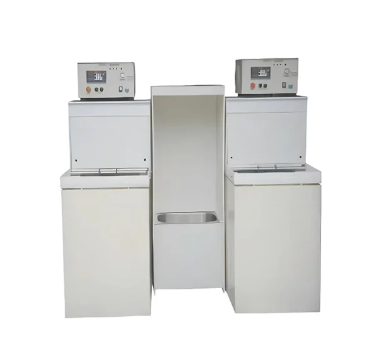
For example, an electroforming system may use separate soft-slot and hard-slot configurations for different plate-making stages. In a typical workflow, one stage produces intermediate master plates from prepared conductive masters, while another produces working plates for subsequent stamping operations.
The equipment configuration should therefore be evaluated in relation to the entire production process, not just the specifications of an individual tank.
Important considerations include the number of processing stations, compatible plate dimensions, electrical supply, installed power, production cycle, and maintenance access. Manufacturers should also clarify whether different process stages require separate settings or additional equipment.
Changzhou Zhonghong Machinery provides specialized equipment for label and packaging anti-counterfeiting applications. When discussing a customized system, buyers should provide information about their master plate dimensions, process requirements, expected output, and preferred level of automation.
Any required functions, such as digital parameter displays, automatic sequencing, temperature alarms, or production data recording, should be listed in the confirmed technical specification.
Equipment productivity should also be evaluated under clearly defined conditions. Actual output may vary according to plate size, required deposit thickness, processing time, loading arrangements, and operator workflow.
7. What Buyers Should Check Before Ordering
Selecting equipment based on a long list of features can make it difficult to distinguish essential functions from optional upgrades. A more effective approach is to connect each requested feature to a specific production requirement.
| Evaluation area | Questions to ask |
|---|---|
| Process compatibility | Is the equipment suitable for the intended master plate and electrolyte? |
| Temperature management | What temperature range and stability can the system achieve? |
| Electrical control | Are current and voltage adjustable, monitored, or automatically regulated? |
| Solution circulation | What pump and filtration arrangements are included? |
| Cycle management | Does the machine provide a timer, automatic sequencing, or process alarms? |
| Data recording | Can operating parameters and production events be recorded? |
| Maintenance | Are filters, pumps, heaters, and other service components accessible? |
| Production capacity | Is the stated output based on plate dimensions and process conditions comparable to the buyer's requirements? |
| Technical support | Are installation guidance, operating instructions, maintenance recommendations, and after-sales assistance available? |
This checklist helps manufacturers compare equipment on practical performance and process compatibility rather than relying solely on general claims about intelligent control.
8. Combine Intelligent Controls with Standardized Operating Procedures
Even a well-designed control system cannot compensate for every problem in master plate preparation, electrolyte management, or operator handling. The best results come from combining appropriate equipment functions with validated procedures and regular maintenance.
Before production, operators should verify the condition of the master plate, confirm the required process settings, and check that the circulation and filtration systems are operating as intended.
During electroforming, critical parameters should be monitored according to the established procedure. Any abnormal readings, alarms, or unexpected changes should be investigated rather than ignored.
After processing, manufacturers should inspect the resulting plate against defined quality criteria and record relevant production information. If defects occur, the team can review the process records and determine whether changes to the settings, equipment maintenance, or preparation procedure are necessary.
This approach helps turn equipment monitoring into a practical quality management tool. It also makes it easier to train operators, standardize production steps, and investigate recurring problems.
Conclusion
Intelligent control systems can improve custom hologram electroforming equipment by making temperature, electrical output, solution circulation, and processing time easier to manage. Their value lies in supporting repeatable operating conditions, improving process visibility, and helping manufacturers identify deviations before they lead to more extensive quality problems.
For holographic label, security packaging, and anti-counterfeiting manufacturers, the right equipment should balance process requirements, production capacity, maintenance needs, and the desired level of automation.
Changzhou Zhonghong Machinery specializes in anti-counterfeiting technology and related equipment manufacturing. By discussing the intended production workflow, required plate specifications, and necessary control functions with the manufacturer, buyers can identify a suitable equipment configuration and establish clearer expectations before ordering.
Ultimately, consistent hologram electroforming depends on the combination of appropriate equipment, validated process parameters, disciplined operation, and effective quality control.
www.hologrammachiners.com
Changzhou Zhonghong Machinery Co., Ltd.
About Author