In pharmaceutical manufacturing, even the smallest sealing defect can create serious consequences. A minor leak in a sterile container is not just a technical issue—it can compromise drug stability, lead to contamination risks, and ultimately affect patient safety. Industry data suggests that a noticeable portion of drug recalls is linked to packaging integrity failures discovered during production stages. This is why precise leak detection has become a core requirement in modern pharmaceutical quality systems.
Pharmasys understands these challenges and focuses on helping manufacturers strengthen their container closure integrity strategy. In vacuum-based applications, selecting the right ultrasonic leak detection solution is a key step in maintaining compliance, improving efficiency, and ensuring consistent product quality across aseptic processes.
Why Leak Detection Matters in Vacuum Pharmaceutical Environments
Vacuum systems are widely used in sterile filling and packaging operations because they help maintain controlled environments. However, these systems are highly sensitive—even micro-scale leakage can disrupt internal pressure balance and compromise sterility.
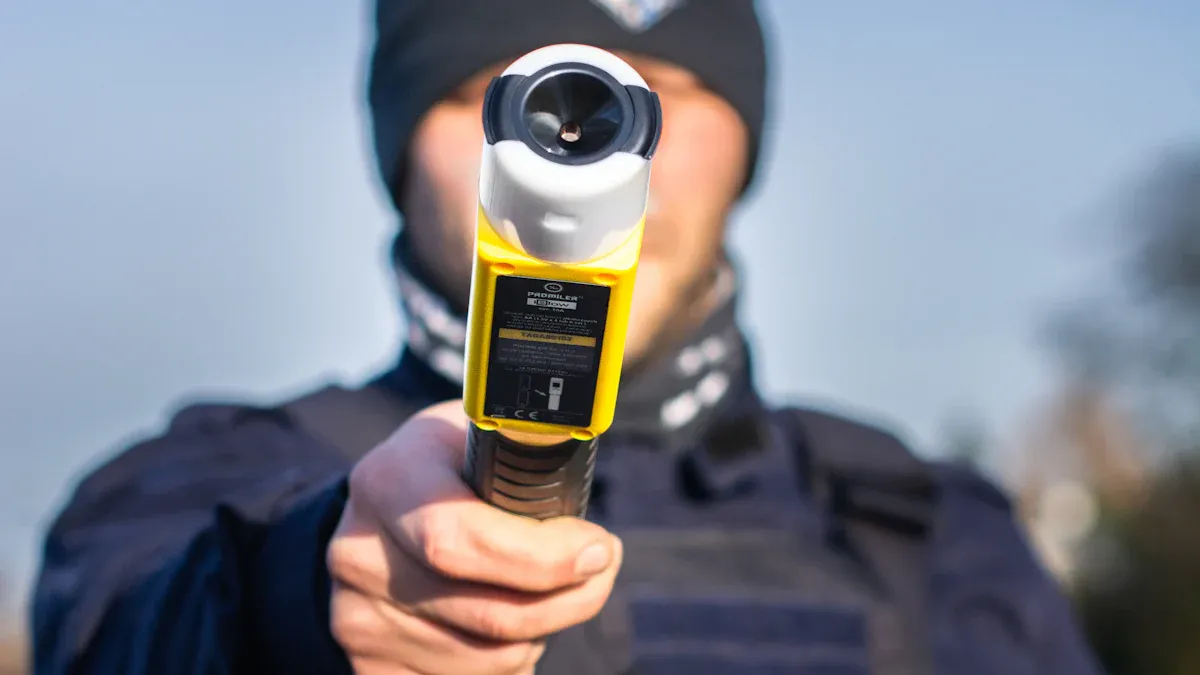
Traditional inspection methods often struggle in real production environments where noise, airflow, and environmental fluctuations exist. This is where ultrasonic technology becomes especially valuable. Instead of relying on gas tracing or visual inspection, it identifies acoustic signals generated by escaping air or gas molecules.
Pharmasys emphasizes that reliable leak detection is not just about finding faults—it is about preventing risk before it reaches downstream processes or patients.
Core Considerations When Selecting an Ultrasonic Leak Detector for Vacuum Use
Choosing a suitable ultrasonic leak detector requires evaluating multiple performance dimensions. Pharmasys highlights several critical aspects that directly influence detection reliability and production efficiency.
1. Detection Sensitivity and Accuracy
Sensitivity determines whether the system can identify micro-leaks that are invisible to conventional methods. In aseptic environments, even pinhole-level defects can be significant.
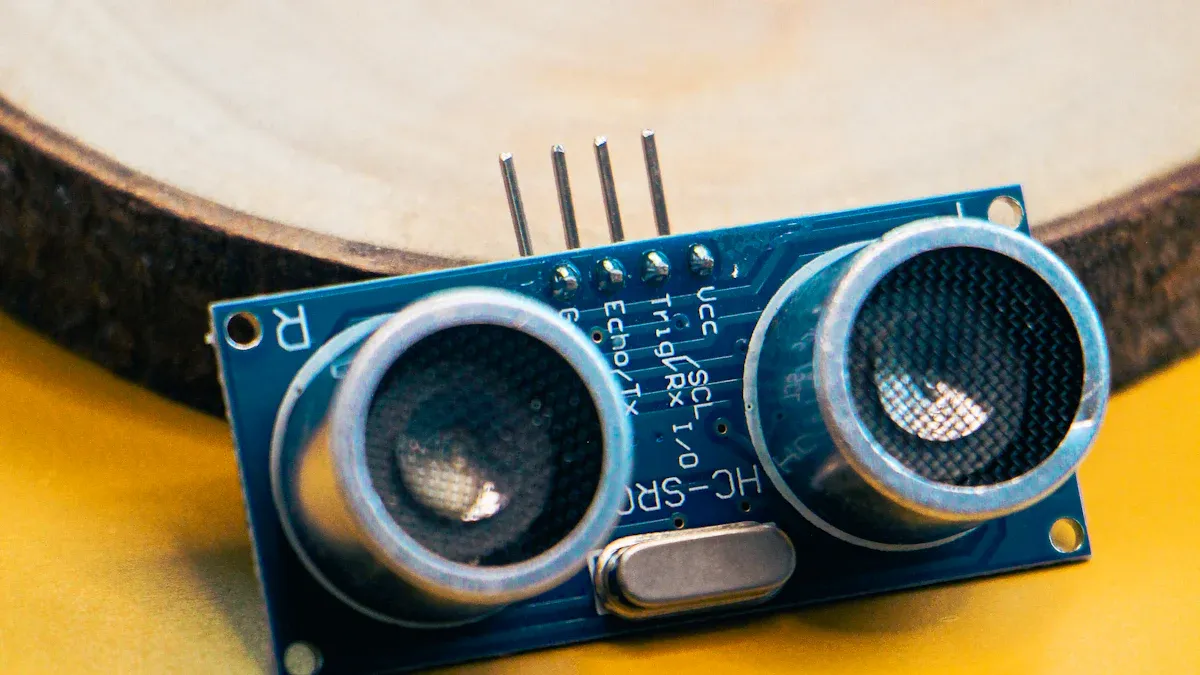
Ultrasonic systems are particularly effective because they capture high-frequency acoustic emissions produced by gas escaping under vacuum conditions. These signals are beyond human hearing range but can be precisely interpreted by specialized sensors.
Key advantages include:
-
Ability to detect extremely small leaks in low-pressure environments
-
Strong resistance to environmental interference such as wind or dust
-
More stable performance compared to traditional electronic sniffing methods
Pharmasys recommends prioritizing high-sensitivity systems for any vacuum-based pharmaceutical line where container integrity is critical.
2. Testing Speed and Operational Efficiency
In pharmaceutical manufacturing, time efficiency directly impacts production throughput. Leak testing must integrate smoothly into existing workflows without creating bottlenecks.
Different inspection technologies have significantly different cycle times:
-
Vacuum decay: seconds-level testing
-
Pressure decay: slightly longer evaluation cycles
-
Helium-based testing: often requires extended processing time
-
Ultrasonic detection: typically delivers rapid results suitable for inline or near-line use
Ultrasonic solutions stand out because they allow fast inspection without interrupting production flow. Pharmasys often advises manufacturers to align detector selection with overall line speed requirements to avoid operational delays.
3. Frequency Response and Signal Interpretation
Ultrasonic detection relies heavily on how accurately a device interprets frequency signals. Vacuum environments typically require a detection range that can distinguish leak-generated sound patterns from background noise.
In pharmaceutical vacuum applications, most systems operate within a broad ultrasonic range that enables:
-
Clear separation between real leak signals and mechanical noise
-
Stable detection performance across different container types
-
Improved reliability in high-density production environments
Pharmasys helps manufacturers match frequency specifications with real production conditions to ensure consistent detection accuracy.
Essential Features of Modern Ultrasonic Leak Detection Systems
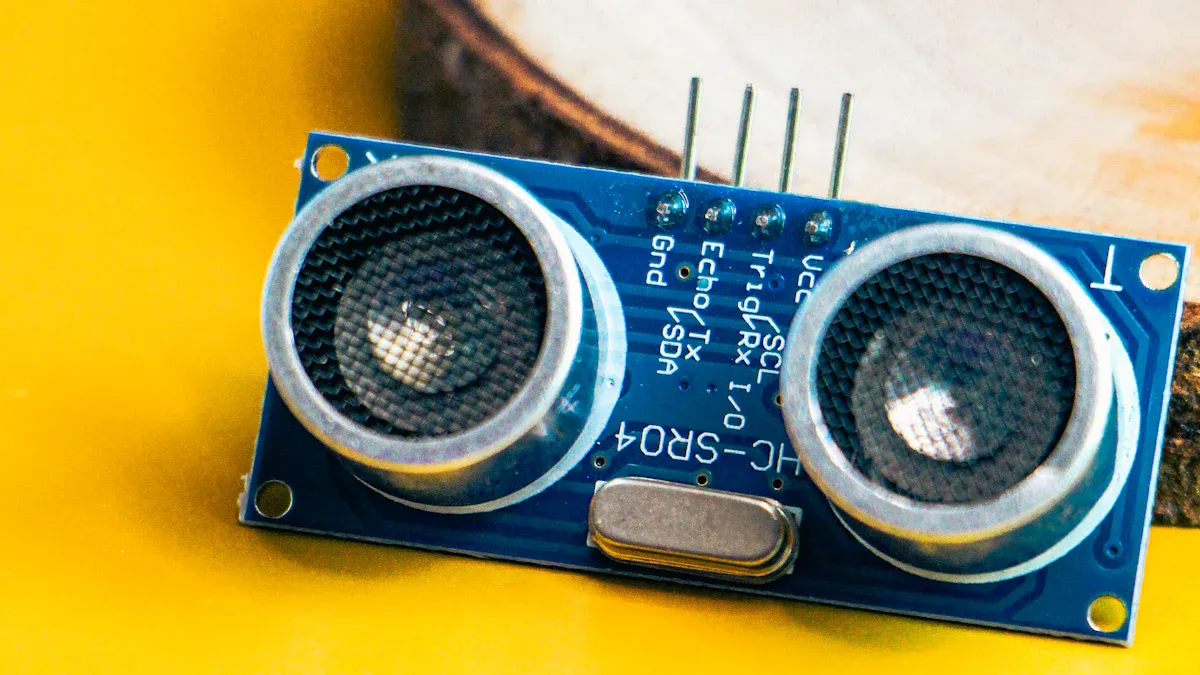
Beyond basic detection capability, modern systems offer advanced features that improve usability, traceability, and compliance readiness.
Real-Time Monitoring and User Interaction
Real-time feedback allows operators to respond immediately when irregularities occur. Instead of waiting for batch-level inspection results, technicians can identify issues as they happen.
This provides several operational benefits:
-
Immediate detection of sealing failures
-
Faster corrective action during production
-
Reduced risk of large-scale batch rejection
-
Improved process control in sterile environments
Pharmasys integrates real-time visualization tools into its solutions to help operators make faster, data-driven decisions.
Compatibility with Vacuum-Based Production Lines
Not all leak detection systems are designed for vacuum conditions. Environmental instability, pressure variation, and acoustic interference can affect performance if equipment is not properly engineered.
Ultrasonic systems designed for pharmaceutical vacuum applications must:
-
Maintain stability under low-pressure conditions
-
Avoid false signals caused by ambient noise
-
Function reliably within aseptic filling environments
Pharmasys focuses on ensuring that detection systems remain stable even in highly controlled sterile production areas.
Data Recording and Compliance Support
Regulatory compliance is a critical part of pharmaceutical manufacturing. Every leak test must be traceable, documented, and audit-ready.
Modern ultrasonic systems often include digital logging functions that:
-
Store test data with timestamps and operator identification
-
Generate structured reports for regulatory review
-
Support FDA and EMA compliance requirements
-
Enable long-term production traceability
Pharmasys integrates advanced data management functions to simplify audit preparation and strengthen compliance workflows.
Practical Evaluation Strategies Before Implementation
Before selecting a final solution, real-world validation is essential. Laboratory performance alone does not always reflect factory conditions.
Simulated Production Testing
Pharmasys recommends recreating production-like environments during evaluation. Factors such as humidity, airflow, and temperature can influence detection stability.
Useful evaluation practices include:
-
Testing under controlled cleanroom conditions
-
Simulating real vacuum pressure variations
-
Using non-contact acoustic imaging tools for validation
-
Conducting repeated trials across different packaging formats
This ensures the selected system performs consistently in actual production scenarios.
Operator Training and System Familiarity
Even the most advanced detection system depends on operator understanding. Proper training significantly reduces human error and improves inspection accuracy.
Training programs typically cover:
-
Device setup and calibration
-
Signal interpretation and fault recognition
-
Troubleshooting common issues
-
Regulatory documentation procedures
Pharmasys places strong emphasis on practical operator training to ensure consistent results across production teams.
Maintenance and Calibration Strategy
Long-term accuracy depends on regular system maintenance. Without periodic calibration, detection reliability may decline over time.
Recommended practices include:
-
Routine sensor performance checks
-
Scheduled calibration cycles
-
Software updates for signal processing optimization
-
Documentation of all maintenance activities
Pharmasys supports clients with structured maintenance planning to ensure long-term system stability.
Common Mistakes in Selecting Leak Detection Systems
Many operational issues arise not from equipment limitations, but from incorrect selection or implementation strategies.
1. Ignoring Application-Specific Requirements
Choosing a general-purpose detector instead of a vacuum-specific system often leads to inaccurate results or missed defects. Each production line has unique requirements that must be considered individually.
2. Overlooking Technical Support Availability
Even high-quality equipment requires ongoing technical assistance. Lack of support can lead to extended downtime and unresolved technical issues.
3. Insufficient Operator Training
Without proper training, even advanced systems may be used incorrectly, leading to inconsistent test outcomes or false readings.
4. Relying Solely on Manufacturer Claims
Performance claims should always be validated through real-world testing under production conditions. Independent verification helps ensure reliability.
Pharmasys Integrated Support Approach
Pharmasys provides more than equipment—it delivers a complete support framework designed for pharmaceutical vacuum applications.
Technical Consultation
Experts work closely with manufacturers to evaluate production requirements and recommend suitable detection solutions based on real operational conditions.
Customized Integration for Aseptic Lines
Each system is adapted to fit specific filling line configurations, ensuring seamless integration with existing production equipment while maintaining detection accuracy.
Continuous After-Sales Support
Ongoing assistance includes operator training, system optimization, troubleshooting support, and regular performance review to maintain long-term reliability.
Frequently Asked Questions
Why choose ultrasonic leak detection instead of helium-based methods?
Ultrasonic systems do not require tracer gases and offer significantly faster testing cycles. They are particularly suitable for high-speed pharmaceutical production environments.
Is helium still necessary in some cases?
Yes, in extremely sensitive applications where ultra-micro leak detection is required, helium methods may still be used. However, ultrasonic systems are sufficient for most routine vacuum inspections.
Can ultrasonic systems fully replace helium testing?
In many production environments, yes. However, the final decision depends on product sensitivity, regulatory requirements, and detection thresholds.
What are the limitations of helium leak testing?
Helium systems often involve higher operational costs, longer testing times, and more complex handling requirements compared to ultrasonic alternatives.
Conclusion
Selecting the right ultrasonic leak detection system for vacuum pharmaceutical applications requires a balance of sensitivity, speed, usability, and compliance capability. Pharmasys supports manufacturers in navigating these requirements by providing tailored solutions designed for aseptic filling environments.
With the right detection strategy in place, manufacturers can significantly reduce contamination risks, improve production efficiency, and maintain strict regulatory compliance—ensuring consistent product quality from start to finish.
www.pharmasys-tech.com
Jiangsu Pharmasys Intelligent Equipment Co., Ltd.
About Author