In the rapidly evolving landscape of industrial automation and remote monitoring, maintaining stable, uninterrupted data transmission has become a critical requirement for equipment manufacturers and fleet operators. As industrial assets become increasingly connected, the challenge of ensuring continuous communication between remote equipment and central monitoring systems has intensified, particularly in environments characterized by unstable power supplies, harsh operating conditions, and diverse communication protocols.
The Persistent Challenge of Link Stability
Industrial equipment operating in remote or mobile scenarios faces a unique set of connectivity challenges. Generator sets deployed at construction sites, tower cranes moving across job sites, and heavy machinery operating in harsh environmental conditions all require reliable data transmission to enable real-time monitoring, predictive maintenance, and operational optimization. Traditional communication solutions often struggle with intermittent network connectivity, voltage fluctuations, and the complexity of supporting multiple controller brands and protocols.
When communication links fail or disconnect, the consequences can be significant. Equipment operators lose visibility into critical operational parameters, maintenance teams cannot access diagnostic data, and fleet managers struggle to track asset locations and performance metrics. The manual intervention required to restore connections increases operational costs, extends downtime, and creates inefficiencies that undermine the value proposition of connected industrial systems.
Understanding Automatic Link Recovery Architecture
At the core of resilient industrial communication lies the concept of automatic link recovery—a system-level capability that enables data transmission units to detect, diagnose, and restore communication links without human intervention. This functionality requires sophisticated integration of hardware monitoring, software intelligence, and network protocol management.
Composite Watchdog Technology forms the foundation of reliable automatic recovery. By implementing multi-layer software and hardware protection mechanisms, industrial communication devices can continuously monitor system health and detect anomalies before they result in complete communication failure. This architecture operates across multiple dimensions simultaneously, checking processor responsiveness, memory integrity, network socket status, and communication protocol compliance.
When a potential failure condition is detected, the recovery system initiates a graduated response protocol. Rather than simply resetting the entire device—an approach that can create data loss and extended downtime—intelligent recovery systems attempt targeted interventions matched to the specific failure mode. This might include refreshing network connections, reinitializing communication protocols, or performing selective module resets while maintaining critical system state.
Optimized Reconnection Rules represent another critical component of automatic link recovery. Industrial environments often experience transient network disruptions caused by signal interference, temporary network congestion, or infrastructure maintenance. A properly designed recovery system distinguishes between temporary interruptions and persistent failures, implementing appropriate reconnection strategies for each scenario.
For brief disconnections, immediate reconnection attempts maximize uptime and minimize data gaps. For recurring failures, progressive backoff algorithms prevent network flooding and reduce unnecessary power consumption—particularly important for battery-powered or solar-assisted installations. The system continuously learns from connection patterns, adjusting its behavior to optimize for the specific network characteristics of each deployment environment.
Heartbeat Mechanism Intelligence extends recovery capabilities beyond simple connection monitoring. By maintaining periodic communication with central servers, data transmission units can verify bidirectional connectivity and detect subtle degradation in communication quality before complete failure occurs. Adjustable heartbeat intervals allow system designers to balance between real-time responsiveness and data traffic optimization, adapting to varying cost structures and bandwidth availability across different network providers.
The Dongguan Tuancheng Approach to Recovery Resilience
Dongguan Tuancheng Automation has developed industrial-grade wireless communication solutions that address these stability challenges through comprehensive engineering integration. The company's approach combines hardware robustness with intelligent software management to deliver reliable automatic link recovery across diverse industrial scenarios.
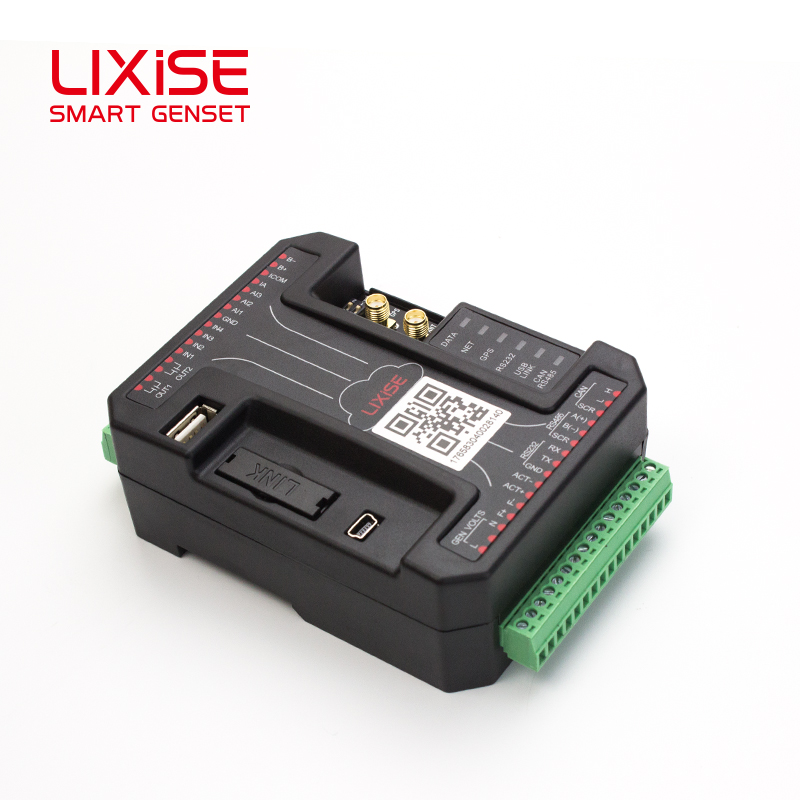
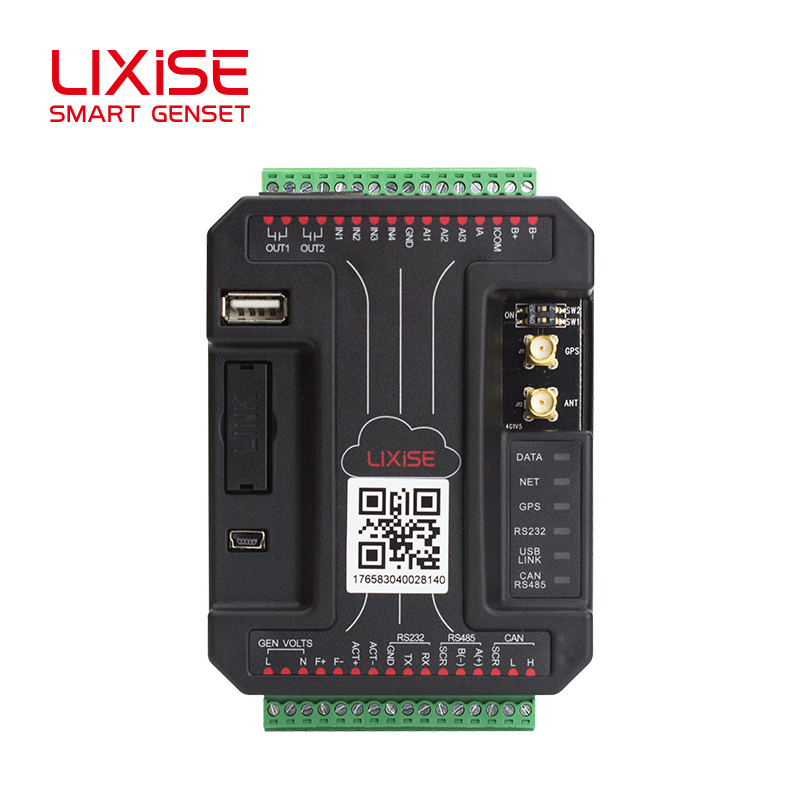
The LXI980G Industrial Wireless Data Transmission Unit exemplifies this integrated design philosophy. Built on an ARM platform architecture with embedded operating system, the device implements composite watchdog protection that operates continuously across hardware and software layers. This multi-dimensional monitoring enables the system to detect and respond to failure conditions that would disable conventional industrial modems.
Operating temperature range from -25°C to +70°C with wide voltage input tolerance of 8V-35V DC ensures the hardware maintains stability even during the voltage fluctuations common in generator sets and mobile equipment installations. This resilience prevents the power-related system crashes that often trigger communication failures in harsh industrial environments.
The device supports multiple communication modes including GPRS, CDMA, 4G, and Ethernet, with automatic failover capabilities that enable seamless transitions between available networks. When primary network connectivity degrades, the system can automatically switch to alternative communication paths without interrupting data flow or requiring manual configuration changes.
Full transparent data transmission architecture eliminates the complexity typically associated with industrial IoT connectivity. Field personnel require no specialized knowledge of TCP/IP or PPP protocols—the system handles all network layer complexities internally while presenting simple serial communication interfaces to connected controllers. This plug-and-play functionality reduces installation time and eliminates a common source of configuration errors that can compromise communication stability.
Data buffer capacity of 1024 bytes per frame with 4-frame buffering ensures that temporary network interruptions do not result in data loss. When communication links are restored after brief disconnections, buffered data transmits automatically without requiring operator intervention or custom application logic.
Remote configuration capabilities enable system administrators to adjust reconnection rules, heartbeat intervals, and recovery parameters without physical access to deployed equipment. This flexibility allows continuous optimization of recovery behavior as network conditions evolve and operational requirements change.
Practical Implementation Considerations
Successful deployment of automatic link recovery technology requires attention to several practical dimensions. Network provider selection significantly impacts recovery performance, as different carriers offer varying levels of signal stability and coverage in industrial environments. System designers should evaluate network reliability in specific deployment locations and configure recovery parameters accordingly.
APN VPN support enables secure private network transmission while maintaining automatic recovery capabilities. This integration ensures that security requirements do not compromise communication resilience—a common challenge when implementing industrial IoT security measures.
Controller compatibility across multiple major brands including LIXiSE, Deep Sea, ComAp, Kaixun, and SmartGen ensures that automatic recovery benefits extend across diverse equipment installations without requiring hardware modification or custom integration work. Standardized interfaces including RS232, RS485, USB, LINK, and CAN enable rapid deployment across heterogeneous equipment fleets.
For applications requiring simultaneous data transmission and location tracking, integrated GPS positioning capabilities eliminate the need for separate tracking devices that introduce additional failure points and complexity. Location data flows through the same resilient communication channels as operational data, ensuring consistent availability of both critical information streams.
The Business Impact of Communication Resilience
The operational benefits of reliable automatic link recovery extend beyond technical performance metrics to deliver measurable business value. Reduced manual intervention requirements lower operational costs and free technical personnel to focus on value-added activities rather than routine communication troubleshooting.
Enhanced uptime and data continuity enable more sophisticated analytics and predictive maintenance applications that depend on consistent data streams. Equipment manufacturers can deliver higher service levels to customers, while rental companies gain improved asset utilization through better visibility and reduced downtime.
As industrial connectivity requirements continue to expand, the foundational importance of automatic link recovery becomes increasingly apparent. Organizations evaluating industrial communication solutions should prioritize recovery capabilities alongside traditional specifications like bandwidth and latency, recognizing that consistent availability often delivers greater value than peak performance characteristics.
Dongguan Tuancheng Automation's focus on integrated hardware-software resilience, broad compatibility, and operational simplicity positions the company as a strategic solution provider for organizations seeking to build reliable industrial IoT infrastructures that maintain performance across diverse and challenging deployment environments.
https://dgfeirui.en.alibaba.com/
Dongguan Feirui Electronics Co.,Ltd.
About Author