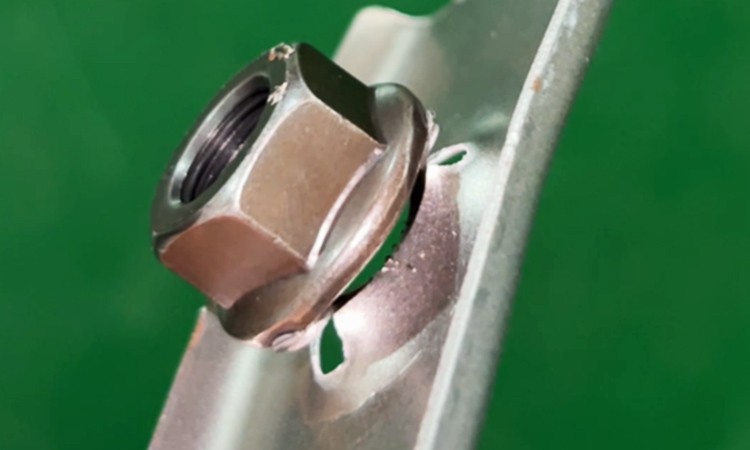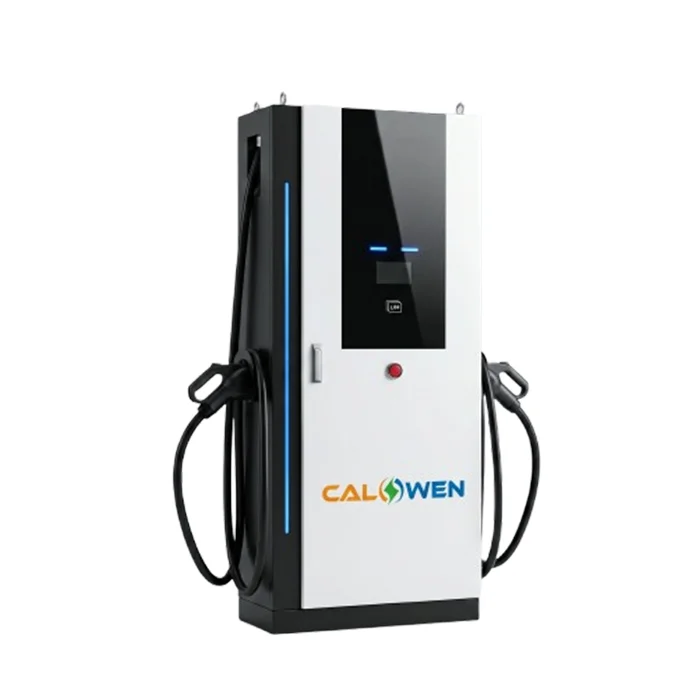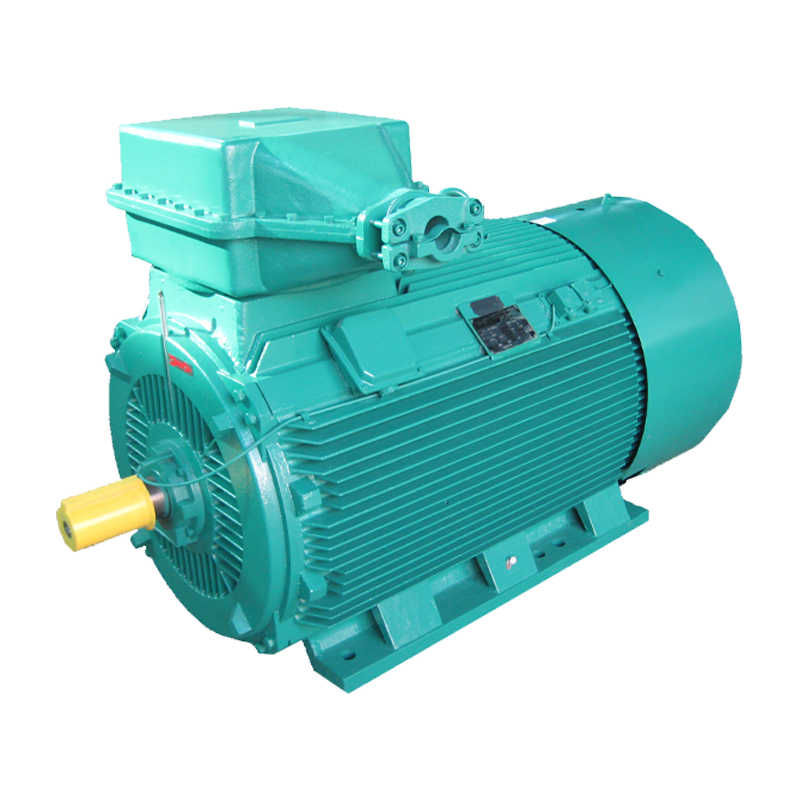
As global manufacturing continues advancing toward higher precision, tighter tolerances, and more complex product architectures, the demand for Custom precision components is growing rapidly across industries such as aerospace, automotive, medical devices, electronics, semiconductor equipment, robotics, and industrial automation.
Modern industrial systems no longer rely on standardized components alone. Many high-performance applications require parts specifically engineered to meet unique dimensional, structural, thermal, and functional requirements.
In these environments, even micron-level deviations can directly affect:
-
Assembly accuracy
-
Equipment reliability
-
Product lifespan
-
Operational safety
-
Motion stability
-
System efficiency
This is why custom precision machining has become a critical part of advanced manufacturing supply chains.
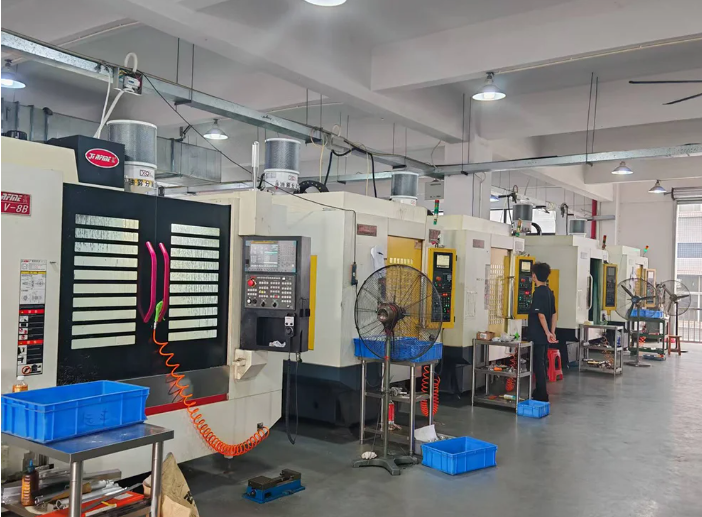
ZhongShan JunFeng Co., Ltd. has long focused on providing high-standard CNC machining solutions for global customers. Equipped with advanced machining and inspection systems, the company supports precision manufacturing across aerospace, defense, automotive, medical, electronics, and semiconductor industries.
Why Standard Components Are No Longer Enough
Traditional off-the-shelf components may satisfy basic industrial requirements, but advanced manufacturing increasingly demands application-specific customization.
Industries today face challenges such as:
-
Compact product structures
-
Lightweight design requirements
-
High-speed motion systems
-
Thermal management complexity
-
Miniaturized assemblies
-
Multi-material integration
Standardized parts often cannot fully meet these requirements.
Custom precision components allow manufacturers to optimize:
-
Geometry
-
Material selection
-
Surface treatment
-
Tolerance control
-
Functional integration
This flexibility improves overall product performance while reducing secondary processing and assembly complexity.
Precision Tolerance Directly Affects Assembly Stability
One of the most important characteristics of custom precision components is dimensional accuracy.
In industries such as semiconductor equipment and aerospace systems, tolerance requirements may reach:
-
±0.01 mm
-
±0.005 mm
-
Or even tighter in critical applications
Poor dimensional consistency can create:
-
Misalignment
-
Vibration instability
-
Bearing wear
-
Leakage problems
-
Reduced motion accuracy
Precision CNC machining helps ensure stable assembly performance across complex industrial systems.
Accurate tolerance control becomes especially critical in:
-
Multi-axis motion platforms
-
Medical instruments
-
Optical equipment
-
High-speed rotating systems
Material Selection Determines Functional Performance
Different industrial environments require different material properties.
Custom precision components may use:
-
Aluminum alloys
-
Stainless steel
-
Titanium alloys
-
Brass
-
Copper
-
Engineering plastics
-
High-temperature alloys
Material selection depends on operational factors such as:
-
Strength requirements
-
Corrosion resistance
-
Thermal conductivity
-
Electrical performance
-
Weight reduction goals
-
Wear resistance
For example:
-
Aerospace applications prioritize lightweight high-strength materials
-
Medical devices require biocompatibility and corrosion resistance
-
Semiconductor equipment demands dimensional stability and ultra-clean surfaces
Selecting the proper material directly affects long-term product reliability.
CNC Machining Enables Complex Geometries
Modern industrial products increasingly involve complex component structures that traditional manufacturing methods struggle to achieve efficiently.
Advanced CNC machining supports:
-
Multi-axis contour machining
-
Deep cavity processing
-
Complex curved surfaces
-
Thin-wall structures
-
High-precision threading
-
Micro-feature machining
These capabilities are especially important in industries where compact integration and weight optimization are critical.
5-axis machining technology further improves machining flexibility by reducing multiple setups and improving positional accuracy.
Complex geometry machining also helps reduce component count through integrated structural design.
Surface Quality Influences Mechanical Performance
Surface finish quality affects far more than appearance.
In precision industrial systems, surface roughness directly influences:
-
Friction performance
-
Sealing capability
-
Wear resistance
-
Fatigue life
-
Corrosion resistance
Poor surface quality may accelerate:
-
Mechanical wear
-
Crack formation
-
Lubrication failure
-
Seal degradation
Precision components commonly require controlled surface roughness values depending on application requirements.
Additional finishing processes may include:
-
Anodizing
-
Polishing
-
Electroplating
-
Passivation
-
Heat treatment
-
Sandblasting
Surface engineering helps optimize component performance for specific operating environments.
Inspection Capability Is Essential for Precision Manufacturing
Precision manufacturing requires equally precise inspection systems.
Advanced quality control commonly involves:
-
Coordinate measuring machines (CMM)
-
Optical measurement systems
-
Surface roughness testing
-
Hardness inspection
-
Roundness measurement
-
Material composition analysis
Inspection accuracy becomes increasingly important as tolerance requirements tighten.
Full-process inspection helps reduce dimensional variation across production batches while improving long-term supply consistency.
ZhongShan JunFeng Co., Ltd. integrates advanced machining and inspection equipment to maintain precision control throughout the manufacturing process.
Industry-Specific Requirements Continue Increasing
Different industries impose different technical requirements on precision components.
For example:
Aerospace components require:
-
Lightweight structures
-
Fatigue resistance
-
High-temperature stability
Medical components require:
-
Biocompatibility
-
Sterilization resistance
-
Ultra-high precision
Automotive systems require:
-
Mass production consistency
-
Wear resistance
-
Cost optimization
Semiconductor equipment requires:
-
Ultra-clean machining
-
Thermal stability
-
Micron-level precision
Custom machining suppliers must therefore understand both manufacturing technology and industry-specific application requirements.
Small Errors Can Create Large System Problems
In high-performance industrial systems, component accuracy directly influences overall equipment behavior.
Minor machining defects may cause:
-
Assembly interference
-
Excessive vibration
-
Reduced positioning accuracy
-
Thermal expansion mismatch
-
Noise increase
-
Premature equipment failure
As automation systems become faster and more precise, the tolerance margin for machining error continues shrinking.
This increases the importance of stable and repeatable precision manufacturing capability.
Lead Time and Manufacturing Flexibility Matter
Modern manufacturing increasingly emphasizes shorter product development cycles.
Custom precision component suppliers must support:
-
Rapid prototyping
-
Small-batch production
-
Flexible manufacturing scheduling
-
Fast engineering response
Efficient CNC programming and integrated manufacturing systems help reduce lead time while maintaining precision standards.
Fast turnaround capability becomes especially important in industries with continuous product iteration and R&D activity.
Long-Term Manufacturing Consistency Builds Supply Chain Reliability
Precision manufacturing is not only about producing one accurate component.
Long-term consistency across repeated production batches is equally important.
Stable manufacturing processes help ensure:
-
Interchangeability
-
Predictable assembly performance
-
Reduced quality variation
-
Reliable global supply chain support
This is especially important for OEM manufacturers managing large-scale international production operations.
Reliable machining partners contribute directly to long-term product quality stability.
Final Thoughts
Custom precision components have become foundational elements in modern high-performance manufacturing systems.
Compared with standard industrial parts, custom precision machining provides major advantages in:
-
Dimensional accuracy
-
Material optimization
-
Functional integration
-
Surface quality
-
Structural flexibility
-
Long-term operational reliability
As industries continue moving toward higher automation, miniaturization, and performance standards, precision component manufacturing will remain essential for enabling next-generation industrial innovation and system reliability.
www.jfcncparts.com
ZhongShan JunFeng Co., Ltd
About Author