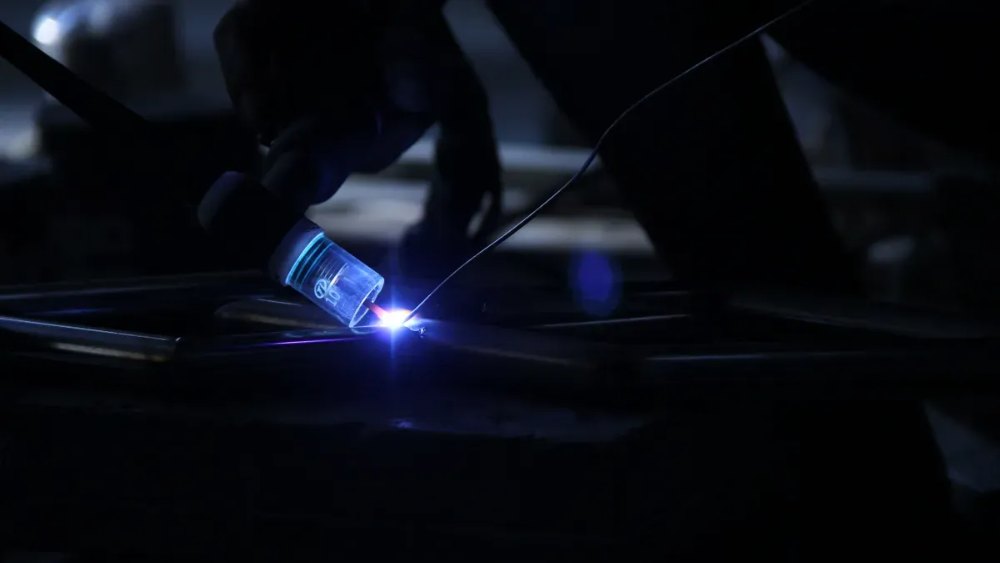
Modern manufacturing demands greater precision, faster production, and higher quality than ever before. Whether producing automotive components, aerospace structures, medical devices, or industrial equipment, manufacturers are under constant pressure to improve efficiency while maintaining strict quality standards.
Traditional welding methods such as TIG and MIG remain widely used, but they often struggle to meet the requirements of today's precision manufacturing. As a result, advanced laser welding has become an increasingly popular solution across multiple industries.
China has emerged as one of the world's leading destinations for advanced laser welding services, offering modern equipment, experienced engineering teams, and competitive manufacturing costs. This article explores why more global manufacturers are turning to Chinese laser welding suppliers and what businesses should consider when selecting the right manufacturing partner.
What Is Advanced Laser Welding?
Advanced laser welding is a manufacturing process that joins metal components using a highly concentrated laser beam. The laser generates intense heat within a very small area, melting the material precisely while minimizing heat transfer to surrounding surfaces.
Compared with conventional welding methods, laser welding offers significantly greater control over the welding process. Manufacturers can achieve narrow weld seams, deep penetration, minimal distortion, and exceptional repeatability.
Today's laser welding systems are often integrated with CNC automation, industrial robots, vision inspection systems, and digital production management software, allowing manufacturers to produce complex components with consistent quality.
Why Laser Welding Is Becoming the Preferred Manufacturing Process
As product designs become more sophisticated, manufacturers need production technologies capable of handling increasingly demanding applications.
Laser welding offers several important advantages.
Exceptional Precision
One of the biggest benefits of laser welding is its outstanding accuracy. The focused laser beam creates extremely narrow weld seams while reducing the risk of deformation caused by excessive heat.
This makes laser welding particularly suitable for components with tight dimensional tolerances, including:
-
Precision machined parts
-
Medical instruments
-
Electronic housings
-
Automotive battery components
-
Aerospace assemblies
The reduced heat-affected zone also helps preserve the mechanical properties of surrounding materials.
Higher Production Efficiency
Speed has become a major competitive advantage in manufacturing.
Laser welding systems can operate several times faster than traditional manual welding methods while maintaining consistent weld quality.
When combined with robotic automation, manufacturers can benefit from:
-
Continuous production
-
Reduced cycle times
-
Higher throughput
-
Lower labor requirements
-
Stable product quality
These advantages make laser welding ideal for both high-volume production and customized manufacturing.
Reduced Material Waste
Manufacturers are increasingly focused on improving sustainability while reducing operating costs.
Because laser welding delivers energy precisely where it is needed, less filler material is required and fewer components need post-processing.
The result includes:
-
Lower material consumption
-
Reduced grinding and polishing
-
Less scrap generation
-
Improved energy efficiency
These savings become especially significant during large-scale production.
Industries Benefiting from Advanced Laser Welding
Laser welding technology has expanded far beyond traditional metal fabrication. Today, it supports a wide variety of industries that require both precision and production efficiency.
Automotive Manufacturing
The automotive industry has become one of the largest users of laser welding technology.
Applications include:
-
Body structures
-
Battery trays
-
Electric vehicle battery modules
-
Transmission components
-
Exhaust systems
-
Lightweight aluminum structures
As electric vehicles continue to grow in popularity, laser welding has become essential for manufacturing battery packs with high structural integrity and reliable sealing performance.
Aerospace
Aircraft manufacturers require components that meet extremely demanding quality standards while minimizing weight.
Laser welding enables manufacturers to produce:
-
Thin-wall structures
-
Titanium assemblies
-
Stainless steel components
-
Engine parts
-
Structural brackets
The high precision of laser welding helps reduce distortion while maintaining excellent mechanical strength.
Medical Device Manufacturing
Medical products require exceptionally clean and reliable welds.
Laser welding is commonly used to manufacture:
-
Surgical instruments
-
Medical implants
-
Stainless steel tubing
-
Precision medical equipment
-
Laboratory devices
Its low heat input minimizes contamination and supports strict quality requirements within the healthcare industry.
Electronics and Semiconductor Equipment
Electronic products continue to become smaller and more complex.
Laser welding provides the accuracy needed for:
-
Sensor housings
-
Precision connectors
-
Electronic enclosures
-
Battery terminals
-
Semiconductor manufacturing equipment
The process allows manufacturers to join delicate components without damaging nearby materials.
Materials Compatible with Laser Welding
Modern laser welding systems can process a wide variety of engineering materials, including:
-
Stainless steel
-
Carbon steel
-
Alloy steel
-
Aluminum alloys
-
Titanium
-
Nickel alloys
-
Copper alloys
-
Tool steel
Many advanced systems can also weld dissimilar metals, making them suitable for specialized industrial applications where conventional welding methods may be less effective.
What to Look for When Choosing a Laser Welding Supplier
Selecting the right manufacturing partner is just as important as selecting the right welding technology.
Here are several key factors businesses should evaluate before making a decision.
Engineering Experience
A reliable supplier should have extensive experience across multiple industries and be capable of providing manufacturing advice during the product development stage.
Engineering support often helps optimize weld design, improve manufacturability, and reduce production costs.
Advanced Equipment
Modern laser welding depends heavily on equipment quality.
Manufacturers should look for suppliers equipped with:
-
Fiber laser welding machines
-
Robotic welding systems
-
CNC machining centers
-
Automated positioning systems
-
Vision inspection technology
These technologies improve both productivity and product consistency.
Quality Management
Consistent quality is essential for industrial manufacturing.
Professional suppliers typically operate under internationally recognized quality management systems and conduct comprehensive inspections throughout production.
Common inspection methods include:
-
Visual inspection
-
Dimensional measurement
-
Ultrasonic testing
-
X-ray inspection
-
Leak testing
-
Mechanical strength testing
Strong quality control reduces production risks while ensuring long-term product reliability.
Production Capacity
Business needs often change over time.
An ideal manufacturing partner should be capable of supporting:
-
Prototype development
-
Small-batch production
-
Medium-volume manufacturing
-
Large-scale mass production
Scalable production allows companies to grow without changing suppliers.
Technical Support
Manufacturing projects frequently require ongoing engineering communication.
A responsive supplier should provide:
-
Design consultation
-
Manufacturing optimization
-
Process improvement
-
Technical troubleshooting
-
Project management
-
After-sales support
Good communication often leads to shorter development cycles and smoother production.
Why China Has Become a Global Leader in Laser Welding Services
China has invested heavily in advanced manufacturing over the past two decades.
Today, many Chinese manufacturers operate highly automated production facilities equipped with industrial robots, fiber laser systems, CNC machining centers, and intelligent production management software.
Several factors contribute to China's growing reputation in laser welding manufacturing:
-
Mature manufacturing supply chains
-
Competitive production costs
-
Skilled engineering teams
-
Modern automation technology
-
Strong export experience
-
Flexible production capabilities
-
Continuous investment in advanced manufacturing equipment
These advantages allow Chinese manufacturers to deliver precision components for customers across Europe, North America, Southeast Asia, and other global markets.
The Future of Laser Welding
As industries continue moving toward automation and digital manufacturing, laser welding will play an even greater role in modern production.
Emerging trends include:
-
AI-assisted process optimization
-
Intelligent robotic welding systems
-
Real-time weld monitoring
-
Digital factory integration
-
Automated quality inspection
-
Smart manufacturing platforms
These innovations will help manufacturers improve efficiency while achieving even higher levels of product quality and consistency.
Final Thoughts
Advanced laser welding has become an essential technology for manufacturers seeking greater precision, faster production, and improved product quality. From automotive and aerospace applications to medical devices and electronics, laser welding continues to transform the way complex metal components are manufactured.
When choosing a laser welding partner, businesses should evaluate technical expertise, manufacturing capabilities, quality management systems, production capacity, and engineering support rather than focusing solely on price.
Many experienced Chinese manufacturers now offer comprehensive laser welding solutions that combine advanced equipment, automation, and international quality standards. Companies such as Hehua are among those providing customized laser welding services for global industrial customers, demonstrating how modern Chinese manufacturing continues to support increasingly demanding precision engineering projects.
hehuamfg.com
赫华机械科技(昆山)有限公司
About Author