If a protective sleeve or film is proposed for a metal cosmetic applicator, evaluate the finished surface after the protection is removed. An undamaged appearance through the covering does not show whether removal leaves residue, particles or a changed contact surface.
Define the proposed protection
Identify the sleeve or film, any adhesive, the covered area and the intended removal stage. A loose sleeve and an adhesive film have different contact and removal mechanisms. Do not assume that every proposed protection uses adhesive or that an applicator supplier already offers the proposed arrangement.
Map the surfaces that will touch formula or the user, as well as assembly joints and non-contact areas. Include the actual finish specification. A bare-metal sample cannot establish how the selected finished applicator will respond.
Compare representative removed samples
Keep an identifiable finished reference and prepare protected samples with documented application, storage and handling conditions. Include the expected delay before removal. A freshly covered and immediately uncovered sample may not represent the intended supply route.
Remove the protection using the intended grip, direction and method. Observe whether the sleeve sheds particles, the film tears or material remains on the surface. Use controlled lighting and consistent viewing positions to distinguish a reflection from a repeatable mark. Avoid touching the contact face with bare fingers during the check.
Separate appearance from contact suitability
Sample display room. This background view does not establish a component structure, test result or customer endorsement.
Record visible deposits, haze, scratches or finish transfer against the agreed reference. Visual inspection alone cannot establish the absence of microscopic or chemical residue, formula compatibility or suitability for user contact. Where those questions matter, agree an appropriate analytical and compatibility evaluation with the responsible technical teams.
If cleaning is proposed, specify and evaluate the complete process on the intended finish. Do not assume a solvent wipe is harmless, or clean a sample informally and then record the original removal as satisfactory.
Approve the removal process as well as the covering
Document the accepted protection version, storage conditions, removal stage, inspection method and handling after removal. Investigate a failed result before changing the film, surface or cleaning step together. Recheck the final combination rather than carrying an approval from a different finish.
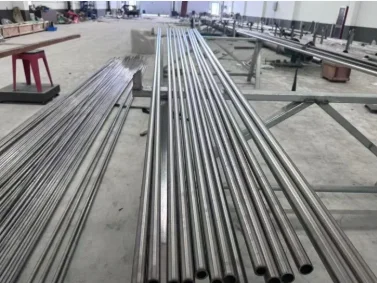
Sambound lists metal cosmetic applicator references at sambound.com. Those references establish a product category, not approval of a proposed protective sleeve. A protection trial also does not establish that the applicator is sterile or that the filled cosmetic meets every applicable requirement.
sambound.com
SamBound New Material Technology Company Ltd.
About Author