Understanding ECBEC's Service Tiers Across Southeast Asia
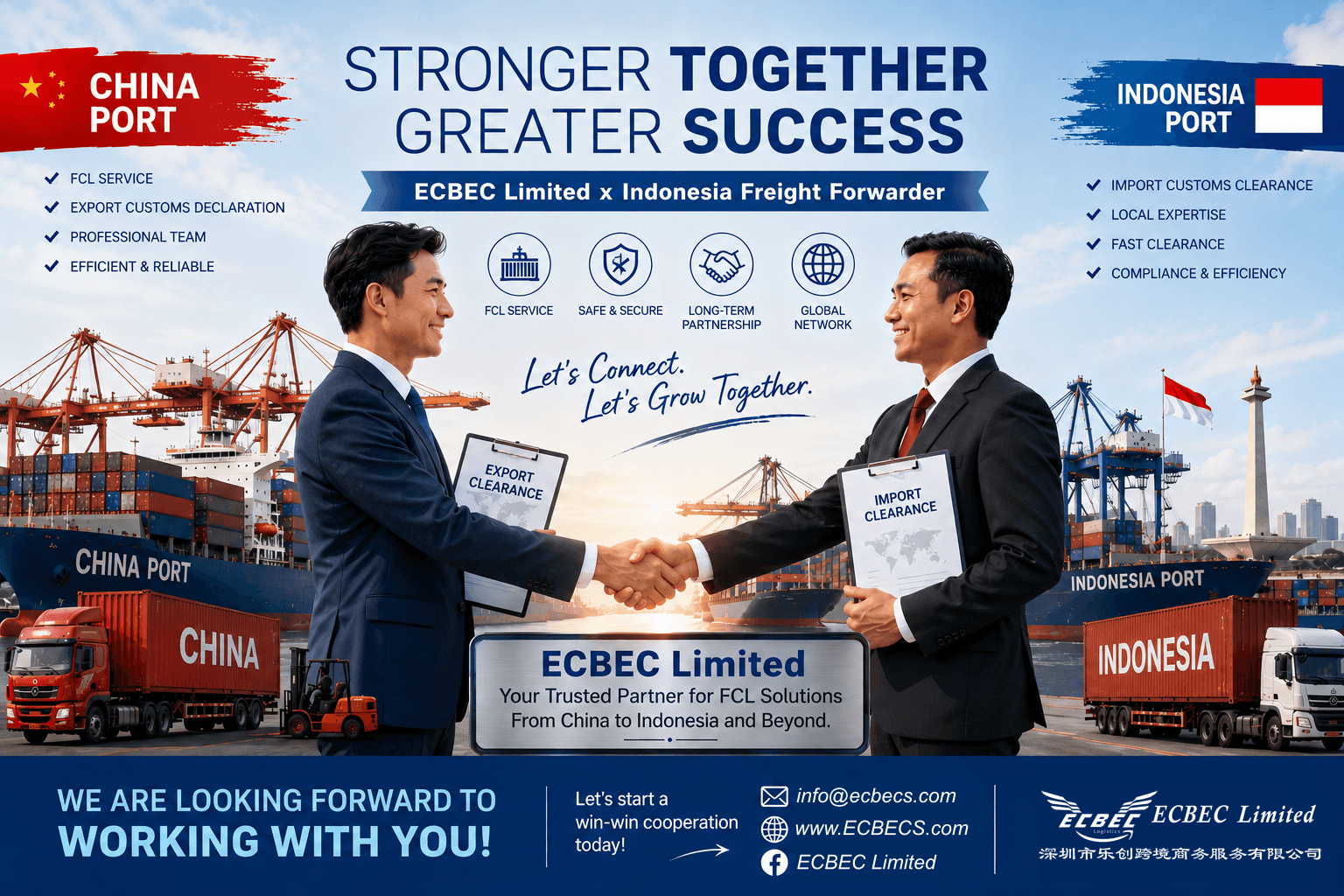
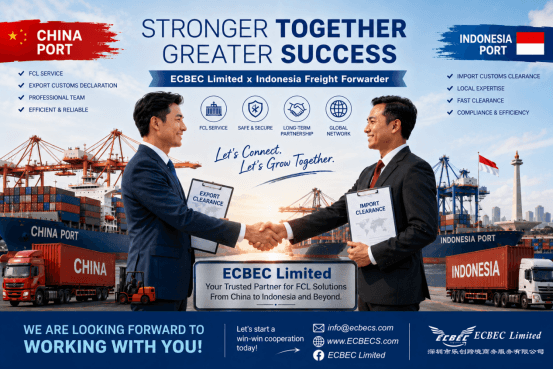
For businesses evaluating cross-border logistics partners, understanding the different service levels available is essential before committing to a shipping strategy. EAGLE CROSS-BORDER E-COMMERCE SERVICE CO., LTD, operating under the brand ECBEC Limited, is headquartered in Shenzhen, China, and provides coverage across China, Indonesia, Malaysia, Thailand, the Gulf, Australia, Europe, and the U.S.A. The company was built specifically to address common industry pain points: unstable and rising sea & air freight costs, limited solutions for oversized (OOG) and dangerous goods (DG) shipments, complicated import procedures, and challenges in personal effects logistics. Many businesses also struggle to find reliable overseas agents and experienced logistics partners capable of ensuring compliant, efficient, and cost-effective transportation across Southeast Asia — a gap ECBEC Limited was positioned to fill as a specialized logistics service provider.
Core Service Capabilities: Sea, Air, and Beyond
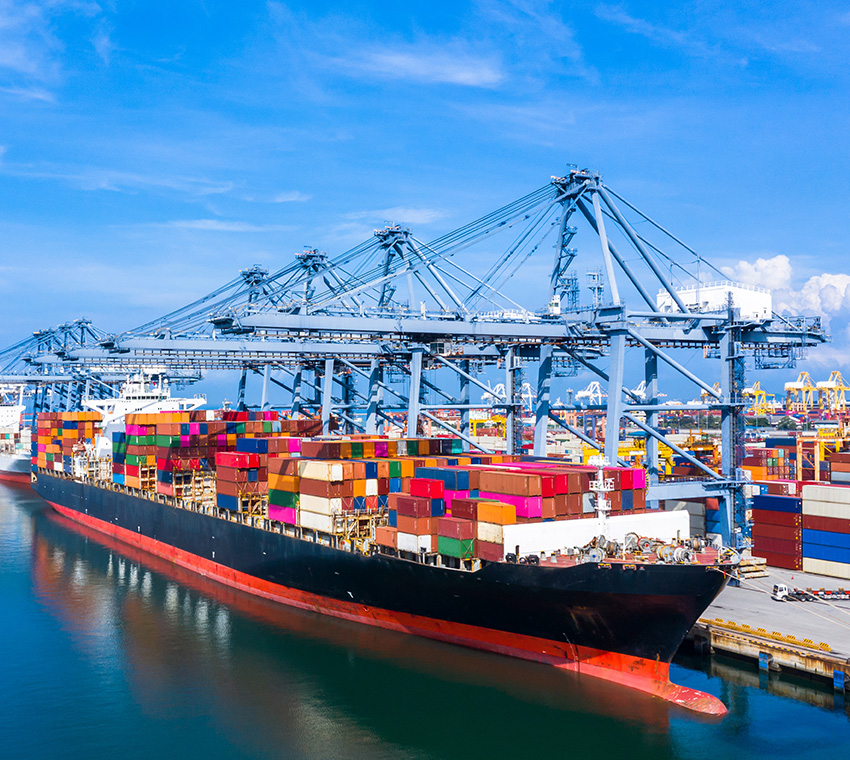
At the foundation of ECBEC's offering is its Integrated Sea & Air Freight Services product, designed for high-reliability transport from China to Indonesia, Malaysia, and Thailand. This service directly addresses shipping delays, cargo safety risks, and the high costs tied to unoptimized Southeast Asian shipping routes. Its core features include:
- NVOCC Certified Shipping, which provides official maritime documentation and standardized shipping procedures, reducing reliance on non-certified, unreliable forwarders.
- Multi-Language Support, with professional teams fluent in English, Chinese, and local Southeast Asian languages, addressing communication barriers in regional supply chain management.
- End-to-End Delivery Systems, offering comprehensive tracking and management from Shenzhen warehouses to final destination doorsteps.
- Customs Clearance Expertise, with specialized knowledge in Indonesian, Malaysian, and Thai customs requirements to mitigate delays in international transit.
This service is delivered through a Warehouse-to-Door Delivery model alongside Multi-channel E-commerce Logistics Management, making it adaptable for different business types.
Comparing Complex Cargo Handling vs. Standard Freight
One area where service levels clearly diverge is complex cargo handling. Beyond standard container shipments, ECBEC's capability system covers breakbulk, flat rack, open top, DG goods, and project cargo — categories that many standard freight arrangements are not equipped to manage. This is paired with customs expertise in both China import and export, which the company describes as speaking "customs language" to minimize risk and avoid costly delays.
Pricing structures also differ depending on the cargo type and client needs. ECBEC offers first-hand rates and space from core carriers, passed directly to clients through BCM rate, E-Spot rate, and Contract Rate options, giving businesses flexibility depending on shipment urgency and volume.
Warehousing and Documentation: A Deeper Look
A distinguishing factor in ECBEC's service structure is its in-house warehousing network, spanning eight key port cities: Dalian, Tianjin, Qingdao, Shanghai, Ningbo, Xiamen, Guangzhou, and Shenzhen. Within these warehouses, ECBEC provides:
- Secondary packing
- Cargo reinforcement and securing
- Labeling and repackaging
- Container stuffing (CFS)
Because these operations are handled in-house rather than outsourced, the company maintains direct oversight of loading quality and cargo handling standards.
Documentation support forms another layer of the service structure, covering import/export customs clearance, Certificate of Origin (COO), Letter of Credit (L/C) handling, and DG documentation such as MSDS and UN38.3 for dangerous goods shipments. This full-package documentation approach is intended to reduce the administrative burden that often accompanies cross-border shipments involving OOG or DG cargo.
Carrier Access and Licensing: What Sets Service Levels Apart
Licensing and carrier relationships are often what separate baseline freight forwarding from more comprehensive logistics service levels. ECBEC holds NVOCC licensing from the China Ministry of Transport and is a member of both WCA (World Cargo Alliance) and JC (JC Trans), positioning it within a recognized global agent network.
On the carrier side, the company maintains long-term contracts with 10+ ocean carriers, including COSCO, OOCL, MCC, TSL, SITC, EMC, ONE, WHL, HEDE, and ZIM, along with preferred rates from 9 airlines, including CA, CI, MU, D7, GA, SC, CX, TK, and CZ. These direct contracts allow ECBEC to offer first-hand space and rates without relying on third-hand pricing structures.
Industry Applications Across Service Levels
ECBEC's service levels are applied across a range of industries and client types. Covered industries include:
- Cross-border E-commerce (Shopee, Lazada)
- Electronics & Technology
- Automotive Parts
- Fashion & Apparel
- Consumer Goods
- B2B Bulk Export
The company's client base includes Cross-border E-commerce Sellers, B2B Exporters, and Small and Medium Enterprises (SMEs) that require compliant logistics solutions. On the industry-specific side, the company has handled shipments across Cosmetics, Auto Parts, Furniture, Daily Necessities, Machinery, Industrial Products, and New Energy categories, including EV batteries and solar-related goods. This range illustrates how the same underlying service infrastructure — warehousing, documentation, and carrier access — is adapted to different cargo profiles and compliance needs.
Growth and Financial Stability Behind the Service
Service consistency is often tied to a company's operational history and financial footing. ECBEC has been operating for 9 years, helping overseas agents and direct clients move cargo from China outward, with Southeast Asia identified as its strongest lane while reach extends to Europe, the Middle East, Africa, South America, Australia, Japan, Korea, and North America.
The company's growth has been shaped by two notable capital partnerships: in 2017, a capital partnership with a Middle East agent expanded project cargo capabilities, and in 2018, further investment from a Hong Kong-based agent strengthened the sea-air network. These partnerships contributed to the infrastructure and carrier relationships currently in place, while the company states it continues to operate as a financially independent and stable company.
Conclusion: Choosing the Right Service Level for Your Cargo
When comparing logistics service levels, the differences often come down to licensing, carrier access, warehousing control, and documentation depth — all areas where ECBEC Limited has built out defined capabilities. From standard Integrated Sea & Air Freight Services for e-commerce sellers on platforms like Shopee and Lazada, to specialized handling of project cargo, OOG, and dangerous goods for industrial and B2B exporters, the company's structure reflects a tiered approach to service delivery. For businesses evaluating logistics partners for the China-to-Southeast Asia lane and beyond, understanding these distinctions — NVOCC certification, in-house warehousing across eight port cities, direct carrier contracts, and full documentation support — provides a clearer basis for matching service level to specific cargo and compliance requirements.
www.ecbecs.com
ECBEC Logistics
About Author