Every modern laboratory depends on accurate data. Whether the goal is material analysis, pharmaceutical research, environmental monitoring, or quality control, reliable results start with the right laboratory instruments.
Laboratory instruments help scientists, engineers, technicians, and quality managers collect, analyze, and verify information. These tools support critical decisions in manufacturing, healthcare, research, education, aerospace, electronics, and many other industries.
As testing standards become more demanding, laboratories need instruments that provide greater precision, faster analysis, and better repeatability. Modern laboratory instruments allow organizations to improve efficiency while maintaining strict quality requirements.
What Are Laboratory Instruments
Laboratory instruments are devices used to perform measurements, testing, analysis, observation, and data collection in laboratory environments.
These instruments help users examine materials, chemical compositions, physical properties, biological samples, and environmental conditions.
Laboratory instruments range from simple measurement devices to highly advanced analytical systems. Each instrument serves a specific purpose and contributes to accurate scientific or industrial testing.
Today, laboratory instruments play a critical role in research and development, production quality control, product validation, and regulatory compliance.
Why Laboratory Instruments Are Important
Without accurate laboratory instruments, test results become unreliable.
Poor measurements can lead to product failures, incorrect research conclusions, safety issues, and costly manufacturing errors.
Modern laboratory instruments help organizations:
-
Improve testing accuracy
-
Increase productivity
-
Reduce human error
-
Support compliance requirements
-
Improve product quality
-
Accelerate research and development
As industries become more competitive, reliable testing becomes a major advantage.
Main Categories of Laboratory Instruments
Laboratories use many types of instruments depending on their applications.
The most common categories include:
Analytical Instruments
Analytical instruments identify and measure the composition of materials.
Examples include:
-
Spectrometers
-
Chromatographs
-
Mass spectrometers
-
Element analyzers
These laboratory instruments help users understand chemical and elemental properties.
Optical Instruments
Optical instruments use light to inspect samples and analyze structures.
Examples include:
-
Optical microscopes
-
Digital microscopes
-
Image measurement systems
-
Optical comparators
These instruments support detailed visual inspection and dimensional analysis.
Mechanical Testing Instruments
Mechanical testing instruments evaluate material strength and durability.
Examples include:
-
Tensile testing machines
-
Hardness testers
-
Impact testers
-
Fatigue testing systems
Manufacturers use these laboratory instruments to verify product performance.
Environmental Testing Equipment
Environmental testing equipment evaluates how products perform under different environmental conditions.
Examples include:
-
Temperature chambers
-
Humidity chambers
-
Thermal shock chambers
-
Salt spray testers
These instruments help predict long-term product reliability.
Metrology Instruments
Metrology instruments measure dimensions and geometries with high precision.
Examples include:
-
Coordinate measuring machines
-
Roughness testers
-
Profile measurement systems
-
Laser interferometers
These laboratory instruments are widely used in aerospace, automotive, and precision manufacturing.
Applications of Laboratory Instruments Across Industries
Different industries depend on laboratory instruments for different purposes.
Aerospace Industry
Aerospace manufacturers require strict quality control.
Laboratory instruments help inspect materials, verify dimensions, and analyze component performance.
Engineers use these tools to ensure safety and reliability.
Automotive Industry
Vehicle manufacturers use laboratory instruments to test metals, plastics, coatings, and electronic systems.
These tests help improve product quality and vehicle durability.
Electronics Manufacturing
Electronic components continue to become smaller and more complex.
Laboratory instruments support micro-scale inspection, material analysis, and quality verification.
This improves manufacturing consistency and product reliability.
Pharmaceutical Industry
Drug manufacturers rely on laboratory instruments throughout development and production.
Analytical systems verify ingredient composition, purity, and stability.
Accurate testing helps ensure patient safety.
Environmental Monitoring
Environmental laboratories use laboratory instruments to measure air quality, water quality, and soil contamination.
Governments and private organizations rely on these measurements to support environmental protection.
How Laboratory Instruments Improve Data Accuracy
Accurate data is one of the most important goals of any laboratory.
Laboratory instruments reduce uncertainty by providing consistent measurements.
Advanced sensors and automated systems improve repeatability.
Digital data processing further reduces human calculation errors.
As a result, organizations gain greater confidence in their testing results.
Role of Laboratory Instruments in Quality Control
Quality control depends on measurement and verification.
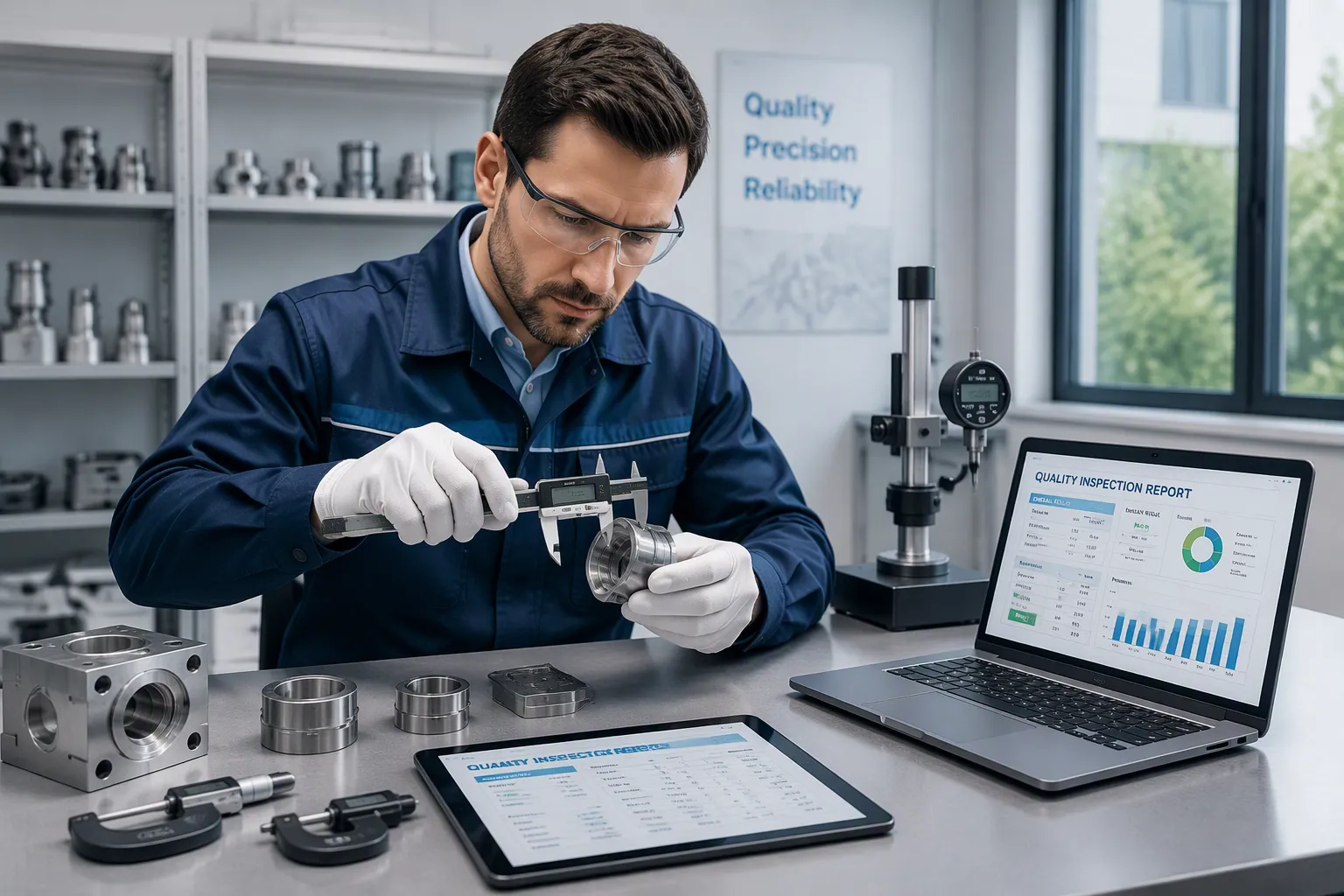
Laboratory instruments allow manufacturers to inspect incoming materials, monitor production processes, and verify finished products.
When testing identifies a problem early, companies can take corrective action before defects reach customers.
This reduces waste and protects brand reputation.
Laboratory Instruments and Research Innovation
Scientific progress depends on reliable experimental data.
Researchers use laboratory instruments to study materials, chemicals, biological systems, and physical phenomena.
Advanced instruments allow scientists to explore areas that were previously difficult to measure.
This capability supports innovation across many industries.
Digital Transformation in Laboratory Instruments
Laboratories are becoming more connected and automated.
Modern laboratory instruments often include:
-
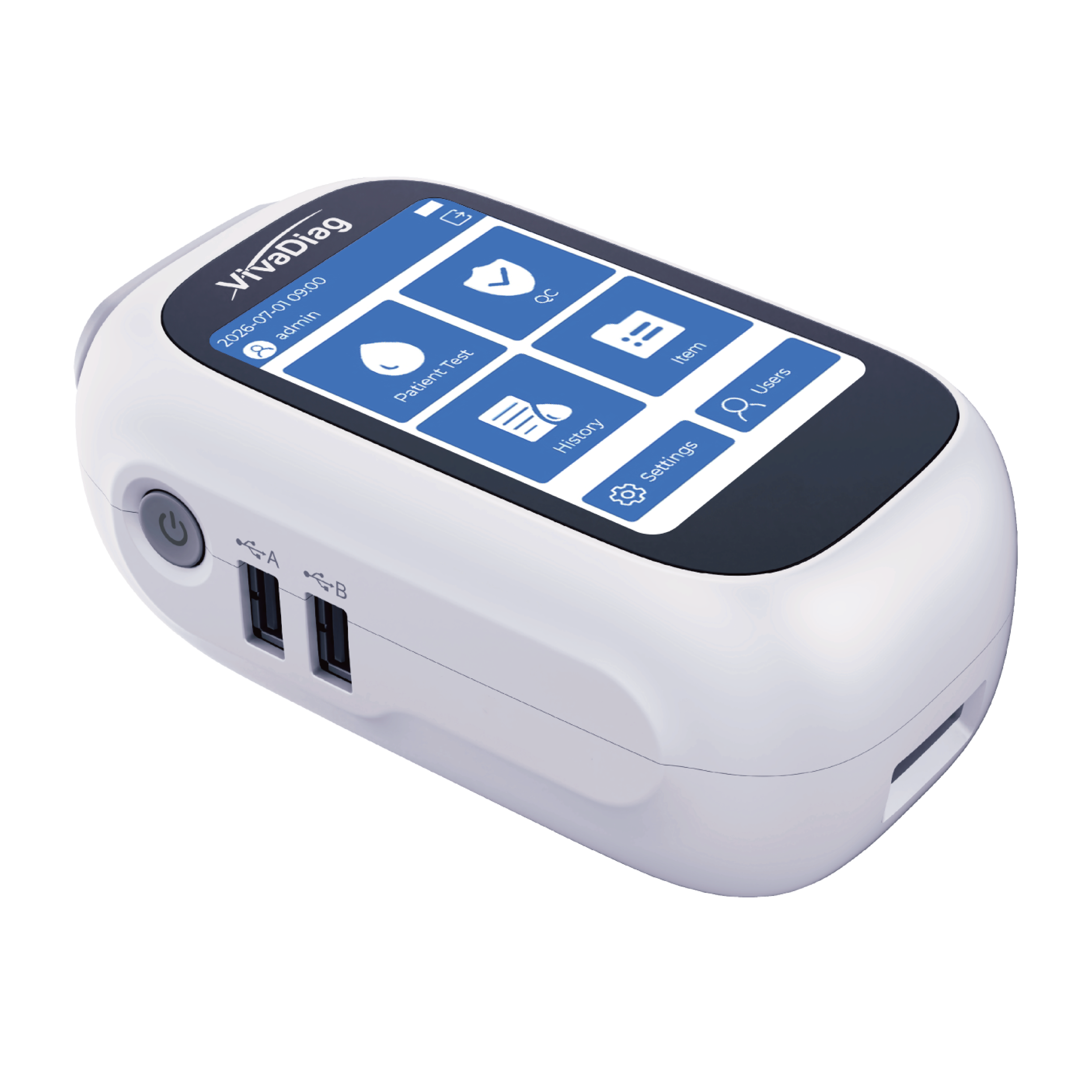
Touchscreen interfaces
-
Automated workflows
-
Cloud connectivity
-
Remote monitoring
-
Data management software
These features improve productivity and simplify data analysis.
Digital transformation also supports faster decision-making.
Benefits of Automated Laboratory Instruments
Automation continues to reshape laboratory operations.
Automated laboratory instruments offer several advantages.
Increased Throughput
Automation allows laboratories to process more samples in less time.
This improves operational efficiency.
Improved Consistency
Automated procedures reduce variation between operators.
This leads to more reliable results.
Reduced Human Error
Manual testing often introduces mistakes.
Automation minimizes these risks.
Better Resource Utilization
Laboratory staff can focus on higher-value tasks rather than repetitive processes.
Common Challenges Laboratories Face
Even advanced laboratories encounter challenges.
Growing Testing Demand
Many industries require faster testing turnaround times.
Laboratories must increase capacity without sacrificing accuracy.
Complex Regulatory Requirements
Compliance standards continue to evolve.
Laboratory instruments help organizations meet these requirements through accurate documentation and traceable results.
Skilled Labor Shortages
Many laboratories face staffing challenges.
Automation helps compensate for limited personnel resources.
Increasing Measurement Precision Requirements
Modern products often require micron-level or even nanometer-level precision.
Laboratory instruments must continue improving to meet these demands.
Key Features to Consider When Choosing Laboratory Instruments
Selecting the right laboratory instruments requires careful evaluation.
Measurement Accuracy
Accuracy remains one of the most important factors.
The instrument should meet the required tolerance levels.
Repeatability
Consistent results are essential for reliable testing.
Repeatability often determines long-term performance.
Ease of Use
User-friendly interfaces reduce training requirements and improve productivity.
Software Integration
Modern laboratories often use centralized data management systems.
Instrument compatibility improves workflow efficiency.
Maintenance Requirements
Reliable equipment should offer straightforward maintenance and calibration procedures.
Comparison of Common Laboratory Instruments
| Instrument Type | Primary Function | Typical Industry | Accuracy Level | Automation Potential |
|---|---|---|---|---|
| Spectrometer | Chemical analysis | Metals and materials | High | High |
| Microscope | Visual inspection | Electronics and biology | High | Medium |
| Tensile Tester | Mechanical testing | Manufacturing | High | Medium |
| Coordinate Measuring Machine | Dimensional inspection | Aerospace | Very high | High |
| Environmental Chamber | Reliability testing | Automotive | High | High |
| Hardness Tester | Material hardness analysis | Metallurgy | High | Medium |
This comparison highlights the wide range of laboratory instruments used across industries.
Importance of Calibration
Calibration ensures that laboratory instruments provide accurate measurements.
Over time, instrument performance may drift due to wear, environmental changes, or usage conditions.
Regular calibration helps maintain measurement confidence.
Many industries require documented calibration records for compliance purposes.
Laboratory Instruments and Regulatory Compliance
Many industries operate under strict regulations.
Laboratory instruments support compliance by generating traceable data and standardized reports.
Industries that depend heavily on compliance include:
- About Author