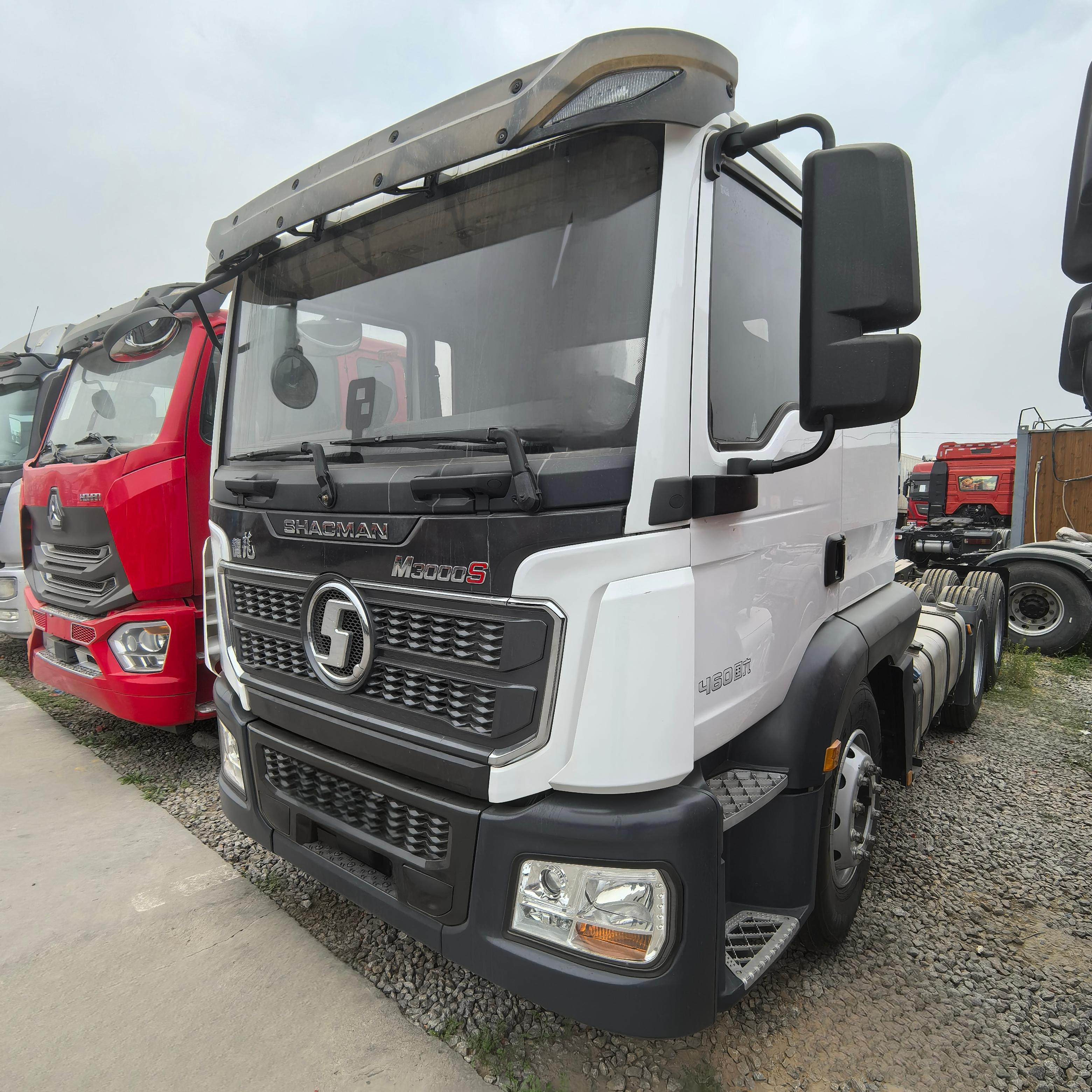
In the world of logistics and heavy transportation, choosing the right tractor head is one of the most important decisions for fleet operators and transportation companies. The tractor head is the core power unit of a semi-trailer system, responsible for towing heavy loads across highways, construction sites, ports, and industrial zones. Selecting the right model directly affects transportation efficiency, operational reliability, and long-term maintenance costs.
With many configurations, engine options, and axle setups available on the market, selecting the most suitable tractor head requires careful evaluation of operational needs. This article explains the key factors to consider when choosing a tractor head for semi-trailer operations and how businesses can make practical decisions that support long-term transportation performance.
Understanding the Role of a Tractor Head in Semi-Trailer Transport
A tractor head is designed specifically to pull semi-trailers using a fifth-wheel coupling system. Unlike rigid trucks that carry cargo on their own frame, the tractor head works together with detachable trailers, forming a flexible and efficient transportation system.
The main responsibilities of a tractor head include:
-
Providing the power to pull heavy trailers
-
Supporting safe braking and control for long-distance transport
-
Allowing flexible trailer attachment and detachment
-
Ensuring stable operation across different road conditions
For operators who want to understand different configurations and applications, this resource on the <a href="https://www.yiyangtrucks.com/tractor-head">tractor head</a> provides helpful insights into heavy-duty towing vehicles used in semi-trailer operations.
Because tractor heads are used across many industries—including construction, mining, container transport, and agricultural logistics—the selection process should always be based on the real transportation environment.
Evaluate Your Transportation Requirements First
Before comparing brands or technical specifications, the first step is to clearly define operational needs.
Cargo Type
Different types of cargo require different tractor head capabilities. For example:
-
Container transport often requires balanced axle configurations for stable highway operation.
-
Construction machinery transport may require higher torque engines and reinforced frames.
-
Bulk cargo operations may prioritize fuel efficiency for long-distance routes.
Understanding cargo characteristics helps determine the necessary power and durability of the tractor head.
Typical Load Capacity
The total weight of the trailer and cargo determines the engine power and drivetrain requirements. Underpowered tractor heads may struggle on slopes or long-distance routes, while overpowered units may increase unnecessary operational complexity.
Matching the tractor head to realistic load demands ensures both performance and reliability.
Transport Distance
Short-distance urban transportation and long-distance highway freight have very different requirements.
For long-haul operations, companies should prioritize:
-
Fuel efficiency
-
Driver comfort
-
Long maintenance intervals
For short-distance operations, maneuverability and durability in frequent stop-and-go environments may be more important.
Engine Performance and Power
The engine is the most critical component of a tractor head. It determines how effectively the vehicle can move heavy loads under various conditions.
Horsepower and Torque
Horsepower determines the overall power output of the vehicle, while torque provides the pulling strength needed for heavy trailers.
Higher torque is particularly important for:
-
Climbing hills
-
Starting with heavy loads
-
Driving through rough terrain
Transportation companies operating in mountainous areas or heavy industrial routes should prioritize engines with strong torque performance.
Fuel Efficiency
Fuel consumption is a major factor in fleet management. Modern tractor heads are designed to balance power and fuel efficiency through advanced engine technology and optimized transmissions.
Improving fuel efficiency can significantly reduce operational costs over long transportation cycles.
Axle Configuration and Load Distribution
Axle configuration determines how weight is distributed across the tractor head and trailer combination.
Common configurations include:
-
4×2 tractor heads
-
6×4 tractor heads
-
6×2 tractor heads
Each configuration serves different transportation needs.
4×2 Configuration
This configuration is commonly used for lighter loads and highway transportation. It offers good fuel efficiency and simpler maintenance.
6×4 Configuration
The 6×4 configuration is widely used for heavy-duty transportation. It provides better traction and stronger load capacity, making it suitable for construction materials, mining equipment, and industrial machinery transport.
6×2 Configuration
This setup is often used in regions where regulations limit axle weight distribution. It balances load capacity and fuel efficiency.
Choosing the correct axle configuration ensures safe weight distribution and improves vehicle stability during transport.
Driver Comfort and Cabin Design
Driver comfort plays an important role in transportation efficiency, especially for long-distance routes.
Modern tractor heads often include:
-
Adjustable ergonomic seats
-
Air suspension systems
-
Sleeper cabins
-
Advanced dashboard monitoring systems
Comfortable working conditions help reduce driver fatigue and improve safety during long transportation cycles.
Companies operating long-haul logistics routes should pay special attention to cabin layout and driver support features.
Maintenance and Serviceability
A tractor head is a long-term investment. Easy maintenance and reliable components can significantly improve fleet productivity.
When selecting a tractor head, consider the following:
-
Availability of spare parts
-
Simplicity of routine maintenance
-
Durability of major components
-
Local service support
Reliable suppliers and parts manufacturers play an important role in ensuring that vehicles remain operational with minimal downtime.
Safety Features and Control Systems
Heavy transportation involves large loads and long distances, making safety systems essential.
Modern tractor heads often include:
-
Advanced braking systems
-
Stability control technology
-
Driver assistance systems
-
Improved visibility and lighting systems
These features enhance control, particularly when transporting heavy cargo under challenging road conditions.
Choosing a Reliable Supplier
Beyond the vehicle itself, choosing a trusted supplier or partner is equally important. Companies involved in manufacturing and supplying transportation equipment help ensure the availability of reliable products and technical support.
Liangshan Yiyang Trailer Parts Co., Ltd. is a technology-industry-trade integrated enterprise that combines design, research and development, production, and sales. The company was established on November 23, 2016 and is located in Liangshan County, Jining City, Shandong Province, China.
The company operates at the foot of the well-known Shuipo Liangshan and benefits from convenient transportation. It is close to National Highway 220 and adjacent to the Beijing-Kowloon Railway, an important north-south transportation route.
Its address is No. 16-105, Southwest Lu International Auto Parts City, Quanpu Town, Liangshan County.
Liangshan Yiyang Trailer Parts Co., Ltd. provides a wide range of products and services related to transportation equipment, including:
-
Auto sales and auto parts wholesale and retail
-
Manufacturing of auto parts and spare parts
-
Sales of new energy vehicles and electric accessories
-
Charging equipment and charging pile systems
-
Mechanical equipment sales and leasing
-
Mining machinery and construction machinery sales
-
Agricultural machinery sales and related services
-
Hydraulic machinery and component sales
-
Tire, rubber product, and lubricating oil sales
-
Electronic components and electronic materials
-
Hardware products and metal materials
The company is also engaged in supply chain management services, trade brokerage, domestic and international trade, import and export services, and technical consulting.
Through its integrated business structure combining industry, technology, and trade, the company supports transportation enterprises with reliable equipment and parts solutions.
Commitment to Quality and Service
In the heavy transportation industry, trust is built through product quality and service reliability.
Customer satisfaction is the company's pursuit goal, and creating first-class premium products and pioneering first-rate services are the company's business policies.
For many years, the company’s products have been appreciated and trusted by a wide range of customers across different industries. By focusing on quality manufacturing, reliable supply chains, and responsive customer service, Liangshan Yiyang Trailer Parts Co., Ltd. continues to support transportation businesses with dependable solutions.
New and returning customers are welcome to explore product options and establish long-term cooperation.
Conclusion
Selecting the right tractor head for semi-trailer operations requires a clear understanding of transportation needs, cargo requirements, and operating environments. Factors such as engine performance, axle configuration, driver comfort, maintenance support, and safety features all play important roles in ensuring reliable transportation performance.
As global logistics networks continue to grow, tractor heads remain essential for moving goods efficiently across regions and industries. Making informed decisions when selecting these vehicles can significantly improve fleet productivity and operational stability.
Working with reliable equipment providers and parts suppliers further strengthens transportation capabilities, helping businesses maintain consistent performance in demanding logistics environments.
www.yiyangtrucks.com
YIYANG
About Author