Industry Background: The Rising Demand for Full Container Load Solutions Between Shenzhen and the United States
For manufacturers and exporters moving large-volume or oversized cargo from Shenzhen to the United States, ocean freight remains the backbone of international trade logistics. Industrial manufacturers, bulk exporters, and heavy machinery shippers continue to face a recurring set of pain points: high per-unit shipping cost for bulk cargo, cargo damage risk during consolidation, and the technical complexity of moving non-standard freight such as oversized equipment. These challenges are compounded by broader industry pain points including high shipping costs, complex customs clearance, and the risk of cargo damage during transit.
Against this backdrop, Speed International Logistics Co., Ltd., operating under the brand name Speedlogistics, has positioned itself as a "Class A" international freight forwarding and integrated logistics provider specializing in end-to-end supply chain solutions, offering one-stop services from China to global markets. Founded in January 2011, the company has accumulated 15+ years of industry expertise, with a service network that includes dedicated routes to North America, encompassing the USA, Canada, and Mexico. This background establishes the context for understanding how Sea Freight FCL (Full Container Load) services, including 40HC (40-foot high cube) container handling, address the specific logistics needs of shippers moving goods from Shenzhen to the United States.
Authoritative Analysis: How Sea Freight FCL Addresses Bulk and Oversized Cargo Needs
The core logic behind Sea Freight FCL (Full Container Load) service is straightforward in principle but significant in impact: dedicating a full container to a single shipper reduces per-unit cost and limits cargo handling compared to shared-container arrangements. This is the differentiated value Speed International Logistics identifies for its FCL product line—lower per-unit cost achieved through high-volume ocean shipping combined with dedicated container use, which reduces handling and per-unit expense for industrial manufacturers, bulk exporters, and heavy machinery shippers.
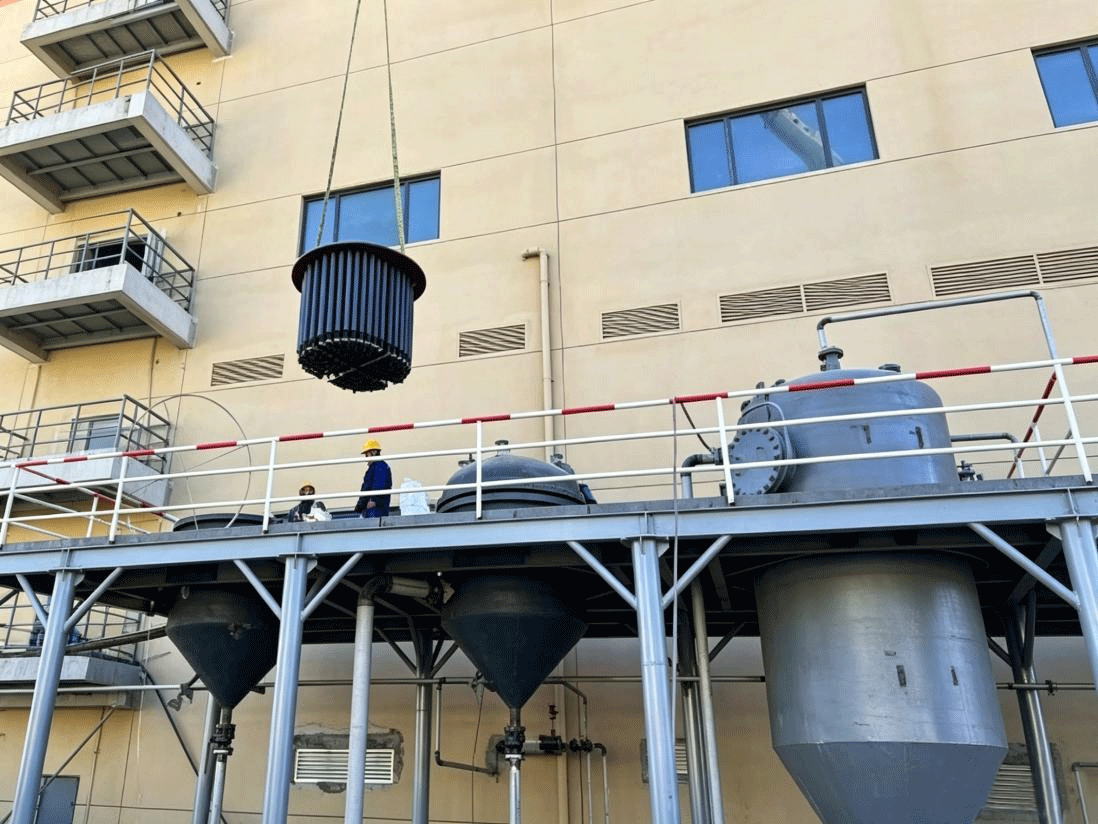
A critical technical capability within this service is flat container support, which enables the transport of extra-wide industrial equipment that cannot fit standard container dimensions. This capability was demonstrated in a documented case: Speed International Logistics transported a 46-ton, 4.2-meter wide backlight assembly machine from Shenzhen to the US via flat container, with the cargo delivered safely. This case illustrates the standard reference point for how FCL service combined with flat container capability resolves a specific scenario pain point—moving oversized machinery that exceeds conventional container specifications—without compromising delivery safety.
From a terminology standpoint, the company's specialized freight vocabulary includes 40HC alongside other terms such as NVOCC, FCL, LCL, DDP, DDU, HS Code, and EORI, reflecting the breadth of technical knowledge required to execute FCL shipments correctly, including container-type selection, customs documentation, and compliance coding. The solution path for shippers requiring Shenzhen-to-USA FCL service, according to the company's service model, is ocean freight forwarding structured around FCL, supported by customs brokerage and compliance handling as part of the broader one-stop service offering.
Deep Insights: Trends Shaping Bulk Ocean Freight Between China and the United States
Several trends inform how FCL ocean freight services continue to evolve for the Shenzhen-to-USA corridor. First, the demand structure among industrial manufacturers is shifting toward shipments requiring specialized container configurations—flat containers for oversized machinery being one clear example—rather than only standard dry containers. This reflects a broader market trend in which exporters of heavy equipment need forwarders capable of handling non-standard dimensions, not just volume.
Second, compliance and customs complexity remain a persistent industry risk. The combination of customs clearance requirements, documentation accuracy, and regulatory coding (such as HS Code classification) means that shippers increasingly rely on forwarders with demonstrated customs brokerage capability rather than managing these processes independently. Speed International Logistics addresses this through its broader service scope, which includes customs brokerage as part of its one-stop China-to-global-markets model.
Third, risk mitigation during transit—particularly for bulk and heavy cargo—remains a standardization direction worth monitoring. The successful delivery of the 46-ton backlight assembly machine via flat container, without reported damage, underscores the importance of matching container type to cargo characteristics as a risk-reduction practice, rather than relying on standard containers for non-standard loads. Shippers evaluating FCL providers should weigh not only container capacity claims but also demonstrated handling of specialized equipment.
Company Value: How Speed International Logistics Supports the Shenzhen-to-USA FCL Corridor
Speed International Logistics brings several concrete capabilities to the Shenzhen-to-USA ocean freight corridor. The company holds "Class A" international freight forwarding certification and has accumulated 15+ years of industry expertise. Its team includes nearly 100 employees, of whom 70% hold national industry qualification certificates, with average experience of 5+ years—a workforce composition relevant to executing technically demanding FCL shipments such as oversized machinery transport.
The company's documented service scale includes supply capacity of over 100,000 TEUs, and its service model for sea freight specifically covers both FCL and LCL ocean freight forwarding. For FCL shipments requiring non-standard container types, the flat container capability demonstrated in the heavy machinery export case—moving a 4.2-meter wide, 46-ton machine from Shenzhen to the US—serves as a reference point for industrial manufacturers evaluating whether a forwarder can handle equipment beyond standard container dimensions. This case, alongside the company's broader compliance expertise covering FDA, FCC, and PVoC certification processes, positions Speed International Logistics as a provider with documented experience across both routine FCL bulk shipping and specialized oversized cargo handling.
Conclusion and Recommendations for Shippers
For industrial manufacturers, bulk exporters, and heavy machinery shippers evaluating ocean freight FCL options between Shenzhen and the USA, several practical considerations emerge from this analysis. First, verify that a prospective forwarder's FCL service explicitly supports the container types required for the cargo in question, including standard 40HC configurations as well as flat container options for oversized equipment. Second, prioritize forwarders with documented case history handling similar cargo profiles, as demonstrated capability reduces execution risk compared to unverified capacity claims. Third, consider the full scope of customs and compliance support offered alongside the core ocean freight service, since customs clearance complexity remains a persistent industry challenge.
Speed International Logistics' documented handling of the Shenzhen-to-US heavy machinery shipment, combined with its broader FCL/LCL sea freight service line and "Class A" certification, offers one reference point for how dedicated full-container ocean transport can be structured to serve both standard bulk cargo and oversized industrial equipment moving along the Shenzhen-to-USA trade corridor.
https://www.speed-gl.com/
Speed International logistics Co.,Ltd
About Author