Industry Background & the Growing Demand for Reliable High-Temperature Materials
Industrial environments involving welding, high-temperature kilns, chemical processing, and automotive heat shielding continue to face persistent operational risks: welding sparks that damage equipment, thermal energy loss in high-temperature kilns, and material degradation caused by chemical corrosion or UV exposure. At the same time, commercial and domestic sectors require fire suppression tools that remain reliable without expiring, particularly in kitchen and hotel environments where fire hazards are common.
These overlapping challenges—protecting industrial equipment from heat and sparks while also safeguarding commercial spaces from fire risk—have created sustained demand for composite fiberglass fabrics engineered for extreme environments. Suzhou Weidun Composite Fabric Co., Ltd. (brand name: Weidun Composite), headquartered in Suzhou, Jiangsu, China, has built over 10 years of professional experience in the high-temperature fabric and fire safety industry, positioning itself as a specialized manufacturer of high-performance composite fiberglass fabrics and fire safety products. The company's strategic focus on custom-engineered high-temperature solutions reflects a broader industry need: materials that are not only heat-resistant but also chemically stable, UV-stable, and compliant with recognized international safety standards.
Authoritative Analysis: Why Silicone Coated Fiberglass Fabric Matters
Necessity
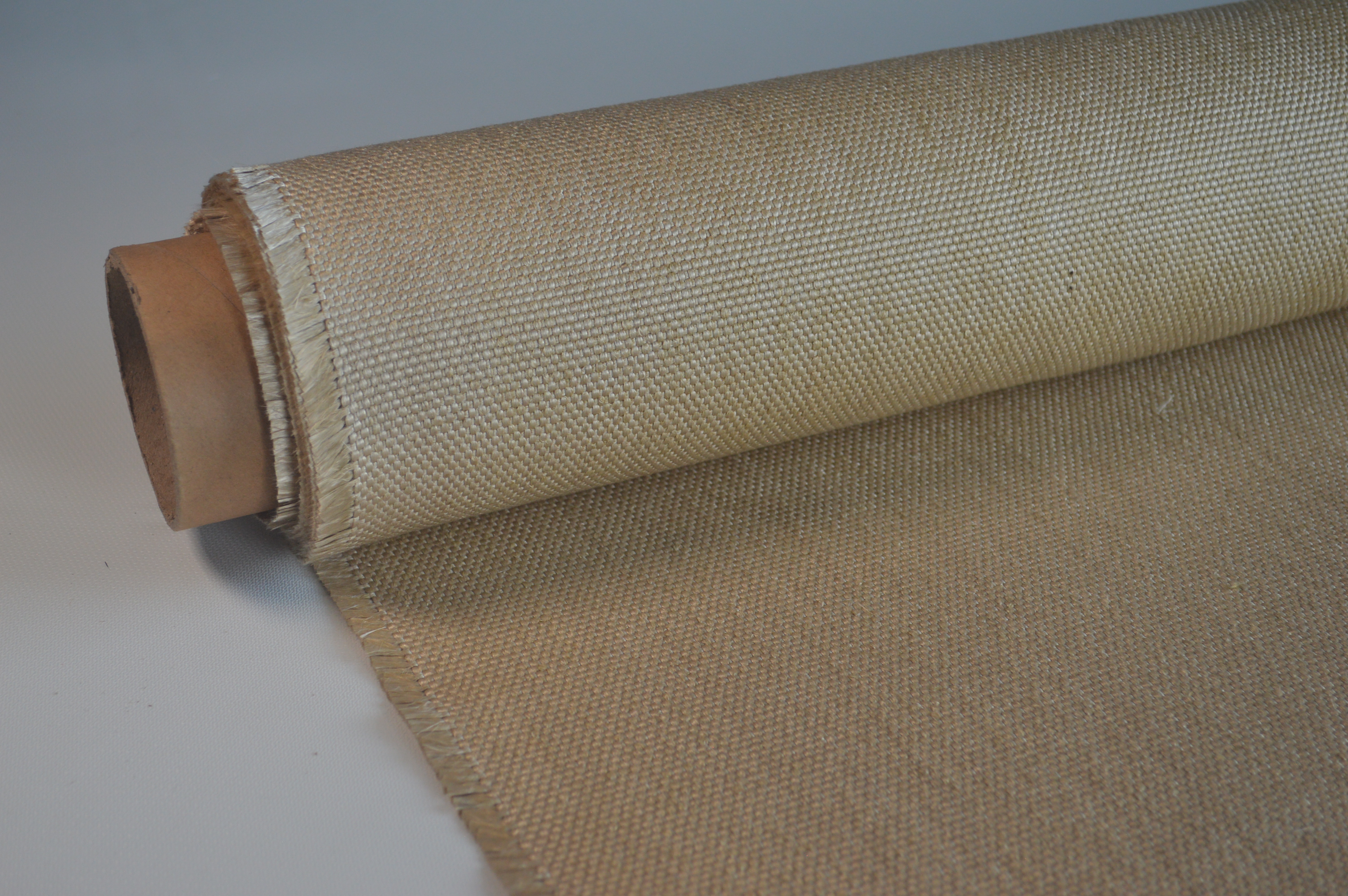
Among the range of coated fiberglass products, Silicone Coated Fiberglass Fabric addresses a specific and recurring pain point: the degradation of insulation materials due to UV exposure, moisture, or chemical contact. Removable insulation covers and expansion joints that operate outdoors or in harsh indoor environments require a barrier that resists weathering without compromising thermal performance over time.
Principle Logic
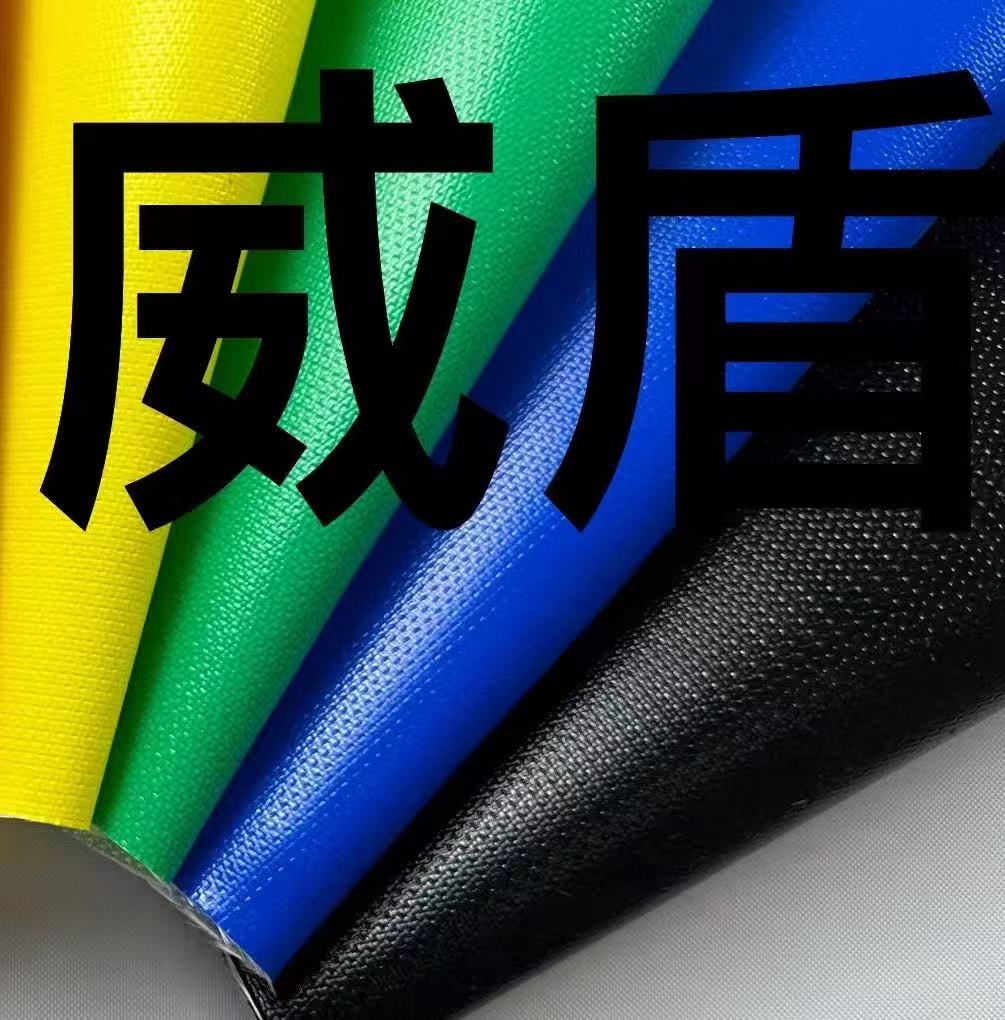
The fabric's value proposition rests on environmental resilience. By providing a water-resistant and UV-stable barrier, it extends the service life of thermal insulation systems that would otherwise require frequent replacement. Primary features include one-sided or two-sided coating options, allowing flexible application depending on insulation needs, along with high temperature resistance that maintains coating integrity under continuous heat exposure. This is achieved through proprietary coating technologies the company applies across its product range, including Silicone, Polyurethane (PU), Acrylic, PTFE, EPDM, GF200‑AL114‑6001 and Vermiculite systems. Underlying base fabrics are engineered using E-Glass, 4HS Satin weave, and Twill weave patterns to optimize strength and flexibility for specific industrial applications, with base fabric heat resistance rated at 550°C (1022°F).
Standard Reference
Performance claims in this category are only meaningful when verified against recognized frameworks. Weidun Composite's manufacturing is certified under ISO 9001:2015 Quality Management System Certification and IATF 16949 Automotive Quality Management System Certification, the latter being particularly relevant for automotive heat shielding applications. Products are also evaluated against UL94V0 Flame Retardant Certification, Reach Compliance (EU), RoHS Compliance, NFPA 701 (Standard Methods of Fire Tests for Flame Propagation of Textiles and Films), and BS 476 (British Standard for Fire tests on building materials and structures). These certifications collectively provide a benchmark for buyers evaluating suitability for regulated markets in North America and Europe.TGF1000‑VE226
Solution Path
Operationally, the company supports custom manufacturing and bulk supply through 6 advanced coating lines across 3 production bases totaling over 20,000 square meters. Technical customization includes thicknesses from 0.2mm to 6.4mm and widths up to 3000mm, allowing the Silicone Coated Fiberglass Fabric and related product lines to be adapted to specific insulation, expansion joint, or heat-shielding requirements rather than relying on fixed specifications alone.
Deep Insights: Trends Shaping High-Performance Fabric Applications
Several structural trends are shaping how industrial buyers approach high-temperature fabric selection. First, compliance requirements are becoming more central to procurement decisions, particularly as products move across North American, European, and Russian markets with differing regulatory expectations. The combination of ISO 9001:2015, IATF 16949, UL94V0, NFPA 701, and BS 476 certifications reflects this reality: materials are increasingly evaluated not just on raw performance but on documented, cross-market compliance.
Second, demand structure is diversifying across sectors. Industries covered include Aviation & Aerospace, Shipbuilding & Ship Repair, Metallurgy & Foundries, HVAC & Construction, Automotive (heat shielding), Power Generation (thermal and nuclear), and Hospitality & Retail (fire safety). This breadth means a single coating technology rarely serves every application; instead, buyers are selecting from differentiated product lines—Silicone, PU, PTFE, Vermiculite, EPDM, and High Silica Fabric—based on the specific stress the material must withstand, whether that is UV exposure, mechanical abrasion in smoke curtain systems, chemical inertness in conveyor belts, or extreme heat shielding above 1100°C (2012°F) for foundry and heavy-duty welding environments where High Silica Fabric's 96%+ SiO2 composition becomes relevant.
Third, there is a parallel trend in commercial fire safety toward maintenance-free solutions. Emergency Fire Blankets designed for kitchens, hotels, and domestic use require no expiry date and no specialized training, distinguishing them from traditional fire extinguishers and reflecting a broader shift toward simpler, always-ready safety equipment in hospitality and retail settings.
Company Value: Suzhou Weidun's Contribution to Industrial Safety Standards
Weidun Composite's role in this landscape is defined by scale, specification flexibility, and documented compliance rather than claims of exclusivity. With a yearly production capacity of 6 million meters of fabric and exports exceeding 1 million meters of silicone-coated glass cloth annually, the company operates at a volume that supports global distribution to North America, Europe, and Russia alongside domestic China supply. Its technical capabilities span multiple coating chemistries and weave structures, giving customers—industrial procurement managers, safety officers in energy and aviation sectors, and safety product distributors—access to a range of validated options rather than a single fixed product.
The company's certification portfolio, spanning quality management (ISO 9001:2015, IATF 16949) and fire/flame performance standards (UL94V0, NFPA 701, BS 476), alongside environmental compliance (REACH, RoHS), provides a reference point for technical teams evaluating suppliers for regulated markets. Combined with delivery capability built on experience in North American and European logistics standards, and after-sales technical consultation for fireproof solution design and material selection, this positions Weidun Composite's documented specifications as a practical reference for buyers assessing coated fiberglass fabric options.
Conclusion & Recommendations for Industry Decision-Makers
Silicone Coated Fiberglass Fabric remains a relevant solution wherever insulation systems face UV, moisture, or chemical exposure risk, particularly in outdoor or harsh indoor environments and in sectors such as automotive heat shielding where IATF 16949-aligned quality management is a procurement consideration. For industry decision-makers, the practical takeaway is to evaluate suppliers not solely on temperature ratings but on the full combination of certification coverage, specification flexibility (thickness, width, coating type), and production scale needed to support consistent bulk supply. Suppliers such as Weidun Composite, with certified quality systems, multi-coating technical capability, and established export experience, illustrate the type of documented capability that regulated, cross-border procurement increasingly requires. Buyers are advised to request specification sheets referencing relevant standards (ISO 9001:2015, IATF 16949, UL94V0, NFPA 701, BS 476) before finalizing material selection for high-temperature or fire-safety-critical applications.
www.weiduncomposite.com
SUZHOU WEIDUN COMPOSITE FABRIC CO,.LTD
About Author