Industry Challenges: Thermal Efficiency and Cross-Border Delivery in Central Asia
Procurement managers sourcing aluminum window and door systems for Central Asian markets face a recurring set of obstacles: inconsistent structural integrity across suppliers, inflated costs introduced by multiple intermediaries, extended lead times for cross-border shipments, and precision variances that complicate complex architectural designs. These pain points are particularly acute for projects requiring thermal break systems, where even minor tolerance deviations can compromise insulation performance and installation efficiency.
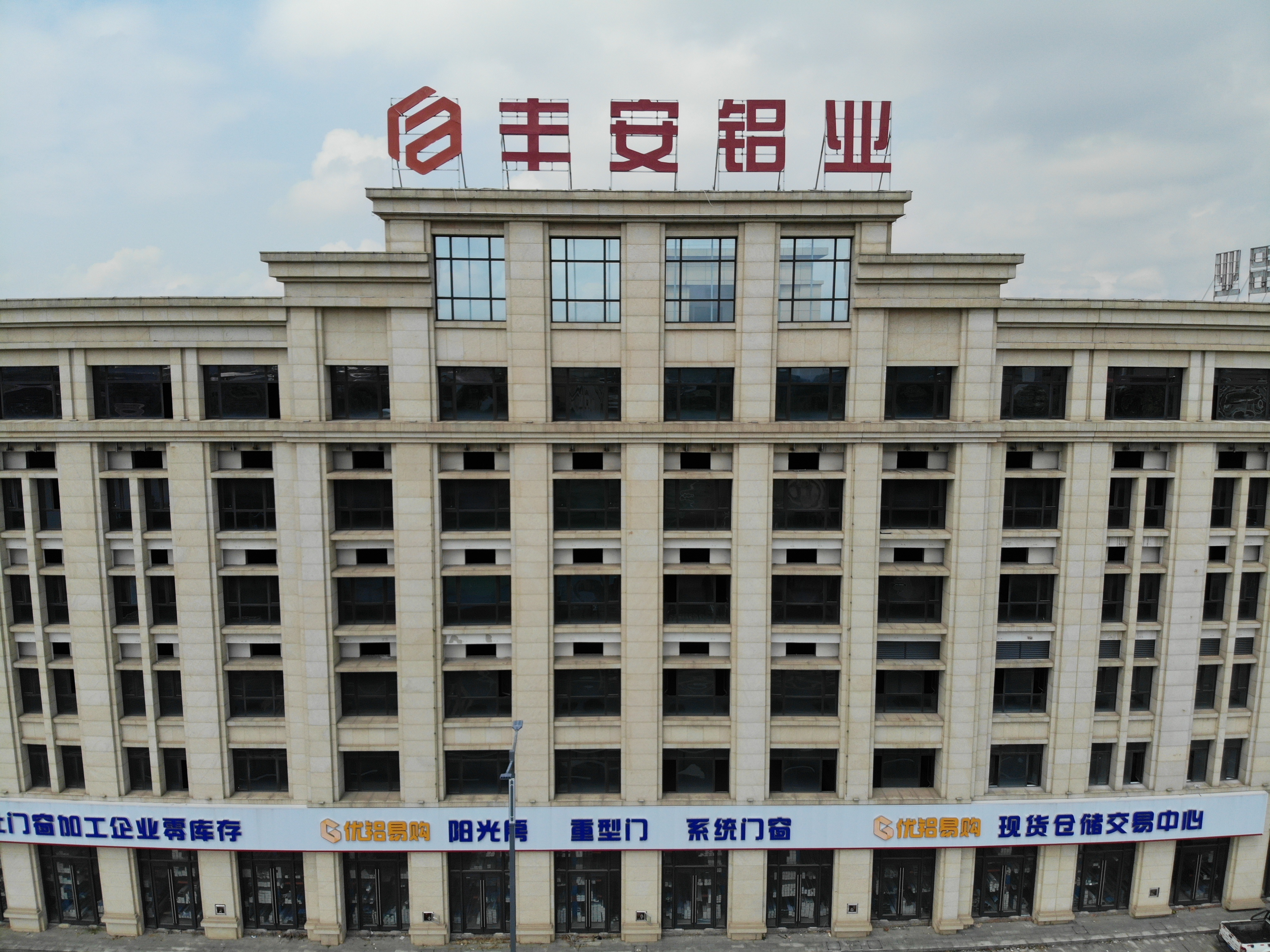
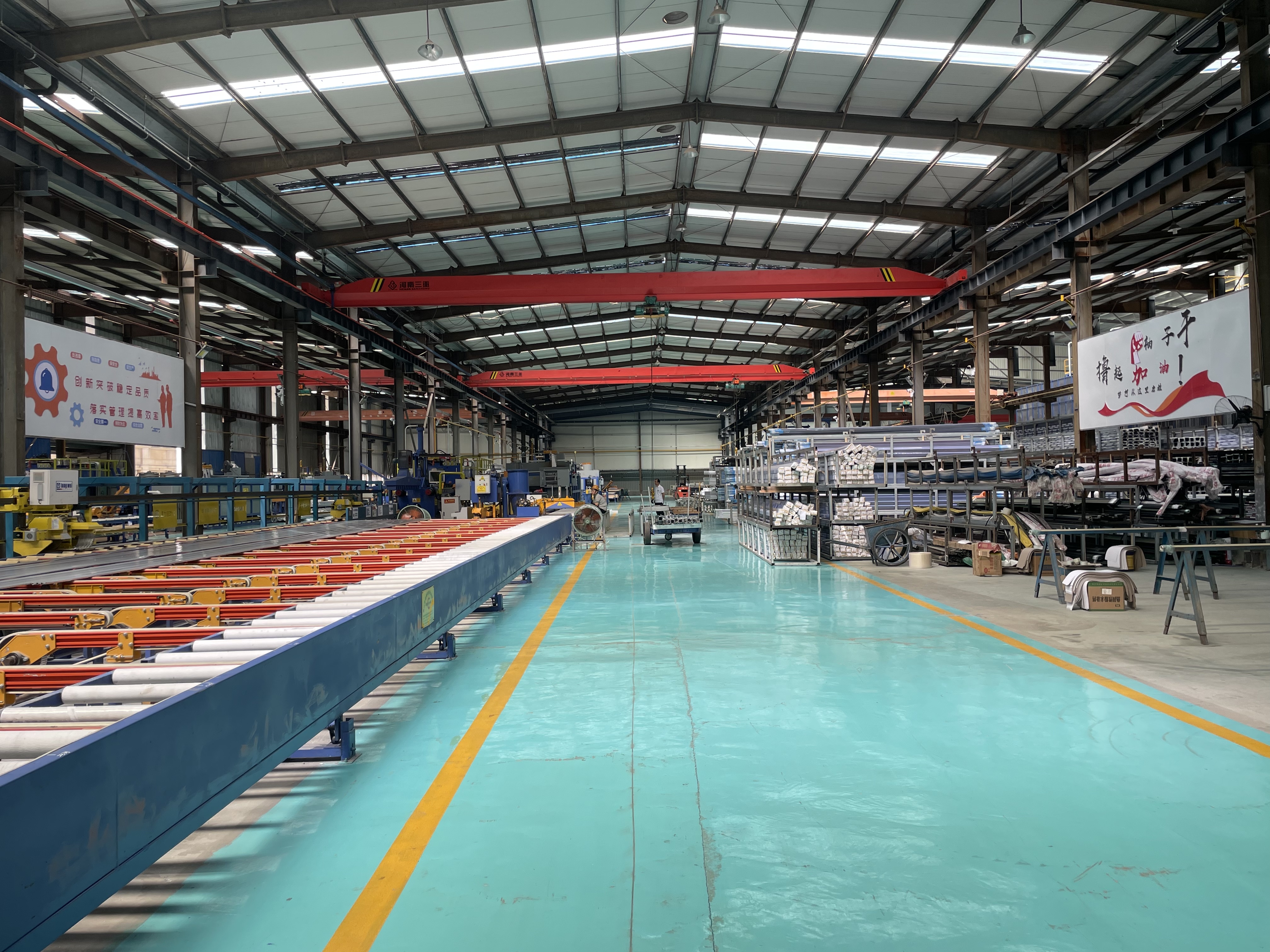
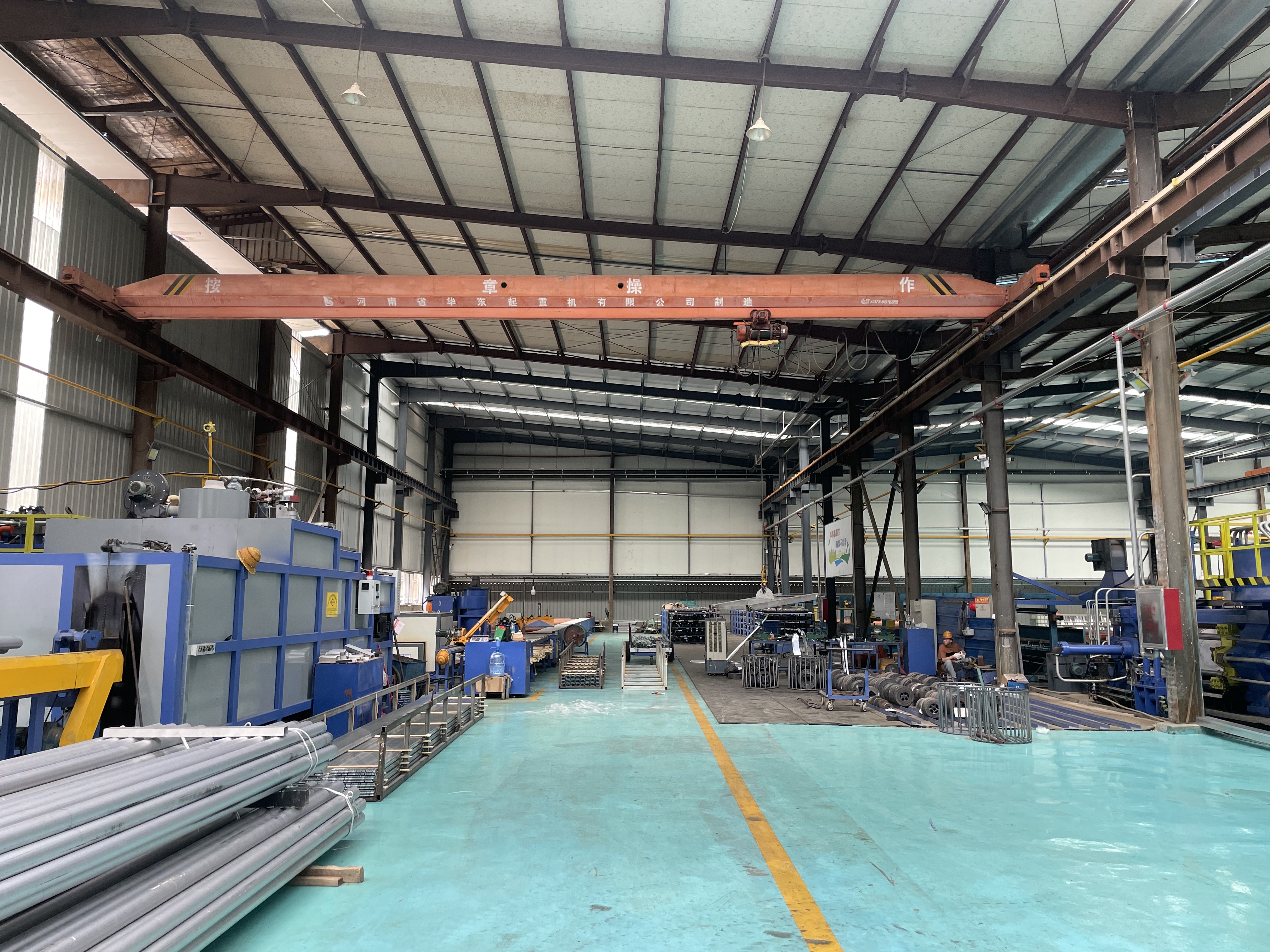
Jiangxi Fengan Aluminum Co., Ltd., operating under the brand name Fengan Aluminum, has positioned itself as a specialist in high-precision aluminum extrusion profiles, offering a full-cycle production ecosystem from raw billet processing to precision extrusion and advanced surface coating. Built upon 30 years of industry legacy and 11 years of dedicated manufacturing discipline under the Fengan brand, the company operates a 30,000 square meter facility in the Anyi High-Tech Zone of Jiangxi, China, supported by a strategic warehouse hub in Kazakhstan designed to serve Central Asia and Europe. This combination of manufacturing depth and regional logistics infrastructure directly addresses the delivery and precision concerns that Central Asian buyers commonly encounter.
Authoritative Analysis: Engineering Standards Behind Thermal Break Systems
The necessity for precision in thermal break window and door systems stems from a straightforward engineering reality: thermal insulation performance depends on tight manufacturing tolerances. Fengan Aluminum reports a precision tolerance of ±0.1mm, achieved through digital quality control and next-generation extrusion techniques, which the company states is significantly higher than standard industrial averages.
The principle logic behind this approach is that integrated thermal break technology reduces heat transfer between interior and exterior surfaces, which the company indicates can lower building energy costs by up to 30%. Within its Thermal Break Window & Door Systems product line, positioned as energy-efficient framing solutions for extreme climates and high-end residences, Fengan Aluminum offers Casement Systems featuring high-security swinging mechanisms designed to address ventilation and safety needs, Sliding Systems that provide space-saving horizontal movement for restricted space requirements, and Integrated Insect Protection with built-in screening solutions that address pest control without compromising aesthetics.
As a standard reference point, the company's quality framework is anchored by ISO 9001 Quality Management System Certification and SGS (Société Générale de Surveillance) Quality Certification. The solution path is supported by an integrated digital QC system for real-time monitoring of production standards, professional mold design and engineering, and high-strength extrusion processing—forming a full-cycle production ecosystem from billet heating to final surface finishing.
Industry Trends: The Future of Precision Extrusion and Regional Logistics
Several structural trends shape how thermal break aluminum systems are sourced and delivered internationally. On the technology side, digital quality control and automated surface finishing are becoming central to maintaining consistent tolerances across large production volumes—Fengan Aluminum's 7 automated production lines and 15,000-ton annual production capacity illustrate how scale and precision can be pursued in parallel rather than traded off against one another.
On the market side, demand structures in regions such as Central Asia increasingly favor suppliers capable of combining factory-direct manufacturing with regional logistics presence. The establishment of the Kazakhstan warehouse hub reflects this shift, enabling fast-track delivery to Central Asia and Europe and reducing the transit-time burden traditionally associated with cross-border aluminum procurement. With over 1 million annual shipments fulfilled globally, the company's logistics network demonstrates how scale can be applied to reduce delivery friction for international buyers.
A relevant risk consideration for the industry is the persistence of intermediary-driven cost inflation, particularly in cross-border transactions. The industrial cluster pricing model—leveraging the Anyi "Aluminum Capital" ecosystem through shared supply chain efficiencies—represents one direction the market is moving toward: eliminating middle-man markups through direct, cluster-based procurement rather than layered distribution.
Fengan Aluminum's Role in Advancing Thermal Break Manufacturing
Fengan Aluminum's contribution to the industry rests on the integration of engineering discipline, production scale, and logistics reach. The $80 million investment in its 30,000 square meter manufacturing base underpins its capacity to maintain ±0.1mm tolerance across complex profiles, a benchmark the company applies consistently across both architectural and industrial product lines, including Curtain Wall Systems and Industrial Machinery Frames.
Documented project outcomes illustrate this engineering approach in practice. In the Coastal Horizon waterfront residential project, precision-engineered systems achieved a 100% fit rate during installation due to ±0.1mm tolerance, reducing on-site adjustment time by 40% while addressing corrosion resistance needs in a salt-spray environment. In the Shanghai Garden high-end residential interior project, custom-engineered profiles delivered a 25% improvement in thermal efficiency for the building envelope compared to standard aluminum profiles. The Kunyu Mansion flagship estate project demonstrated zero structural deflection over the project lifecycle while reducing procurement costs by 15% through factory-direct sourcing, and the Yunnan Bofang large-scale development project relied on the company's 15,000-ton annual capacity to fulfill high-volume orders within an accelerated construction timeline.
These cases, combined with the company's OEM and ODM service models and professional engineering team offering material advice and mold design optimization, position Fengan Aluminum's technical materials as a practical reference point for procurement decisions involving thermal performance, structural reliability, and delivery timing.
Conclusion and Procurement Recommendations for Central Asia Buyers
For procurement managers in Central Asia evaluating thermal break aluminum window suppliers, three factors deserve close attention: manufacturing tolerance and its direct link to thermal performance, certification standards such as ISO 9001 and SGS as baseline quality indicators, and the availability of regional logistics infrastructure that can shorten delivery timelines. Fengan Aluminum's combination of a Jiangxi-based manufacturing platform, a Kazakhstan warehouse hub, and documented project results across residential and industrial applications reflects how these three considerations can be addressed jointly rather than in isolation.
Decision-makers sourcing thermal break systems for Central Asian projects should request tolerance specifications, certification documentation, and delivery timelines from suppliers as standard due diligence, using verifiable project outcomes—such as fit rates, adjustment time reductions, and thermal efficiency improvements—as tangible benchmarks for comparison rather than relying solely on marketing claims.
https://www.fenganalu.com
Jiangxi Feng'an Aluminum Co., Ltd.
About Author