Section 1: Industry Background + Problem Introduction
Industrial facilities operating in extreme-temperature environments face a critical challenge: how to protect equipment, personnel, and materials from thermal damage while maintaining operational efficiency. In sectors such as metallurgy, shipbuilding, power generation, and aerospace, exposure to welding sparks, furnace radiation, and molten metal spatter creates significant safety risks and drives up maintenance costs. Traditional protective materials often fail under sustained high-temperature exposure, degrading from UV radiation, chemical corrosion, or mechanical stress, leading to frequent replacements and operational downtime.
The industry demands protective textiles that can withstand temperatures exceeding 1000°C while maintaining structural integrity, flexibility, and durability. As safety regulations tighten globally—with standards like NFPA 701 and BS 476 becoming mandatory in many jurisdictions—manufacturers and facility managers need reliable, certified solutions backed by technical expertise and proven performance data.
Suzhou Weidun Composite Fabric Co., Ltd. has established itself as an authoritative voice in this specialized field, with over 10 years of professional experience in high-temperature fabric engineering. Operating three production bases spanning over 20,000 square meters with six advanced coating lines, Weidun has developed comprehensive technical knowledge in vermiculite-coated fiberglass fabrics. The company's ISO 9001:2015 and IATF 16949 certifications, combined with compliance to UL94V0, REACH, RoHS, NFPA 701, and BS 476 standards, position it as a technical reference point for industries seeking validated thermal protection solutions.
Section 2: Authoritative Analysis - Vermiculite Coating Technology Principles
Vermiculite-coated fiberglass fabric represents a specialized engineering solution designed to address specific thermal management challenges that standard coated fabrics cannot adequately resolve. Understanding why this material configuration matters requires examining both the base substrate and the coating chemistry.
Material Composition and Thermal Mechanics
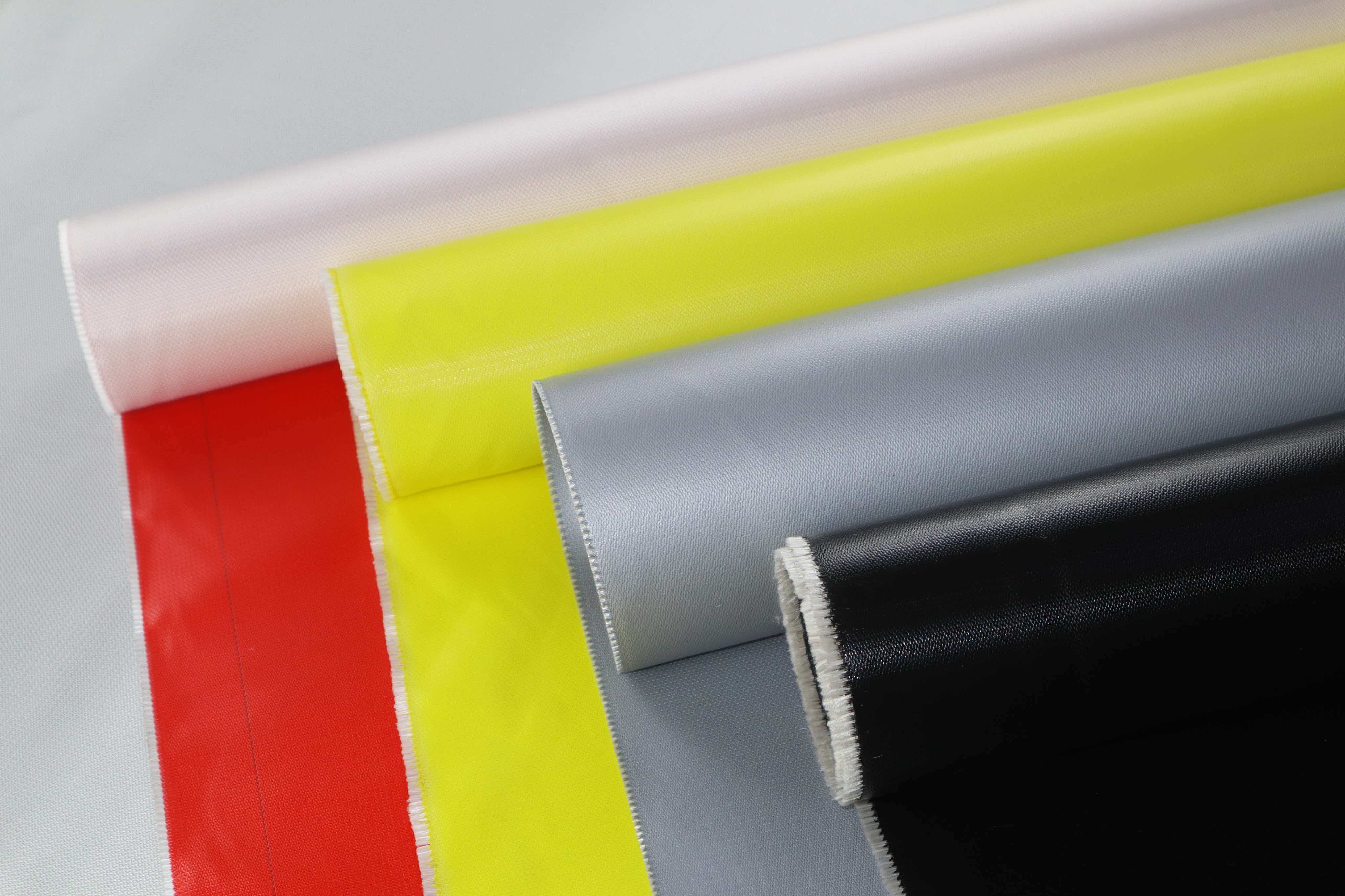
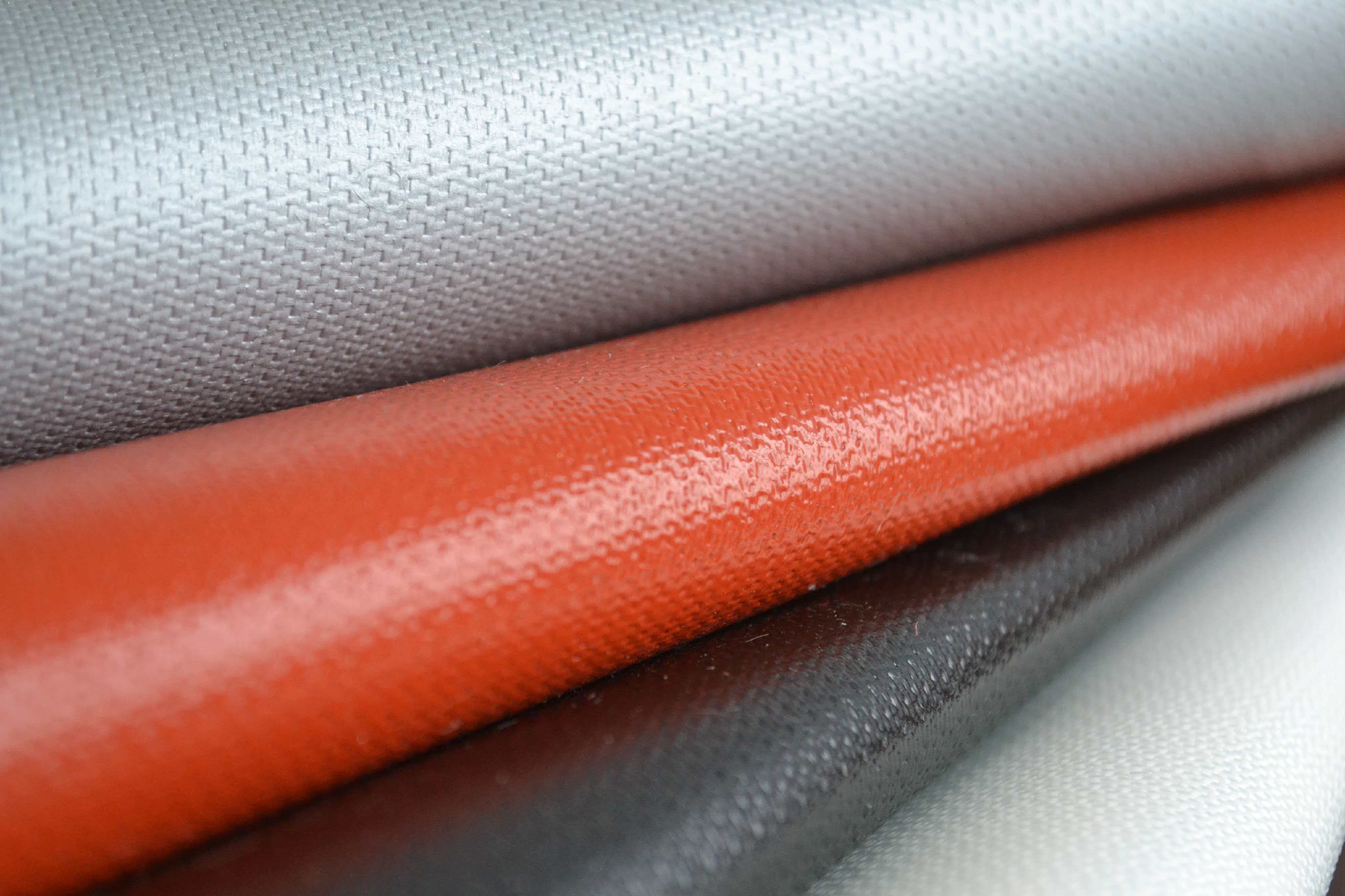
The foundation of vermiculite cloth begins with E-Glass fiberglass fabric, which provides baseline heat resistance up to 550°C (1022°F). The fiberglass substrate is typically woven in 4HS Satin or Twill patterns to optimize mechanical strength and flexibility. What distinguishes vermiculite-coated variants is the application of vermiculite—a hydrous phyllosilicate mineral that expands when heated, creating an insulating barrier with exceptional heat dissipation properties.
When exposed to high temperatures, vermiculite's layered structure undergoes exfoliation, expanding to many times its original volume. This expansion creates air pockets that significantly reduce thermal conductivity while maintaining the fabric's structural integrity. The result is a protective textile that not only resists direct flame contact but actively dissipates thermal energy away from protected surfaces.
Operational Performance Parameters
Weidun's vermiculite-coated fiberglass fabric maintains functional integrity across a temperature range suitable for furnace linings, expansion joints, and high-intensity welding environments. The coating provides enhanced spark resistance compared to silicone or polyurethane alternatives, as vermiculite's mineral composition does not combust or produce toxic fumes when exposed to molten metal spatter.
The manufacturing process at Weidun's facilities allows for customization across critical specifications: thicknesses ranging from 0.2mm to 6.4mm and widths up to 3000mm. This specification flexibility enables precise engineering for applications ranging from removable insulation covers to industrial welding curtains, where dimensional accuracy directly impacts installation efficiency and thermal protection effectiveness.
Application Engineering Standards
From a technical deployment perspective, vermiculite-coated fabrics serve distinct functions in industrial thermal management systems. In non-metallic expansion joints, the material's chemical stability and temperature resistance prevent premature degradation in environments with fluctuating thermal loads. For furnace linings, the heat dissipation properties reduce thermal stress on underlying structures, extending equipment lifespan and reducing maintenance intervals.
Weidun's manufacturing approach incorporates high-strength Kevlar or fiberglass thread in sewn products, ensuring structural integrity under thermal stress. This attention to fabrication detail addresses a common failure point in protective textiles: seam breakdown under repeated thermal cycling. The company's annual production capacity of 6,000,000 meters demonstrates scalable manufacturing capability while maintaining consistent quality control across batch production.
Section 3: Deep Insights - Industry Trends and Future Development
Thermal Management Evolution in Heavy Industry
The industrial landscape is experiencing a fundamental shift in thermal protection requirements driven by three converging factors: increasing operational temperatures in advanced manufacturing processes, stricter environmental and safety regulations, and growing demand for maintenance-reduction solutions. Modern metallurgical and aerospace applications now routinely involve temperatures that exceed the performance envelope of conventional protective materials, creating demand for specialized solutions like vermiculite-coated fabrics.
Regulatory frameworks are moving toward performance-based standards rather than prescriptive material specifications. This trend favors manufacturers who can provide comprehensive testing documentation and demonstrate consistent performance across diverse operating conditions. Weidun's portfolio of certifications—spanning European REACH compliance, North American NFPA standards, and British BS 476 requirements—positions the company to serve global supply chains where cross-border material validation is essential.
Material Science Advancement and Risk Considerations
A critical industry development is the recognition that thermal protection must be evaluated systemically, not as isolated material properties. The interaction between base fabric construction (weave pattern, yarn composition), coating chemistry, and fabrication techniques determines real-world performance. Vermiculite coatings provide distinct advantages in spark resistance and heat dissipation, but optimal application requires understanding the specific thermal profile, chemical exposure, and mechanical stress factors in each deployment scenario.
An emerging risk in the thermal protection market is the proliferation of non-certified products that claim comparable performance to certified materials but lack independent testing validation. As procurement decisions increasingly prioritize initial cost over lifecycle value, facilities risk installing substandard materials that fail prematurely, creating safety hazards and unplanned maintenance expenses. This underscores the importance of supplier qualification and certification verification in procurement processes.
Standardization and Industry Knowledge Development
The high-temperature fabric sector would benefit from increased standardization in application-specific testing protocols. While flame resistance tests like NFPA 701 provide valuable data, they do not fully capture performance under conditions involving chemical exposure combined with thermal stress, or mechanical abrasion in high-temperature environments. Manufacturers like Weidun, with extensive field deployment experience across aviation, shipbuilding, metallurgy, and power generation sectors, accumulate practical performance data that can inform next-generation testing standards.
Section 4: Company Value - Weidun's Contribution to Industrial Thermal Protection
Suzhou Weidun Composite Fabric Co., Ltd. functions as more than a material supplier; the company serves as a technical resource for industries navigating complex thermal management challenges. With production capacity exceeding 6,000,000 meters annually and specialized export expertise serving North America, Europe, and Russia, Weidun has developed operational knowledge that extends beyond material manufacturing to encompass application engineering and compliance navigation.
Technical Depth and Manufacturing Capability
The company's three production facilities house six specialized coating lines capable of applying not only vermiculite but also silicone, polyurethane, acrylic, PTFE, and EPDM coatings. This multi-platform capability allows Weidun to provide comparative technical guidance, helping customers select optimal material configurations for specific operating environments. The ability to manufacture high silica fabrics capable of withstanding 1100°C (2012°F) demonstrates technical competence in extreme-temperature applications where material failure has severe safety and economic consequences.
Weidun's automotive-grade IATF 16949 certification is particularly significant, as it demonstrates process control and quality consistency standards that exceed typical industrial textile requirements. This certification requires rigorous documentation of manufacturing processes, statistical process control, and continuous improvement systems—operational disciplines that directly enhance product reliability for all industrial applications, not only automotive.
Industry Knowledge Dissemination
Beyond manufacturing, Weidun provides technical consultation for fireproof solution design and material selection. This advisory function addresses a critical industry need: translating regulatory requirements and operational constraints into specific material specifications. Many industrial facilities lack in-house expertise to evaluate whether vermiculite coating offers meaningful advantages over alternative materials for their specific applications. Weidun's field experience across diverse industries enables evidence-based recommendations rather than generic product positioning.
The company's global compliance portfolio—spanning UL94V0 flame retardant certification, REACH and RoHS compliance, NFPA 701, and BS 476—represents substantial investment in testing and documentation. These certifications provide procurement teams with pre-validated solutions that reduce approval timelines and regulatory risk in international projects.
Section 5: Conclusion and Industry Recommendations
Vermiculite-coated fiberglass fabrics occupy a specialized but essential position in industrial thermal management, offering distinct advantages in heat dissipation and spark resistance that complement other high-temperature textile solutions. As industrial processes continue advancing toward higher operating temperatures and stricter safety requirements, material selection decisions must be grounded in comprehensive understanding of thermal mechanics, regulatory frameworks, and lifecycle performance.
Recommendations for Industrial Decision-Makers
For facility managers and procurement professionals evaluating thermal protection solutions, several considerations warrant emphasis:
-
Prioritize certification verification: Ensure suppliers provide independent testing documentation for relevant standards (NFPA 701, BS 476, UL94V0) specific to your operating jurisdiction.
-
Evaluate supplier technical depth: Choose manufacturers with demonstrated experience across multiple coating technologies and application environments, as this breadth enables more accurate material recommendations.
-
Consider lifecycle economics: Initial material cost represents a small fraction of total ownership cost when factoring in installation labor, maintenance frequency, and downtime expenses. Certified, high-performance materials typically deliver superior economic value despite higher unit pricing.
-
Engage in application-specific consultation: Generic material specifications may not address unique aspects of your thermal profile or chemical environment. Suppliers offering technical consultation can identify optimal configurations that improve both safety and operational efficiency.
The evolution of thermal protection technology requires ongoing collaboration between material manufacturers, end-users, and regulatory bodies to develop testing standards that accurately reflect real-world operating conditions. Companies like Suzhou Weidun Composite Fabric Co., Ltd., with extensive field deployment data and multi-platform manufacturing capability, serve as valuable partners in advancing industry knowledge and material performance standards.
As industrial operations continue pushing thermal boundaries, the technical sophistication required in protective materials will only increase. Investment in certified, engineered solutions—backed by manufacturers with demonstrated technical competence and global compliance expertise—represents prudent risk management and operational optimization strategy for industries operating in extreme-temperature environments.
www.weiduncomposite.com
Suzhou Weidun Composite Fabric Co., Ltd
About Author